
Author

dblogera

Browsing

A trip to Darjeeling remains one of the most rewarding mountain holidays in India because it combines Himalayan scenery, colonial heritage, tea gardens, local food, monasteries, and sunrise viewpoints without demanding a luxury budget. Even in 2026, a carefully planned Darjeeling budget trip can remain affordable if transport, accommodation, food, and sightseeing are chosen strategically. Shared jeeps from NJP still remain the most economical transfer option, while walking within town can save substantial local travel costs because many key attractions are clustered near the central area. Shared jeep fares from New Jalpaiguri generally stay around ₹250–₹300 per seat, depending on season and demand.

What makes Darjeeling ideal for budget travelers is that expensive package tours are optional—not necessary. You can independently explore viewpoints, tea estates, monasteries, local markets, and heritage streets while spending carefully on only a few paid experiences, like the toy train or ropeway. A realistic solo budget for 3–4 days in 2026 can remain between ₹5,500 and ₹9,500, depending on travel season and accommodation category.

This guide covers every essential detail—from arrival planning to food budgeting, season strategy, hidden expenses, practical itineraries, and mistakes travelers often make.

Why Darjeeling Is Still One of India’s Best Budget Hill Destinations in 2026

Darjeeling continues to attract students, backpackers, couples, solo travelers, and families because it offers an unusually rich experience within a small geographic area. Unlike destinations where internal transport becomes expensive, Darjeeling allows long walking circuits that naturally reduce daily spending. The town’s layered roads, stairways, and colonial neighborhoods create a travel style where exploration itself becomes part of the experience.

The destination also works for multiple budgets because travelers can scale activities easily:

Budget advantages in Darjeeling

  • Shared transport is widely available
  • Walking reduces local taxi dependency
  • Street food is excellent and affordable
  • Budget homestays are abundant
  • Free viewpoints offer premium scenery
  • Tea gardens often require little or no entry fee
  • Several heritage attractions are low-cost

Why 2026 remains attractive

  • Improved tourist flow management after recent crowd surges
  • More hostels and homestays than previous years
  • Flexible travel from NJP and Bagdogra
  • Better digital booking options for budget stays

Tourist rush during peak months still increases prices significantly, especially in May, October, and New Year weeks. Reddit travelers repeatedly mention that price inflation during peak periods can raise accommodation by 25–50%.

Best Time for a Darjeeling Budget Trip in 2026

Timing directly determines whether your budget stretches comfortably or gets stressed. Seasonal price differences in Darjeeling can be dramatic.

March to April: Balanced season

Spring gives excellent weather, blooming landscapes, and moderate tourist density. Costs are lower than peak May but slightly above off-season.

Ideal for:

  • First-time visitors
  • Photography
  • Tea garden visits
  • Clear mountain views

May to June: Expensive peak season

This is family holiday season across India, and prices surge.

Budget impact:

  • Hotels cost more
  • Shared taxis fill faster
  • Ropeway queues become long
  • Toy train seats sell out early

Reddit travelers reported severe ropeway queues and town traffic during this period.

July to September: Cheapest but weather risk

Monsoon lowers hotel prices significantly but landslide risk increases.

Cheapest advantages:

  • Lowest hotel rates
  • Negotiation easier
  • Less crowd

Risks:

  • Cloud cover
  • Delays
  • Road disruption

October to December: Premium visibility season

Excellent mountain visibility, but stronger demand.

January to February: Hidden budget window

Winter often offers lower rates except on holiday dates.

A strong budget strategy targets:

  • Late February
  • Mid-March weekdays
  • Early September
  • Late November weekdays

How to Reach Darjeeling Cheaply in 2026

Transport is where budget planning begins.

Cheapest Route: Train to New Jalpaiguri Junction + Shared Jeep

This remains the most economical route.

NJP to Darjeeling budget transfer

  • Shared jeep: ₹250–₹300 per person
  • Travel time: 3.5 to 4 hours
  • Available outside station

Budget train strategy

Book your seats:

  • Sleeper for ultra-budget
  • 3AC for comfort-budget balance

From Bagdogra Airport

  • Shared cab: ₹300–₹500
  • Private cab: much costlier

Money-saving arrival tips

  • Avoid late-night aggressive fare quotes
  • Walk slightly away from station crowd
  • Join shared travelers
  • Confirm fare before boarding

Best Budget Accommodation Areas in Darjeeling

Location affects daily savings more than many travelers realize.

Best low-cost zones

1. Near Gandhi Road

Best balance of:

  • affordability
  • access
  • walking convenience
2. Near Chowk Bazaar

Often cheaper than Mall Road.

3. Slightly downhill homestays

Good savings if you accept short uphill walks.

Budget stay categories

Hostel dorms
  • ₹500–₹900
Basic hotels
  • ₹900–₹1,500
Homestays
  • ₹1,000–₹1,800

Some homestays include meals.

Booking strategy

  • Book the first night in advance
  • Negotiate extension locally
  • Weekday rates are cheaper

Daily Food Budget in Darjeeling Without Missing Local Flavor 🍜

Food in Darjeeling can stay highly affordable if local eateries are prioritized.

Budget breakfast options

  • Tibetan bread + tea
  • Aloo paratha
  • Local bun + butter tea

₹50–₹120

Budget lunch

  • Thali
  • Momos
  • Thukpa

₹120–₹180

Budget dinner

  • Rice meal
  • Noodles
  • Soup-based local dishes

₹150–₹250

Total daily food budget

₹350–₹600

(Smart local rule– Reddit advice strongly suggests eating where locals eat, not tourist-heavy cafés.)

Must-try budget foods

  • Momos
  • Thukpa
  • Aloo dum
  • Wai Wai variations
  • Darjeeling tea

Local Transport Budget Inside Darjeeling

Darjeeling rewards walkers. Walking saves the most money. Many attractions are reachable on foot:

  • Observatory Hill
  • Mall area
  • Tea estate zones
  • Station area

Shared jeep sightseeing

Tiger Hill circuit shared jeeps are budget-efficient.

Approximate local transport costs

  • Shared jeep short route: ₹20–₹50
  • Tiger Hill shared circuit: ₹150–₹250

Avoid expensive mistakes

  • A private taxi for a solo traveler is costly
  • Negotiate before boarding
  • Combine attractions geographically

Budget-Friendly Sightseeing Plan in 2026

Free or nearly free attractions

Chowrasta– Perfect for evening exploration.

Observatory Hill– Scenic and spiritual.

Happy Valley Tea Estate– Low-cost iconic experience.

Bhutia Busty Monastery– Excellent cultural stop.

Paid Attractions Worth Your Budget

Tiger Hill– Sunrise remains iconic.

Budget access:

  • Shared jeep recommended

Darjeeling Himalayan Railway toy train– Optional but memorable.

Toy train costs vary by service class and route. Premium joy rides cost much more than budget planning should assume.

Darjeeling Ropeway

Adult fare around ₹200 remains budget-friendly.

Important:

Go early due to queues. Reddit reports long waits during tourist season.

Padmaja Naidu Himalayan Zoological Park

Very worthwhile for low entry cost.


4-Day Darjeeling Budget Trip Itinerary Under ₹8,000

Day 1: Arrival + Local Walk

  • NJP to Darjeeling shared jeep
  • Check-in
  • Chowrasta evening
  • Local dinner

Day 2: Sunrise Circuit

  • Tiger Hill
  • Ghoom Monastery
  • Batasia Loop

Day 3: Tea + Heritage

  • Happy Valley Tea Estate
  • Zoo
  • HMI area

Day 4: Ropeway + Departure

  • Ropeway early morning
  • Market shopping
  • Shared jeep back

Full Budget Breakdown for 2026

Solo traveler

  • Transport: ₹1,000–₹1,500
  • Stay: ₹2,500–₹4,000
  • Food: ₹1,500–₹2,000
  • Sightseeing: ₹1,000–₹2,000

Total:

₹6,000–₹9,500

Couple budget

₹11,000–₹16,000 possible with shared costs.


Smart Money-Saving Tips Most Travelers Learn Too Late 💡

Always travel light

Porters increase hidden spending.

Carry cash

Some small shops still prefer cash.

Start early daily

Morning saves queue time.

Avoid peak weekend bookings

Rates jump quickly.

Stay slightly away from Mall Road

Significant savings.


Common Budget Mistakes in Darjeeling

Booking private cabs unnecessarily

Overspending near tourist-heavy cafés

Choosing peak season without advance booking

Ignoring walking routes


Hidden Gems for Budget Travelers

Dali Monastery

Less crowded.

Japanese Peace Pagoda

Low-cost, peaceful.

Local tea stalls in neighborhood roads

Best authentic tea moments.


Is Darjeeling Safe for Solo Budget Travelers in 2026?

Yes, generally very safe if normal precautions are followed.

Safety basics

  • Avoid isolated late-night walks
  • Confirm fares beforehand
  • Keep weather updates handy

Shopping in Darjeeling Without Overspending

Smart purchases

  • Tea
  • Woollens
  • Small handicrafts

Bargain zones

Local market lanes are often better than tourist strips.

Final Budget Verdict: Is Darjeeling Still Worth It in 2026? 🌿

Absolutely. Few Indian hill stations still offer this balance of scenery, heritage, food, and affordability. Darjeeling rewards slow travel more than rushed package tourism. The smartest budget travelers spend less not by cutting experiences, but by choosing timing, transport, and walking routes intelligently.

A well-planned Darjeeling budget trip in 2026 remains highly achievable under ₹8,000–₹10,000 for 4 days, especially when shared transport, local food, and modest accommodation are prioritized. can explore this hill station without stretching your budget. With smart planning, you can enjoy a memorable trip filled with scenic views, local flavors, and peaceful moments.

Frequently Asked Questions Ultimate Budget Travel Guide to Darjeeling 2026

1. What is the minimum budget required for a Darjeeling budget trip in 2026?

A basic Darjeeling budget trip for 3 days can be completed within ₹5,000 to ₹7,000 per person if you choose sleeper-class train travel, shared jeeps from nearby transit points, budget hotels, and local food. A more comfortable budget with better accommodation and a few paid attractions usually ranges between ₹8,000 and ₹10,000.

Estimated minimum budget includes:

  • Train to New Jalpaiguri Junction
  • Shared jeep to Darjeeling
  • Budget stay for 2 nights
  • Local meals
  • Basic sightseeing

2. Which month is cheapest to visit Darjeeling?

The cheapest months are generally July, August, early September, and late January, when hotel rates fall because tourist crowds reduce.

Budget season advantages:

  • Lower hotel tariffs
  • Easier room negotiation
  • Less crowded sightseeing points
  • Better transport availability

However, monsoon months may involve rainfall and occasional road delays.

3. Is 3 days enough for a Darjeeling budget trip?Yes, 3 days are sufficient for a first budget trip if planned properly.

In 3 days you can cover:

  • Tiger Hill sunrise
  • Batasia Loop
  • Happy Valley Tea Estate
  • Chowrasta
  • Local monastery visits

For slower travel, 4 days gives a much better experience.

4. What is the cheapest way to reach Darjeeling?

The cheapest route is:

  • Train to New Jalpaiguri Junction
  • Shared jeep to Darjeeling

Shared jeeps usually cost less than private taxis and are preferred by budget travelers.


5. Are budget hotels easily available in Darjeeling?

Yes, Darjeeling has many affordable stays including:

  • Guest houses
  • Small hotels
  • Homestays
  • Backpacker hostels

Best budget areas include:

  • Gandhi Road
  • Chowk Bazaar side
  • Lower Mall surroundings

Booking weekdays often gives better rates.


6. How much should I budget daily for food in Darjeeling?

A practical daily food budget is ₹350 to ₹600 per person.

Typical meal costs:

  • Breakfast: ₹50–₹120
  • Lunch: ₹120–₹180
  • Dinner: ₹150–₹250

Budget-friendly local dishes include:

  • Momos
  • Thukpa
  • Aloo dum
  • Tibetan bread
  • Darjeeling tea

7. Is shared transport available for sightseeing in Darjeeling?

Yes, shared jeeps are commonly used for popular sightseeing circuits.

Popular shared routes include:

  • Tiger Hill sunrise circuit
  • Ghoom side attractions
  • Monastery routes

This reduces sightseeing cost significantly compared to private taxis.


8. Is Darjeeling safe for solo travelers?

Yes, Darjeeling is considered safe for solo travelers, including solo women travelers, especially in central tourist areas.

Basic precautions:

  • Avoid isolated roads late at night
  • Confirm fares before boarding taxis
  • Carry cash for smaller shops

9. Which free attractions should budget travelers not miss?

Best free or nearly free attractions:

  • Observatory Hill
  • Chowrasta
  • Japanese Peace Pagoda
  • Tea garden walking areas

These offer excellent experiences without major spending.

10. Is the toy train worth including in a budget trip?

Darjeeling Himalayan Railway is iconic, but for strict budget travel it is optional.

Choose it if:

  • You want heritage experience
  • You enjoy scenic rail journeys
  • You can allocate extra budget

Skip it if your goal is maximum sightseeing within a limited cost.

Also, give a read:

Best Ultimate Budget Travel Guide to Andaman
Ultimate Travel Guide to Goa

Do Follow us on:
Facebook
Instagram
Pinterest

The Andaman Islands are often perceived as a luxury honeymoon destination filled with high-end resorts and expensive experiences. However, with the right planning and travel strategies, it is entirely possible to explore this tropical paradise on a reasonable budget. This ultimate budget travel guide to Andaman is designed to help travelers discover the breathtaking islands without overspending while still enjoying the best attractions, beaches, and local experiences.

Located in the Bay of Bengal, the Andaman and Nicobar Islands are known for their turquoise waters, white-sand beaches, coral reefs, and dense tropical forests. These islands offer a perfect combination of adventure, relaxation, and natural beauty. From snorkeling in crystal-clear water to watching sunsets on some of Asia’s most beautiful beaches, Andaman provides unforgettable experiences for travelers of all kinds.

Budget travel in Andaman requires smart decisions regarding flights, accommodation, transportation, and activities. By choosing affordable stays, booking tickets early, and exploring local options instead of luxury packages, travelers can significantly reduce costs while still enjoying everything the islands have to offer.

In this detailed guide, you will learn about the best time to visit, cheapest ways to reach the islands, affordable accommodation options, transportation tips, food recommendations, must-visit attractions, and a practical budget itinerary. Whether you are a solo traveler, student, or backpacker, this guide will help you plan a memorable Andaman trip within a budget.

Why Andaman is Perfect for Budget Travelers

Although Andaman is known for luxury resorts and honeymoon packages, the islands also offer numerous affordable travel options that make them ideal for budget-conscious travelers. Many visitors assume that traveling to Andaman is expensive, but in reality, careful planning can make the trip surprisingly economical.

One of the major reasons why Andaman can be budget-friendly is the availability of affordable accommodation such as hostels, guesthouses, and homestays. These options allow travelers to stay comfortably while spending far less than what luxury resorts charge. Many homestays also offer local hospitality and home-cooked meals, adding authenticity to the experience.

Transportation within the islands is another factor that helps reduce costs. Government ferries connecting Port Blair, Havelock Island, and Neil Island are much cheaper than private ferry services. Travelers can also rent scooters or bicycles to explore the islands independently rather than relying on taxis.

Additionally, many of the best attractions in Andaman are natural and free to visit. Beautiful beaches, scenic viewpoints, and walking trails allow travelers to enjoy the destination without spending much money.

Reasons Andaman works well for budget travelers:

  • Affordable homestays and hostels
  • Government ferry services between islands
  • Many free beaches and attractions
  • Budget local restaurants serving fresh seafood
  • Scooter rentals for cheap local transport

With the right choices, travelers can explore the Andaman comfortably without exceeding their travel budget.
So, lets start with the ultimate budget travel guide to Andaman with the best time to visit.

Best Time to Visit Andaman on a Budget

Timing plays a crucial role when planning an affordable trip to the islands. While Andaman has pleasant weather for most of the year, certain months offer better opportunities for saving money on flights, accommodation, and activities.

The best time to visit Andaman is between October and May, when the weather remains sunny, the sea is calm, and water activities such as snorkeling and scuba diving operate smoothly. However, this period also attracts the largest number of tourists, especially during December and January.

Budget travelers should consider visiting during the shoulder months such as October, November, February, or early March. During these months, the islands experience fewer tourists compared to peak season, which often results in lower hotel prices and better flight deals.

The monsoon season between June and September brings heavy rainfall and rough seas. Many water activities shut down, and ferry schedules may get disrupted. Although hotels may offer cheaper rates during this period, travel experiences can be limited due to weather conditions.

Ideal travel seasons for budget travelers:

  • October to November – pleasant weather and moderate prices
  • February to March – fewer crowds and cheaper accommodation
  • Avoid late December and New Year’s peak pricing

Choosing the right travel season can significantly reduce overall travel expenses while ensuring a comfortable experience.

How to Reach Andaman on a Budget

Reaching the Andaman Islands requires either air or sea travel since the islands are located far from mainland India. And as we are talking about the ultimate budget travel guide to Andaman, therefore Flights are the most convenient option, but pocket-friendly only if booked early, and it depends on where you travel from, while passenger ships provide a slower but cheaper alternative.

Budget Flights to Port Blair

Veer Savarkar International Airport in Port Blair serves as the main gateway to the islands. Several airlines operate regular flights connecting the islands with major Indian cities such as Delhi, Kolkata, Chennai, and Bangalore.

Booking flight tickets early is one of the best ways to save money on your trip. Prices tend to rise significantly closer to travel dates, especially during the holiday season.

Budget flight tips:

  • Book tickets at least 2–3 months in advance
  • Use flight comparison platforms like Skyscanner
  • Consider flights from Chennai or Kolkata for lower fares
  • Travel mid-week for lower prices

Typical budget flight cost:

₹4,000 – ₹8,000 one way if booked early.

Passenger Ships to Andaman

Passenger ships operate from Chennai, Kolkata, and Visakhapatnam to Port Blair. Although they are cheaper than flights, the journey takes approximately three to four days.

Ship travel may appeal to travelers who have flexible schedules and want to experience a long sea journey.

Ship travel details:

  • Duration: 60–70 hours
  • Ticket price: ₹2,000 – ₹6,000
  • Limited monthly sailings

Most travelers prefer flights due to convenience and shorter travel time.

Budget Accommodation in Andaman

Accommodation can be one of the biggest expenses during travel, but Andaman offers plenty of budget-friendly options. Travelers can easily find affordable stays without compromising on comfort.

Budget accommodation options include hostels, homestays, guesthouses, and small hotels. These places often provide basic amenities such as clean rooms, Wi-Fi, and proximity to popular attractions.

Budget Stays in Port Blair

Port Blair is the capital city and the first stop for most visitors. Staying near the city center allows easy access to markets, restaurants, and ferry terminals.

Recommended budget areas:

  • Aberdeen Bazaar
  • Phoenix Bay
  • Junglighat

Typical price range:

  • Hostels: ₹400 – ₹700
  • Budget hotels: ₹900 – ₹1500
  • Homestays: ₹1000 – ₹2000

Budget Accommodation in Havelock Island

Havelock Island (officially Swaraj Dweep) is famous for its stunning beaches and water activities. Budget travelers can find affordable guesthouses close to Govind Nagar Beach.

Popular budget areas:

  • Govind Nagar
  • Beach No. 3 area

Average prices:

  • Budget hotels: ₹1000 – ₹2000
  • Backpacker hostels: ₹500 – ₹800

Booking accommodations in advance during tourist season is recommended.

Transportation in Andaman for Budget Travelers

Getting around the islands can be economical if travelers choose the right transport options. Public ferries and rented scooters help minimize travel costs.

Government Ferries Between Islands

Government ferries connect Port Blair, Havelock Island, and Neil Island at significantly lower prices than private ferries.

Typical ferry ticket prices:

  • Port Blair → Havelock: ₹500 – ₹900
  • Havelock → Neil Island: ₹400 – ₹800
  • Neil Island → Port Blair: ₹500 – ₹1000

Tickets can be booked through the Directorate of Shipping Services website or at ferry counters.

Local Transport Options

Once on the islands, travelers can explore using budget-friendly local transportation.

Common transport options:

  • Scooter rental: ₹400 – ₹600 per day
  • Bicycles for short distances
  • Shared auto rickshaws
  • Local buses in Port Blair

Scooters are the most popular choice among travelers as they provide flexibility and affordability.

Best Budget Things to Do in Andaman

Andaman is full of natural attractions and activities that do not require large spending. Many of the islands’ highlights can be experienced at little or no cost.

Radhanagar Beach

Radhanagar Beach on Havelock Island is widely considered one of the most beautiful beaches in Asia. The beach features soft white sand, turquoise water, and breathtaking sunsets.

Entry fee: Free

Best activities:

  • Swimming
  • Beach walks
  • Sunset photography

Elephant Beach Snorkeling

Elephant Beach is a popular location for snorkeling due to its vibrant coral reefs and marine life.

Activity highlights:

  • Beginner-friendly snorkeling
  • Colorful coral reefs
  • Clear water visibility

Average price: ₹500 – ₹1000

Cellular Jail Light and Sound Show

The Cellular Jail in Port Blair is an important historical monument connected to India’s freedom struggle. The evening light and sound show narrates the stories of freedom fighters imprisoned there.

Ticket price: around ₹300

Budget Food Guide in Andaman

When talking about the ultimate budget travel guide to the Andaman, how can we miss the flavours and cuisines that should be must-haves on your to-do list and probably what could be the budget per day?
I must say that the food expenses can remain reasonable if travelers choose local restaurants rather than high-end beach cafés. Andaman offers delicious seafood and South Indian cuisine at affordable prices.

Local eateries in Port Blair and smaller island restaurants provide freshly cooked meals using locally sourced ingredients.

Average meal prices:

  • Local meal: ₹120 – ₹250
  • Seafood dish: ₹300 – ₹500
  • Snacks and street food: ₹50 – ₹150

Popular budget food areas include:

  • Aberdeen Bazaar in Port Blair
  • Small eateries in Govind Nagar, Havelock
  • Local restaurants near Bharatpur Beach in Neil Island

Must-try dishes:

  • Fish curry and rice
  • Prawn masala
  • Coconut-based seafood curries
  • Banana chips and local snacks

Eating at local establishments helps travelers save money while enjoying authentic flavors.

Day Budget Andaman Itinerary

A well-planned itinerary helps travelers maximize experiences while minimizing unnecessary expenses.

Day 1 – Arrival in Port Blair

  • Check into a budget hotel
  • Visit Cellular Jail
  • Attend Light and Sound Show

Day 2 – Travel to Havelock Island

  • Ferry from Port Blair to Havelock
  • Visit Radhanagar Beach

Day 3 – Water Activities

  • Snorkeling at Elephant Beach
  • Explore Govind Nagar cafés

Day 4 – Neil Island Exploration

  • Ferry to Neil Island
  • Visit Bharatpur Beach and Natural Bridge

Day 5 – Return to Port Blair

  • Explore local markets
  • Souvenir shopping
  • Departure

This itinerary balances sightseeing and relaxation while maintaining an affordable travel budget.

Estimated Budget for a 5 Day Trip

Planning finances ahead helps travelers avoid unexpected expenses during the trip.

Approximate cost breakdown:

Flights: ₹7000 – ₹12000

Accommodation: ₹3000 – ₹5000

Food: ₹2000 – ₹3000

Ferry transport: ₹2000

Activities: ₹1500 – ₹3000

Total estimated cost:

₹15,000 – ₹25,000 per person.

Traveling with friends and sharing rooms can further reduce expenses.

Essential Budget Travel Tips for Andaman

Budget travel to the Andaman becomes much easier when travelers follow a few practical tips.

Important travel tips:

  • Book flights early to secure lower fares
  • Carry sufficient cash as ATMs may be limited on smaller islands
  • Use government ferries instead of private operators
  • Rent scooters instead of taxis for local travel
  • Avoid peak holiday season pricing

Planning allows travelers to enjoy Andaman’s beauty without overspending.

Conclusion

The Andaman Islands offer a rare combination of tropical beauty, rich history, and exciting water activities. While many people assume that visiting these islands requires a luxury budget, the reality is quite different. With proper planning, affordable accommodation, and smart travel choices, exploring this island paradise can be surprisingly budget-friendly.

This ultimate budget travel guide to Andaman demonstrates that travelers can enjoy crystal-clear beaches, vibrant marine life, and unforgettable sunsets without spending excessively. By booking flights early, choosing budget stays, using government ferries, and exploring local restaurants, visitors can experience the best of Andaman while keeping expenses under control.

Whether you are planning your first island adventure, a solo backpacking trip, or a memorable getaway with friends, Andaman provides a perfect destination filled with natural wonders and unique experiences. With the tips and itinerary provided in this guide, you can confidently plan a budget-friendly Andaman trip that delivers incredible value and unforgettable memories.

Below are a few Frequently Asked Questions for the ultimate budget travel guide to Andaman.

Frequently Asked Questions

1 What is the minimum budget required for an Andaman trip?

A budget trip to Andaman can cost anywhere between ₹15,000 to ₹25,000 per person for 4–5 days, depending on how early you book flights and the type of accommodation you choose. Flights usually make up the largest portion of the budget, ranging from ₹7,000 to ₹12,000 if booked in advance. Budget hotels or hostels cost around ₹500 to ₹1500 per night, while food expenses can remain under ₹500 per day if you eat at local restaurants. Transportation between islands using government ferries costs significantly less than private ferries. By choosing homestays, renting scooters instead of taxis, and avoiding peak season travel, you can easily experience Andaman on a limited budget.

2 Which is the cheapest month to visit Andaman?

The cheapest months to visit Andaman are usually October, early November, February, and early March. These months fall in the shoulder travel season when tourist crowds are relatively lower compared to the peak winter holiday period. During these times, airlines often offer lower ticket prices and hotels provide discounted room rates. Travelers who avoid peak travel periods such as Christmas, New Year, and long weekends can significantly reduce their overall trip cost. Additionally, the weather during these months remains pleasant with calm seas, making it ideal for water activities like snorkeling and island hopping without paying peak season prices.

3 Is Andaman cheaper than Maldives?

Yes, Andaman is significantly cheaper than the Maldives while offering similar tropical island experiences. Both destinations feature white sandy beaches, crystal-clear waters, and excellent marine life. However, the Maldives is primarily known for luxury resorts and private islands, which can make travel extremely expensive. In contrast, Andaman offers a wide range of budget accommodations, affordable local restaurants, and government ferry transportation between islands. Travelers can enjoy activities such as snorkeling, beach hopping, and exploring coral reefs at much lower prices. This makes Andaman an ideal destination for travelers who want a tropical island vacation without the high costs associated with the Maldives.

4 How many days are enough to explore Andaman?

A trip of 5 to 6 days is generally enough to explore the major attractions of Andaman comfortably. During this time, travelers can visit Port Blair, Havelock Island, and Neil Island, which are among the most popular destinations in the archipelago. A typical itinerary includes exploring historical landmarks like Cellular Jail in Port Blair, relaxing at Radhanagar Beach in Havelock, enjoying snorkeling at Elephant Beach, and visiting the Natural Bridge in Neil Island. While shorter trips of three days are possible, they may feel rushed. Spending five to six days allows travelers to enjoy the beaches, water activities, and scenic beauty at a relaxed pace.

5 Is Andaman safe for solo travelers?

Yes, Andaman is considered one of the safest travel destinations in India, including for solo travelers. The islands have a peaceful environment, friendly locals, and relatively low crime rates compared to many mainland tourist destinations. Tourist areas such as Port Blair, Havelock Island, and Neil Island are well-developed and frequently visited by domestic and international travelers. Basic safety precautions, such as avoiding isolated areas late at night, keeping valuables secure, and following local guidelines for water activities, should still be followed. Solo travelers often find Andaman a welcoming destination with beautiful landscapes and a relaxed island culture.


Also, give a read:
15 Best Mountain Destinations in India
Top Indian Devotional Destinations to Visit in 2026

Do Follow us on:
Facebook
Instagram
Pinterest

A healthy life is rarely built through sudden transformations. It grows from daily habits that support physical energy, mental clarity, emotional balance, and long-term resilience. Daily Wellness Guide: Health Tips with DBlogera is designed to help readers create a practical lifestyle framework that can fit into modern schedules without becoming overwhelming.

Modern wellness is no longer limited to diet and exercise. It now includes sleep quality, stress management, digital discipline, hydration, gut health, posture, movement frequency, and preventive self-care. Experts consistently recommend moderate exercise, regular hydration, quality sleep, and balanced meals as the pillars of everyday health. Adults are generally advised to complete at least 150 minutes of moderate physical activity weekly, maintain 7–9 hours of sleep, and follow nutrient-rich eating patterns for better long-term health outcomes.

This guide explains how to structure your day for sustainable wellness without unrealistic routines.


Why Daily Wellness Matters More Than Occasional Health Efforts

Health is cumulative. The body responds better to consistency than intensity. One balanced meal every day has a greater impact than occasional dieting. Ten minutes of walking daily often creates stronger long-term benefits than sporadic extreme workouts.

When daily wellness becomes routine:

  • Energy levels become more stable
  • Digestion improves naturally
  • Mental focus increases
  • Stress becomes easier to manage
  • Immunity becomes stronger
  • Sleep quality improves gradually
  • Mood fluctuations reduce

Many people search for complex wellness systems but often overlook simple repeatable habits such as water intake, movement breaks, and regular meal timing.


Morning Wellness Routine: Starting the Day Correctly

Morning habits influence metabolism, hormones, mental alertness, and productivity for the entire day. Experts frequently recommend beginning the morning with hydration before caffeine because the body loses fluids overnight. Drinking water soon after waking supports circulation, digestion, and alertness.

1. Hydrate Before Tea or Coffee

After waking up:

  • Drink 300–500 ml water
  • Use lukewarm water if preferred
  • Add lemon occasionally for taste
  • Avoid sugary drinks early morning

2. Get Natural Sunlight Exposure

Morning sunlight helps regulate circadian rhythm.

Benefits include:

  • Better sleep at night
  • Improved vitamin D support
  • Enhanced mood
  • Better hormonal balance

3. Avoid Immediate Screen Exposure

Checking notifications immediately raises mental stress.

Instead:

  • Sit quietly for 5 minutes
  • Stretch lightly
  • Practice slow breathing

4. Gentle Morning Mobility

Simple movement improves circulation:

  • Neck rolls
  • Shoulder rotation
  • Back stretch
  • Leg extension

Nutrition Fundamentals in Daily Wellness Guide: Health Tips with DBlogera

Food directly affects immunity, metabolism, hormones, concentration, and mood. Wellness nutrition is not about restriction; it is about nutrient balance.

Balanced Plate Formula

A practical meal plate should include:

  • 50% vegetables
  • 25% protein
  • 25% complex carbohydrates

Essential Daily Food Groups

Protein Sources

Protein supports muscle repair and satiety.

Examples:

  • Eggs
  • Lentils
  • Paneer
  • Yogurt
  • Fish
  • Chicken
  • Tofu

Fiber Sources

Fiber supports digestion.

Examples:

  • Oats
  • Fruits
  • Vegetables
  • Seeds
  • Whole grains

Healthy Fats

Healthy fats support hormones and brain function.

Examples:

  • Nuts
  • Seeds
  • Olive oil
  • Ghee in moderation

Foods to Limit

  • Excess refined sugar
  • Deep fried foods
  • Processed snacks
  • Excess sodium

Consistent healthy eating remains one of the strongest predictors of long-term wellness.


Hydration Strategy for Full-Day Wellness

Hydration affects energy, skin, digestion, and concentration. Even mild dehydration reduces cognitive performance.

Ideal Hydration Habits

  • Start morning with water
  • Sip throughout the day
  • Do not wait for strong thirst
  • Increase intake in hot weather
  • Consume water-rich fruits

Hydration-Friendly Foods

  • Cucumber
  • Watermelon
  • Orange
  • Coconut water
  • Muskmelon

Signs of Poor Hydration

  • Headache
  • Dry mouth
  • Fatigue
  • Dark urine
  • Poor focus

General guidance often suggests 8–10 glasses daily, though individual needs vary.


Exercise as a Daily Wellness Essential

Movement is one of the strongest wellness tools available without medication.

Minimum Weekly Target

Adults should aim for:

  • 150 minutes moderate exercise weekly
    or
  • 75 minutes vigorous exercise weekly

Easy Daily Exercise Options

Walking

  • 30 minutes brisk walk
  • Split into 10-minute sessions if needed

Strength Training

2–3 times weekly:

  • Squats
  • Push-ups
  • Resistance bands

Stretching

Especially important for desk workers:

  • Spine mobility
  • Hip opening
  • Hamstring stretch

Yoga

Helps both body and mind.


Midday Wellness Habits for Energy Stability

Afternoon fatigue usually results from poor meal balance, dehydration, prolonged sitting, or screen overload.

Midday Reset Techniques

  • Stand every 45 minutes
  • Stretch for 2 minutes
  • Drink water
  • Walk briefly

Lunch Wellness Principles

Lunch should avoid excessive heaviness.

Best approach:

  • Include vegetables
  • Moderate rice or roti
  • Adequate protein
  • Avoid overeating

Avoid Post-Lunch Energy Crash

  • Reduce sugary desserts
  • Walk 5–10 minutes after lunch
  • Avoid lying down immediately

Mental Wellness in Daily Wellness Guide: Health Tips with DBlogera

Mental wellness is now equally important as physical wellness.

Daily Stress Reduction Tools

Deep Breathing

Try:

  • Inhale 4 seconds
  • Hold 4 seconds
  • Exhale 4 seconds

Journaling

Write:

  • Three priorities
  • Three gratitudes
  • One reflection

Digital Pause

Take short no-screen breaks.

Emotional Wellness Habits

  • Avoid constant negative news
  • Maintain realistic expectations
  • Practice self-awareness

Mindfulness practices consistently improve emotional resilience.


Sleep: The Foundation of Wellness

Sleep regulates recovery, immunity, metabolism, and brain function.

Ideal Sleep Duration

Adults generally require:

  • 7–9 hours nightly

Sleep Hygiene Rules

  • Fixed sleep schedule
  • Low light before bed
  • Avoid heavy late meals
  • Reduce screen use 1 hour before sleep

Bedroom Wellness Setup

  • Cool temperature
  • Quiet room
  • Low light
  • Comfortable mattress

Common Sleep Disruptors

  • Excess caffeine late evening
  • Stress
  • Irregular timing

Gut Health and Digestive Wellness

Digestive health influences immunity and mood.

Daily Gut-Friendly Foods

  • Yogurt
  • Curd
  • Fiber-rich vegetables
  • Fruits
  • Fermented foods

Digestive Habits

  • Eat slowly
  • Chew thoroughly
  • Avoid overeating

Avoid Common Gut Stressors

  • Excess oily foods
  • Irregular meal timing
  • High processed sugar

Immunity-Supporting Wellness Habits

Strong immunity depends on routine, not supplements alone.

Immunity Boosting Daily Habits

  • Quality sleep
  • Balanced meals
  • Hydration
  • Exercise
  • Stress reduction

Helpful Foods

  • Citrus fruits
  • Ginger
  • Garlic
  • Turmeric
  • Nuts

Digital Wellness for Modern Lifestyle

Technology affects sleep, posture, eyes, and mental calm.

Healthy Screen Practices

20-20-20 Rule

Every 20 minutes:

  • Look 20 feet away
  • For 20 seconds

Screen-Free Zones

Create:

  • No phone during meals
  • No phone before sleep

Posture Correction

  • Keep screen at eye level
  • Relax shoulders
  • Feet flat on floor

Evening Wellness Routine

Evening habits determine sleep quality and recovery.

Healthy Evening Practices

  • Light dinner
  • Slow walk
  • Low stimulation

Best Dinner Timing

Eat:

  • 2–3 hours before sleep

Evening Mental Unwind

  • Reading
  • Light music
  • Gentle stretching

Weekend Wellness Reset

Wellness should continue beyond weekdays.

Weekend Healthy Activities

  • Outdoor walk
  • Meal planning
  • Sleep recovery
  • Family interaction

Avoid Weekend Overcompensation

Do not:

  • Oversleep excessively
  • Eat heavily all day
  • Skip movement entirely

Long-Term Habit Building with DBlogera Wellness Method

Wellness works when habits become sustainable.

Start Small

Choose only 3 habits first:

  • Morning water
  • 20-minute walk
  • Fixed bedtime

Track Weekly Progress

Use simple habit checks.

Focus on Consistency

Missing one day is normal.


Common Mistakes People Make in Daily Wellness

Mistake 1: Extreme Dieting

Unsustainable restrictions often fail.

Mistake 2: Ignoring Sleep

Sleep loss damages recovery.

Mistake 3: Depending Only on Supplements

Food quality matters more.

Mistake 4: No Stress Control

Mental overload harms physical health.


Sample Daily Wellness Schedule with DBlogera

Morning

  • Water
  • Stretching
  • Protein breakfast

Afternoon

  • Balanced lunch
  • Hydration
  • Walk break

Evening

  • Light movement
  • Light dinner
  • Relaxation

Night

  • No screens
  • Reading
  • Sleep routine

FAQs: Daily Wellness Guide: Health Tips with DBlogera

1. What is the best daily wellness routine?

The best routine includes hydration, balanced meals, exercise, stress control, and quality sleep.

2. How much water should be consumed daily?

Most adults benefit from 8–10 glasses, depending on climate and activity.

3. Is walking enough for daily wellness?

Yes, brisk walking daily strongly supports heart health and energy.

4. How important is sleep in wellness?

Sleep is essential because it regulates hormones, immunity, and recovery.

5. Which food improves daily energy naturally?

Protein, whole grains, fruits, nuts, and vegetables support stable energy.

6. How can stress be reduced daily?

Breathing exercises, journaling, walking, and screen control help significantly.

7. What is the easiest wellness habit to start today?

Morning hydration is often the easiest and most effective first step.

8. Can wellness improve without gym workouts?

Yes, walking, stretching, yoga, and home exercise are highly effective.

Also, give a read:
15 Best Mountain Destinations in India
Top Indian Devotional Destinations to Visit in 2026
Follow us on:
Facebook
Instagram
Pinterest

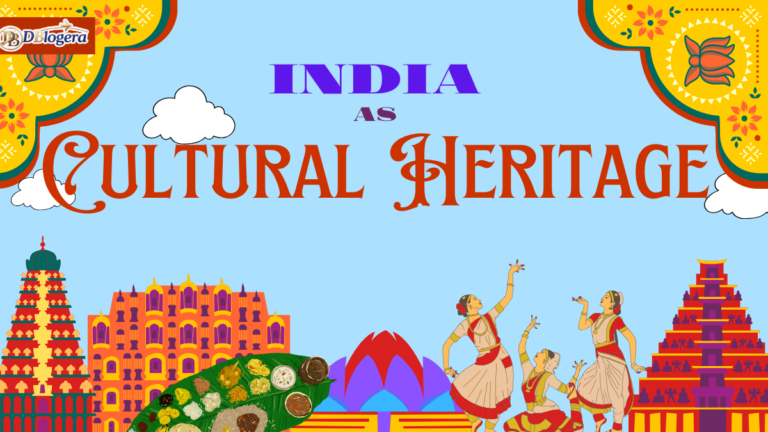
India is widely regarded as one of the world’s richest civilizations, with a cultural history spanning thousands of years. From ancient temples and royal palaces to vibrant festivals and traditional arts, India as cultural heritage represents a living mosaic of traditions, beliefs, and artistic expressions that have evolved across generations. The country’s heritage reflects the influences of numerous dynasties, religions, and communities that have contributed to shaping its identity.

India is home to dozens of globally recognized heritage sites and cultural traditions that reflect its historical significance and diversity. The nation currently has over 40 UNESCO World Heritage Sites, including cultural monuments, natural landscapes, and mixed heritage properties that showcase its long-standing civilization.

Beyond monuments, India’s cultural heritage also includes languages, crafts, cuisines, festivals, and performing arts that continue to thrive in everyday life. This article examines the cultural heritage of India, highlighting its historical landmarks, traditions, and global influence.

Understanding the Concept of Cultural Heritage in India

Cultural heritage refers to the traditions, monuments, artifacts, and values that societies inherit from past generations and preserve for the future. In India, cultural heritage goes beyond historical structures; it includes intangible traditions such as music, rituals, crafts, language, and community practices.

India’s cultural heritage reflects the country’s philosophy of “Unity in Diversity.” The Constitution of India recognizes the importance of protecting linguistic, cultural, and religious traditions across regions.

Because of its ancient history and social diversity, India’s heritage represents a combination of multiple civilizations, including the Indus Valley civilization, Mauryan Empire, Gupta period, Mughal era, and colonial influences. These cultural layers continue to shape modern Indian society.

Key Elements of Cultural Heritage in India

  • Historical monuments and architecture
  • Traditional arts and crafts
  • Festivals and religious traditions
  • Languages and literature
  • Folk music and dance
  • Culinary traditions
  • Indigenous knowledge systems

Together, these elements create a cultural identity that connects India’s past with its present and future.

Historical Foundations of India’s Cultural Heritage

India’s cultural heritage is deeply rooted in its long and complex history. From prehistoric settlements to ancient kingdoms and medieval empires, each era has contributed unique traditions, art forms, and architectural styles.

One of the earliest examples of India’s cultural heritage can be seen in the prehistoric rock paintings of Bhimbetka, which date back thousands of years and illustrate early human life, rituals, and wildlife.

Over centuries, powerful dynasties such as the Mauryas, Guptas, Cholas, Mughals, and Rajputs shaped India’s architecture, literature, and cultural practices. Temples, forts, palaces, and cities built during these periods continue to stand as symbols of India’s historical and cultural achievements.

Major Historical Periods Influencing Indian Cultural Heritage

1. Ancient Civilization

  • Indus Valley civilization urban planning
  • Early Vedic culture and traditions
  • Development of Sanskrit literature and philosophy

2. Classical Period

  • Gupta period advancements in science and art
  • Development of temple architecture
  • Rise of classical dance and music forms

3. Medieval Era

  • Mughal architecture, such as domes and gardens
  • Development of miniature paintings
  • Growth of Sufi and Bhakti traditions

4. Colonial Period

  • Introduction of Indo-European architecture
  • Modern educational and literary institutions
  • Cultural reform movements

These historical layers form the foundation of India as cultural heritage.

UNESCO World Heritage Sites in India

India’s cultural significance is globally recognized through numerous UNESCO World Heritage Sites. These sites represent outstanding examples of architecture, art, and historical importance that belong to humanity’s shared heritage.

India currently has 42 UNESCO World Heritage Sites, including cultural, natural, and mixed categories.

These sites illustrate India’s artistic brilliance, spiritual traditions, and engineering achievements throughout history.

Important UNESCO Cultural Heritage Sites

Ellora Caves

The Ellora Caves in Maharashtra are among the largest rock-cut temple complexes in the world, built between the 6th and 10th centuries. The caves include Hindu, Buddhist, and Jain monuments carved from basalt cliffs, demonstrating remarkable craftsmanship and religious harmony.

Hill Forts of Rajasthan

The Hill Forts of Rajasthan represent a network of six Rajput forts built between the 5th and 18th centuries. These forts were designed for defense and royal residence and reflect the military and architectural ingenuity of Rajput rulers.

Champaner-Pavagadh Archaeological Park

Located in Gujarat, this heritage park includes forts, temples, mosques, and stepwells that illustrate the transition between Hindu and Islamic architecture in medieval India.

Sacred Ensembles of the Hoysalas

The Hoysala temples in Karnataka are renowned for their intricate stone carvings and unique star-shaped architecture developed during the 12th and 13th centuries.

Maratha Military Landscapes

A group of historic forts developed between the 17th and 19th centuries showcases the military and administrative systems of the Maratha Empire.

These heritage sites represent the architectural diversity and historical legacy that define India as cultural heritage.

Intangible Cultural Heritage of India

While monuments represent tangible heritage, India is equally famous for its intangible cultural heritage, which includes traditions, rituals, and performing arts passed from one generation to another.

These living traditions shape everyday life in India and strengthen cultural identity. They are often celebrated through festivals, performances, and community gatherings.

Examples of India’s Intangible Cultural Heritage

Performing Arts

  • Classical dances such as Bharatanatyam, Kathak, Odissi, and Kathakali
  • Traditional theatre forms like Ramlila
  • Folk music traditions across regions

Festivals and Rituals

  • Diwali – Festival of Lights
  • Holi – Festival of colors
  • Durga Puja celebrations
  • Kumbh Mela spiritual gathering

Traditional Crafts

  • Handloom weaving
  • Terracotta pottery
  • Metal craft and jewelry making
  • Block printing and textile arts

Yoga and Spiritual Practices

India is also the birthplace of Yoga, which has become a global wellness practice and reflects the spiritual dimension of Indian heritage.

These traditions represent the living aspect of India as cultural heritage, making culture part of everyday life.

H2: Diversity of Languages and Literature

India’s linguistic diversity is one of the most remarkable aspects of its cultural heritage. The country has hundreds of languages and dialects, each representing unique literary traditions and cultural identities.

Indian literature dates back thousands of years and includes sacred texts, philosophical works, poetry, and modern novels. Ancient Sanskrit epics such as the Ramayana and Mahabharata remain influential in Indian culture and storytelling.

Major Literary Traditions in India

Classical Literature

  • Vedas and Upanishads
  • Ramayana and Mahabharata
  • Sanskrit drama and poetry

Regional Literature

  • Bengali literature and Tagore’s works
  • Tamil Sangam poetry
  • Hindi and Urdu poetry

Modern Literature

  • Post-independence novels and essays
  • Contemporary Indian English literature
  • Regional storytelling traditions

Language and literature preserve India’s values, philosophy, and cultural memory across generations.

H2: Traditional Arts and Crafts of India

India’s artistic heritage is reflected in its diverse crafts and handmade traditions. Many of these art forms have been practiced for centuries and continue to support rural economies and cultural identity.

Traditional crafts are often associated with particular regions and communities, making them an essential part of India’s cultural landscape.

Famous Indian Art and Craft Traditions

Textile Arts

  • Banarasi silk weaving
  • Kanchipuram silk sarees
  • Bandhani tie-dye textiles

Painting Traditions

  • Madhubani painting from Bihar
  • Warli tribal art from Maharashtra
  • Pattachitra paintings from Odisha

Sculpture and Handicrafts

  • Stone carvings
  • Wood carving
  • Brass and metal crafts

These art forms reflect India’s creativity and craftsmanship, making them a vital component of India as cultural heritage.

Festivals and Cultural Celebrations

Festivals are among the most vibrant expressions of Indian cultural heritage. Each region celebrates unique festivals that reflect religious beliefs, seasonal cycles, and local traditions.

India’s festivals bring communities together and showcase traditional music, dance, food, and rituals.

Major Festivals Celebrated Across India

Religious Festivals

  • Diwali – Celebrating the victory of light over darkness
  • Eid – Celebrated by Muslim communities
  • Christmas – Celebrated by Christians

Cultural Festivals

  • Durga Puja in West Bengal
  • Navratri and Garba in Gujarat
  • Onam in Kerala

Seasonal Festivals

  • Baisakhi harvest festival
  • Pongal in Tamil Nadu
  • Lohri in Punjab

These celebrations strengthen social bonds and highlight the diversity of Indian culture.


H2: Indian Cuisine as Cultural Heritage

Indian cuisine is another important dimension of the country’s cultural heritage. Each region has distinct flavors, cooking methods, and ingredients that reflect local traditions and geography.

Food in India is deeply connected to festivals, religious customs, and community traditions.

Regional Culinary Traditions

North India

  • Rich gravies and tandoori dishes
  • Wheat-based breads like naan and roti

South India

  • Rice-based meals
  • Coconut and spice-rich curries

East India

  • Seafood dishes
  • Rice and mustard-based cuisine

West India

  • Gujarati vegetarian dishes
  • Maharashtrian coastal cuisine

Indian cuisine represents centuries of cultural exchange and culinary innovation.

H2: Cultural Heritage Tourism in India

Cultural tourism is one of the most important means by which travelers experience India’s heritage. Historical monuments, pilgrimage centers, and cultural festivals attract millions of visitors every year.

Many famous heritage sites receive large numbers of domestic and international tourists due to their architectural beauty and historical significance.

Popular Cultural Heritage Destinations in India

  • Agra – Taj Mahal and Mughal heritage
  • Jaipur – Royal palaces and forts
  • Varanasi – Spiritual traditions on the Ganges
  • Hampi – Ancient Vijayanagara ruins
  • Mahabalipuram – Temple architecture

Cultural tourism not only preserves heritage but also contributes to local economies.

H2: Preservation and Conservation of Cultural Heritage

Protecting cultural heritage is essential for maintaining historical identity and passing traditions to future generations. Governments, organizations, and communities play a crucial role in preserving heritage sites and traditions.

Conservation efforts include restoring monuments, documenting traditions, and promoting cultural education.

Major Heritage Preservation Efforts

  • Archaeological Survey of India conservation programs
  • UNESCO World Heritage recognition
  • Community-based preservation initiatives
  • Cultural festivals and museums

Technology and digital archives are also helping document and protect India’s cultural heritage.

H2: Why India is Known as a Global Cultural Heritage Hub

India’s cultural richness, diversity, and historical continuity make it one of the world’s most significant heritage destinations.

The country’s heritage reflects centuries of artistic innovation, spiritual traditions, and social diversity that continue to influence global culture.

Reasons India is Recognized as a Cultural Heritage

  • One of the world’s oldest civilizations
  • Diverse traditions across regions
  • Large number of heritage monuments
  • Vibrant festivals and living traditions
  • Global influence of yoga, cuisine, and philosophy

India’s cultural heritage represents a timeless connection between history, tradition, and modern life.

H2: Conclusion

India’s cultural heritage is a remarkable blend of history, traditions, and living practices that have evolved over thousands of years. From ancient cave paintings and magnificent temples to vibrant festivals and culinary traditions, every aspect of Indian life reflects its deep cultural roots.

The concept of India as cultural heritage highlights how the country preserves its past while continuing to innovate and adapt to modern times. Its monuments, languages, art forms, and spiritual traditions together create a cultural landscape unlike any other in the world.

As globalization continues to reshape societies, protecting and celebrating India’s heritage remains essential. By preserving these traditions and monuments, India ensures that future generations can continue to experience the richness of its cultural legacy.

FAQs (SEO Optimized)

1. Why is India considered a cultural heritage country?

India is considered a cultural heritage country because of its ancient civilizations, diverse traditions, historic monuments, and vibrant cultural practices that span thousands of years.

2. How many UNESCO World Heritage Sites are there in India?

India has 42 UNESCO World Heritage Sites, including cultural, natural, and mixed heritage locations.

3. What are examples of cultural heritage in India?

Examples include the Taj Mahal, Ellora Caves, traditional dances, festivals like Diwali, and crafts such as Madhubani painting.

4. What is intangible cultural heritage in India?

Intangible heritage includes traditions such as classical music, dance, festivals, rituals, and crafts that are passed down through generations.

5. How does India preserve its cultural heritage?

India preserves its heritage through conservation programs, UNESCO recognition, museums, cultural festivals, and educational initiatives.

6. Why is cultural heritage important for tourism in India?

Cultural heritage attracts millions of visitors who come to experience historical monuments, festivals, and traditions, contributing significantly to tourism and local economies.

Also, give a read:
15 Best Mountain Destinations in India
The Budget Fashion Tips for 2026 Brides
Top Indian Devotional Destinations to Visit in 2026

Follow us on:
Facebook
Instagram
Pinterest

The Budget Fashion Tips for 2026 Brides – Look Stunning Without Overspending

Weddings in India are grand celebrations filled with rituals, vibrant colors, and multiple ceremonies. However, with rising wedding costs, brides today are becoming smarter about how they spend on fashion. The modern bride in 2026 is focused on style, sustainability, and budget-conscious choices rather than splurging on designer outfits that might be worn only once.

Fortunately, looking stunning on your big day doesn’t necessarily mean spending lakhs on bridal wear. With smart planning, thoughtful styling, and creative shopping strategies, brides can curate a gorgeous wedding wardrobe while staying within a budget.

This guide on Budget Fashion Tips for 2026 Brides will walk you through everything you need to know — from choosing outfits for different wedding functions to selecting dresses based on wedding season, venue, cultural traditions, and time of day. You will also discover practical tips like renting bridal outfits, mixing designer pieces with affordable fashion, and reusing heirloom garments.

Whether you are planning a traditional Indian wedding, a modern minimal ceremony, or a destination celebration, these budget-friendly fashion strategies will help you achieve a dreamy bridal look without financial stress.

Why Budget Bridal Fashion is Trending in 2026

Bridal fashion trends are evolving rapidly, and 2026 brides are embracing a smarter and more conscious approach to wedding fashion. Instead of spending excessively on designer labels, many brides are focusing on value, versatility, and sustainability. Social media, fashion influencers, and sustainable fashion movements have also encouraged brides to rethink how they invest in their wedding wardrobe.

Budget bridal fashion doesn’t mean compromising on elegance. In fact, many affordable brands today offer stunning bridal collections inspired by luxury couture. Brides are also exploring options like outfit rentals, custom tailoring, and mix-and-match styling to achieve a premium look at a fraction of the cost.

Another major shift is the emphasis on reusable bridal outfits. Brides now prefer ensembles that can be styled differently and worn again at festivals or family events.

Key Reasons Budget Bridal Fashion is Popular

  • Rising wedding expenses across venues, catering, and décor
  • Increased availability of affordable designer-inspired bridal wear
  • The sustainable fashion movement encourages outfit reuse
  • Popularity of bridal outfit rentals
  • Influence of minimal and intimate wedding trends
  • Greater awareness of smart shopping strategies
  • Brides prioritizing experiences over excessive spending

Planning Your Wedding Outfit Budget Wisely

Before buying any bridal outfits, it’s important to set a clear fashion budget. Many brides unknowingly overspend because they purchase outfits impulsively without a proper plan. A well-structured fashion budget allows you to distribute expenses across different ceremonies while ensuring you still achieve your dream bridal look.

Start by identifying how many wedding events you will have. Traditional Indian weddings usually include ceremonies like Haldi, Mehendi, Sangeet, Wedding, and Reception. Each event requires a different outfit, but that doesn’t mean each outfit needs to be expensive.

You can allocate a larger portion of your budget to the main wedding attire while keeping other outfits simpler yet stylish.

Smart Budget Allocation Tips

  • Allocate 40–50% of the budget to the main bridal outfit
  • Keep Mehendi and Haldi outfits affordable and lightweight
  • Consider renting heavy outfits for Sangeet or Reception
  • Set aside funds for accessories and footwear
  • Plan makeup and hairstyling costs separately
  • Look for festive sales and bridal discounts
  • Avoid last-minute purchases that inflate costs

Budget Bridal Outfit Ideas for Different Wedding Functions

Indian weddings are multi-day celebrations, and each ceremony has its own dress code. Instead of purchasing expensive outfits for every event, brides can creatively plan stylish yet affordable looks for each function.

Choosing outfits that align with the mood and rituals of each ceremony will help maintain authenticity while allowing you to control costs effectively.

Mehendi Ceremony Outfit Ideas

The Mehendi ceremony is lively, colorful, and filled with music and laughter. Since this function involves sitting for long hours while henna is applied, brides should prioritize comfort and light fabrics over heavy embroidery.

Rather than investing in a heavy designer lehenga, you can opt for bright Indo-western outfits or flowy skirts paired with stylish blouses.

Budget Mehendi Outfit Ideas

  • Floral lehengas with lightweight embroidery
  • Mirror work skirts with crop tops
  • Anarkali suits in vibrant colors
  • Indo-western co-ord sets
  • Sharara sets with minimal embroidery
  • Sustainable outfits made from organic fabrics

Haldi Ceremony Outfit Ideas

Haldi ceremonies are playful and messy, which means spending heavily on this outfit isn’t necessary. Many brides choose simple yellow or pastel outfits that can easily be cleaned or reused later.

Natural fabrics like cotton, linen, or chiffon work best for Haldi ceremonies.

Budget Haldi Outfit Ideas

  • Yellow cotton lehenga with dupatta
  • Floral printed saree
  • Simple sharara set
  • Short kurti with skirt
  • Lightweight anarkali suit
  • DIY floral jewelry to enhance the look

Sangeet Ceremony Outfit Ideas

The Sangeet ceremony is all about dance, music, and celebration. Brides often choose glamorous outfits for this event, but you don’t necessarily need a high-end designer ensemble to shine.

Instead, focus on trendy silhouettes and statement styling.

Budget Sangeet Outfit Ideas

  • Sequin lehenga from affordable brands
  • Indo-western gown
  • Fusion saree with belt
  • Cape lehenga sets
  • Pre-draped sarees
  • Renting designer outfits for the event

Wedding Day Bridal Outfit Ideas

The wedding outfit is the most significant attire for any bride. Traditionally, brides opt for elaborate lehengas or sarees featuring rich embroidery and luxurious fabrics.

However, brides on a budget can still achieve a royal look by exploring smart alternatives.

Budget Wedding Outfit Tips

  • Choose minimal embroidery lehengas with rich fabrics
  • Shop from local bridal markets instead of luxury boutiques
  • Rent designer bridal lehengas
  • Buy pre-loved bridal outfits
  • Mix heirloom jewelry with modern attire
  • Consider lightweight silk sarees as bridal wear

Reception Outfit Ideas

Reception outfits are typically glamorous and modern, making them a great opportunity to experiment with different styles.

Instead of another expensive lehenga, brides can opt for elegant gowns or contemporary fusion outfits.

Budget Reception Outfit Options

  • Floor-length evening gowns
  • Satin or velvet sarees
  • Indo-western lehengas
  • Tailored pant-suit sets
  • Designer rental gowns

Choosing Bridal Outfits Based on Wedding Season

India experiences diverse climates, so selecting bridal outfits according to the wedding season is crucial. The right fabrics, colors, and silhouettes will not only enhance your comfort but also elevate your overall bridal look.

Seasonal outfit planning also helps avoid unnecessary spending on heavy fabrics that might feel uncomfortable in certain weather conditions.

Summer Wedding Outfit Tips

Summer weddings require breathable fabrics and lightweight embroidery to keep brides comfortable throughout the ceremony.

Best Budget Fabrics for Summer Weddings

  • Chiffon
  • Organza
  • Cotton silk
  • Georgette
  • Linen blends

Summer Bridal Fashion Tips

  • Choose pastel color palettes
  • Avoid heavy velvet or brocade fabrics
  • Opt for lightweight jewelry
  • Select minimal embroidery

Winter Wedding Outfit Tips

Winter weddings allow brides to experiment with luxurious fabrics and deeper color palettes.

Best Fabrics for Winter Weddings

  • Velvet
  • Silk
  • Brocade
  • Raw silk

Winter Bridal Fashion Tips

  • Layer outfits with stylish shawls
  • Choose darker jewel tones
  • Wear statement jewelry
  • Consider long-sleeve blouses

Monsoon Wedding Outfit Tips

Monsoon weddings require practical styling choices to avoid discomfort due to humidity or unexpected rain.

Monsoon Bridal Fashion Tips

  • Choose lightweight fabrics
  • Avoid long trailing lehengas
  • Opt for waterproof makeup
  • Wear comfortable footwear

Selecting Outfits Based on Wedding Time

The time of day when your wedding takes place can greatly influence your bridal outfit choices. Lighting conditions, venue ambiance, and photography aesthetics all play a role in determining the most suitable colors and fabrics.

Day weddings often feature soft natural lighting, making pastel shades and minimal embroidery look elegant. In contrast, evening weddings allow brides to wear darker hues, metallic accents, and glamorous embellishments that stand out under artificial lighting.

By aligning your outfit choices with the wedding schedule, you can achieve a balanced look while avoiding unnecessary expenses on heavy designs that might not suit the event’s atmosphere.

Day Wedding Fashion Tips

  • Choose pastel shades like peach, mint, or powder blue
  • Prefer lightweight embroidery
  • Select floral or minimal jewelry
  • Opt for breathable fabrics like organza or chiffon

Evening Wedding Fashion Tips

  • Choose deep colors like maroon, emerald, navy, or wine
  • Wear statement jewelry pieces
  • Opt for richer fabrics such as velvet or silk
  • Consider dramatic dupatta draping styles

Budget-Friendly Bridal Shopping Destinations in India

India is home to numerous wedding shopping destinations where brides can find stunning outfits at affordable prices. From bustling street markets to wholesale bridal hubs, there are endless options for brides who want designer-inspired outfits without spending excessively.

These markets offer a wide variety of lehengas, sarees, gowns, and accessories at competitive prices. Many boutiques also provide customization services, allowing brides to tailor their outfits according to personal preferences and budgets.

Popular Budget Bridal Shopping Markets

  • Chandni Chowk (Delhi)
  • Lajpat Nagar Market (Delhi)
  • Commercial Street (Bangalore)
  • Johari Bazaar (Jaipur)
  • Crawford Market (Mumbai)
  • Charminar Market (Hyderabad)

Smart Styling Tricks to Make Budget Outfits Look Expensive

A bridal outfit doesn’t have to be extremely expensive to look luxurious. With the right styling techniques, even a modestly priced ensemble can appear elegant and designer-inspired.

Accessories, makeup, hairstyle, and dupatta draping all play a major role in elevating the final bridal look. Brides who invest wisely in styling elements often achieve a premium appearance without overspending on clothing.

Budget Styling Hacks

  • Invest in statement jewelry pieces
  • Experiment with creative dupatta draping styles
  • Choose professional bridal makeup
  • Use embellished belts for sarees or lehengas
  • Style hair with floral accessories
  • Pair outfits with elegant footwear

Sustainable and Reusable Bridal Fashion Ideas

Sustainability has become a major focus in the fashion industry, and bridal fashion is no exception. Many brides are now choosing eco-friendly wedding outfits that can be reused or repurposed after the ceremony.

Sustainable bridal fashion focuses on minimizing waste while maximizing versatility. Instead of purchasing multiple heavy outfits, brides can invest in timeless designs that can be restyled for future occasions.

Sustainable Bridal Fashion Tips

  • Rent bridal outfits instead of purchasing
  • Repurpose family heirloom sarees
  • Choose versatile lehengas that can be restyled
  • Support sustainable fashion brands
  • Donate or resell wedding outfits

Common Budget Bridal Fashion Mistakes to Avoid

Even with careful planning, brides sometimes make mistakes that lead to unnecessary expenses. Understanding these common pitfalls can help brides manage their fashion budgets effectively while still achieving their dream wedding look.

Impulse buying, over-customization, and ignoring comfort are some of the most frequent mistakes brides make while shopping for wedding outfits.

Mistakes to Avoid

  • Buying outfits without a clear wedding plan
  • Overspending on designer labels
  • Ignoring comfort and practicality
  • Purchasing too many outfits unnecessarily
  • Forgetting to budget for accessories and alterations

Final Thoughts

Planning bridal fashion on a budget doesn’t mean compromising on style or elegance. With the right approach, brides can create stunning wedding looks that reflect their personality, culture, and wedding theme while staying within financial limits.

The key is to prioritize smart shopping, versatile outfits, and thoughtful styling. By considering factors such as wedding season, ceremony type, venue, and time of day, brides can make informed fashion decisions that enhance both comfort and aesthetics.

In 2026, the modern bride is confident, conscious, and creative. She understands that true bridal beauty lies not in the price of the outfit but in how gracefully it is styled and worn.

By following these Budget Fashion Tips for 2026 Brides, you can walk down the aisle looking radiant, stylish, and completely stress-free about your wedding wardrobe.

FAQs 

1. How can brides plan wedding outfits on a budget?

Brides can plan wedding outfits on a budget by allocating their fashion budget wisely across all ceremonies, prioritizing the main wedding outfit, and choosing affordable alternatives for other events like Mehendi and Haldi. Renting designer outfits, shopping during festive sales, exploring local bridal markets, and reusing family heirloom garments are effective ways to reduce costs without compromising style.

2. What is the average budget for bridal outfits in India?

The average budget for bridal outfits in India typically ranges between ₹40,000 and ₹2,00,000 depending on the wedding scale. Budget-conscious brides often spend around ₹50,000–₹80,000 by purchasing a primary bridal outfit and choosing affordable options for other wedding ceremonies.

3. Where can brides buy affordable bridal lehengas in India?

Brides looking for affordable bridal lehengas can explore popular markets such as Chandni Chowk in Delhi, Johari Bazaar in Jaipur, Lajpat Nagar Market in Delhi, Crawford Market in Mumbai, and Commercial Street in Bangalore. These markets offer designer-inspired bridal outfits at much lower prices.

4. Is renting bridal outfits a good option?

Yes, renting bridal outfits is an excellent option for brides who want to wear designer ensembles without spending a large amount of money. Rental platforms allow brides to wear premium designer outfits for a fraction of the purchase cost, making it a budget-friendly and sustainable choice.

5. How can brides make affordable wedding outfits look expensive?

Affordable wedding outfits can look luxurious with the right styling. Brides can elevate their look by investing in statement jewelry, experimenting with elegant dupatta draping styles, choosing professional makeup and hairstyling, and selecting high-quality fabrics even if the embroidery is minimal.

6. Which fabrics are best for budget bridal outfits?

Some of the best fabrics for budget bridal outfits include georgette, chiffon, organza, cotton silk, and raw silk. These fabrics provide an elegant appearance while being more affordable than heavily embroidered designer fabrics.

7. What are the biggest bridal fashion trends for 2026?

The biggest bridal fashion trends for 2026 include sustainable bridal wear, pastel bridal lehengas, lightweight embroidery, rental bridal outfits, mix-and-match bridal styling, and minimalistic bridal fashion inspired by modern elegance.

Also, give a read:
15 Best Mountain Destinations in India
Top Indian Devotional Destinations to Visit in 2026

Follow us on:
Facebook
Instagram
Pinterest

Indian Devotional Destinations – A Complete Guide to Sacred Travel in India

India is known as the land of spirituality, faith, and ancient traditions. For centuries, people from across the world have visited India in search of divine blessings, inner peace, and spiritual awakening. From magnificent temples and sacred rivers to revered gurudwaras and historic mosques, the country is home to countless pilgrimage sites that hold deep religious significance.

Indian devotional destinations are not just places of worship—they represent centuries of culture, mythology, architecture, and spiritual heritage. Each site tells a story rooted in ancient scriptures, legends, and devotion. Whether it is witnessing the Ganga Aarti in Varanasi, walking the sacred paths of Kedarnath, or experiencing the peaceful atmosphere of the Golden Temple, every pilgrimage becomes a transformative journey.

In this comprehensive guide, we explore the most important Indian devotional destinations, including their religious importance, best time to visit, travel tips, and practical planning advice.

Why India is Famous for Devotional Tourism

India’s spiritual landscape is incredibly diverse. With major religions such as Hinduism, Buddhism, Sikhism, Islam, and Jainism flourishing here, the country offers an extraordinary variety of devotional destinations.

Every region of India holds sacred places where pilgrims gather for prayer, meditation, and rituals. Many of these sites are mentioned in ancient scriptures such as the Vedas, Puranas, and Buddhist texts.

Key Reasons India Attracts Devotional Travelers

  • Thousands of ancient temples and religious monuments
  • Sacred rivers like the Ganga, the Yamuna, and the Godavari
  • Historic pilgrimage circuits such as Char Dham and Jyotirlinga
  • Spiritual festivals and religious gatherings
  • Meditation and yoga retreats
  • Cultural heritage and mythological significance

Devotional tourism in India continues to grow as travelers seek meaningful experiences beyond traditional sightseeing.

Top Indian Devotional Destinations to Visit

India has hundreds of pilgrimage sites, but some stand out due to their historical importance, architectural beauty, and deep spiritual influence. Below are some of the most famous devotional destinations in the country.

Varanasi – The Spiritual Capital of India

Varanasi is one of the oldest continuously inhabited cities in the world and a sacred destination for Hindus. Situated on the banks of the Ganges River, this ancient city is believed to grant liberation (moksha) to those who die here.

The city’s spiritual atmosphere is unmatched. Pilgrims visit to take a holy dip in the Ganga, perform ancestral rituals, and attend the mesmerizing Ganga Aarti ceremony held every evening.

Highlights of Varanasi

  • Kashi Vishwanath Temple – One of the twelve Jyotirlingas
  • Dashashwamedh Ghat – Famous for Ganga Aarti
  • Manikarnika Ghat – Sacred cremation site
  • Sarnath – Important Buddhist pilgrimage site
  • Boat ride on the Ganges at sunrise

Best Time to Visit

  • October to March for pleasant weather.

Travel Tips

  • Visit the ghats early morning for the most spiritual experience.
  • Respect local customs and dress modestly.
  • Book accommodations near the ghats for easy access.

Here’s the Complete Varanasi Travel Guide 2026

Tirupati – Home of Lord Venkateswara

Tirupati in Andhra Pradesh is one of the richest and most visited temples in the world. The Tirumala Venkateswara Temple attracts millions of devotees every year who come seeking blessings from Lord Balaji.

The temple stands atop the Tirumala Hills and offers a deeply spiritual environment surrounded by lush forests.

Highlights of Tirupati

  • Tirumala Venkateswara Temple
  • Srivari Mettu Pilgrim Path
  • Akasa Ganga Waterfall
  • Sri Padmavathi Ammavari Temple
  • Laddu Prasadam (famous temple offering)

Best Time to Visit

  • September to February.

Travel Tips

  • Book darshan tickets in advance online.
  • Early morning darshan offers a peaceful experience.
  • Avoid peak festival days if you want shorter waiting times.

Kedarnath – Sacred Himalayan Pilgrimage

Located in the Garhwal Himalayas, Kedarnath is one of the most revered temples dedicated to Lord Shiva. It is also part of the Char Dham pilgrimage circuit.

The temple sits at an altitude of over 3,500 meters and is surrounded by snow-covered peaks, creating a divine and awe-inspiring environment.

Highlights of Kedarnath

  • Kedarnath Temple (Jyotirlinga)
  • Bhairavnath Temple
  • Vasuki Tal Lake
  • Trekking route from Gaurikund
  • Scenic Himalayan landscapes

Best Time to Visit

  • May to June
  • September to October

Travel Tips

  • Prepare for high-altitude weather conditions.
  • Carry warm clothing even during summer.
  • Book helicopter services if you cannot trek.

Amritsar – The Golden Temple

Amritsar in Punjab is home to the Golden Temple, the holiest shrine of Sikhism. Known for its golden façade and peaceful surroundings, the temple welcomes visitors from all religions.

The spiritual atmosphere, combined with community service and the famous Langar (free meal), makes it a truly unique devotional destination.

Highlights of Amritsar

  • Harmandir Sahib (Golden Temple)
  • Akal Takht
  • Jallianwala Bagh Memorial
  • Wagah Border Ceremony
  • Guru Ka Langar

Best Time to Visit

  • October to March.

Travel Tips

  • Cover your head when entering the temple.
  • Remove shoes before entering the premises.
  • Participate in Langar to experience Sikh hospitality.

Rameswaram – Sacred Island Pilgrimage

Rameswaram is one of the holiest Hindu pilgrimage destinations located in Tamil Nadu. It is closely associated with the Ramayana and is believed to be the place where Lord Rama built a bridge to Lanka.

The Ramanathaswamy Temple here is famous for its magnificent corridors and sacred water tanks.

Highlights of Rameswaram

  • Ramanathaswamy Temple
  • Agni Theertham Beach
  • Pamban Bridge
  • Dhanushkodi Ghost Town
  • 22 Holy Temple Wells

Best Time to Visit

  • October to April.

Travel Tips

  • Perform the ritual bath in the temple wells early in the morning.
  • Combine the trip with Madurai and Kanyakumari.
  • Hire a local guide to understand temple rituals.

Bodh Gaya – Birthplace of Buddhist Enlightenment

Bodh Gaya in Bihar is the most important pilgrimage site for Buddhists worldwide. It is the place where Gautama Buddha attained enlightenment under the Bodhi Tree.

The Mahabodhi Temple complex is a UNESCO World Heritage Site and attracts monks and pilgrims from many countries.

Highlights of Bodh Gaya

  • Mahabodhi Templ
  • Bodhi Tree
  • Great Buddha Statue
  • International monasteries
  • Meditation centers

Best Time to Visit

  • October to March.

Travel Tips

  • Attend meditation sessions for spiritual experience.
  • Explore monasteries built by different countries
  • Visit during the Buddha Purnima festival.

Shirdi – Devotion to Sai Baba

Shirdi in Maharashtra is the sacred town associated with Sai Baba, a revered spiritual saint known for preaching love, equality, and compassion.

The Sai Baba Samadhi Temple receives millions of devotees every year seeking blessings and guidance.

Highlights of Shirdi

  • Sai Baba Samadhi Temple
  • Dwarkamai Mosque
  • Chavadi
  • Shani Shingnapur nearby
  • Sai Heritage Village

Best Time to Visit

  • August to March.

Travel Tips

  • Book VIP darshan passes online.
  • Avoid weekends for shorter queues.
  • Stay near the temple complex.

Jagannath Puri – One of the Char Dham

Jagannath Puri in Odisha is one of the four sacred Char Dham pilgrimage sites in Hinduism. The Jagannath Temple is dedicated to Lord Jagannath, a form of Lord Krishna.

The temple is famous for the grand Rath Yatra festival, where massive chariots carry the deities through the streets. The Indian Devotional Destinations list stays incomplete without Jagannath Puri.

Highlights of Puri

  • Jagannath Temple
  • Rath Yatra Festival
  • Puri Beach
  • Gundicha Temple
  • Chilika Lake nearby

Best Time to Visit

  • October to February.

Travel Tips

  • Visit during the Rath Yatra for a cultural experience.
  • Respect temple entry rules.
  • Try the Mahaprasad offered at the temple.

Best Time to Plan Devotional Travel in India

The ideal time to visit Indian devotional destinations depends on the region and climate.

Seasonal Guide

Winter (October–March)
Best for most pilgrimage destinations across India.

Summer (April–June)
Ideal for Himalayan pilgrimage sites like Kedarnath and Badrinath.

Monsoon (July–September)
Less crowded, but travel may be challenging in some areas.

Planning your trip according to weather conditions ensures a comfortable and safe pilgrimage.

Essential Tips for Planning Devotional Travel in India

Traveling to sacred places requires preparation, respect for traditions, and awareness of local customs.

Important Planning Tips:

Research Religious Practices

  • Understand temple rituals and customs before visiting.

Dress Modestly

  • Wear respectful clothing suitable for religious environments.

Book Accommodation Early

  • Pilgrimage towns can get crowded during festivals.

Follow Temple Rules

  • Photography and mobile phone usage may be restricted.

Travel Insurance

  • Recommended for high-altitude or remote destinations.

Popular Devotional Circuits in India

Many pilgrimage routes in India connect multiple sacred destinations, making spiritual journeys more meaningful.

Famous Pilgrimage Circuits

Char Dham Yatra

  • Badrinath
  • Kedarnath
  • Gangotri
  • Yamunotri

Jyotirlinga Circuit

  • 12 sacred Shiva temples across India

Buddhist Circuit

  • Lumbini
  • Bodh Gaya
  • Sarnath
  • Kushinagar

Shakti Peetha Circuit

  • Sacred temples dedicated to Goddess Shakti.

These circuits attract millions of devotees each year.

Cultural Experiences at Devotional Destinations

When thinking about the Indian Devotional Destinations, India offers more than religious visits. Travelers experience vibrant culture, festivals, and traditions.

Cultural Experiences

  • Temple festivals and processions
  • Traditional music and devotional chants
  • Community meals and charity services
  • Spiritual discourses and meditation sessions
  • Religious fairs and gatherings

These experiences allow travelers to understand India’s deep spiritual heritage.

Sustainable and Responsible Pilgrimage Travel

As devotional tourism grows, responsible travel becomes important to preserve sacred environments.

Responsible Travel Practices

  • Avoid littering in temple areas
  • Respect local traditions and communities
  • Support local artisans and businesses
  • Use eco-friendly travel options
  • Follow the guidelines at heritage sites

Responsible tourism ensures that sacred destinations remain preserved for future generations.

Final Thoughts on Indian Devotional Destinations

Indian devotional destinations offer travelers a unique opportunity to explore spirituality, culture, and history. From the sacred ghats of Varanasi to the serene monasteries of Bodh Gaya, every pilgrimage site provides a deeper understanding of faith and devotion.

Whether you are a spiritual seeker, cultural explorer, or curious traveler, visiting these sacred destinations can be a life-changing experience. The blend of ancient traditions, architectural marvels, and heartfelt devotion makes India one of the world’s most powerful spiritual travel destinations.

Planning your journey thoughtfully will allow you to fully immerse yourself in the divine energy and cultural richness of these holy places.

Most Frequently Asked Questions

1. What are the most popular Indian devotional destinations?

Some of the most popular Indian devotional destinations include Varanasi, Tirupati, Kedarnath, Rameswaram, Amritsar, Bodh Gaya, Shirdi, and Jagannath Puri. These places attract millions of pilgrims every year due to their religious significance and spiritual atmosphere.

2. Which is the most visited pilgrimage site in India?

Tirupati Balaji Temple in Andhra Pradesh is considered one of the most visited pilgrimage sites in India and the world. Millions of devotees visit the temple annually to seek blessings from Lord Venkateswara.

3. When is the best time to visit devotional destinations in India?

The best time to visit devotional destinations in India is during the winter months from October to March when the weather is pleasant. Himalayan pilgrimage sites are best visited between May and October.

4. What should travelers keep in mind while visiting religious places in India?

Visitors should dress modestly, respect temple customs, remove shoes before entering religious places, and follow photography restrictions where applicable. Planning accommodations and travel in advance is also recommended.

5. Are there pilgrimage circuits in India?

Yes, India has several famous pilgrimage circuits such as the Char Dham Yatra, Jyotirlinga circuit, Buddhist circuit, and Shakti Peetha circuit. These routes connect multiple sacred destinations and are highly popular among devotees.

6. Can international travelers visit Indian devotional destinations?

Yes, international travelers are welcome to visit most devotional destinations in India. Many sites like the Golden Temple and Bodh Gaya attract visitors from around the world who seek spiritual experiences and cultural exploration.

Also, give a read:
15 Best Mountain Destinations in India
10 Best Indian Desert Destinations

Follow us on:
Facebook
Instagram
Pinterest

India is often celebrated for its mountains, beaches, and spiritual destinations, but its deserts offer an equally mesmerizing travel experience. From the golden dunes of Rajasthan to the white salt desert of Gujarat, Indian desert destinations showcase a unique blend of landscapes, culture, and adventure.

Deserts in India are not merely barren stretches of sand; they are vibrant ecosystems filled with historical forts, camel caravans, colorful festivals, and centuries-old traditions. Travelers can explore medieval cities rising from dunes, witness breathtaking sunsets across endless sandscapes, and experience local cultures that have thrived in these harsh environments for generations.

What makes Indian desert travel truly fascinating is the combination of adventure, heritage, and cultural richness. Whether it is camel safaris in the Thar Desert, stargazing under clear desert skies, or attending festivals like the Rann Utsav, desert journeys offer experiences unlike any other destination in India.

This guide explores the best Indian desert destinations, essential travel tips, cultural experiences, and everything you need to plan an unforgettable desert adventure.

Why Indian Desert Destinations Are Unique for Travelers

Deserts across the world are often associated with endless dunes and scorching heat, but Indian desert destinations stand apart because of their cultural vibrancy and diversity. Unlike many deserts that feel isolated, Indian deserts are home to thriving communities, historic cities, and architectural marvels that narrate centuries of history.

From majestic forts rising above sand dunes to colorful markets filled with traditional crafts, deserts in India provide an immersive cultural experience. Travelers can witness traditional music, folk dances, and cuisine that reflect the resilience and creativity of people living in these arid landscapes.

Moreover, Indian deserts offer diverse terrains—from the golden sand dunes of Rajasthan to the white salt flats of Gujarat and the cold deserts of Ladakh. Each region provides a unique perspective on desert life and landscapes.

Key Reasons to Visit Indian Desert Destinations

  • Rich cultural heritage and historic forts
  • Unique desert landscapes and sand dunes
  • Camel safaris and adventure activities
  • Vibrant desert festivals and local traditions
  • Exceptional stargazing opportunities
  • Authentic desert cuisine and hospitality

Top Indian Desert Destinations to Explore

India is home to several remarkable desert regions that attract travelers seeking adventure, culture, and breathtaking scenery. Each destination offers a different experience, from expansive sand dunes to surreal salt deserts.

Below are the most popular Indian desert destinations you should include in your travel bucket list.

Jaisalmer – The Golden City of the Thar Desert

Jaisalmer is arguably the most iconic among all Indian desert destinations. Located in Rajasthan near the India-Pakistan border, the city appears like a golden mirage emerging from the Thar Desert. Built with yellow sandstone, its architecture glows beautifully during sunrise and sunset, earning it the nickname “Golden City.”

Jaisalmer is famous for its majestic fort, narrow lanes filled with vibrant markets, and desert experiences that transport travelers to a different era. The city serves as a gateway to the Thar Desert, where visitors can explore sweeping sand dunes and traditional desert villages.

Highlights of Jaisalmer

  • Jaisalmer Fort – One of the few living forts in the world
  • Sam Sand Dunes – Popular for camel safaris and sunset views
  • Patwon Ki Haveli – Stunning historical mansion complex
  • Desert camping experiences under starry skies
  • Traditional Rajasthani folk performances

Travel Tips

  • Best explored during the winter months
  • Book desert camps in advance during peak season
  • Carry sunscreen, hats, and plenty of water

Rann of Kutch – The White Desert of Gujarat

The Rann of Kutch is one of the most extraordinary Indian desert destinations, famous for its vast white salt desert that stretches endlessly across Gujarat. During the dry season, the salt flats transform into a dazzling landscape that reflects sunlight during the day and moonlight at night.

The region becomes particularly lively during the annual Rann Utsav festival, where travelers experience local culture, crafts, music, and desert adventures.

Things to Experience in Rann of Kutch

  • Witness the surreal White Desert landscape
  • Attend the vibrant Rann Utsav festival
  • Visit Kala Dungar for panoramic desert views
  • Explore traditional Kutchi villages
  • Shop for handcrafted textiles and embroidery

Travel Tips

  • Best visited from November to February
  • Permits are required to visit certain areas
  • Nights can get extremely cold during winter

Bikaner – Desert Heritage and Camel Culture

Bikaner is another fascinating stop among Indian desert destinations, known for its impressive forts, palaces, and deep-rooted camel culture. Unlike some desert cities that focus mainly on dunes, Bikaner offers a mix of architectural wonders and desert landscapes.

The city also hosts the famous Camel Festival, celebrating the significance of camels in desert life.

Key Attractions in Bikaner

  • Junagarh Fort – A magnificent historical fort
  • National Research Centre on Camels
  • Karni Mata Temple (Temple of Rats)
  • Sand dunes around the outskirts of the city
  • Traditional Bikaneri cuisine and sweets

Jodhpur – Gateway to the Thar Desert

While Jodhpur is often associated with its blue-painted houses and majestic forts, it also serves as a gateway to the Thar Desert. Located on the edge of the desert region, the city offers both historical charm and easy access to desert experiences.

Visitors can explore royal palaces, vibrant markets, and nearby desert villages that showcase traditional lifestyles.

Major Attractions

  • Mehrangarh Fort
  • Umaid Bhawan Palace
  • Bishnoi village desert safari
  • Desert camping experiences

Spiti Valley – India’s High-Altitude Cold Desert

Not all Indian desert destinations are hot and sandy. Spiti Valley in Himachal Pradesh represents a completely different type of desert landscape known as a cold desert. Surrounded by towering Himalayan mountains, Spiti features barren terrain, ancient monasteries, and dramatic landscapes.

The region offers a unique blend of adventure, spirituality, and remote Himalayan culture.

Things to Do in Spiti Valley

  • Visit Key Monastery and Tabo Monastery
  • Explore Chandratal Lake
  • Experience high-altitude desert landscapes
  • Interact with local Himalayan communities

Best Time to Visit Indian Desert Destinations

Timing plays a crucial role when planning a trip to Indian desert destinations, as desert climates can be extreme. Summers are usually very hot, while winters are much more pleasant and ideal for travel.

Most desert regions in India experience comfortable temperatures from October to March, making it the perfect season for sightseeing and outdoor activities.

Seasonal Travel Guide

Winter (October to March)

  • Ideal weather for desert exploration
  • Festivals and cultural events take place
  • Best time for desert safaris and camping

Summer (April to June)

  • Extremely high temperatures
  • Limited tourist activities

Monsoon (July to September)

  • Some regions receive minimal rainfall
  • Landscapes can appear greener in certain areas

Popular Desert Activities in India

A trip to Indian desert destinations is incomplete without experiencing the unique activities that these landscapes offer. Desert adventures allow travelers to connect with nature while also discovering local traditions.

Must-Try Desert Experiences

  • Camel safari across sand dunes
  • Jeep desert safari
  • Overnight desert camping
  • Cultural performances and folk music
  • Stargazing in clear desert skies

Adventure Activities

  • Sandboarding
  • Quad biking
  • Desert trekking
  • Photography tours

Cultural Experiences in Indian Desert Regions

One of the most fascinating aspects of Indian desert destinations is their vibrant cultural heritage. Despite harsh climates, desert communities have preserved colorful traditions, music, clothing, and cuisine.

Travelers can experience traditional hospitality through village visits, cultural performances, and local festivals.

Cultural Highlights

  • Kalbeliya and Ghoomar dance performances
  • Traditional desert music with instruments like the ravanhatta
  • Local handicrafts, including embroidery and leather goods
  • Authentic Rajasthani and Kutchi cuisine

Essential Travel Tips for Visiting Indian Desert Destinations

Traveling in desert regions requires proper preparation. While deserts are incredibly beautiful, their climate and terrain can present challenges for unprepared travelers.

Planning ahead ensures a comfortable and memorable experience.

Packing Essentials

  • Lightweight breathable clothing
  • Sunglasses and hats
  • Sunscreen with high SPF
  • Comfortable walking shoes
  • Water bottles and hydration packs

Safety Tips

  • Avoid traveling during peak midday heat
  • Stay hydrated throughout the trip
  • Follow local guidelines during safaris
  • Book licensed tour operators

How to Reach Indian Desert Destinations

Many Indian desert destinations are well connected through airports, railways, and road networks.

Major Transport Options

By Air

  • Jodhpur Airport
  • Jaisalmer Airport
  • Bhuj Airport

By Rail

  • Jaisalmer Railway Station
  • Bikaner Railway Station
  • Jodhpur Junction

By Road

  • Rajasthan and Gujarat have well-maintained highways
  • Private taxis and buses are easily available

Accommodation Options in Desert Destinations

Indian desert tourism offers a wide range of accommodations, from luxury desert camps to heritage hotels.

Types of Stay

Luxury Desert Camps

  • Private tents with modern amenities
  • Cultural performances and desert activities

Heritage Hotels

  • Converted palaces and havelis
  • Authentic royal experiences

Budget Guesthouses

  • Affordable accommodations in desert towns

Responsible Desert Tourism

While exploring Indian desert destinations, responsible tourism practices are essential to protect fragile desert ecosystems and support local communities.

Responsible Travel Practices

  • Avoid littering in desert areas
  • Respect local traditions and cultures
  • Support local artisans and businesses
  • Choose eco-friendly accommodations

Final Thoughts on Indian Desert Destinations

Indian deserts are far more than stretches of sand—they are living landscapes filled with history, culture, and adventure. From the golden dunes of Rajasthan to the mesmerizing white salt desert of Gujarat and the high-altitude deserts of the Himalayas, these regions offer some of the most unique travel experiences in the country.

For travelers seeking something beyond typical tourist routes, Indian desert destinations provide an extraordinary journey into landscapes shaped by nature and culture over centuries.

Whether you wish to ride camels across golden dunes, witness traditional desert festivals, or simply watch the sunset over endless horizons, India’s deserts promise unforgettable memories.

FAQs for “Indian Desert Destinations”

These FAQs are based on search intent, trending travel queries, and Google PAA patterns. Adding them near the end of your blog improves SEO visibility and voice search optimization.

  1. What are the most popular Indian desert destinations?

Some of the most popular Indian desert destinations include Jaisalmer, Bikaner, Jodhpur, the Rann of Kutch, and the Spiti Valley. These places are famous for their vast sand dunes, historical forts, desert safaris, and cultural festivals. Each destination offers a unique desert experience ranging from camel rides and luxury desert camps to cultural tours and adventure activities.

2. Which is the largest desert in India?

The Thar Desert, also known as the Great Indian Desert, is the largest desert in India. It covers around 200,000 square kilometers across Rajasthan and extends into Pakistan. The desert is known for its golden sand dunes, desert wildlife, and vibrant cultural traditions of Rajasthan.

3. What is the best time to visit Indian desert destinations?

The best time to visit Indian desert destinations is between October and March when the weather is pleasant and suitable for sightseeing and outdoor activities. Summers in desert regions can be extremely hot, with temperatures exceeding 45°C, making winter the most comfortable season for travelers.

4. Which desert in India is known as the White Desert?

The Rann of Kutch in Gujarat is known as the White Desert because of its vast salt flats that appear bright white. The region becomes particularly popular during the Rann Utsav festival, where visitors experience traditional music, cultural performances, and desert adventures.

5. Are desert safaris available in India?

Yes, desert safaris are one of the most popular activities in Indian desert destinations. Travelers can enjoy:

  • Camel safaris across sand dunes
  • Jeep desert safaris
  • Overnight desert camping experiences
  • Cultural performances in desert camps

These activities are especially popular in Rajasthan cities like Jaisalmer and Bikaner.

6. What should I pack for a desert trip in India?

When traveling to Indian desert destinations, it is important to pack essentials that protect against heat and dry weather.

Recommended items include:

  • Lightweight cotton clothing
  • Sunglasses and wide-brim hats
  • Sunscreen with high SPF
  • Comfortable walking shoes
  • Water bottles and hydration packs
  • Light jackets for cold desert nights

7. Is desert camping safe in India?

Yes, desert camping in India is generally safe when done with licensed tour operators. Many desert camps in Rajasthan and Gujarat offer well-managed facilities, trained guides, and comfortable accommodations. Travelers should always choose reputable camps and follow safety instructions during desert safaris. In my opinion, you can go to Desert Dream Royal Camp in Jaisalmer for a camping experience. Comment below for more details.

Also, give a read:
15 Best Mountain Destinations in India

Follow us on:
Facebook
Instagram
Pinterest

If you are searching for the 15 best mountain destinations in India, you’re in the right place. India’s diverse geography offers everything — snow-covered Himalayan peaks, lush Western Ghats, peaceful monasteries, thrilling trekking routes, and charming colonial hill stations.

This detailed 2026 guide to the 15 best mountain destinations in India will help you choose the perfect mountain getaway — whether you’re planning a honeymoon, solo backpacking trip, family vacation, or adventure holiday.

Let’s explore the most breathtaking mountain escapes across the country.

(The Ultimate Travel Guide to India 2026 )

Why Mountain Travel in India is So Popular

Before diving into the 15 best mountain destinations in India, let’s understand why mountain tourism continues to dominate Indian travel trends:

  • Escape from city heat
  • Snowfall experience
  • Adventure sports like trekking & skiing
  • Budget-friendly hill stations
  • Instagram-worthy landscapes
  • Spiritual & peaceful retreats

From North India’s Himalayas to South India’s misty ranges, the 15 best mountain destinations in India offer something for every type of traveler.

List of Top Mountain Destinations in India

1. Manali, Himachal Pradesh

Manali consistently ranks among the 15 best mountain destinations in India because of its year-round appeal.

Top Attractions

  • Solang Valley
  • Rohtang Pass
  • Hidimba Temple
  • Old Manali cafes

Best Time to Visit

  • Snowfall: December–February
  • Pleasant weather: March–June

Ideal For

Couples, adventure lovers, snow seekers.

2. Leh-Ladakh, Jammu & Kashmir

When discussing the 15 best mountain destinations in India, Leh-Ladakh is impossible to ignore.

Why Visit?

  • Pangong Lake
  • Nubra Valley
  • Khardung La Pass
  • Magnetic Hill

Best Time

May–September

This destination is ideal for bikers and high-altitude explorers.

3. Shimla, Himachal Pradesh

Shimla, the Queen of Hills, remains one of the most visited entries on the list of top mountain destinations in India.

Highlights

  • Mall Road
  • Kufri snowfall
  • Toy Train ride
  • Christ Church

Perfect for families and short weekend trips.

4. Darjeeling, West Bengal

Darjeeling offers panoramic Kanchenjunga views and colonial charm, earning its place among top mountain destinations in India.

Must Experience

  • Tiger Hill sunrise
  • Tea estates
  • Batasia Loop
  • Himalayan Railway

Best time: April–June, October–December.

5. Auli, Uttarakhand

If skiing is on your bucket list, Auli is one of the most visited mountain destinations in India for winter sports.

Best For

  • Skiing
  • Snowboarding
  • Cable car rides

Visit between December and February for peak snowfall.

6. Munnar, Kerala

Among South Indian mountain destinations in India, Munnar stands out as the most visited destination.

Attractions

  • Tea gardens
  • Eravikulam National Park
  • Mattupetty Dam

Best time: September–March.

7. Gangtok, Sikkim

Gangtok blends Himalayan beauty with culture, making it one of the 15 best mountain destinations in India.

Top Spots

  • Tsomgo Lake
  • Nathula Pass
  • Rumtek Monastery

Ideal for couples and spiritual travelers.

8. Mussoorie, Uttarakhand

Mussoorie’s charm secures its position in the 15 best mountain destinations in India.

Popular Attractions

  • Kempty Falls
  • Gun Hill
  • Camel’s Back Road

Perfect for relaxed vacations.

9. Spiti Valley, Himachal Pradesh

For offbeat travelers exploring the 15 best mountain destinations in India, Spiti Valley is a paradise.

Why Go?

  • Chandratal Lake
  • Key Monastery
  • Desert mountain landscapes

Best time: June–September.

10. Nainital, Uttarakhand

Nainital remains one of the easiest accessible options in the 15 best mountain destinations in India.

Activities

  • Boating in Naini Lake
  • Ropeway rides
  • Shopping at Mall Road

11. Tawang, Arunachal Pradesh

Tawang offers untouched beauty and deserves its place in the 15 best mountain destinations in India.

Major Highlights

  • Tawang Monastery
  • Sela Pass
  • Snowy landscapes

12. Ooty, Tamil Nadu

Ooty represents the Nilgiri mountains in the 15 best mountain destinations in India list.

Best Experiences

  • Botanical Gardens
  • Toy Train
  • Ooty Lake

13. Coorg, Karnataka

Coorg’s coffee estates and greenery secure its spot in the 15 best mountain destinations in India.

Ideal For

  • Nature lovers
  • Weekend getaways
  • Plantation stays

14. Mount Abu, Rajasthan

Mount Abu is the only desert-state hill station included in the 15 best mountain destinations in India.

Attractions

  • Nakki Lake
  • Dilwara Temples
  • Sunset Point

15. Gulmarg, Jammu & Kashmir

Gulmarg beautifully completes the 15 best mountain destinations in India.

Why It’s Famous

  • Gondola ride
  • Skiing slopes
  • Snow-covered meadows

Best time: December–March.

Best Time to Visit the 15 Best Mountain Destinations in India

If you are planning to explore the 15 best mountain destinations in India, timing matters:

PurposeBest Months
SnowfallDec–Feb
TrekkingMay–Sept
HoneymoonOct–March
Family TripMarch–June

Budget Guide for Mountain Travel in India

Exploring the 15 best mountain destinations in India can fit different budgets:

  • Budget Trip: ₹8,000–₹15,000
  • Mid-Range: ₹20,000–₹40,000
  • Luxury: ₹50,000+

Costs vary by season and destination.

Travel Tips Before Visiting Mountain Destinations

When visiting the 15 best mountain destinations in India, remember:

  1. Carry warm clothes year-round.
  2. Book hotels early in peak season.
  3. Stay hydrated at high altitudes.
  4. Respect local traditions.
  5. Avoid plastic waste.

Frequently Asked Questions

1. Which is the most beautiful among the 15 best mountain destinations in India?

Leh-Ladakh and Gulmarg are considered the most scenic.

2. Which destination is best for snowfall?

Auli, Manali, and Gulmarg.

3. Which mountain place is budget-friendly?

Darjeeling, Mussoorie, and Nainital.

Final Thoughts

India’s mountain landscapes are incredibly diverse. Whether you prefer snowy adventures, peaceful monasteries, tea gardens, or high-altitude road trips, the 15 best mountain destinations in India offer unforgettable experiences.

From the rugged terrains of Ladakh to the green slopes of Munnar, each destination has its own personality and charm.

If you’re planning your 2026 vacation, start with this guide to the 15 best mountain destinations in India and choose the one that matches your travel style.

Follow us on Facebook

Introduction: Why Goa Is More Than Just a Beach Destination

Goa isn’t just a place you visit—it’s a mood you carry back with you. From sun-kissed beaches and Portuguese-era architecture to buzzing nightlife, soulful cafés, and slow village mornings, this place balances chaos and calm like nowhere else in India.

Whether you’re a first-time traveler, solo explorer, honeymooner, digital nomad, or budget backpacker, it offers a version of itself just for you. This DBlogéra Goa travel guide is crafted to help you plan a seamless trip—covering everything from when to visit Goa to what to eat, where to stay, and what to pack.

Best Time to Visit

Choosing the right season can completely change your experience.

1. Peak Season (November to February) – Best Time to Visit

Ideal for: Beach lovers, parties, festivals, first-time visitors

  • Pleasant weather (20°C–30°C)
  • Christmas & New Year celebrations
  • Sunburn Festival, flea markets, nightlife at its peak

Cons:

  • Expensive hotels and flights
  • Crowded beaches

👉 Best for those who want the classic vibe.

2. Shoulder Season (March to May) – Budget-Friendly Trip

Ideal for: Budget travelers, couples, relaxed trips

  • Hot but manageable mornings
  • Fewer crowds
  • Great hotel deals

Cons:

  • Humid afternoons
  • Some beach shacks close

3. Monsoon Season (June to September) – Offbeat & Romantic

Ideal for: Nature lovers, photographers, slow travelers

  • Lush greenery
  • Waterfalls at their best
  • Peaceful beaches

Cons:

  • Swimming restricted
  • Limited nightlife

👉 If you love cinematic rains and quiet cafés, the monsoon is the magical time to visit.

How to Reach

By Air

Direct flights are available from Delhi, Mumbai, Bangalore, Kolkata, Chennai, and Hyderabad.

By Train

Major stations:

  • Madgaon (South)
  • Thivim (North)
  • Vasco da Gama

Konkan Railway offers one of India’s most scenic train routes.

By Road

  • From Mumbai: ~12–14 hours
  • From Bangalore: ~10–12 hours

Best for road-trip enthusiasts.

Where to Stay: Area-Wise Guide

North – Nightlife, Cafés & Action

Best for: First-timers, friends, party lovers

  • Baga
  • Calangute
  • Anjuna
  • Vagator

Stay Options:

  • Hostels: Zostel, The Funky Monkey
  • Hotels: Fairfield by Marriott, Hard Rock Hotel

South– Peace, Luxury & Clean Beaches

Best for: Couples, honeymooners, families

  • Colva
  • Benaulim
  • Palolem
  • Agonda

Stay Options:

  • Resorts: The Leela, Taj Exotica
  • Boutique stays and beach huts

Central Goa / Panaji – Culture & Cafés

Best for: Culture lovers, slow travel

  • Fontainhas
  • Miramar
  • Dona Paula

Top Places to Visit

Best Beaches

  • Baga & Calangute – Water sports & crowd
  • Anjuna – Bohemian vibe
  • Vagator – Cliff views
  • Palolem – Crescent-shaped beauty
  • Agonda – Quiet & clean

Historical & Cultural Attractions

  • Basilica of Bom Jesus
  • Se Cathedral
  • Fort Aguada
  • Chapora Fort
  • Fontainhas (Latin Quarter)

Nature & Offbeat Spots

  • Dudhsagar Waterfalls
  • Divar Island
  • Butterfly Beach
  • Netravali Wildlife Sanctuary

Best Food Outlets & Cafés

Must-Try Dishes

  • Goan Fish Curry
  • Prawn Balchão
  • Chicken Cafreal
  • Bebinca
  • Poi bread

Best Cafés & Restaurants in North

  • Britto’s (Baga)
  • Thalassa (Vagator)
  • Purple Martini
  • Burger Factory

Best Cafés & Restaurants in South

  • Martin’s Corner
  • Fisherman’s Wharf
  • Artjuna Café
  • Café Inn

Things to Carry

Essentials

  • Light cotton clothes
  • Flip-flops & walking shoes
  • Sunscreen (SPF 50+)
  • Sunglasses & hats

Travel Must-Haves

  • Power bank
  • Waterproof phone pouch
  • Reusable water bottle

Monsoon Extras

  • Raincoat
  • Anti-slip footwear
  • Mosquito repellent

Important Travel Tips

  • Rent a scooter or bike for flexibility
  • Avoid beach swimming during red flag warnings
  • Respect local culture and churches
  • Carry cash for small shacks
  • Book New Year stays well in advance

North Goa vs South: Which Is Better?

FactorNorthSouth
Nightlife⭐⭐⭐⭐⭐⭐⭐
CrowdHighLow
BeachesLivelyClean & Calm
BudgetBudget-friendlyPremium
VibePartyRelaxed

👉 Choose based on your travel style—or do both!

Here’s a 5-Day Itinerary

Day 1: Arrival + Baga/Calangute

Day 2: Anjuna, Vagator, Chapora Fort

Day 3: Old Goa + Panaji

Day 4: Beaches in the South

Day 5: Shopping + café hopping

FAQs: Ultimate Travel Guide for your Goa Trip

1. What is the best time to visit Goa?

The best time to visit here is from November to February when the weather is pleasant, cool, and perfect for beaches, sightseeing, and water sports. This is also the peak tourist season with lively nightlife and festivals.

2. How many days are enough for a Goa trip?

A 4-5 day trip is ideal for exploring both North and South areas comfortably. You can cover beaches, churches, forts, and markets, and enjoy water activities during this duration.

3. Which is better: North Goa or South Goa?

  • The northern area is famous for nightlife, crowded beaches, clubs, and markets.
  • The southern area is known for peaceful beaches, luxury stays, and relaxation.
    Choose based on whether you want adventure or tranquility.

4. What are the must-visit beaches in Goa?

Popular beaches include:

  • Baga Beach
  • Calangute Beach
  • Anjuna Beach
  • Palolem Beach
  • Colva Beach

5. Is Goa expensive for tourists?

It can suit every budget. Budget travelers can find affordable hostels, local food, and scooter rentals, while luxury travelers can enjoy premium resorts and fine dining.

6. What is the best way to travel around Goa?

Renting a scooter or bike is the most convenient and affordable way to explore this place. Taxis are available but can be expensive for long distances.

7. What are the famous foods to try in Goa?

Must-try Goan dishes include:

  • Goan fish curry
  • Prawn balchão
  • Vindaloo
  • Bebinca

8. Are water sports available in Goa?

Yes, it is a famous destination for water sports, such as:

  • Parasailing
  • Jet skiing
  • Banana boat rides
  • Scuba diving
  • Snorkeling

9. Which are the top sightseeing places in Goa?

Top attractions include:

  • Fort Aguada
  • Basilica of Bom Jesus
  • Dudhsagar Falls
  • Chapora Fort

10. Is Goa good for family trips?

Yes, it offers an excellent option for family vacations because it offers beaches, heritage sites, cruises, wildlife sanctuaries, and family-friendly resorts.

11. What should I pack for a Goa trip?

Carry:

  • Light cotton clothes
  • Sunglasses
  • Sunscreen
  • Flip-flops
  • Swimwear
  • ID proof

12. Is Goa safe for solo travelers?

Yes, it is considered safe for solo travelers, including women, especially in tourist zones. However, basic precautions are always recommended.

13. What is the ideal budget for a Goa trip?

A budget trip can cost ₹8,000–₹15,000 per person for 3–4 days, while luxury trips can cost much more, depending on the stay and activities.

14. Which month is the cheapest to visit Goa?

The monsoon months (June to September) are cheaper due to off-season hotel discounts and lower flight prices.

15. Can Goa be covered without a car?

Yes, scooters, bikes, rental taxis, and local transport make it easy to explore without owning a car.

Also, give a read:
15 Best Mountain Destinations in India
Top Indian Devotional Destinations to Visit in 2026

Follow us on:
Facebook
Instagram
Pinterest

Introduction: Your Home, Your Energy

Home is more than four walls—it is your sanctuary, your creative studio, and your emotional refuge. The way you design your space directly affects your mood, productivity, and overall lifestyle.

At DBlogéra, we believe that home decor is not just styling—it’s storytelling. It reflects your personality, your journey, and your aspirations.

Whether you love minimal elegance, modern luxury, monochrome sophistication, or vibrant color play, your decor choices define your everyday experience.

Why Home Decor Is Important in Modern Lifestyle

1. Enhances Emotional Well-being

A well-decorated home promotes peace, positivity, and comfort. Imagine entering a space that instantly relaxes you after a hectic day—that’s the power of intentional design.

2. Improves Productivity & Creativity

Your surroundings influence your thought process and inspiration. A clutter-free and aesthetic space encourages creativity and clarity.

3. Reflects Personal Identity

Your decor choices showcase your taste, culture, and lifestyle. From travel souvenirs to statement furniture, everything tells a story.

4. Creates Functional Living

Good decor isn’t only about beauty—it’s about smart organization and functionality that enhances everyday living.

The Connection Between Home Decor & Vastu Shastra

In Indian households, Vastu Shastra plays a vital role in home design. It’s believed that proper alignment of spaces promotes good fortune, prosperity, and harmony.

Key Vastu Tips for Home Decor

Entrance

  • Keep the entrance clean, well-lit, and welcoming
  • Use nameplates, plants, or torans for positivity

Living Room

  • Place heavy furniture in the southwest direction
  • Use calming colors like beige, pastel green, or off-white

Bedroom

  • The bed should be placed in the southwest corner
  • Avoid mirrors directly facing the bed

Kitchen

  • Ideally located in the southeast direction
  • Use warm tones like orange, red, or yellow

Decor Elements for Good Fortune

  • Indoor plants like the money plant or lucky bamboo
  • Water elements for prosperity
  • Crystals and lamps for energy balance

When decor aligns with Vastu, it creates a home filled with positive vibrations and balanced energy.

Home Decor & Creativity: Your Space as an Inspiration Hub

Your environment is a reflection of your mind. A thoughtfully designed space can:

  • Spark new ideas
  • Improve focus
  • Encourage artistic expression

Ways to Boost Creativity Through Decor

  • Create a dedicated creative corner
  • Use vision boards or wall art
  • Add textures like wood, fabric, or ceramics
  • Include natural elements like plants and sunlight

Your home becomes your creative studio, inspiring you every day.

Playing With Colors in Home Decor

Color is the soul of interior design. It influences mood, perception, and energy.

1. Neutral & Minimal Color Palette

Perfect for those who love calm and elegant spaces.

Popular tones:

  • White
  • Beige
  • Ivory
  • Soft grey

Creates a clean, airy, and timeless look with Dblogera.

2. Bold & Vibrant Colors

For expressive personalities who love energy and drama.

Examples:

  • Royal blue
  • Emerald green
  • Mustard yellow
  • Terracotta

Use these colors as accent walls, cushions, or decor pieces this will elevate the look and feel of your space.

3. Monochrome Styling

One of the most trending home decor styles. Monochrome home decor is a timeless interior design trend that blends simplicity, sophistication, and visual harmony into one cohesive aesthetic. By focusing on a single color palette—most commonly whites, greys, beiges, or classic black—monochromatic interiors create a clean and clutter-free environment that feels both modern and luxurious. Inspired by minimalist movements and Scandinavian influences seen in cities like Copenhagen and Stockholm, monochrome design emphasizes texture, contrast, and layering rather than bold color variation.

A successful monochrome home decor style relies on mixing materials such as matte walls, glossy tiles, velvet cushions, linen curtains, marble countertops, and wooden accents to add depth without overwhelming the space. This approach works beautifully in living rooms, bedrooms, kitchens, and even home offices, offering a calm and cohesive atmosphere. Black-and-white home decor, in particular, remains a popular choice for contemporary apartments and urban homes because of its sharp contrast and elegant appeal.

Beyond aesthetics, monochromatic interior design enhances natural light, makes smaller rooms appear larger, and provides a versatile foundation for statement pieces like artwork, lighting fixtures, or metallic decor accents. Whether you prefer soft neutral tones or dramatic dark interiors, monochrome home decor delivers a refined, clutter-free look that aligns perfectly with modern lifestyle trends. For homeowners seeking a balanced blend of minimalism and luxury, monochromatic interiors remain one of the most stylish and SEO-worthy design choices in today’s home decor landscape.

How to create a monochrome look:

  • Use different shades of one color
  • Play with textures and patterns
  • Add metallic accents for contrast

A monochrome theme creates sophisticated and cohesive interiors.

Minimalist Home Decor: Less Is More

Minimalist home decor is built on the timeless principle that less is more, a philosophy popularized by architect Ludwig Mies van der Rohe. This interior design style focuses on simplicity, clean lines, neutral color palettes, and clutter-free spaces to create a calm and functional living environment. Instead of filling a room with excessive furniture or decor, minimalist interiors highlight quality over quantity, ensuring that every piece serves a purpose.

Natural light, subtle textures, and materials like wood, linen, and stone play a key role in adding warmth without overwhelming the space. Minimalist home decor not only enhances visual appeal but also promotes mindful living, improved organization, and stress-free surroundings. Ideal for modern apartments and contemporary homes, this design approach makes rooms appear more spacious, elegant, and balanced—proving that when it comes to interior design, simplicity truly creates lasting impact.

Principles of Minimalist Decor

  • Declutter regularly
  • Choose quality over quantity
  • Stick to neutral tones
  • Use multifunctional furniture

Benefits:

✔ Creates mental clarity

✔ Makes space look larger

✔ Easy maintenance

✔ Timeless appeal

Minimal decor is perfect for urban homes and modern lifestyles.

Modern Luxury Home Decor: Elegant Yet Effortless

Luxury today is subtle, refined, and functional—not loud or overwhelming.

Key Elements of Modern Luxury Decor

1. Statement Lighting

Chandeliers, pendant lights, or floor lamps add drama and sophistication.

2. Premium Materials

  • Marble
  • Velvet
  • Glass
  • Brass accents

3. Art & Sculptures

Art and sculpture in home decor add personality, elegance, and visual depth to any space. From classic inspirations like Michelangelo to modern styles influenced by Pablo Picasso, artistic elements transform ordinary interiors into expressive living environments. Sculptures in marble, metal, or wood create striking focal points, while wall art enhances color balance and complements furniture design. Incorporating art into interior design not only elevates aesthetic appeal but also reflects personal style, making your home feel sophisticated, curated, and uniquely meaningful. Large wall art or curated sculptures create visual interest.

4. Layered Textures

Layered texture home decor is a rising interior design trend that adds depth, warmth, and visual interest to any space without relying on bold colors. By combining materials like linen, velvet, wool, rattan, marble, wood, and metal, textured interiors create a rich, multi-dimensional look that feels both cozy and luxurious. This design approach works beautifully in living rooms and bedrooms, where layered rugs, throw blankets, cushions, and statement furniture enhance comfort and style. Layered texture home decor is especially popular in modern and Scandinavian-inspired homes, offering a balanced blend of minimalism and sophistication while elevating overall aesthetic appeal and functionality. Therefore you may Combine:

  • Soft rugs
  • Silk cushions
  • Wooden finishes

Luxury decor is about creating a premium experience without clutter.

Room-by-Room Home Decor Guide

A room-by-room home decor guide helps you design your space with clarity, purpose, and style. Instead of decorating randomly, this approach focuses on the unique function and mood of each area—whether it’s a cozy living room, a relaxing bedroom, a functional kitchen, or an inviting entryway. By tailoring colors, furniture, lighting, and textures to each room, you can create a cohesive yet personalized home that feels balanced, practical, and beautifully designed.

Living Room

A living room home decor guide helps you create a comfortable, stylish space that reflects your personality while maintaining functionality. Since the living room is often the most used and most visible area of the home, thoughtful decor ensures it feels welcoming, organized, and balanced. A well-planned layout, functional seating, layered lighting, and textured accents enhance both comfort and visual appeal. Following a decor guide is necessary to avoid clutter, improve space utilization, and create a cohesive look that makes your living room inviting for both family and guests.

  • Choose a statement sofa
  • Add layered lighting
  • Use rugs and art for depth

Bedroom

A bedroom home decor guide focuses on creating a calm, comfortable, and relaxing retreat within your home. Since the bedroom is your personal sanctuary, thoughtful decor is essential for promoting better sleep and reducing stress. Choose soothing color palettes, soft lighting, and cozy textiles like layered bedding and curtains to enhance warmth and comfort. Keep furniture minimal yet functional to avoid clutter and maintain a peaceful atmosphere. By balancing style with serenity, a well-decorated bedroom becomes a restful space that supports both relaxation and overall well-being.

  • Soft lighting for relaxation
  • Neutral bedding with accent cushions
  • Minimal wall decor for calm vibes

Kitchen

  • Use modular storage
  • Add plants or small decor accents
  • Keep it clean and functional

Bathroom

  • Add candles or diffusers
  • Use neutral tiles
  • Keep minimal accessories

Budget-Friendly Home Decor Ideas

Budget-friendly home decor ideas prove that you don’t need a huge budget to create a beautiful, stylish home. With smart styling choices like DIY wall art, upcycled furniture, thrifted finds, indoor plants, and affordable lighting, you can transform any space without overspending. Simple upgrades such as rearranging furniture, adding textured cushions, layering rugs, or incorporating mirrors to enhance natural light can instantly refresh a room. Budget home decor focuses on creativity, resourcefulness, and personal expression—helping you design a cozy, modern, and inviting living space while staying financially smart.

Try these ideas:

  • DIY wall art
  • Upcycle old furniture
  • Use fairy lights
  • Add indoor plants
  • Change cushion covers seasonally

Small changes can make a big visual impact.

Sustainable Home Decor: The Future of Living

Modern homeowners are moving towards eco-friendly decor.

Sustainable Ideas

  • Use bamboo or wooden decor
  • Choose handmade products
  • Avoid plastic-based materials
  • Use energy-efficient lighting

Sustainable decor is stylish, responsible, and future-ready.

Common Home Decor Mistakes to Avoid

❌ Overcrowding the space

❌ Ignoring lighting

❌ Mismatched color palettes

❌ Buying decor without planning

❌ Ignoring functionality

Good decor is always a balance of beauty and practicality.

How to Create Your Signature Home Style

Your home should feel uniquely yours.

Steps to define your style:

  1. Create a Pinterest or mood board
  2. Identify colors and textures you love
  3. Mix personal elements (travel souvenirs, photos)
  4. Keep it cohesive

Your decor should tell your story.

Why DBlogéra Believes Home Decor is a Lifestyle

At DBlogéra, home decor is not just about interiors—it’s about living beautifully.

We believe:

  • A beautiful space improves quality of life
  • Decor influences mindset and emotions
  • Your home should feel like a luxury retreat

From travel-inspired aesthetics to modern minimal living, DBlogéra promotes a lifestyle where design meets emotion.

Conclusion: Design a Home That Feels Like You

Your home is your personal universe—a place where your lifestyle, energy, and creativity come together.

Whether you choose:

  • Minimal elegance
  • Monochrome sophistication
  • Modern luxury
  • Or vibrant, expressive decor

The goal is simple:

✨ Create a space that feels like you

Because when your home is aligned with your soul, every day feels more beautiful.