
Author

dblogera

Browsing

The office fashion trends for 2026 are no longer restricted to rigid formalwear. Professional dressing has evolved into a smart balance of elegance, comfort, identity, and practicality. Global work culture changes, hybrid work environments, climate awareness, and personal branding are shaping how professionals dress today.

Modern office fashion is now influenced by:

  • functionality
  • versatility
  • sustainable fabrics
  • minimalist luxury
  • gender-neutral silhouettes
  • comfort-led tailoring

Professionals increasingly want wardrobes that transition from meetings to travel, from boardrooms to after-hours networking.

In 2026, office fashion is about appearing polished without looking over-constructed. Clothing must communicate competence while still allowing comfort during long work hours.

Why Office Fashion Is Changing Rapidly in 2026

The biggest transformation comes from workplace flexibility.

Earlier office dressing followed fixed formulas:

  • formal shirt
  • fitted trouser
  • blazer
  • pumps or formal shoes

Now professionals seek adaptable clothing because office environments vary daily.

Several drivers influence this shift:

Hybrid work culture

Employees often divide time between home and office.

Climate-responsive dressing

Breathable fabrics matter more than before.

Social media influence

Professional identity is visually curated.

Corporate culture evolution

Many workplaces now allow smart casual interpretation.

This creates space for elevated basics, monochrome dressing, and practical layering.

How Office Fashion in 2026 Reflects Professional Identity

2026 Office Fashion trends

Office fashion in 2026 is increasingly connected to professional identity rather than simple dress compliance. Modern workplaces now understand that clothing communicates mindset, discipline, confidence, adaptability, and even leadership potential before a conversation begins. Professionals are no longer selecting office outfits only to satisfy formal expectations; they are building visual consistency that supports their role and career image.

A carefully developed office wardrobe helps create what many image consultants now call visual credibility. This means colleagues, clients, and decision-makers subconsciously associate certain clothing habits with reliability and competence. For example, structured silhouettes often project authority, while soft monochrome layering communicates calm control and refinement.

The growing emphasis on personal branding has also influenced office dressing choices. Professionals working in management, media, technology, education, consulting, and corporate sectors often adapt fashion choices according to the level of visibility their roles demand. Someone regularly presenting in meetings may prefer sharper tailoring, while creative professionals often balance polish with contemporary expression.

In 2026, this identity-based dressing trend is visible through subtle wardrobe decisions such as choosing signature colors, repeating certain silhouettes, or maintaining consistency in accessories. A neutral-toned blazer, a specific style of watch, clean footwear, or an identifiable preference for minimalist cuts often becomes part of one’s professional signature.

Another major shift is that professionals are moving away from trend-driven office purchases and investing more in wardrobe pieces that align with long-term career goals. Clothing is increasingly seen as strategic rather than seasonal. This approach helps individuals maintain consistency even when workplace expectations evolve.

Professional identity through fashion also matters because hybrid work has increased moments where digital visibility matters just as much as physical presence. Video calls, conference recordings, and online meetings make upper-body styling, neckline choices, and fabric presentation more important than before.

Ultimately, office fashion in 2026 is not about dressing expensively. It is about dressing with clarity. Every wardrobe decision contributes to how a person is remembered professionally, which is why many professionals now prioritize clothing that feels authentic while still aligned with workplace expectations.

Power Tailoring Dominates Office Fashion in 2026

Tailoring remains the strongest office trend in 2026.

But the tailoring is softer than older corporate dressing.

Key features:

  • relaxed shoulders
  • wide-leg trousers
  • fluid blazers
  • oversized cuts
  • soft structured seams

Instead of rigid power suits, professionals now prefer wearable tailoring.

Popular blazer styles:

  • double-breasted blazers
  • cropped blazers
  • longline blazers
  • sleeveless tailored jackets

Trending trouser cuts:

  • pleated front trousers
  • straight-leg office pants
  • wide-leg formal trousers

Tailoring creates instant authority without extra effort.

Smart Casual Workwear Is Becoming the Default Office Standard

In many industries, strict formality is fading.

Smart casual is now widely accepted.

This means combining:

  • formal structure
    with
  • relaxed styling

Examples:

  • trousers with knit tops
  • blazers with clean denim
  • loafers with midi dresses

The goal:
professional appearance without stiffness.

Smart casual works especially well because it allows:

  • movement
  • comfort
  • personal style

Trending Office Colors for 2026

Color psychology is central in office dressing.

2026 strongly favors premium muted tones.

Leading shades:

  • mocha brown
  • charcoal grey
  • ivory
  • soft olive
  • muted navy
  • warm beige
  • dusty blue

Bright colors appear mainly as accents.

Why neutrals dominate:

They:

  • look expensive
  • photograph well
  • mix easily
  • suit all seasons

Monochrome dressing also continues to rise because it creates visual authority.

Minimalist Fashion Leads Corporate Dressing

Minimalism remains powerful.

Minimal office wardrobes focus on:

  • fewer pieces
  • better quality
  • stronger versatility

Professionals now invest in:

  • timeless cuts
  • durable fabrics
  • repeatable combinations

Minimalist office fashion reduces decision fatigue and improves wardrobe efficiency.

Office Fashion Trends for Women in 2026

Women’s office wear in 2026 is especially versatile.

Major trends:

  • fluid trousers
  • structured shirts
  • monochrome co-ords
  • midi office dresses
  • sleeveless waistcoats

Popular combinations:

  • white shirt + beige trousers
  • fitted knit top + blazer
  • long kurta + cigarette pants

Fusion office dressing is growing strongly in India.

Also Check: Health Tips for Working Women

Office Fashion Trends for Men in 2026

Men’s office wear is shifting toward cleaner silhouettes.

Key trends:

  • relaxed fit shirts
  • soft tailoring
  • lightweight blazers
  • tapered trousers

Popular colors:

  • stone grey
  • navy
  • olive
  • off-white

2026 menswear rejects overly tight office cuts.

The Rise of Quiet Luxury in Office Fashion Trends for 2026

Quiet luxury continues to strongly influence office fashion in 2026 because professionals increasingly prefer subtle sophistication over visible logos or trend-heavy statements. This movement focuses on high-quality fabrics, clean tailoring, refined neutrals, and understated elegance that appears expensive without obvious branding.

The appeal of quiet luxury in office dressing lies in its timelessness. A well-cut blazer in charcoal, a fluid ivory shirt, or perfectly tailored trousers often creates a stronger professional impression than heavily decorated or trend-driven garments. The absence of distraction allows quality, fit, and proportion to become the defining style elements.

Professionals are especially drawn to quiet luxury because it supports repeat wear without visual fatigue. A premium neutral wardrobe allows multiple combinations while maintaining visual consistency. This makes daily dressing easier and creates a stronger professional image over time.

In 2026, fabrics play a central role in achieving this aesthetic. Matte textures, structured cotton blends, lightweight wool, fine knits, and breathable premium crepe dominate office wardrobes influenced by quiet luxury. These materials hold shape well, photograph beautifully in professional settings, and resist appearing over-styled.

Color selection is equally important. Quiet luxury office wardrobes avoid excessive contrast and instead build around shades such as stone beige, mocha brown, muted navy, soft grey, and warm white. These tones work across seasons and remain highly adaptable for different workplace environments.

Accessories under this trend are equally restrained. Clean leather bags, simple watches, discreet jewellery, and polished loafers complement the overall look without overpowering it. The goal is harmony rather than emphasis.

Another reason quiet luxury performs strongly in office settings is psychological. It communicates control, maturity, and self-assurance. Professionals who dress within this aesthetic often appear composed because the clothing itself feels intentional and balanced.

For long-term wardrobe planning, quiet luxury also supports sustainability because fewer items are required when every piece works across multiple combinations. Rather than buying frequently, professionals invest carefully.

This trend is expected to remain highly relevant beyond 2026 because its foundation is not trend-based but rooted in quality and longevity—two values increasingly important in professional dressing worldwide.

Sustainable Office Fashion Is a Major SEO Topic for 2026

Sustainability is highly searched.

Readers love this section because it adds depth.

Sustainable office fashion includes:

  • organic cotton shirts
  • recycled fabric blazers
  • long-life neutral pieces
  • slow fashion wardrobe planning

This helps ranking because sustainability keywords are trending globally.

Why Fabric Selection Matters More Than Design in Office Wear

Fabric has become one of the most decisive elements of office fashion in 2026 because professionals increasingly recognize that comfort, durability, and appearance depend more on textile quality than design alone.

A beautifully designed garment can quickly lose impact if the fabric wrinkles excessively, traps heat, loses shape, or appears cheap under office lighting. This is why modern office wardrobes now prioritize material performance as much as silhouette.

Cotton blends remain highly preferred because they balance breathability with structure. Pure cotton offers comfort, but blended fabrics often perform better during long workdays because they crease less and retain shape longer.

Linen blends are increasingly popular, especially in warmer climates, because they provide airflow without appearing too informal when tailored correctly. In 2026, improved linen blends reduce excessive wrinkling, making them more office-friendly than earlier versions.

Crepe remains important in women’s office wear because it drapes elegantly while maintaining visual structure. It also transitions well across meetings, presentations, and events.

Lightweight wool continues to dominate premium office tailoring because it offers natural shape retention and year-round usability in controlled indoor environments.

Bamboo-derived fabrics are gaining attention because they combine softness, sustainability, and moisture control. As eco-conscious fashion becomes stronger, these materials are expected to grow further.

Another critical factor is how fabrics behave under artificial light. Office environments often contain strong lighting that exaggerates shine, transparency, or uneven texture. Matte fabrics generally perform better because they appear more refined.

Texture also influences authority. Smooth surfaces often project sharper professionalism, while textured fabrics create softness and depth.

Professionals now increasingly test fabric suitability before purchase by considering:

  • wrinkle resistance
  • stretch recovery
  • breathability
  • lining quality
  • maintenance ease

This is particularly important because office clothing must withstand repeated wear.

Fabric selection also affects long-term cost efficiency. Better textiles maintain appearance across years, reducing replacement frequency.

In 2026, design attracts attention first, but fabric determines whether a garment truly belongs in a professional wardrobe.

Best Fabrics for Office Wear in 2026

Fabric matters more than design in daily office use.

Best choices:

  • cotton blends
  • linen blends
  • bamboo fabrics
  • crepe
  • soft wool blends

Avoid heavy synthetic fabrics for long workdays.

Seasonal Office Fashion Trends for 2026

Summer office wear:

  • breathable shirts
  • sleeveless structured layers
  • light neutrals

Winter office wear:

  • wool blazers
  • knit layers
  • trench coats

Monsoon office wear:

  • wrinkle-resistant fabrics
  • ankle trousers
  • closed shoes

Seasonal sections increase keyword spread.

Office Accessories Trending in 2026

In 2026, office accessories are becoming more refined, purposeful, and style-driven, with professionals choosing pieces that enhance both functionality and personal identity without overpowering the overall outfit. Structured tote bags remain one of the strongest trends because they combine practicality with polished visual appeal, especially in neutral shades like black, tan, beige, and deep brown that complement modern office wardrobes. Minimalist watches continue to hold strong value as they project punctuality, discipline, and understated elegance, while delicate jewellery such as slim chains, small hoops, and subtle rings adds sophistication without appearing distracting. Belts are also gaining renewed importance, particularly sleek leather styles that define tailored trousers, dresses, and blazers more sharply. In footwear-related accessorising, professionals are increasingly favouring clean loafers, pointed flats, and elegant block heels paired with premium socks or neutral stockings for a more complete finish. Tech-integrated accessories are also becoming part of office style, including smart watches, compact laptop sleeves, wireless earbuds in premium cases, and organised desk-to-bag essentials that reflect a highly efficient professional lifestyle. Scarves, oversized sunglasses for commute wear, and structured document holders are appearing more often in premium office fashion because they add visual maturity without excessive styling. Overall, the strongest office accessory trend in 2026 is restraint—fewer accessories, better quality, smarter utility, and pieces that quietly communicate professionalism, confidence, and modern work culture awareness

Trending office accessories:

  • structured tote bags
  • minimal watches
  • leather belts
  • gold-tone jewellery
  • loafers

Oversized accessories are fading.

Minimal elegance dominates.

Office Footwear Trends for 2026

Top footwear:

  • loafers
  • block heels
  • pointed flats
  • smart sneakers in creative offices

Comfort is now non-negotiable.

Hybrid Work Fashion: Dressing for Office + Home Balance

Hybrid dressing needs flexibility.

Popular hybrid pieces:

  • wrinkle-free shirts
  • knit blazers
  • comfortable formal trousers

This topic ranks well because hybrid work remains highly searched.

Office Fashion Trends for Different Workplace Cultures in 2026

One of the most important realities of office fashion in 2026 is that workplace culture now determines wardrobe strategy more than universal fashion rules. A corporate finance office, a design studio, a university department, and a technology startup may all operate within very different visual expectations, even when professionalism remains essential.

In highly formal corporate sectors, tailoring continues to dominate. Structured blazers, full-length trousers, closed footwear, and restrained color palettes remain standard because these industries still prioritize authority and consistency. Employees in such environments often rely on layered neutrals and refined silhouettes to maintain credibility.

Creative industries, however, allow greater flexibility. Here, professionals often integrate trend-sensitive pieces such as oversized blazers, contemporary shirts, statement eyewear, and textured fabrics while still maintaining polished balance. In such spaces, individuality often enhances rather than weakens professional perception.

Academic and institutional workplaces often sit between these two extremes. Practicality matters significantly because long work hours require comfort, but visual professionalism remains important during public interaction, events, and presentations. This is why breathable fabrics, long structured layers, modest cuts, and functional footwear are especially common.

Technology workplaces continue to redefine office dressing in 2026. Minimalist smart casual combinations dominate, often including premium knitwear, tailored relaxed trousers, clean sneakers, and lightweight jackets. The absence of rigid formality does not eliminate professionalism—it simply shifts emphasis toward quality and neatness.

Hybrid workplace culture adds another layer of complexity because employees often need wardrobes suitable for both remote visibility and in-office interaction. This creates demand for pieces that appear polished on camera while remaining comfortable during long seated work periods.

Professionals now increasingly build modular wardrobes that adapt across workplace contexts. A single blazer may work differently when paired with formal trousers for meetings, denim for creative discussions, or ethnic fusion pieces in culturally diverse settings.

Understanding workplace culture is now more valuable than blindly following global fashion trends. A trend becomes useful only when adapted intelligently to the environment in which one works.

In 2026, the most successful office wardrobes are not necessarily the most fashionable—they are the most context-aware. That awareness allows individuals to remain stylish while respecting professional expectations unique to their industry.

Indian Office Fashion Trends for 2026

Highly important for Indian readership

Trending Indian office wear:

  • monochrome kurtas
  • straight ethnic sets
  • linen dupatta styling
  • minimal prints

Fusion wear performs extremely well in Indian SEO.

Budget Office Wardrobe Planning for 2026

Readers love practical value.

Build a wardrobe with:

  • 3 trousers
  • 4 tops
  • 2 blazers
  • 2 footwear options

This creates many combinations.

Mistakes Professionals Should Avoid in 2026

Avoid:

  • over-accessorising
  • poor fit
  • loud prints
  • uncomfortable fabrics
  • outdated cuts

Office Fashion Trends Influenced by Social Media

Office trends 2026

Pinterest and Instagram strongly shape office aesthetics.

Trending visual styles:

  • quiet luxury
  • clean girl office fashion
  • corporate minimalism

Future of Office Fashion Beyond 2026

Likely future directions:

  • AI-assisted wardrobe styling
  • climate-adaptive fabrics
  • more gender-fluid office dressing

Building a Capsule Office Wardrobe for 2026 Efficiency

A capsule office wardrobe is becoming one of the most practical fashion strategies in 2026 because professionals increasingly seek efficiency without sacrificing style.

A capsule wardrobe means owning a smaller number of carefully selected pieces that combine easily across multiple outfits. Instead of buying many isolated items, professionals build wardrobes where nearly everything works together.

The strongest advantage is reduced decision fatigue. Daily dressing becomes faster when each piece already aligns in color, proportion, and function.

A strong office capsule wardrobe in 2026 typically begins with:

  • two neutral blazers
  • three formal trousers
  • Four structured tops
  • one versatile dress
  • two-layer pieces
  • two footwear options

The key lies in choosing neutral colors that create maximum interchangeability.

Popular capsule shades include:

  • charcoal
  • beige
  • navy
  • ivory
  • muted brown

These colors allow dozens of combinations without appearing repetitive.

Layering pieces becomes especially valuable because they alter visual output without requiring entirely new outfits. A sleeveless waistcoat, light cardigan, or structured overshirt can transform basics significantly.

Footwear within capsule wardrobes also follows practical logic. Professionals increasingly rely on one formal shoe and one semi-formal alternative rather than collecting multiple specialized pairs.

Accessories remain minimal but intentional. A single structured bag, one watch, and restrained jewellery often complete most office combinations effectively.

The capsule concept also supports travel, especially for professionals attending conferences, training programs, or short work trips.

Another major advantage is sustainability. Fewer purchases encourage better quality selection, reducing waste and improving wardrobe longevity.

Capsule wardrobes do not mean limited style. They mean stronger planning.

In 2026, many professionals find that smaller wardrobes actually improve style because every item serves a clear purpose.

FAQ Section

1 What is the biggest office fashion trend in 2026?

Power tailoring with relaxed fits.

2 Are wide-leg trousers office appropriate in 2026?

Yes, they are highly trending.

3 Which colors dominate office fashion in 2026?

Mocha, charcoal, beige, navy.

4 Is smart casual accepted in offices now?

In many industries, yes.

5 Is minimalist office fashion still trending?

Very strongly.

Also, give a read:
Fashion Guide for 2026 Summer Outfits
The Budget Fashion Tips for 2026 Brides

Follow us on:
Facebook
Instagram
Pinterest

India is often described as a land where every season has a celebration, every region has a ritual, and every festival tells a story that has evolved through centuries of faith, agriculture, trade, migration, and community life. What makes Indian festivals extraordinary is not only their spiritual significance but also the way they unite food, music, textiles, dance, architecture, local economy, and family traditions into one immersive cultural experience.

People celebrate hundreds of cultural festivals in India every year, each reflecting regional traditions, spiritual beliefs, seasonal cycles, and community identity. From Diwali to Durga Puja, these festivals offer travelers an immersive way to experience Indian heritage through rituals, food, music, and local customs.

For travelers, cultural researchers, photographers, and heritage enthusiasts, festivals offer the most authentic way to understand India beyond monuments and itineraries. A city during festival season becomes a living museum: markets expand, traditional garments return to prominence, folk performances come alive, and family recipes pass from one generation to another. In many places, festivals also define annual tourism cycles, influencing hotel occupancy, local handicraft sales, and pilgrimage movement.

In 2026, cultural tourism is expected to remain one of the strongest travel motivations in India because visitors increasingly seek meaningful experiences rather than only sightseeing. Festivals create those memorable moments—watching lamps float on riverbanks, hearing drums echo through temple courtyards, witnessing giant community feasts, or seeing ancient rituals preserved in contemporary settings.

This guide for Cultural festivals in India explores the top cultural festivals in India you must experience once, not only for their visual appeal but for their deeper cultural meaning. Each section explains historical roots, regional uniqueness, travel timing, local customs, and why each festival continues to shape Indian identity in modern times.

Why Festivals Are the Soul of Indian Culture

Indian festivals are not isolated events; they are living expressions of civilizational continuity. A single festival often combines mythology, seasonal change, agricultural cycles, local beliefs, and social participation. In many households, festival preparation begins weeks before the actual date, showing that the emotional and cultural significance extends far beyond one ceremonial day.

Festivals also function as social equalizers. Neighbors exchange sweets, communities organize collective events, artisans receive seasonal income, and local performers gain renewed visibility. In villages, festivals preserve oral storytelling traditions, while in cities they strengthen cultural memory in fast-changing urban environments.

A major reason Indian festivals remain globally fascinating is their regional adaptation. The same festival can be celebrated differently across states. A harvest celebration in one region may include temple offerings, while another region may focus on folk dance and cattle rituals. This diversity means that festival tourism in India never feels repetitive.

For DBlogera readers interested in culture, understanding festivals means understanding:

  • local identity
  • seasonal symbolism
  • food heritage
  • dress traditions
  • family rituals
  • folk performance systems
  • regional spirituality

Festivals are also powerful archives of intangible heritage. Songs sung during weddings, rangoli patterns created during harvest celebrations, and traditional recipes prepared only once a year all survive because festivals provide recurring occasions for transmission.

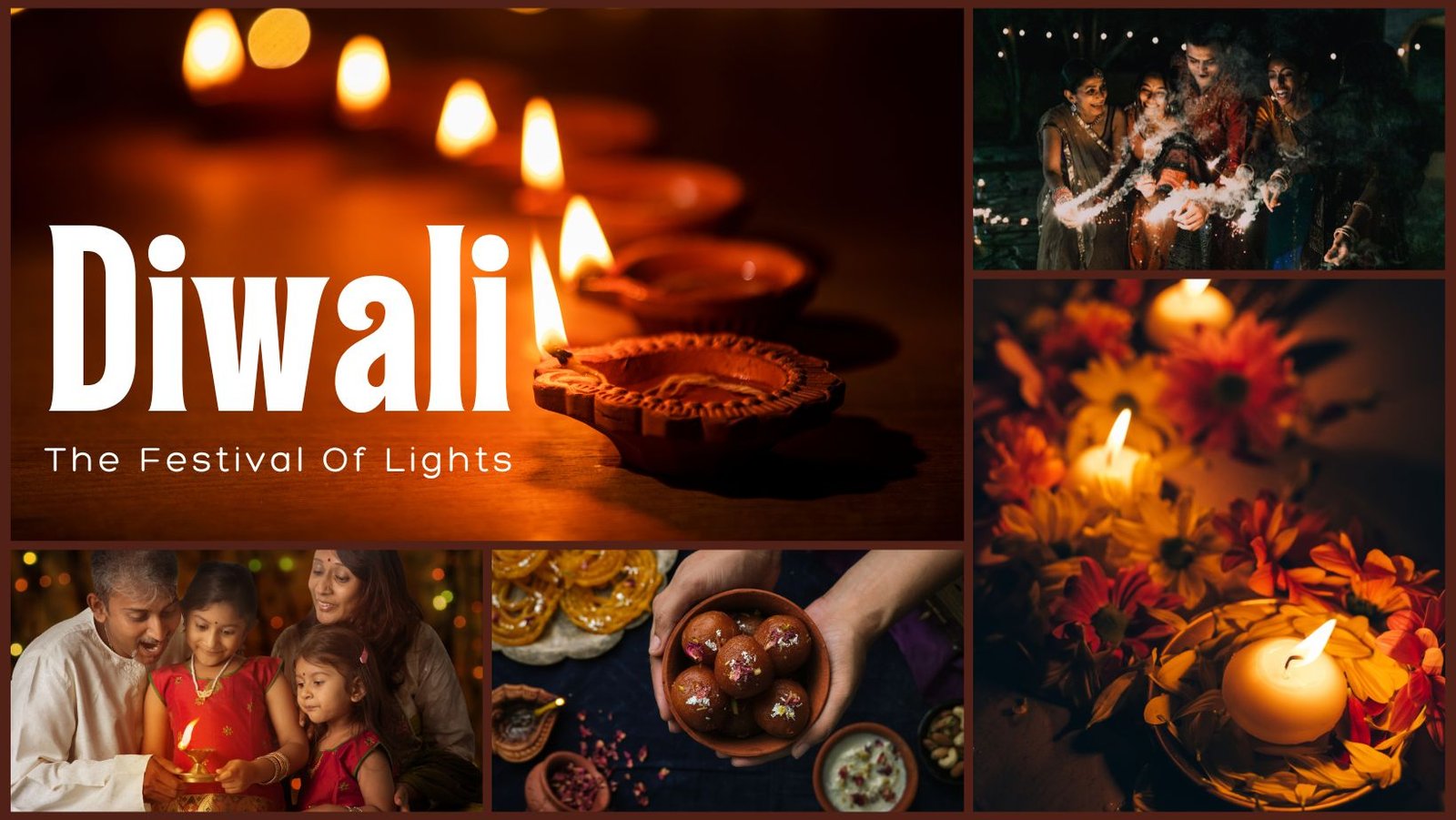
Diwali – The Festival of Light, Renewal, and Prosperity

diwali festival in india cultural celebration

Diwali is perhaps the most internationally recognized Indian festival, yet its depth goes far beyond lights and fireworks. It symbolizes the victory of light over darkness, knowledge over ignorance, and renewal over stagnation. Celebrated across India with regional variations, Diwali transforms homes, markets, temples, and entire cities into illuminated landscapes.

Preparations begin with deep cleaning, symbolic of inviting prosperity. Homes are decorated with diyas, rangoli, flowers, and lamps. Families purchase new clothes, exchange sweets, and conduct prayers dedicated to prosperity and abundance.

In northern India, Diwali often commemorates the return of Lord Rama to Ayodhya after exile. In western India, business communities associate it with new financial beginnings and accounting rituals. In southern India, local traditions emphasize spiritual purification and early morning rituals.

Travelers during Diwali experience:

  • illuminated heritage streets
  • festive bazaars
  • handcrafted lamps
  • traditional sweets
  • ceremonial prayers
  • family gatherings

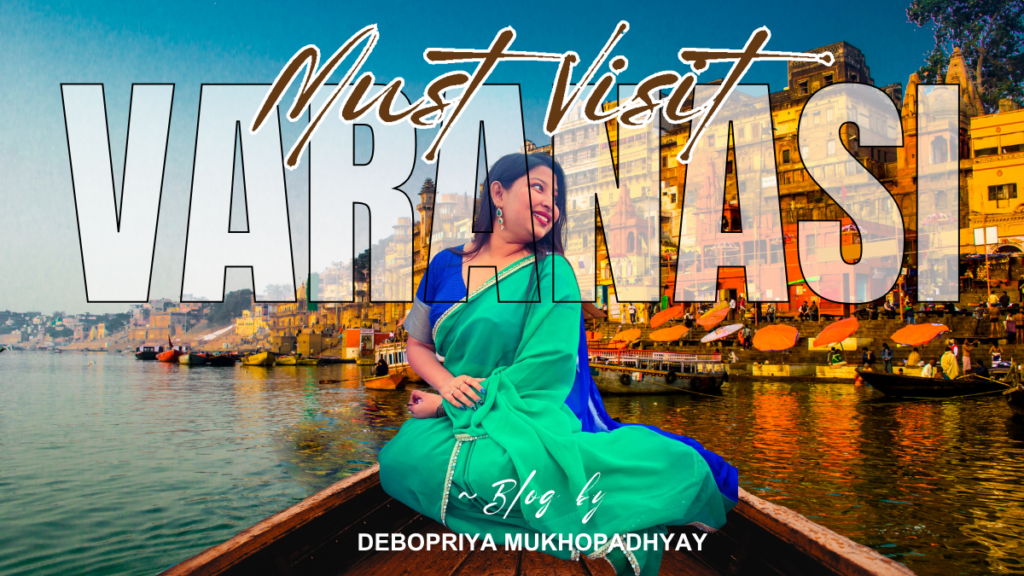
Cities such as Varanasi become particularly magical during Diwali because ghats glow with thousands of lamps.

The festival also strongly supports local economies. Potters, sweet makers, textile sellers, florists, and artisans all benefit from seasonal demand.

For cultural writing, Diwali is significant because it demonstrates how mythology, economy, domestic rituals, and aesthetics merge into one large national celebration.

(*NOTE: In my Opinion if you are a traveler who wants to experience Diwali, the festival of Lights, and the ultimate firework, light show, and the craze in all age groups, you should definitely visit Banaras during Dev Deepawali. Here, the crowd can be unbelievably huge, but it will definitely give you a lifetime experience.)

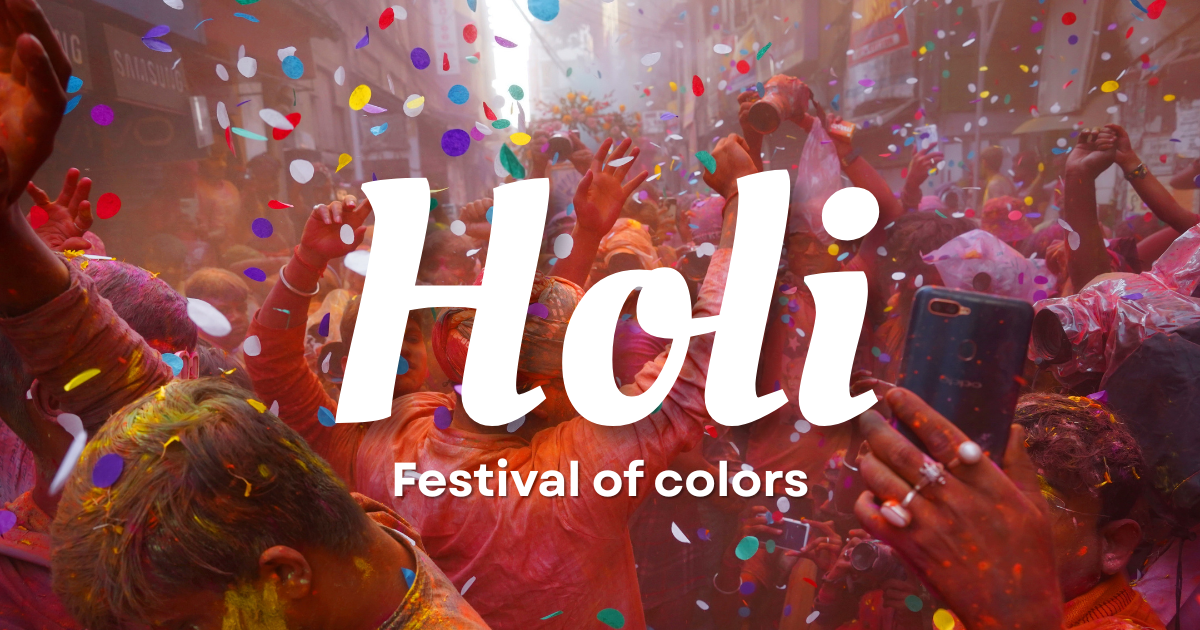
Holi – The Festival of Colors and Social Joy

holi colors traditional indian festival

Holi marks the arrival of spring and symbolizes joy, forgiveness, and social release. It is one of India’s most energetic festivals, known for vibrant colors, music, and open celebration.

The festival begins with Holika Dahan, a ritual bonfire symbolizing victory over negativity. The following day, colored powders fill streets, public spaces, and courtyards.

What makes Holi culturally important is that it temporarily relaxes social boundaries. Communities interact more freely, age barriers soften, and public celebration becomes collective.

Regional forms make Holi especially fascinating:

  • Lathmar Holi in Mathura
  • Temple Holi traditions in Vrindavan
  • folk music-based Holi in rural north India

Travelers often describe Holi as sensory immersion:

  • drums
  • colors
  • sweets
  • dance
  • local songs
  • street gatherings

Traditional foods include gujiya, malpua, and festive beverages prepared specifically for the season.

For SEO-rich cultural writing, Holi offers strong content around:

  • seasonal symbolism
  • Krishna traditions
  • community celebration
  • tourism patterns

Durga Puja – Art, Devotion, and Urban Cultural Identity

People celebrate hundreds of cultural festivals in India, but being a Bong, my favourite is Durga Puja. As it is one of the grandest cultural festivals in eastern India, especially associated with Kolkata. More than a religious event, it is a city-wide cultural phenomenon combining sculpture, architecture, design, literature, and social gathering.

Temporary structures called pandals are built with remarkable artistic creativity. Themes may reflect mythology, contemporary issues, heritage architecture, or experimental art.

Durga idols themselves are masterpieces of craftsmanship, especially from artisan districts where sculptors work for months.

Key cultural layers include:

  • artistic installations
  • devotional rituals
  • literary gatherings
  • traditional fashion
  • music performances
  • culinary street culture

Durga Puja nights transform Kolkata into an open cultural corridor where families move from one pandal to another.

For travelers, the experience includes:

  • midnight food streets
  • drumming traditions
  • community rituals
  • traditional attire

This festival also reveals how urban modernity can coexist with ritual heritage.

Onam – Agricultural Memory and Community Harmony

Celebrated in Kerala, Onam is one of the most visually elegant festivals in India. Rooted in harvest traditions and the legendary return of King Mahabali, Onam represents prosperity, inclusiveness, and seasonal abundance.

One of the strongest visual identities of Onam is the floral decoration known as pookalam.

Cultural highlights include:

  • traditional floral patterns
  • grand vegetarian feast (Onam sadya)
  • boat races
  • folk dances
  • temple rituals

The Onam feast itself is a cultural document, presenting multiple dishes served in sequence on banana leaves.

Travelers are often drawn to:

  • snake boat races
  • traditional white-gold clothing
  • village festivities
  • classical dance performances

Onam demonstrates how food and agriculture preserve collective memory.

Pongal – Gratitude, Agriculture, and Rural Heritage

In Tamil Nadu, Pongal is deeply connected to harvest and gratitude toward nature, cattle, and sunlight.

The four-day festival includes:

  • Bhogi
  • Surya Pongal
  • Mattu Pongal
  • Kaanum Pongal

Fresh rice is cooked ceremonially until it overflows, symbolizing abundance.

Important cultural experiences include:

  • kolam designs
  • cattle decoration
  • temple rituals
  • family reunions

Pongal offers one of India’s most direct examples of agricultural heritage preserved in modern times.

Bihu – Rhythm, Youth, and Seasonal Renewal

In Assam, Bihu represents seasonal transitions and youthful celebration.

The most famous, Rongali Bihu, marks spring.

Distinctive cultural elements:

  • Bihu dance
  • folk instruments
  • woven textiles
  • rice-based food traditions

Bihu is especially important because it strongly preserves regional identity through performance.

Travelers experience open fields, community music, and traditional gatherings.

Hornbill Festival – Tribal Heritage in Contemporary Form

Hornbill Festival of India

There are hundreds of cultural festivals in India however, this one held in Nagaland, the Hornbill Festival, showcases tribal traditions through organized cultural presentations.

Visitors encounter:

  • indigenous dance
  • warrior traditions
  • tribal cuisine
  • crafts
  • oral heritage

This festival is one of the strongest examples of how regional identity can be presented responsibly to national and global audiences.

Pushkar Camel Fair – Trade Meets Tradition

Held in Pushkar, this festival combines livestock trade, folk culture, pilgrimage, and tourism.

Cultural highlights:

  • camel decoration
  • desert music
  • folk dance
  • rural markets

It is both economic and cultural, making it one of India’s most layered festival experiences.

Lesser-Known Cultural Festivals Worth Traveling for in 2026

Many travelers know major festivals, but lesser-known events often offer more intimate cultural immersion.

Examples include:

  • village harvest rituals
  • tribal dance gatherings
  • river worship ceremonies
  • temple music festivals

These smaller festivals often preserve older forms of participation untouched by large tourism flows.

Best Time to Plan Festival Travel in India

Indians celebrate cultural festivals in India approximately throughout the year. However, to experience specific Festivals, travel requires perfect timing because dates often follow lunar calendars.

Best planning practices:

  • book early
  • Check regional calendars
  • Stay near the main venues
  • understand local etiquette

Peak cultural months often include:

  • October–November
  • January
  • March–April

Food Traditions That Make Festivals Unforgettable

Every culture in Indian festivals has a different culinary identity.

Examples:

  • Diwali sweets
  • Holi gujiya
  • Onam sadya
  • Pongal rice
  • Bihu pitha

Festival food is often seasonal, symbolic, and linked to local agriculture.

Cultural Etiquette for Festival Travelers

Respect matters deeply. People who are traveling to explore cultural festivals in India should definitely follow a few dos and don’ts.

Travelers should:

  • dress modestly where needed
  • Ask before photography
  • Respect ritual spaces
  • Follow local timing

Good cultural behavior creates better access and deeper experiences.

Why Indian Festivals Matter More in 2026

As urban life becomes faster, festivals increasingly act as anchors of cultural continuity.

They preserve:

  • language
  • ritual
  • craftsmanship
  • family memory
  • local identity

Festival tourism is also creating new economic opportunities for artisans and local communities.
Below are a few frequently asked questions related to cultural festivals in India.

FAQs

1 Which is the most famous cultural festival in India?

Diwali is widely considered the most nationally recognized festival.

2 Which Indian festival is best for foreign tourists?

Holi and Durga Puja are highly popular.

3 Which harvest festival is most unique?

Onam and Pongal.

4 Which cultural festival is best for tribal heritage?

Hornbill Festival.

Also, give a read:
15 Best Mountain Destinations in India
Top Indian Devotional Destinations to Visit in 2026
Complete Varanasi Travel Guide 2026


Follow us on:
Facebook
Instagram
Pinterest

Why a Varanasi Trip in 2026 Should Be on Every Traveler’s List

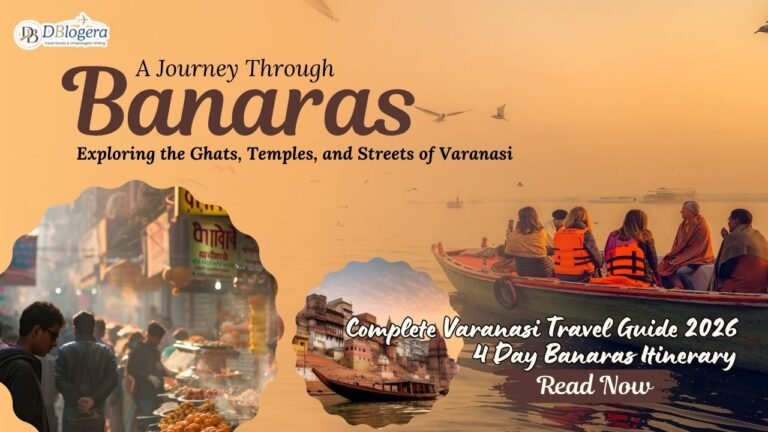
A Varanasi Trip is unlike any other journey in India because Varanasi offers an experience where spirituality, heritage, history, culture, and daily life exist together in a way that feels both timeless and deeply alive. Known by many names—Banaras, Kashi, and Varanasi—this ancient city is considered one of the oldest continuously inhabited cities in the world. Travelers come here not only to visit temples and ghats but also to witness rituals that have continued for centuries, hear temple bells echo through narrow lanes, and observe how the river shapes every part of local life. Here is the ultimate Varanasi Travel Guide 2026.

In 2026, tourism in Varanasi continues to grow because improved infrastructure, better road connectivity, and enhanced visitor facilities have made the city easier to explore while preserving its sacred identity. A thoughtfully planned Varanasi Trip helps visitors avoid confusion, especially because the city is dense, crowded, and layered with experiences that can overwhelm first-time travelers.

This blog is designed as both a Varanasi Travel Guide 2026 and a 4 Day Banaras Itinerary, helping travelers balance spiritual visits, local food exploration, heritage walks, and cultural experiences without rushing through the city. Whether you are traveling solo, with family, as a photographer, or as a pilgrim, Varanasi rewards slow observation.

Unlike modern tourist destinations, where attractions are isolated, in Varanasi every street becomes part of the journey. You may begin at a temple and unexpectedly discover a silk weaving lane, a hidden shrine, a classical music corner, or a centuries-old sweet shop. This is why an organized itinerary matters.

A complete Varanasi Trip in 2026 should include:

  • Sacred ghats and sunrise experiences
  • Temple visits
  • Street food discovery
  • Heritage architecture
  • Cultural evenings
  • Nearby excursions
  • Shopping for Banarasi silk
  • Quiet spiritual observation

The city offers different moods at different hours, and each time slot reveals something new.

Why Varanasi is Called the Spiritual Capital of India

Understanding the Sacred Identity of Banaras

Varanasi is often called the spiritual capital of India because for thousands of years it has remained central to Hindu belief systems, pilgrimage traditions, and sacred geography. It is believed that dying in Varanasi grants liberation, making the city spiritually significant beyond ordinary religious tourism.

The sacred identity of Varanasi comes from the combination of river, ritual, and mythology. Ganges River is not merely a river here—it is worshipped as a living goddess. Every dawn begins with offerings, chants, and bathing rituals. Pilgrims gather at ghats before sunrise because early morning is considered spiritually powerful.

A Varanasi Trip becomes meaningful when visitors understand that the city is not designed around sightseeing alone. The city operates according to sacred rhythms:

  • Morning river rituals
  • Temple offerings
  • Midday pilgrim movement
  • Evening aarti ceremonies
  • Night devotional activity

Many temples here are connected to cosmic symbolism. The old city itself is considered a sacred mandala.

This spiritual identity also influences architecture. Lanes are intentionally narrow because old urban planning evolved around temple-centered movement rather than vehicles.

Spiritual seekers often spend hours simply observing:

  • Priests chanting
  • Devotees offering flowers
  • Monks meditating
  • Students reciting scriptures

The city teaches patience because its spiritual experience cannot be rushed.

Best Time for a Varanasi Trip in 2026

Seasonal Planning for Maximum Comfort and Experience

The best season for a Varanasi Trip in 2026 is between October and March because weather remains comfortable for walking, boat rides, and temple visits.

Winter Season (October to February)

Winter is considered ideal because temperatures stay pleasant, especially for early morning activities. Sunrise at the ghats becomes magical during winter mist.

Advantages:

  • Comfortable daytime exploration
  • Better photography conditions
  • Festival season
  • Ideal for long walking tours

Summer Season (March to June)

Summer becomes extremely hot, often making midday movement difficult.

However:

  • Fewer tourists
  • Lower hotel prices
  • Easier temple access in the early morning

Monsoon Season (July to September)

Rain transforms the city dramatically. Ghats often change in appearance due to rising river levels.

Monsoon benefits:

  • Atmospheric photography
  • Strong spiritual mood
  • Reduced crowds in some areas

For first-time visitors, winter remains the safest choice for a successful Varanasi Trip.

How to Reach Varanasi in 2026

Transport Options for Domestic and International Travelers

Reaching Varanasi has become easier because transport connectivity continues improving.

By Air

Lal Bahadur Shastri International Airport connects major Indian cities and some international routes.

Airport to city time:

  • 45 minutes to 1 hour, depending on traffic

By Train

Varanasi is one of India’s strongest rail hubs.

Major stations:

  • Varanasi Junction railway station
  • Banaras railway station

Train travel remains ideal for budget travelers.

By Road

Road travel from nearby cities has improved significantly.

Approximate routes:

  • Prayagraj to Varanasi
  • Lucknow to Varanasi
  • Patna to Varanasi

A planned Varanasi Trip should include arrival during daylight for easier hotel check-in.

Also read: Ultimate Travel Guide to India 2026

Day 1 of 4 Day Banaras Itinerary: Ghats, Sunrise, and Evening Aarti

Starting Your Varanasi Trip with the River

Day one should begin before sunrise because the river defines the city, and you can’t afford to miss the morning aarti at any cost.

Sunrise Boat Ride

Start at Assi Ghat.

The sunrise boat ride reveals:

  • Ghats waking up
  • Ritual bathing
  • Morning chanting
  • Ancient architecture

As the boat moves northward, each ghat tells a story.

Important Ghats to Observe

  • Dashashwamedh Ghat
  • Manikarnika Ghat
  • Harishchandra Ghat

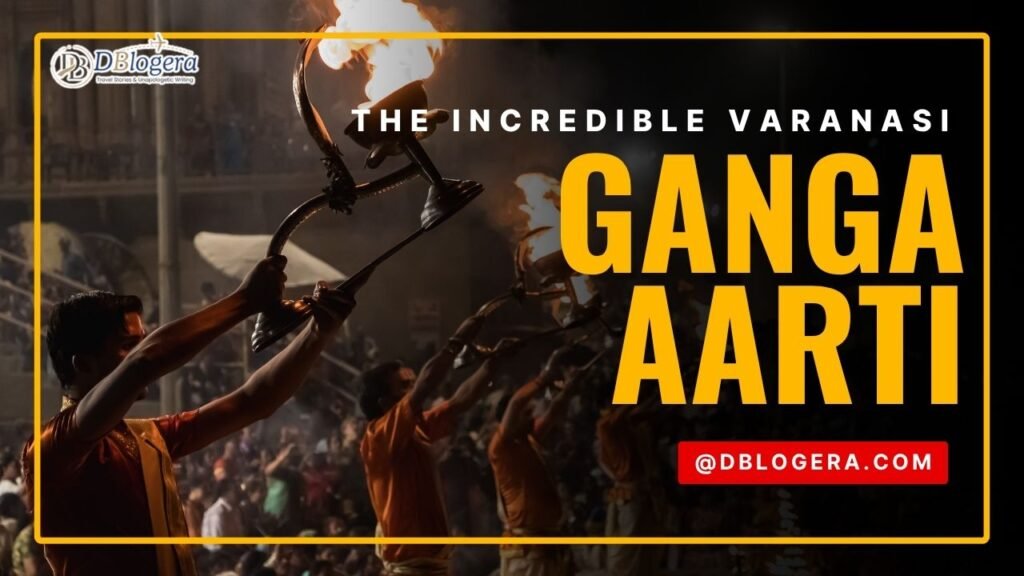
Evening Ganga Aarti

Return in the evening to Dashashwamedh Ghat.

This ceremony includes:

  • Fire rituals
  • Bells
  • Chanting
  • Synchronised priest movements

It remains one of the strongest highlights of any Varanasi Trip.

Day 2 of 4 Day Banaras Itinerary: Temples and Sacred Lanes

Exploring the Spiritual Core of the City

Day two should focus on temples.

Kashi Vishwanath Temple Visit

Kashi Vishwanath Temple remains the spiritual center.

Visitors should arrive early morning.

Important tips:

  • Carry minimal belongings
  • Follow security guidelines
  • Use official entry routes

Nearby Sacred Stops

  • Annapurna Devi Mandir
  • Kal Bhairav Temple

Walking the Old Lanes

The surrounding lanes offer:

  • Brass shops
  • Flower sellers
  • Religious books
  • Hidden shrines

Every corner adds depth to a Varanasi Trip.

Day 3 of 4 Day Banaras Itinerary: Heritage, Food, and Culture

Understanding Banaras Beyond Pilgrimage

A complete Varanasi Trip must include food and heritage.

Banarasi Breakfast Experience

Try:

  • Kachori
  • Jalebi
  • Malaiyyo (seasonal)

Banaras Hindu University Area

Banaras Hindu University offers a calmer atmosphere.

Visit:

  • New Vishwanath Temple

Cultural Observation

Evening music programs often occur seasonally in heritage zones.

Day 4 of 4 Day Banaras Itinerary: Sarnath and Shopping

Completing the Journey with History and Reflection

A final day should include nearby heritage.

Visit to Sarnath

Sarnath is where Buddha gave his first sermon.

Important sites:

  • Dhamek Stupa
  • Sarnath Archaeological Museum

Shopping for Banarasi Identity

Buy:

  • Banarasi saree
  • Brass items
  • Wooden souvenirs

Where to Stay During a Varanasi Trip

Choosing the Right Area

Stay near:

  • Assi Ghat for calm atmosphere
  • Dashashwamedh area for activity
  • Cantonment for comfort

Each area suits different travelers.

Food Guide for Varanasi Trip

Essential Local Flavors

Must try:

  • Tamatar chaat
  • Baati chokha
  • Lassi
  • Banarasi paan

Paan is culturally important here.

Practical Travel Tips for Varanasi 2026

Smart Planning for a Smooth Experience

Important advice:

  • Walk whenever possible
  • Start early
  • Carry cash
  • Respect rituals
  • Dress modestly
  • Avoid crowd panic

A good Varanasi Trip depends on patience.

Nightlife of Varanasi Beyond Temples and Rituals

Many first-time visitors assume that a Varanasi Trip ends after evening prayers, but nighttime in Varanasi reveals an entirely different energy that deserves careful attention. Unlike metropolitan nightlife built around clubs or entertainment districts, Banaras offers a slower and more atmospheric night culture shaped by conversations, food, music, and river silence. After the crowds begin leaving the major ghats, several stretches near the river become unexpectedly calm, allowing travelers to experience the city in a contemplative mood.

One of the most rewarding night experiences is walking after the evening ceremony along the riverfront beyond Dashashwamedh Ghat toward quieter ghats where lamps still burn, and local residents continue evening routines. The reduced crowd changes the visual atmosphere completely. Temple bells continue in the distance, but narrow lanes become dominated by tea stalls, slow conversations, and local snack vendors serving late-night specialties.

Banaras also has a long tradition of classical music, and depending on the season, travelers may find small cultural gatherings hosted in heritage spaces, educational institutions, or community courtyards. These intimate performances often include vocal recitals, tabla, or sitar presentations that connect visitors to the city’s intellectual and artistic identity.

Late evening food remains another strong part of the experience. Thick milk preparations, sweets, and fresh street snacks continue well after dark in selected lanes. A night-focused Varanasi Trip also helps photographers because artificial light creates dramatic textures across stone steps, temple walls, and old balconies.

Banaras at night is not loud; it is layered, patient, and deeply atmospheric, offering travelers a different emotional understanding of the city.

FAQs About Varanasi Travel Guide 2026

Is 4 days enough for a Varanasi Trip?

Yes, four days allow spiritual visits, food exploration, cultural observation, and one nearby excursion.

Which month is best for Varanasi in 2026?

October to February remains ideal.

Is Varanasi safe for solo travelers?

Yes, but crowded zones require awareness.

What is the best sunrise ghat?

Assi Ghat is ideal.

Can I cover Sarnath in half a day?

Yes, half day is sufficient.

Is photography allowed everywhere?

Not inside many temple interiors.

What should first-time visitors avoid?

Avoid overplanning too many temple visits in one day.

Also Read
Top Indian Devotional Destinations to Visit in 2026
Top Budget Travel Destinations for Indians in 2026

Follow us on:
Facebook
Instagram
Pinterest

Small homes are becoming the preferred lifestyle choice for many people in 2026 because they encourage smart living, reduced maintenance, and intentional design. Whether you live in a compact apartment, a studio flat, or a small independent home, thoughtful interiors can completely transform how your space feels and functions. The good news is that stylish interiors no longer require luxury budgets. The biggest shift in home decor trends 2026 is affordability combined with functionality. People are choosing pieces that save space, serve multiple purposes, and create a clean aesthetic without unnecessary spending.

Modern homeowners are now more aware of how colors, lighting, textures, and furniture placement influence comfort. In smaller homes, every corner matters. A wall can become storage, a sofa can become a bed, and a shelf can become a visual focal point. Affordable decorating in 2026 is less about buying expensive designer products and more about selecting practical elements that create visual depth and warmth.

Another important shift in interior preferences is sustainability. More people are using recycled furniture, natural fabrics, and low-cost handmade decorative pieces. The rise of digital inspiration has also made budget decorating easier because homeowners can now replicate premium looks using local materials.

This guide explores ten highly practical and budget-friendly ideas that fit modern compact living while following home decor trends 2026. Every idea is designed to help small homes look larger, brighter, and more elegant without overspending.

Why Home Decor Trends 2026 Are Focused on Small and Affordable Living

The biggest design movement in 2026 is practical living. Rising urban populations, smaller apartments, and conscious spending habits have changed how people decorate homes. Instead of filling rooms with decorative items that occupy space, homeowners now prefer carefully chosen pieces that combine utility and beauty.

The modern concept of affordable decorating focuses on balance. A small room can feel luxurious if designed with proportion, lighting, and simplicity. This is why home decor trends 2026 emphasize soft neutral palettes, modular furniture, vertical storage, and layered textures.

Minimal clutter is another defining feature. Interior experts now recommend fewer but better-placed decorative elements. A single textured wall, floating shelves, and warm lighting often create stronger visual impact than overcrowded décor.

Affordability also comes from smart purchasing behavior. Instead of replacing entire furniture sets, people now refresh spaces through cushions, rugs, curtains, mirrors, and wall accents. This approach allows seasonal changes without major investment.

Small-home design in 2026 also reflects emotional comfort. People want homes that feel peaceful after long working hours. Therefore, soft lighting, indoor plants, breathable fabrics, and open surfaces dominate current design preferences.

Key reasons affordable decor dominates 2026:

  • Compact urban housing is increasing
  • Multi-functional furniture reduces cost
  • DIY decor is more popular
  • Sustainable materials are affordable
  • Minimalist interiors reduce unnecessary spending

Affordable Idea 1: Use Light Colors to Make Small Homes Look Bigger

Color psychology plays a major role in small home decoration. Light colors create openness because they reflect natural and artificial light effectively. In 2026, shades like warm white, beige, soft grey, pale sage, and muted cream dominate interior palettes.

Using lighter tones on walls immediately expands visual perception. Dark colors absorb light and make compact rooms feel tighter, while lighter shades create breathable interiors. This is why many affordable transformations begin simply with paint.

One major feature of home decor trends 2026 is layered neutral design. Instead of plain white spaces, decorators combine multiple soft tones using cushions, curtains, rugs, and wall textures.

Best low-cost color combinations for small homes

  • Warm white + beige
  • Soft grey + pale wood
  • Cream + muted green
  • Light taupe + natural brown

Affordable ways to add color without renovation

  • Cushion covers
  • Table runners
  • Curtains
  • Peel-and-stick wallpaper
  • Fabric wall hangings

A low-cost repainting project often changes the entire character of a home more effectively than expensive furniture replacement.

Affordable Idea 2: Multi-Functional Furniture Is Essential in 2026

Furniture is one of the biggest expenses in home decoration, but the smartest solution in 2026 is multi-purpose furniture. A single item serving multiple uses reduces clutter and saves money.

Modern compact homes now use:

  • Storage beds
  • Foldable dining tables
  • Sofa cum beds
  • Stackable stools
  • Wall-mounted desks

These pieces fit perfectly into home decor trends 2026 because they allow rooms to adapt to daily needs.

Why multi-functional furniture saves money

You avoid purchasing multiple separate items. A storage ottoman, for example, provides seating, hidden storage, and decor value at once.

Best affordable materials in 2026

  • Engineered wood
  • Metal frames
  • Bamboo finishes

Smaller homes benefit when furniture leaves visible floor area open.

Affordable Idea 3: Vertical Storage Is the Biggest Space Saver

Walls are now considered valuable storage zones. Vertical storage remains one of the strongest home decor trends 2026 because it frees floor space.

Floating shelves are inexpensive and visually modern. They work in kitchens, bedrooms, living rooms, and bathrooms.

Best vertical storage ideas

  • Ladder shelves
  • Floating corner shelves
  • Wall hooks
  • Hanging baskets

Styling shelves affordably

Combine:

  • Books
  • Small plants
  • Ceramic pieces
  • Framed prints

Vertical styling also creates decorative balance without occupying floor space.

Affordable Idea 4: Mirrors Create Luxury Without Cost

Mirrors remain one of the cheapest ways to visually enlarge small interiors. In 2026, large mirrors are widely used to reflect light and create depth.

A mirror opposite a window increases brightness dramatically.

Affordable mirror placement ideas

  • Behind sofa
  • Dining wall
  • Entry corner
  • Bedroom side wall

Trending mirror shapes in 2026

  • Arched mirrors
  • Round mirrors
  • Slim metal frames

Mirrors strongly support home decor trends 2026 because they add sophistication instantly.

Affordable Idea 5: Indoor Plants Bring Freshness to Small Homes

Plants remain one of the most affordable decor upgrades in 2026. They improve mood, air quality, and aesthetics.

Best plants for small homes

  • Snake plant
  • Pothos
  • ZZ plant
  • Peace lily

Low-cost plant styling ideas

  • Hanging planters
  • Window shelf plants
  • Corner floor pots

Plants soften interiors and align perfectly with eco-friendly home decor trends 2026.

Affordable Idea 6: Smart Lighting Changes Everything

Lighting determines how expensive a room appears.

Affordable lighting upgrades

  • Warm LED strips
  • Table lamps
  • Wall sconces
  • Floor lamps

Why warm lighting dominates 2026

Warm light creates comfort and makes neutral interiors feel rich.

Lighting is among the strongest elements in home decor trends 2026 because even inexpensive rooms look premium with proper illumination.

Affordable Idea 7: Soft Furnishings Upgrade Interiors Quickly

Soft furnishings offer maximum visual impact with minimal cost.

Budget upgrades

  • Cushion covers
  • Throws
  • Rugs
  • Curtains

H4. 2026 texture trends

  • Linen
  • Cotton blends
  • Woven fabrics

These instantly refresh rooms according to home decor trends 2026.

Affordable Idea 8: Wall Decor Without Expensive Art

Walls should not remain empty in small homes, but expensive art is unnecessary.

Low-cost wall ideas

  • Printable art
  • DIY photo frames
  • Wall baskets
  • Minimal clocks

Popular 2026 wall themes

  • Abstract neutrals
  • Botanical prints
  • Textured fabric panels

Affordable Idea 9: Decluttering Is Free but Powerful

Decluttering costs nothing yet completely changes interiors.

Declutter by category

  • Visible surfaces
  • Storage units
  • Decorative items

Golden rule

If unused for one year, remove it.

Minimal spaces dominate home decor trends 2026.

Affordable Idea 10: Create Focal Points in Every Small Room

A focal point prevents visual chaos.

Best focal points

  • Accent wall
  • Mirror
  • Rug
  • Sofa corner

Affordable focal tricks

  • One bold cushion color
  • One textured lamp
  • One decorative shelf

This creates intentional design without spending heavily.

FAQs: Home Decor Trends 2026 for Small Homes

What are the top home decor trends 2026 for small homes?

The biggest trends include neutral palettes, multifunctional furniture, vertical storage, indoor plants, warm lighting, and minimalist styling.

How can I decorate a small home on a low budget?

Use paint, soft furnishings, mirrors, plants, and affordable shelving instead of expensive furniture replacement.

Which colors are best for small homes in 2026?

Warm white, beige, cream, light grey, and muted green are leading choices.

Is minimalist decor still popular in 2026?

Yes, minimalism remains highly popular because it creates openness and calm.

What furniture works best in compact homes?

Storage beds, foldable tables, and modular sofas.

Are indoor plants part of home decor trends 2026?

Yes, plants are one of the strongest affordable design trends.

How do mirrors improve small interiors?

They reflect light and visually expand space.

What lighting is best for affordable decor?

Warm LED lighting provides premium visual comfort.

Can wall decor be affordable?

Yes, printable art and DIY frames are excellent options.

Why is decluttering important in small homes?

It creates visual breathing space and improves comfort.

Also Read:
Best Home Decor for Living Room in 2026
The Art of Home Decor

Facebook
Instagram
Pinterest

Malaysia remains one of the most attractive international travel destinations for Indian travellers in 2026, offering a rare balance of affordability, modern infrastructure, tropical beauty, rich culture, and easy visa access. From futuristic skylines in Kuala Lumpur to pristine beaches in Langkawi, rainforest adventures in Borneo, and heritage streets in George Town, Malaysia has become a destination suitable for families, honeymooners, solo travellers, luxury seekers, and budget tourists alike.

A Malaysia travel package 2026 is no longer limited to just flight and hotel combinations. Modern travel packages now include visa assistance, airport transfers, local transport, sightseeing passes, island tours, food experiences, and optional adventure activities. Travellers today also look for custom itineraries that match their travel goals, whether that means a short 4-night urban break or a 10-day cross-country exploration.

Malaysia’s tourism sector in 2026 is expected to remain highly competitive, making package pricing attractive compared to many other Southeast Asian destinations. Direct connectivity from major Indian cities, digital booking convenience, and multilingual tourist support add even more value.

Malaysia travel package 2026

Why Malaysia remains highly popular in 2026:

  • Affordable international destination
  • Family-friendly tourism infrastructure
  • Excellent food diversity
  • Easy city-to-island connectivity
  • Shopping opportunities
  • Strong Indian cultural familiarity
  • Tropical weather throughout the year

Why Choose Malaysia for International Travel in 2026

Malaysia offers one of the most balanced international experiences because travellers can enjoy modern city life and natural beauty in a single package. A visitor can explore iconic skyscrapers in the morning, shop in luxury malls during the afternoon, and enjoy authentic street food by evening.

Unlike destinations where transport becomes expensive, Malaysia’s public transportation is efficient and affordable. This helps travellers reduce internal travel costs significantly.

The country also offers tremendous cultural diversity. Malay, Chinese, Indian, and indigenous influences create a fascinating blend visible in architecture, cuisine, festivals, and local traditions.

Major travel strengths:

  • Affordable luxury hotels
  • Efficient metro systems
  • Safe tourist environment
  • English widely understood
  • Easy food options for Indian travellers

Best Malaysia Travel Packages Available in 2026

Travel agencies and online booking platforms offer multiple package categories depending on duration and budget.

Best Tours, Deals & Holiday Itineraries

4 Nights 5 Days Malaysia Package

This package suits first-time visitors and includes major highlights of Kuala Lumpur and nearby attractions.

Usually includes:

  • Return airfare
  • 3-star or 4-star hotel stay
  • Airport pickup and drop
  • City sightseeing
  • Day trip to Genting Highlands
  • Optional cable car experience

This package works best for short leave travel from India.

6 Nights 7 Days Malaysia Package

A longer package usually combines city and island experiences.

Common itinerary:

  • 3 nights Kuala Lumpur
  • 3 nights Langkawi
  • Island transfers
  • City tour
  • Beach activities

This package gives better destination variety.

8 Nights 9 Days Malaysia Premium Package

This package is ideal for travellers wanting full destination coverage.

Includes:

  • Kuala Lumpur
  • Langkawi
  • Penang
  • Genting Highlands

Malaysia Visa Process for 2026 Travellers

Malaysia visa processing has become highly streamlined for Indian travellers. Electronic visa systems make documentation easier.

Documents Required

Mandatory documents:

  • Passport with 6 months validity
  • Passport-size photo
  • Confirmed return flight
  • Hotel booking proof
  • Bank statement

Processing Time

it Usually takes 2 to 5 working days

Visa Cost

Visa pricing depends on processing speed and the platform selected.

Best Time to Book a Malaysia Travel Package in 2026

Malaysia remains a year-round destination, but some months offer better pricing and weather.

January to March

This season is excellent for sightseeing.

Advantages:

  • Pleasant weather
  • Lower humidity
  • Good island visibility

April to June

Summer travel demand rises.

Good for:

  • Family vacations
  • School holiday planning

July to September

Rainfall increases in some regions, but city travel remains comfortable.

October to December

Festival season creates exciting travel opportunities.

Top Destinations Included in Malaysia Travel Package 2026

Kuala Lumpur

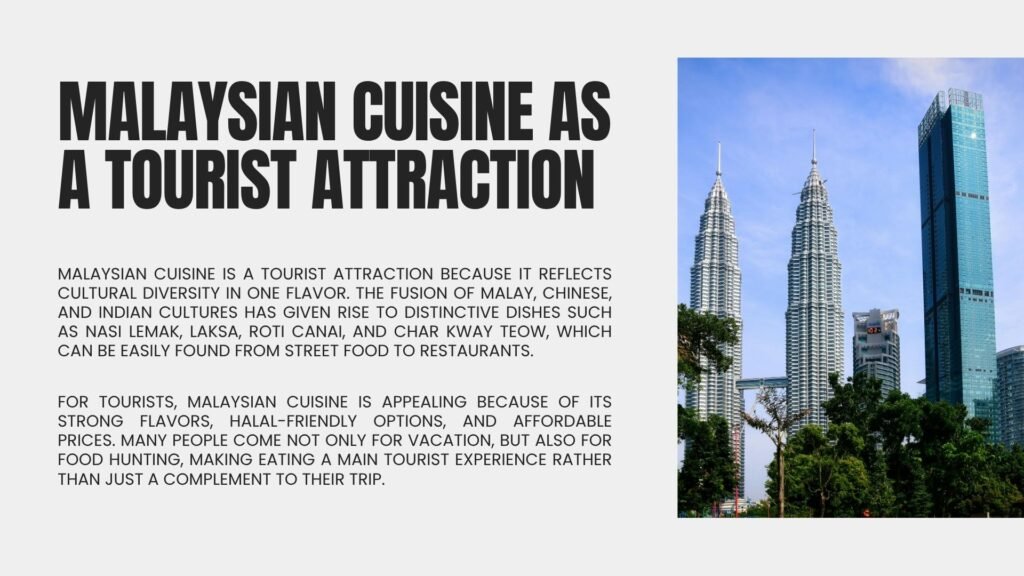
Kuala Lumpur remains the centre of most travel packages because it combines iconic landmarks, shopping, nightlife, and cultural experiences.

Top attractions in Kuala Lumpur

  • Petronas Towers
  • Batu Caves
  • KL Tower
  • Merdeka Square

H3: Langkawi

Langkawi offers beach relaxation and water sports.

H4: Popular activities

  • Island hopping
  • Cable car rides
  • Sky bridge visit
  • Sunset cruises

H3: Penang

George Town is known for food and heritage.

H4: Key experiences

  • Street food trails
  • Heritage murals
  • Colonial architecture

H3: Genting Highlands

Genting Highlands remains highly popular for cool weather and entertainment.

H4: Attractions

  • Indoor theme parks
  • Cable cars
  • Casino area
  • Shopping

H2: Budget for Malaysia Travel Package in 2026

Package costs depend on season, hotel class, and airline.

H3: Budget Traveller Cost

Approximate:

  • ₹35,000 to ₹50,000 per person

H3: Mid-Range Package

Approximate:

  • ₹55,000 to ₹85,000 per person

H3: Luxury Package

Approximate:

  • ₹1,00,000+ per person

H2: Malaysia Food Experience Included in Travel Planning

Malaysia is one of Asia’s strongest food destinations.

H3: Must Try Foods

  • Nasi Lemak
  • Roti Canai
  • Laksa

Indian travellers also find vegetarian food easily.

VMY2026

H2: Shopping in Malaysia During Your 2026 Trip

Malaysia is excellent for shopping due to price diversity.

H3: Best Shopping Areas

  • Bukit Bintang
  • Central Market

H3: What to Buy

  • Electronics
  • Chocolates
  • Cosmetics
  • Souvenirs

H2: Family Malaysia Travel Package in 2026

Malaysia works extremely well for family travel.

H3: Family-friendly attractions

  • Sunway Lagoon
  • Aquaria KLCC

Children enjoy theme parks and aquariums.

H2: Honeymoon Malaysia Travel Package in 2026

Malaysia offers romantic experiences across islands and luxury hotels.

H3: Honeymoon package highlights

  • Beach resorts
  • Private dinners
  • Sunset cruises
  • Spa treatments

Best honeymoon destinations:

  • Langkawi
  • Penang

H2: Adventure Activities in Malaysia

Adventure travellers increasingly choose Malaysia.

Top activities

  • Scuba diving
  • Rainforest trekking
  • Sky bridge walks
  • Zipline experiences

H2: Transportation Inside Malaysia

Transport quality is a major advantage.

H3: Options available

  • Metro
  • Taxi apps
  • Domestic flights
  • Ferries

Grab is commonly used.

H2: Important Travel Tips for Malaysia in 2026

H3: Currency Planning

Malaysia uses:

  • Malaysian Ringgit

H3: Connectivity

Tourist SIM cards are affordable.

H3: Language

English works well in major cities.

H2: Sample 7-Day Malaysia Travel Itinerary for 2026

Day 1:

Arrival in Kuala Lumpur

Day 2:

City sightseeing

Day 3:

Batu Caves + Genting Highlands

Day 4:

Transfer to Langkawi

Day 5:

Island hopping

Day 6:

Leisure and shopping

Day 7:

Departure

H2: Why Book Early for Malaysia Travel Package 2026

Early booking gives major advantages:

  • Better airfare
  • More hotel choices
  • Festival season availability
  • Lower package pricing

H2: Final Conclusion – Is Malaysia Worth Visiting in 2026?

Absolutely yes. Malaysia remains one of the smartest international travel choices in 2026 because it offers value, comfort, diversity, and memorable experiences without excessive cost. Whether someone wants city exploration, beaches, culture, food, shopping, or family recreation, Malaysia delivers consistently.

A well-designed Malaysia travel package helps eliminate travel stress and ensures smoother logistics, especially for first-time international travellers. With smart booking and destination selection, Malaysia can easily become one of the most rewarding international journeys of 2026 ✈️🌏🌴

If you want, I can also expand this into:

SEO FAQs for “Malaysia Travel Package in 2026” ✈️🇲🇾🌴

1 : What is the average cost of a Malaysia travel package in 2026?

The average cost of a Malaysia travel package in 2026 usually ranges from ₹35,000 to ₹85,000 per person, depending on travel duration, hotel category, season, and destinations included. Budget packages generally cover flights, hotel stays, airport transfers, and major sightseeing, while premium packages may include luxury resorts, island tours, and private transfers.

2 : Is Malaysia visa-free for Indian travellers in 2026?

Malaysia generally offers simplified visa options for Indian travellers through eVisa or electronic travel authorization systems. Travellers should always verify the latest entry policy before booking because visa rules can change depending on bilateral travel updates.

3: Which destinations are usually included in a Malaysia travel package?

Most travel packages include:

  • Kuala Lumpur
  • Langkawi
  • George Town
  • Genting Highlands

Longer premium itineraries may also include parts of Borneo.

4: How many days are ideal for a Malaysia trip in 2026?

A 6 to 8 day trip is ideal for first-time visitors. This allows enough time for city sightseeing, island relaxation, shopping, and one or two adventure activities without rushing the itinerary.

5: What is the best month to visit Malaysia in 2026?

The best time to visit Malaysia is generally between January and April when weather conditions are pleasant for sightseeing, beaches, and outdoor travel.

6: Is Malaysia expensive for Indian tourists?

Malaysia is considered one of the most affordable international destinations for Indian tourists because accommodation, food, local transport, and sightseeing remain comparatively budget-friendly.

7: Which Malaysia package is best for honeymoon couples?

Honeymoon packages usually combine:

  • Kuala Lumpur city stay
  • Langkawi beach resort stay
  • Sunset cruise
  • Private sightseeing

8: Is vegetarian food easily available in Malaysia?

Yes, vegetarian food is widely available due to strong Indian cultural influence across major cities.

9: Which currency should travellers carry for Malaysia?

Travellers should carry Malaysian Ringgit and may also use international cards in urban areas.

10: Is Malaysia good for family travel in 2026?

Yes, Malaysia remains one of the most family-friendly international destinations because it offers theme parks, aquariums, shopping, safe public transport, and child-friendly attractions.

I hope I have cleared all your doubts related to the Malaysia travel package in 2026.

Also Read Related Blogs:

The Ultimate International Travel Guide for Indians (2026)

Follow us on:
Facebook
Instagram
Pinterest

Introduction to Jaisalmer – Why Every Traveler Should Visit the Golden City of India

Jaisalmer is one of the most extraordinary travel destinations in Rajasthan, known globally as The Golden City of India because of its honey-colored sandstone architecture that glows brilliantly under sunlight 🌅. Located near the heart of the Thar Desert, Jaisalmer offers a travel experience that combines royal history, desert adventure, architectural heritage, cultural richness, local cuisine, spiritual landmarks, and unforgettable sunsets. Unlike many tourist cities that focus on a single attraction, Jaisalmer presents a complete travel ecosystem where forts, havelis, temples, dunes, villages, border history, and folk culture exist together in remarkable harmony.

For travelers planning a Rajasthan journey, Jaisalmer often becomes the highlight because it feels dramatically different from urban India. The city’s golden appearance changes with the sun, creating a constantly shifting landscape for photographers, historians, and explorers. By morning, the fort appears pale gold; by afternoon, it becomes bright amber; and by evening, the entire city looks dipped in molten sunlight ✨.

Jaisalmer

Jaisalmer is also historically important because it once served as a major trade center connecting India with Central Asia and Persia. Wealth generated through caravan trade built many of the magnificent mansions that visitors admire today. Here in the Travel Guide to Jaisalmer, we will discover all you should know before planning a trip to Jaisalmer.

Why Jaisalmer Is Called the Golden City

  • Yellow sandstone dominates the city’s architecture
  • Buildings glow golden under desert sunlight
  • Historic fort and havelis create a unified golden skyline
  • Desert surroundings enhance the city’s warm visual tone
  • Sunset creates extraordinary golden reflections

Why Jaisalmer Is Ideal for Travelers

  • Heritage tourism
  • Desert adventure
  • Luxury camping
  • Photography opportunities
  • Traditional cultural experiences
  • Family travel and solo travel suitability
Travel Guide to Jaisalmer

History of Jaisalmer – Understanding the Golden Legacy Before You Travel

Foundation of Jaisalmer and Its Historical Importance in Rajasthan Tourism

Before planning a trip to Jaisalmer, understanding its historical foundation makes every monument more meaningful. The city was founded in 1156 CE by Rawal Jaisal, a Rajput ruler who shifted his capital from Lodurva to Trikuta Hill for stronger defense and strategic visibility. This location allowed better protection from invasions while maintaining control over desert trade routes.

For centuries, Jaisalmer prospered because merchants carrying silk, spices, gemstones, and luxury goods crossed this region. Trade routes passing through desert territories generated enormous wealth, which later funded elaborate mansions, temples, and fort expansions.

This prosperity also created a strong merchant culture, which explains why Jaisalmer’s havelis are as famous as its royal architecture. Unlike many cities where kings alone shaped urban identity, Jaisalmer was also shaped by wealthy traders who invested heavily in architectural beauty.

Over time, maritime trade reduced desert caravan importance, causing economic decline, but the city preserved its historical identity remarkably well.

Historical Travel Insights

  • Founded in 1156 CE
  • Bhati Rajput kingdom center
  • Desert trade route importance
  • Merchant wealth shaped architecture
  • Strategic military location

How History Shapes the Modern Travel Experience in Jaisalmer

Traveling through Jaisalmer today means walking through a living historical city where everyday life still continues inside centuries-old walls. Many historic settlements become museum-like after preservation, but Jaisalmer remains alive.

The narrow streets inside the fort still host homes, temples, shops, and small restaurants. Traditional occupations continue alongside tourism.

For travelers, this creates authenticity rarely found elsewhere.

Jaisalmer for first time visitors

What Travelers Notice Historically

  • Ancient fort still inhabited
  • Merchant houses still preserved
  • Traditional markets remain active
  • Historical street layouts survive

Visiting Jaisalmer Fort – The Living Heart of the Golden City

Why Jaisalmer Fort Is the First Essential Stop in Any Travel Guide

Jaisalmer Fort dominates the city skyline and serves as the most important destination in every travel itinerary. Built on Trikuta Hill, the fort rises dramatically above the city and remains one of the few living forts in the world.

What makes this fort exceptional is that thousands of people still live inside it. Homes, temples, cafés, guesthouses, handicraft shops, and small businesses operate within ancient defensive walls.

The fort’s golden sandstone changes appearance throughout the day, making morning and sunset visits equally rewarding 📸.

Walking through the fort reveals layers of architecture: defensive gates, carved facades, temple complexes, and hidden courtyards.

Key Travel Tips for Visiting the Fort

  • Visit early morning for fewer crowds
  • Wear comfortable walking shoes
  • Carry water during warmer months
  • Explore narrow lanes slowly
  • Stay until sunset for rooftop views

Fort Gates and Their Importance for Travelers

The fort has multiple historic gates designed for layered defense.

Main Gates

  • Akhai Pol
  • Suraj Pol
  • Ganesh Pol
  • Hawa Pol

Each gate reveals military planning adapted for desert warfare.

Best Rooftop Views Inside the Fort

Rooftop cafés inside the fort offer panoramic city views.

Best Times

  • Sunrise
  • Sunset
  • Night fort illumination

Exploring Royal Architecture Inside Jaisalmer Fort

Raj Mahal – Understanding Desert Royal Lifestyle

Inside the fort, the former royal palace offers insight into how rulers adapted luxury to desert conditions.

The palace emphasizes functionality: narrow chambers, airflow corridors, shaded balconies, and elevated observation spaces.

Features to Observe

  • Sandstone balconies
  • Historic interiors
  • Royal artifacts
  • Desert ventilation design

Jain Temple Complex Inside the Fort

The fort houses extraordinary Jain temples built between the 12th and 16th centuries.

Highlights

  • Detailed carvings
  • Marble idols
  • Temple corridors
  • Sacred manuscripts

Best Havelis to Visit in Jaisalmer

Patwon Ki Haveli – The Finest Merchant Mansion for Travelers

Patwon Ki Haveli is one of the most important heritage attractions in Jaisalmer and should never be skipped.

Built by wealthy Jain traders, this cluster of five havelis demonstrates extraordinary stone carving.

The façade looks almost embroidered because every surface carries detailed ornamentation.

Travel Highlights

  • Museum sections
  • Merchant history
  • Intricate balconies
  • Photography opportunities

Nathmal Ki Haveli – Architectural Symmetry Worth Exploring

Nathmal Ki Haveli shows fascinating asymmetry because two architect brothers designed opposite sides independently.

What Travelers Should Notice

  • Elephant carvings
  • Unique façade differences
  • Interior detailing

Salim Singh Ki Haveli – Distinctive Peacock Design

This haveli stands out for its unusual roofline resembling a peacock.

Best Features

  • Peacock-inspired upper structure
  • Narrow lower section
  • Elevated balconies

Desert Experience in Sam Sand Dunes

Why Sam Sand Dunes Are Essential in Every Jaisalmer Travel Plan

No travel guide to Jaisalmer is complete without the desert.

Sam Sand Dunes offer vast rolling dunes where visitors experience the classic desert landscape of Rajasthan 🐪.

Sunset transforms the dunes into moving gold.

Activities at Sam Sand Dunes

  • Camel safari
  • Jeep safari
  • Sunset photography
  • Sand walking
  • Cultural evenings

Camel Safari Travel Experience

Camel rides offer slower, immersive desert travel.

Best Timing

  • Late afternoon
  • Sunset hour

Jeep Safari for Adventure Travelers

Jeep safaris are ideal for thrill seekers.

What to Expect

  • Fast dune rides
  • Desert viewpoints
  • Photography stops

Luxury Desert Camping in Jaisalmer

Why Overnight Desert Camping Is Highly Recommended

A night in desert camps transforms the travel experience completely 🌌.

Luxury camps combine comfort with local culture.

Included Experiences

  • Folk dance
  • Traditional dinner
  • Bonfire
  • Stargazing

Types of Desert Camps

Options Available

  • Luxury Swiss tents
  • Mid-range camps
  • Budget camps

Local Culture and Traditional Experiences in Jaisalmer

Folk Music and Cultural Identity

Jaisalmer’s desert culture survives through strong oral traditions.

Cultural Forms

  • Manganiyar music
  • Kalbeliya dance
  • Puppet shows

Jaisalmer Desert Festival – Best Time for Cultural Travel

The Jaisalmer Desert Festival offers peak cultural immersion.

Festival Attractions

  • Camel races
  • Turban competitions
  • Folk performances

Sacred Places Travelers Should Visit

Tanot Mata Temple – Spiritual and Historical Importance

Tanot Mata Temple is famous for wartime faith stories.

Travel Reasons

  • Border spirituality
  • Historic military relevance

Longewala War Memorial – Border Tourism Experience

Longewala War Memorial preserves memory of the Indo-Pakistani War of 1971.

Visitor Experience

  • Military exhibits
  • Documentary screening
  • Battlefield understanding

Food Guide for Travelers in Jaisalmer

Best Traditional Foods to Try

Jaisalmer food reflects desert resilience and strong spice traditions 🌶️.

Must-Try Dishes

  • Dal Baati Churma
  • Ker Sangri
  • Gatte Ki Sabzi
  • Laal Maas

Rooftop Dining Experience

Fort-view dining creates unforgettable evenings.

Best For

  • Sunset meals
  • Night photography
  • Traditional dinners

Shopping Guide in Jaisalmer

Best Things to Buy

Markets reflect desert craftsmanship.

Recommended Purchases

  • Embroidered textiles
  • Leather products
  • Silver jewelry
  • Mirror work décor

Best Time to Travel to Jaisalmer

Seasonal Travel Planning

Winter remains ideal.

Month Guide

  • October–March: best season
  • April–June: extreme heat
  • July–September: moderate off-season

How to Reach Jaisalmer Easily

Transport Guide

Travel Options

  • Train connections
  • Road from Jodhpur
  • Domestic air access

Where to Stay in Jaisalmer

Accommodation Options for Every Budget

Stay Categories

  • Heritage hotels
  • Fort guesthouses
  • Desert camps
  • Budget lodges

Photography Travel Guide for Jaisalmer

Best Photography Locations

Jaisalmer offers extraordinary visual variety 📷.

Best Spots

  • Fort rooftops
  • Haveli lanes
  • Sam dunes
  • Sunset viewpoints

Hidden Places Around Jaisalmer Travelers Often Miss

Lesser-Known Attractions

Hidden Gems

  • Kuldhara
  • Bada Bagh
  • Amar Sagar

Final Travel Advice – Why Jaisalmer Should Be on Every India Travel List

Jaisalmer is not simply a city—it is a complete desert civilization preserved in golden stone ✨. Every traveler finds something distinct here: history lovers discover forts and temples, adventure seekers ride across dunes, photographers capture changing light, food lovers enjoy desert cuisine, and culture enthusiasts witness living traditions.

A journey through Jaisalmer feels timeless because the city still preserves the rhythm of its historical identity while welcoming modern travelers warmly.

Final Travel Checklist

  • Book desert camp early
  • Visit fort in morning
  • Reserve sunset for dunes
  • Carry sun protection
  • Keep one extra day for hidden places

Best Travel Guide to Jaisalmer: The Golden City of India

Introduction to Jaisalmer – Why Every Traveler Should Visit the Golden City of India

Jaisalmer is one of the most extraordinary travel destinations in Rajasthan, known globally as The Golden City of India because of its honey-colored sandstone architecture that glows brilliantly under sunlight 🌅. Located near the heart of the Thar Desert, Jaisalmer offers a travel experience that combines royal history, desert adventure, architectural heritage, cultural richness, local cuisine, spiritual landmarks, and unforgettable sunsets. Unlike many tourist cities that focus on a single attraction, Jaisalmer presents a complete travel ecosystem where forts, havelis, temples, dunes, villages, border history, and folk culture exist together in remarkable harmony.

For travelers planning a Rajasthan journey, Jaisalmer often becomes the highlight because it feels dramatically different from urban India. The city’s golden appearance changes with the sun, creating a constantly shifting landscape for photographers, historians, and explorers. By morning, the fort appears pale gold; by afternoon, it becomes bright amber; and by evening, the entire city looks dipped in molten sunlight ✨.

Jaisalmer is also historically important because it once served as a major trade center connecting India with Central Asia and Persia. Wealth generated through caravan trade built many of the magnificent mansions that visitors admire today.

Why Jaisalmer Is Called the Golden City

  • Yellow sandstone dominates the city’s architecture
  • Buildings glow golden under desert sunlight
  • Historic fort and havelis create a unified golden skyline
  • Desert surroundings enhance the city’s warm visual tone
  • Sunset creates extraordinary golden reflections

Why Jaisalmer Is Ideal for Travelers

  • Heritage tourism
  • Desert adventure
  • Luxury camping
  • Photography opportunities
  • Traditional cultural experiences
  • Family travel and solo travel suitability

History of Jaisalmer – Understanding the Golden Legacy Before You Travel

Foundation of Jaisalmer and Its Historical Importance in Rajasthan Tourism

Before planning a trip to Jaisalmer, understanding its historical foundation makes every monument more meaningful. The city was founded in 1156 CE by Rawal Jaisal, a Rajput ruler who shifted his capital from Lodurva to Trikuta Hill for stronger defense and strategic visibility. This location allowed better protection from invasions while maintaining control over desert trade routes.

For centuries, Jaisalmer prospered because merchants carrying silk, spices, gemstones, and luxury goods crossed this region. Trade routes passing through desert territories generated enormous wealth, which later funded elaborate mansions, temples, and fort expansions.

This prosperity also created a strong merchant culture, which explains why Jaisalmer’s havelis are as famous as its royal architecture. Unlike many cities where kings alone shaped urban identity, Jaisalmer was also shaped by wealthy traders who invested heavily in architectural beauty.

Over time, maritime trade reduced desert caravan importance, causing economic decline, but the city preserved its historical identity remarkably well.

Historical Travel Insights

  • Founded in 1156 CE
  • Bhati Rajput kingdom center
  • Desert trade route importance
  • Merchant wealth shaped architecture
  • Strategic military location

How History Shapes the Modern Travel Experience in Jaisalmer

Traveling through Jaisalmer today means walking through a living historical city where everyday life still continues inside centuries-old walls. Many historic settlements become museum-like after preservation, but Jaisalmer remains alive.

The narrow streets inside the fort still host homes, temples, shops, and small restaurants. Traditional occupations continue alongside tourism.

For travelers, this creates authenticity rarely found elsewhere.

What Travelers Notice Historically

  • Ancient fort still inhabited
  • Merchant houses still preserved
  • Traditional markets remain active
  • Historical street layouts survive

Visiting Jaisalmer Fort – The Living Heart of the Golden City

Why Jaisalmer Fort Is the First Essential Stop in Any Travel Guide

Jaisalmer Fort dominates the city skyline and serves as the most important destination in every travel itinerary. Built on Trikuta Hill, the fort rises dramatically above the city and remains one of the few living forts in the world.

What makes this fort exceptional is that thousands of people still live inside it. Homes, temples, cafés, guesthouses, handicraft shops, and small businesses operate within ancient defensive walls.

The fort’s golden sandstone changes appearance throughout the day, making morning and sunset visits equally rewarding 📸.

Walking through the fort reveals layers of architecture: defensive gates, carved facades, temple complexes, and hidden courtyards.

Key Travel Tips for Visiting the Fort

  • Visit early morning for fewer crowds
  • Wear comfortable walking shoes
  • Carry water during warmer months
  • Explore narrow lanes slowly
  • Stay until sunset for rooftop views

Fort Gates and Their Importance for Travelers

The fort has multiple historic gates designed for layered defense.

Main Gates

  • Akhai Pol
  • Suraj Pol
  • Ganesh Pol
  • Hawa Pol

Each gate reveals military planning adapted for desert warfare.


Best Rooftop Views Inside the Fort

Rooftop cafés inside the fort offer panoramic city views.

Best Times

  • Sunrise
  • Sunset
  • Night fort illumination

Exploring Royal Architecture Inside Jaisalmer Fort

Raj Mahal – Understanding Desert Royal Lifestyle

Inside the fort, the former royal palace offers insight into how rulers adapted luxury to desert conditions.

The palace emphasizes functionality: narrow chambers, airflow corridors, shaded balconies, and elevated observation spaces.

Features to Observe

  • Sandstone balconies
  • Historic interiors
  • Royal artifacts
  • Desert ventilation design

Jain Temple Complex Inside the Fort

The fort houses extraordinary Jain temples built between the 12th and 16th centuries.

Highlights

  • Detailed carvings
  • Marble idols
  • Temple corridors
  • Sacred manuscripts

Best Havelis to Visit in Jaisalmer

Patwon Ki Haveli – The Finest Merchant Mansion for Travelers

Patwon Ki Haveli is one of the most important heritage attractions in Jaisalmer and should never be skipped.

Built by wealthy Jain traders, this cluster of five havelis demonstrates extraordinary stone carving.

The façade looks almost embroidered because every surface carries detailed ornamentation.

Travel Highlights

  • Museum sections
  • Merchant history
  • Intricate balconies
  • Photography opportunities

Nathmal Ki Haveli – Architectural Symmetry Worth Exploring

Nathmal Ki Haveli shows fascinating asymmetry because two architect brothers designed opposite sides independently.

What Travelers Should Notice

  • Elephant carvings
  • Unique façade differences
  • Interior detailing

Salim Singh Ki Haveli – Distinctive Peacock Design

This haveli stands out for its unusual roofline resembling a peacock.

Best Features

  • Peacock-inspired upper structure
  • Narrow lower section
  • Elevated balconies

Desert Experience in Sam Sand Dunes

Why Sam Sand Dunes Are Essential in Every Jaisalmer Travel Plan

No travel guide to Jaisalmer is complete without the desert.

Sam Sand Dunes offer vast rolling dunes where visitors experience the classic desert landscape of Rajasthan 🐪.

Sunset transforms the dunes into moving gold.

Activities at Sam Sand Dunes

  • Camel safari
  • Jeep safari
  • Sunset photography
  • Sand walking
  • Cultural evenings

Camel Safari Travel Experience

Camel rides offer slower, immersive desert travel.

Best Timing

  • Late afternoon
  • Sunset hour

Jeep Safari for Adventure Travelers

Jeep safaris are ideal for thrill seekers.

What to Expect

  • Fast dune rides
  • Desert viewpoints
  • Photography stops

Luxury Desert Camping in Jaisalmer

Why Overnight Desert Camping Is Highly Recommended

A night in desert camps transforms the travel experience completely 🌌.

Luxury camps combine comfort with local culture.

Included Experiences

  • Folk dance
  • Traditional dinner
  • Bonfire
  • Stargazing

Types of Desert Camps

Options Available

  • Luxury Swiss tents
  • Mid-range camps
  • Budget camps

Local Culture and Traditional Experiences in Jaisalmer

Folk Music and Cultural Identity

Jaisalmer’s desert culture survives through strong oral traditions.

Cultural Forms

  • Manganiyar music
  • Kalbeliya dance
  • Puppet shows

Jaisalmer Desert Festival – Best Time for Cultural Travel

The Jaisalmer Desert Festival offers peak cultural immersion.

Festival Attractions

  • Camel races
  • Turban competitions
  • Folk performances

Sacred Places Travelers Should Visit

Tanot Mata Temple – Spiritual and Historical Importance

Tanot Mata Temple is famous for wartime faith stories.

Travel Reasons

  • Border spirituality
  • Historic military relevance

Longewala War Memorial – Border Tourism Experience

Longewala War Memorial preserves memory of the Indo-Pakistani War of 1971.

Visitor Experience

  • Military exhibits
  • Documentary screening
  • Battlefield understanding

Food Guide for Travelers in Jaisalmer

Best Traditional Foods to Try

Jaisalmer food reflects desert resilience and strong spice traditions 🌶️.

Must-Try Dishes

  • Dal Baati Churma
  • Ker Sangri
  • Gatte Ki Sabzi
  • Laal Maas

Rooftop Dining Experience

Fort-view dining creates unforgettable evenings.

Best For

  • Sunset meals
  • Night photography
  • Traditional dinners

Shopping Guide in Jaisalmer

Best Things to Buy

Markets reflect desert craftsmanship.

Recommended Purchases

  • Embroidered textiles
  • Leather products
  • Silver jewelry
  • Mirror work décor

Best Time to Travel to Jaisalmer

Seasonal Travel Planning

Winter remains ideal.

Month Guide

  • October–March: best season
  • April–June: extreme heat
  • July–September: moderate off-season

How to Reach Jaisalmer Easily

Transport Guide

Travel Options

  • Train connections
  • Road from Jodhpur
  • Domestic air access

Where to Stay in Jaisalmer

Accommodation Options for Every Budget

Stay Categories

  • Heritage hotels
  • Fort guesthouses
  • Desert camps
  • Budget lodges

Photography Travel Guide for Jaisalmer

Best Photography Locations

Jaisalmer offers extraordinary visual variety 📷.

Best Spots

  • Fort rooftops
  • Haveli lanes
  • Sam dunes
  • Sunset viewpoints

Hidden Places Around Jaisalmer Travelers Often Miss

Lesser-Known Attractions

Hidden Gems

  • Kuldhara
  • Bada Bagh
  • Amar Sagar

Final Travel Advice – Why Jaisalmer Should Be on Every India Travel List

Jaisalmer is not simply a city—it is a complete desert civilization preserved in golden stone ✨. Every traveler finds something distinct here: history lovers discover forts and temples, adventure seekers ride across dunes, photographers capture changing light, food lovers enjoy desert cuisine, and culture enthusiasts witness living traditions.

A journey through Jaisalmer feels timeless because the city still preserves the rhythm of its historical identity while welcoming modern travelers warmly.

Final Travel Checklist

  • Book desert camp early
  • Visit fort in morning
  • Reserve sunset for dunes
  • Carry sun protection
  • Keep one extra day for hidden places

Also Read
Best Indian Desert Destinations

15 Best Mountain Destinations in India

Also, follow us on:
Facebook
Instagram

Health Tips for Working Women

Modern working women manage multiple responsibilities every day—professional targets, deadlines, family commitments, social responsibilities, emotional balance, and personal goals. In this demanding routine, health often becomes secondary, even though it is the foundation that supports every other aspect of life. A healthy body improves productivity, emotional resilience, focus, confidence, and long-term quality of life.

The need for practical health tips for working women has become stronger than ever because work environments today often involve prolonged sitting, irregular eating schedules, digital fatigue, stress exposure, and sleep disruption. Many women skip breakfast, delay meals, compromise hydration, and ignore warning signs like fatigue, back pain, headaches, or mood fluctuations until they become serious concerns.

Health is not only about avoiding illness—it includes maintaining energy, hormonal balance, immunity, mental clarity, reproductive wellness, and emotional stability. Small habits practiced consistently often create bigger health benefits than occasional major efforts.

For working women, wellness must fit realistically into a busy schedule rather than becoming another burden. This means learning how to optimize daily routines, improve food choices, create movement opportunities during work hours, and build sustainable self-care systems.

Why health management is essential for working women:

  • Professional performance depends heavily on physical energy
  • Hormonal health affects mood, productivity, and metabolism
  • Stress influences immunity and long-term wellness
  • Poor routines gradually lead to chronic lifestyle diseases
  • Preventive care saves future medical burden

Importance of Morning Health Habits for Working Women

Morning habits often determine how the body performs for the next 12–14 hours. Working women who begin their day in a rushed state often carry that stress throughout the day, affecting digestion, mood, concentration, and emotional balance. A structured morning routine does not require long hours—it requires consistency.

The first hour after waking influences metabolism, cortisol balance, hydration status, and mental focus. Drinking water immediately after waking helps reactivate internal systems after overnight dehydration. Exposure to sunlight in the morning supports circadian rhythm regulation, which improves nighttime sleep quality later.

Many working women immediately begin checking phones, emails, or work messages, which introduces stress before the body is fully awake. A better approach includes giving the nervous system a calm start before entering work mode.

Morning health habits also improve digestive regularity. Women who skip mornings often experience acidity, bloating, constipation, and energy crashes by mid-morning. Below are some effective Health Tips for Working Women:

Effective morning habits:

  • Drink 1–2 glasses of lukewarm water
  • Avoid mobile phone use for the first 20 minutes
  • Stretch for 5–10 minutes
  • Get natural sunlight exposure
  • Eat breakfast within 60–90 minutes
  • Practice deep breathing

Hydration as the First Health Rule for Working Women

Hydration is one of the most ignored but essential health tips for working women. Even mild dehydration affects concentration, skin health, digestion, mood, and productivity. Many women mistake dehydration symptoms for fatigue or hunger.

Office environments with air conditioning often increase water loss without obvious sweating. Tea and coffee cannot fully replace water intake, and excessive caffeine may worsen dehydration.

Water also helps regulate body temperature, joint lubrication, kidney function, and toxin removal. Proper hydration supports hormonal function, especially during menstrual cycles.

A practical way to maintain hydration is linking water intake to routine tasks rather than relying on memory alone.

Easy hydration strategies:

  • Keep a 1-litre bottle visible on the desk
  • Drink before every meeting
  • Drink after restroom visits
  • Include coconut water occasionally
  • Add lemon or mint for taste
  • Reduce sugary beverages

Signs of poor hydration:

  • Headache
  • Dry lips
  • Low focus
  • Fatigue
  • Dark urine
  • Constipation

Healthy Breakfast Choices for Working Women

Breakfast directly affects energy stability during working hours. Skipping breakfast often leads to overeating later, sugar cravings, irritability, and reduced mental sharpness.

The ideal breakfast for working women combines protein, fiber, complex carbohydrates, and healthy fats. This combination keeps blood sugar stable and reduces sudden hunger.

Quick but nutritious breakfasts are better than elaborate meals that become unsustainable.

Healthy breakfast options:

  • Oats with nuts and seeds
  • Vegetable poha
  • Eggs with whole-grain toast
  • Greek yogurt with fruits
  • Moong chilla
  • Upma with vegetables
  • Smoothie with a protein source

Avoid:

  • Only tea and biscuits
  • Sugary cereals
  • Deep-fried breakfast daily
  • Packaged sweet drinks

Nutrition Health Tips for Working Women Throughout the Day

Working women often experience irregular eating patterns because meetings, travel, deadlines, and multitasking interfere with meal timing. Long gaps between meals disturb metabolism and may increase cortisol levels. Health Tips for Working Women is incomplete without talking about a nutritious diet and good food habits.

Balanced nutrition helps maintain energy, mental focus, reproductive health, immunity, and hormonal balance.

The goal is not strict dieting but smart nourishment.

Ideal nutrition principles:

  • Eat every 3–4 hours
  • Include protein in each meal
  • Avoid excessive refined sugar
  • Include vegetables daily
  • Balance portion sizes

Midday Meal Planning for Office Hours

Lunch is often compromised in office settings. Many women either eat too little, eat too late, or rely on fast food.

Lunch should sustain energy without causing post-meal sleepiness.

Balanced lunch plate:

  • 1 portion protein
  • 1 portion whole grain
  • 1 large vegetable portion
  • Curd or probiotic source

Office lunch examples:

  • Roti + dal + sabzi
  • Rice + grilled paneer + salad
  • Quinoa bowl
  • Millet khichdi

Healthy Snacking for Energy Stability

Snacking becomes unhealthy when driven by stress instead of hunger.

Good snack options:

  • Roasted chana
  • Nuts
  • Fruit
  • Seeds
  • Yogurt
  • Boiled eggs

Avoid:

  • Chips
  • Sugary cookies
  • Frequent vending of snacks

Exercise Tips for Working Women with Busy Schedules

Exercise does not require gym membership alone. Consistency matters more than duration.

Working women need both movement and strength training.

Minimum weekly goal:

  • 150 minutes of moderate movement
  • 2 strength sessions

Desk Exercises for Office Health

Long sitting causes posture issues, circulation problems, and back pain.

Desk exercises:

  • Neck rolls
  • Shoulder rotation
  • Ankle circles
  • Standing stretches
  • Chair twists

Walking as a Powerful Health Tool

Walking improves:

  • Heart health
  • Mood
  • Digestion
  • Blood sugar balance

Daily target:

  • 7000–10000 steps

Mental Health Tips for Working Women

Mental health directly affects physical wellness.

Working women face:

  • Performance pressure
  • Emotional overload
  • Invisible mental labor

Mental wellness habits:

  • Boundaries
  • Breaks
  • Emotional check-ins

Stress Management Techniques

Practical methods:

  • 4-4-4 breathing
  • Short pauses
  • Journaling
  • Reduced multitasking

Avoiding Burnout in Professional Life

Burnout signs:

  • Constant fatigue
  • Emotional numbness
  • Irritability
  • Sleep disruption

Prevention:

  • Prioritize recovery
  • Avoid overcommitment

Sleep Health for Working Women

Sleep affects:

  • Hormones
  • Weight
  • Mood
  • Immunity

Healthy sleep habits:

  • Fixed sleep timing
  • No heavy screen exposure

Why Sleep Debt is Dangerous

Sleep debt increases:

  • Stress hormones
  • Insulin resistance
  • Brain fatigue

Hormonal Health Tips for Working Women

Hormones influence:

  • Energy
  • Mood
  • Weight
  • Skin

Support hormonal health:

  • Regular meals
  • Sleep
  • Exercise

Menstrual Health Management at Work

Helpful practices:

  • Track cycle
  • Carry essentials
  • Manage iron intake

Iron and Calcium Importance

Women commonly face deficiencies.

Iron sources:

  • Spinach
  • Lentils
  • Beetroot

Calcium sources:

  • Milk
  • Sesame
  • Yogurt

Posture and Spine Health for Working Women

Poor posture creates:

  • Neck pain
  • Shoulder stiffness
  • Headaches

Correct Sitting Position

Posture rules:

  • Feet flat
  • Screen at eye level
  • Back supported

Immunity Health Tips for Working Women

Immunity weakens under chronic stress.

Immunity boosters:

  • Protein
  • Sleep
  • Vitamin C
  • Gut health

Foods That Support Immunity

Daily include:

  • Citrus fruits
  • Garlic
  • Turmeric
  • Yogurt

Preventive Health Checkups for Working Women

Many women delay preventive care.

Essential screenings:

  • Blood pressure
  • Blood sugar
  • Thyroid
  • Vitamin D
  • CBC

Annual Health Tests Every Working Woman Should Consider

Important tests:

  • Lipid profile
  • Iron profile
  • Liver function
  • Hormonal tests if needed

Eye Health Tips for Working Women Using Screens

Screens cause:

  • Dry eyes
  • Eye strain
  • Headache

The 20-20-20 Rule

Every 20 minutes:

  • Look 20 feet away
  • For 20 seconds

Skin Health for Working Women

Stress affects skin.

Skin basics:

  • Hydration
  • Sunscreen
  • Sleep

Office-Friendly Skin Care Routine

Keep simple:

  • Cleanser
  • Moisturizer
  • SPF

Work-Life Balance and Long-Term Health

Balance protects:

  • Mental health
  • Relationships
  • Longevity

Healthy Boundaries for Better Wellness

Learn to:

  • Say no
  • Stop overworking
  • Protect recovery time

Weekend Recovery Health Tips for Working Women

Weekends should restore, not only complete pending work.

Recovery ideas:

  • Nature exposure
  • Meal prep
  • Extra sleep
  • Family time

Digital Detox for Mental Reset

Reduce:

  • Social scrolling
  • Late-night screen exposure

Best Long-Term Health Strategy for Working Women

Health succeeds through small, sustainable habits.

Most powerful daily habits:

  • Sleep well
  • Eat regularly
  • Move daily
  • Hydrate
  • Protect mental peace

Working women often care for everyone else first, but long-term success depends on self-care becoming non-negotiable. Small daily investments create major health returns over years 🌸💼✨

FAQs: Health Tips for Working Women

What is the most important health tip for working women?

Consistency in sleep, food timing, hydration, and movement.

How much water should a working woman drink daily?

Usually 2–3 litres depending on weather and activity.

Is walking enough exercise?

Walking helps greatly, but strength training improves long-term health.

How can working women reduce stress naturally?

Breathing exercises, boundaries, sleep, and regular breaks.

Which nutrient deficiency is common in women?

Iron, Vitamin D, calcium, and B12.

Also Read Related Blogs:

The Art of Home Decor

Follow us on:
Facebook
Instagram
Pinterest

In 2026, home decor for living room focuses on creating a balance between comfort, functionality, and modern aesthetics ✨ Soft neutral shades such as beige, warm grey, sage green, and earthy tones are highly preferred because they create a calm and welcoming atmosphere. Furniture trends highlight curved sofas, modular seating, natural wood finishes, and textured fabrics that add warmth to the space. Decorative elements like statement wall art, layered lighting, indoor plants, and minimalist shelves help personalize the room while keeping it elegant and uncluttered. Smart lighting and multifunctional furniture are also becoming essential, allowing living rooms to adapt easily to daily living, entertainment, and relaxation.

Why Home Decor for the Living Room in 2026 Is Becoming More Important Than Ever

The living room has evolved far beyond its traditional role as a simple sitting area. In 2026, it represents the emotional center of the home, the most visible expression of personal taste, and one of the most multifunctional spaces in modern interior design. Families use the living room for relaxation, social interaction, entertainment, hybrid work, reading, digital engagement, and even wellness routines. Because of this expanded role, home decor for living room in 2026 is no longer just about visual beauty; it is about creating a balanced environment where comfort, utility, aesthetics, and technology work together.

A well-designed living room today must respond to changing lifestyles. People now want interiors that feel calm but expressive, minimal but warm, modern but timeless. Rather than copying a single design style, homeowners are blending multiple inspirations to create personalized spaces. Scandinavian softness, Japanese minimalism, earthy natural tones, sustainable materials, subtle luxury, and smart integration all influence living room decor choices in 2026.

One major shift this year is the move away from excessive decoration. Instead of filling a room with many small decorative items, homeowners are choosing fewer but more intentional pieces. Large statement furniture, textured fabrics, sculptural lighting, natural materials, and layered neutrals are defining contemporary living spaces.

Another important trend is emotional functionality. Every object in the living room is expected to serve either a visual purpose, comfort, or storage. Decorative decisions are now more thoughtful because people want interiors that remain relevant for years rather than following temporary trends.

A successful living room in 2026 should achieve:

  • Visual comfort
  • Practical furniture flow
  • Sustainable choices
  • Soft and layered lighting
  • Natural textures
  • Smart technology integration
  • Flexible design for changing needs

This complete guide explains every important aspect of home decor for living room in 2026 in detail so that you can build a space that feels modern, elegant, and deeply livable ✨🏡

Living Room Color Trends in 2026: Warm Tones, Earthy Elegance, and Layered Neutrals

Color remains the strongest foundation of living room styling because it influences mood, visual depth, and the emotional energy of a space. In 2026, color trends are moving strongly toward soft warmth, natural earth tones, and layered neutrals that create calm interiors without looking plain.

The sharp white-and-grey palette that dominated many interiors in previous years is now being softened. Instead of cool whites and harsh monochromes, homeowners are choosing warmer backgrounds such as creamy ivory, sand beige, muted taupe, mushroom grey, and clay-inspired tones. These colors help a room feel welcoming while remaining timeless.

Nature continues to inspire the strongest palettes. Green shades are particularly important because biophilic design has become central to interior planning. Soft sage, olive green, eucalyptus, moss, and muted forest tones are now common in walls, upholstery, cushions, and decorative accents.

Deep accents are also being introduced carefully. Instead of overwhelming a room, darker colors now appear in small controlled layers through accessories, side chairs, artwork, or curtains.

Most Popular Living Room Colors in 2026

The strongest colors dominating living room interiors include:

  • Warm beige
  • Soft taupe
  • Mushroom grey
  • Sage green
  • Dusty olive
  • Terracotta
  • Muted rust
  • Cream ivory
  • Soft clay
  • Warm charcoal

These colors work especially well because they complement natural materials like wood, linen, stone, cotton, and ceramic finishes.

Best Color Combinations for Modern Living Rooms

Some combinations are especially successful because they create harmony naturally:

  • Beige + olive green + walnut wood
  • Ivory + clay + matte black
  • Warm grey + cream + brass
  • Sand + terracotta + oak wood
  • Soft green + linen white + dark brown

How to Use Accent Colors Correctly

Accent colors should never dominate the room completely. Instead, use them in carefully repeated layers:

  • Cushions
  • Throws
  • Rugs
  • Lampshades
  • Art frames
  • Decorative ceramics

Repeating one accent tone at least three times helps create visual consistency.

Sofa Trends in 2026: Comfort-Led Design with Soft Modern Forms

Trending Sofa -Home Decor For Living Room in 2026

The sofa remains the visual anchor of the living room, and in 2026, sofa trends are strongly driven by comfort, softness, and sculptural simplicity. Instead of stiff formal designs, modern sofas now prioritize deeper seating, softer silhouettes, rounded edges, and modular flexibility.

Large formal sofas with sharp edges are being replaced by curved sofas and modular seating systems that adapt easily to modern lifestyles. Homeowners want furniture that supports daily comfort, family gatherings, reading, streaming, and relaxed conversation.

The biggest shift this year is softness in form. Rounded arms, low profiles, deep cushions, and smooth corners create a calm atmosphere.

Trending Sofa Shapes in 2026

The most popular sofa designs include:

  • Curved sofas
  • L-shaped modular sofas
  • Rounded corner sectionals
  • Deep-seated lounge sofas
  • Low-profile Scandinavian sofas

Curved sofas are particularly popular because they visually soften rectangular rooms and create a more inviting seating environment.

Best Sofa Fabrics for 2026

Texture matters as much as shape.

Top sofa fabrics include:

  • Bouclé
  • Linen blends
  • Sustainable woven cotton
  • Soft velvet
  • Recycled upholstery fabrics

Textured fabric adds visual richness even when colors remain neutral.

Most Popular Sofa Colors

Neutral tones dominate because they offer longevity:

  • Cream
  • Beige
  • Warm grey
  • Soft olive
  • Light taupe
  • Dusty clay

Sofa Styling Essentials

To style a sofa properly:

  • Use 3 to 5 cushions in mixed textures
  • Add one soft throw blanket
  • Balance both sides visually
  • Avoid too many contrasting prints

A sofa should feel inviting rather than overloaded.

Coffee Table Styling Ideas for Living Room in 2026

Coffee tables have become decorative focal points rather than purely functional furniture. In 2026, coffee table styling emphasizes sculptural simplicity, natural materials, and curated accessories.

Rather than traditional heavy rectangular tables, homeowners are increasingly choosing softer forms.

Trending Coffee Table Materials

Most popular materials:

  • Marble finish
  • Travertine
  • Light oak wood
  • Smoked glass
  • Matte black metal
  • Sustainable natural wood

Popular Shapes in 2026

Coffee table forms include:

  • Round tables
  • Oval tables
  • Organic irregular shapes
  • Nested table combinations

Round tables improve movement in smaller living rooms and soften furniture layouts.

Ideal Coffee Table Styling Formula

A balanced coffee table should include:

  • One decorative tray
  • Two stacked books
  • One ceramic vase
  • One sculptural object
  • Candle or diffuser

Avoid clutter because empty space creates luxury.

Wall Decor Trends in 2026: Statement Simplicity with Personal Character

Home Decor for Living Room in 2026 focuses on wall decor as it is becoming more intentional. Rather than filling every wall with multiple frames, homeowners now prefer fewer but larger visual statements.

Large-scale wall styling creates sophistication and reduces visual noise.

Best Wall Decor Choices in 2026

Popular options include:

  • Large abstract artwork
  • Textured canvas
  • Sculptural mirrors
  • Floating wood shelves
  • Wall molding
  • Fabric wall panels

Oversized Art Trend

One oversized artwork often performs better than multiple small frames.

Best art styles:

  • Neutral abstract forms
  • Nature-inspired textures
  • Minimal line drawings
  • Monochrome canvas art

Mirror Styling for Living Rooms

The home decor for Living Room in 2026 also focuses on Mirrors remaining one of the most powerful because they:

  • Reflect light
  • Expand visual space
  • Add elegance

Trending mirror styles:

  • Organic irregular mirrors
  • Arched mirrors
  • Thin metal-framed mirrors

Floating Shelf Styling

Shelves should contain:

  • Books
  • Small plants
  • Ceramic objects
  • Framed memories
  • Minimal sculptures

Balance is essential.

Lighting Design for Living Room in 2026: Layered Warmth and Mood Control

Lighting defines the emotional atmosphere of a living room more than any other element. In 2026, lighting design focuses on layering instead of depending on a single ceiling fixture. Therefore, Lighting is one of the major factors of home decor for Living Room in 2026. here below are a few modern living rooms that need three levels of lighting:

Ambient Lighting

This is the main base lighting.

Best options:

  • Soft ceiling fixtures
  • Hidden LED strips
  • Modern chandeliers

Task Lighting

Task lighting supports reading or focused activities.

Use:

  • Floor lamps
  • Reading lamps
  • Table lamps

Accent Lighting

Accent lighting creates depth.

Examples:

  • Shelf lighting
  • Wall washers
  • Decorative lamp corners

Best Light Temperature for Living Rooms

Warm light dominates because it feels comfortable.

Ideal temperature:

  • 2700K to 3000K

Warm light improves softness in fabrics and colors.

Rugs in Living Room Decor 2026: Texture First, Pattern Second

Rugs now function as layout anchors rather than decorative afterthoughts.

Best Rug Materials

Popular rug materials:

  • Wool blends
  • Cotton weave
  • Jute combinations
  • Sustainable fibers

Trending Rug Colors

Preferred shades:

  • Sand
  • Beige
  • Stone grey
  • Warm ivory
  • Muted terracotta

Correct Rug Size Rule

A rug should:

  • Extend beneath the front sofa legs
  • Cover seating zone
  • Anchor coffee table fully

Too-small rugs weaken the room visually.

Curtains and Window Styling for 2026 Living Rooms

Curtains define softness and vertical elegance. Therefore, when planning the home decor for Living Room in 2026, curtains should not be ignored at all.

Best Curtain Fabrics

Trending fabrics:

  • Linen
  • Cotton blends
  • Sheer layered panels

Curtain Color Trends

Most preferred colors:

  • Ivory
  • Beige
  • Soft grey
  • Light olive

Curtain Length Rule

Curtains should:

  • Reach the floor fully
  • Slightly pool for a premium look

Long curtains visually increase room height.

Plants and Natural Elements in Living Room Decor 2026

Natural decor continues dominating interior design because it adds life and calmness.

Best Indoor Plants for Living Rooms

Popular indoor plants include:

  • Monstera deliciosa
  • Fiddle-leaf fig
  • Snake plant
  • Areca palm

Styling Plants Effectively

Use plants in:

  • Floor corners
  • Side tables
  • Shelf arrangements
  • Window zones

Mix heights for depth.

Smart Living Room Decor in 2026

Technology is now integrated invisibly into decor. Therefore, planning your home decor for Living Room in 2026 doesnt ask to pay more, but definitely planning smartly.

Smart Features for Modern Living Rooms

Useful smart additions:

  • Smart lighting systems
  • Voice control speakers
  • Hidden charging stations
  • Smart curtains

Smart Decor Rule

Technology should remain visually subtle.

Small Living Room Decor Ideas for 2026

Small living rooms need visual expansion.

Best Strategies

Use:

  • Light tones
  • Raised-leg furniture
  • Mirrors
  • Vertical storage

Small Room Furniture Choices

Best options:

  • Nested tables
  • Storage ottomans
  • Floating shelves

Luxury Living Room Decor Trends in 2026

Luxury now means refinement rather than excess. Follow the tips below when planning your home decor for Living Room in 2026.

Luxury Materials

Use:

  • Marble
  • Walnut wood
  • Brass accents
  • Bouclé upholstery

Luxury Styling Rule

Fewer premium pieces create a stronger impact.

Budget-Friendly Living Room Decor Upgrades in 2026

Even affordable changes create a major transformation.

Best Budget Upgrades

Most effective:

  • New cushions
  • Better curtains
  • Wall repaint
  • New lamp
  • One statement mirror

Highest Visual Impact on Low Budget

Prioritize:

  • Lighting
  • Rug
  • Wall art
  • Plant styling

Final Living Room Checklist for 2026

So, in my opinion, if you are planning your home decor for Living Room in 2026, ask a few questions to yourself:

  • Is the furniture balanced?
  • Is lighting layered?
  • Are colors consistent?
  • Is clutter reduced?
  • Is comfort prioritized?

A successful home decor for Living Room in 2026 should feel calm, modern, warm, and personal ✨🛋️🌿

FAQs: Home Decor for Living Room in 2026

What is the biggest living room decor trend in 2026?

The biggest trend is warm minimalism with natural textures.

Which colors are best for living room decor in 2026?

Warm beige, sage green, taupe, clay, and cream dominate.

Are curved sofas trending in 2026?

Yes, curved sofas are among the strongest global furniture trends.

How do I make my living room look luxurious on a budget?

Use layered lighting, larger curtains, fewer premium-looking accessories, and one statement decor piece.

Also Read Related Blogs:

The Art of Home Decor

Follow us on:
Facebook
Instagram
Pinterest

Summer fashion in 2026 is all about balancing comfort, breathability, and statement styling. Rising temperatures influence fabric choices, silhouettes, and layering methods, while fashion trends continue to blend practicality with personality. Both men’s and women’s wardrobes are evolving toward easy-to-style outfits that feel light yet visually polished. The focus this year is not only on looking stylish but also on choosing pieces that support mobility, provide heat control, and offer versatility for daily wear, vacations, office attire, and casual outings.

The growing popularity of minimalist fashion has made capsule wardrobes even more relevant for summer dressing. People are investing in fewer but smarter pieces that can be mixed and matched across multiple occasions. Lightweight shirts, cotton dresses, linen trousers, oversized tees, coordinated sets, and breathable footwear are dominating seasonal shopping lists.

Another defining element of 2026 summer outfits are a blend of global trends with everyday practicality. Street style now influences office wear, resort wear is entering city fashion, and functional details such as pockets, loose cuts, and wrinkle-resistant fabrics are becoming highly desirable.

Why summer outfits matter in 2026

  • Climate-responsive dressing is now a major fashion priority
  • Breathable fabrics improve comfort during long days
  • Neutral tones and pastel palettes dominate seasonal trends
  • Multi-purpose outfits reduce wardrobe clutter
  • Sustainable fabrics are becoming mainstream

Women’s Summer Fashion Trends 2026

Women’s summer fashion in 2026 focuses on softness, movement, breathable silhouettes, and effortless elegance. Fashion designers are prioritizing relaxed tailoring over restrictive fits, making summer wardrobes more practical without compromising visual appeal. Dresses remain central to summer styling, but coordinated separates, loose-fit trousers, cropped shirts, and lightweight layering pieces are equally important.

Modern summer outfits for women are built around adaptable pieces. A single cotton midi dress can work for brunch, office wear, or evening gatherings depending on accessories. Matching co-ord sets are becoming highly popular because they create a complete look with minimal effort. Lightweight oversized shirts paired with shorts or wide-leg trousers offer a polished but relaxed summer appearance.

2026 also introduces more textured fabrics into women’s summer wardrobes. Crinkled cotton, soft linen blends, ribbed jersey, and breathable modal fabrics are appearing in both premium and affordable fashion collections.

Popular fabrics for women this summer

  • Linen blends
  • Pure cotton
  • Rayon
  • Modal
  • Lightweight muslin

Trending colors for women in summer 2026

  • Powder blue
  • Butter yellow
  • Soft peach
  • Off-white
  • Mint green
  • Lavender

Summer Dresses for Women in 2026

Summer dresses remain one of the strongest fashion essentials for women because they combine simplicity with comfort. In 2026, dresses are becoming more versatile through thoughtful cuts, adjustable waistlines, and lightweight construction. Midi dresses dominate because they work across multiple age groups and occasions.

The most preferred styles include sleeveless cotton dresses, tiered silhouettes, shirt dresses, wrap dresses, and slip dresses layered with lightweight overshirts. Many women are now choosing dresses that can transition from daytime casual wear to evening-ready looks with minimal changes.

Textured surfaces such as pleats, subtle embroidery, and structured hems are adding sophistication to otherwise minimal summer dresses. Floral prints continue to remain relevant, but abstract prints and monochrome tones are gaining more popularity in urban fashion.

Best summer dress styles

  • Midi cotton dresses
  • Shirt dresses
  • Sleeveless A-line dresses
  • Slip dresses
  • Wrap dresses

Styling ideas

  • Pair with flat sandals
  • Add woven handbags
  • Use light jewelry
  • Choose oversized sunglasses

2026 Summer Outfits for Women’s Casual Wear

Casual summer outfits are becoming smarter in 2026 because people want clothes that feel effortless yet polished enough for social settings. Oversized cotton shirts paired with shorts are highly preferred because they allow air circulation while maintaining a modern silhouette.

Loose-fit trousers paired with cropped tops also continue to dominate because they offer both comfort and trend appeal. Wide-leg pants have become especially popular because they suit multiple body types and create a breathable outfit structure.

Denim still remains relevant, but lighter denim washes and softer constructions are replacing heavy jeans during hotter months.

Casual essentials

  • Oversized shirts
  • Cotton shorts
  • Wide-leg pants
  • Crop tops
  • Relaxed tanks

Footwear for casual outfits

  • Flat sandals
  • White sneakers
  • Slip-on flats

Women’s Office Summer Outfits

Office wear in summer requires balancing professionalism and heat comfort. In 2026, office dressing has shifted toward lighter fabrics and softer tailoring. Structured blazers are replaced by sleeveless layers or linen jackets.

Trousers with breathable fabric blends help maintain comfort during long work hours. Neutral tones such as beige, ivory, soft grey, and pale blue dominate office wardrobes because they look fresh and elegant.

Shirt dresses are becoming highly practical office choices because they provide a complete look without requiring complex styling.

Office wardrobe essentials

  • Linen trousers
  • Cotton blouses
  • Shirt dresses
  • Lightweight blazers
  • Block heels

Men’s Summer Fashion Trends 2026

Men’s summer fashion in 2026 is centered around breathable tailoring, oversized silhouettes, and fabric intelligence. Men are increasingly choosing comfort-first pieces that still look structured and refined.

Relaxed-fit shirts are replacing slim cuts because they improve air flow and movement. Linen shirts have become essential because they naturally regulate heat and offer visual sophistication.

Neutral shades dominate men’s fashion this year, but soft earth colors and muted pastels are also gaining popularity.

Trending men’s summer colors

  • Beige
  • Olive
  • Sky blue
  • Stone grey
  • White
  • Sand

Men’s Casual Summer Outfits

Casual dressing for men in summer now includes elevated basics rather than plain essentials. Oversized cotton t-shirts paired with structured shorts are extremely popular because they feel relaxed while looking intentional.

Linen shirts worn open over basic tees are another major trend. This layering method creates depth without overheating.

Cargo shorts are returning with cleaner tailoring and softer materials.

Casual essentials for men

  • Oversized t-shirts
  • Linen shirts
  • Cotton shorts
  • Lightweight joggers
  • Polo t-shirts

Easy styling combinations

  • White tee + beige shorts
  • Linen shirt + denim shorts
  • Polo tee + chinos

Men’s Smart Summer Outfits

Smart summer dressing is increasingly important for events, dinners, and semi-formal occasions. Men now prefer lightweight trousers and half-sleeve shirts rather than traditional heavy formalwear.

Linen trousers paired with fitted polos create a refined summer appearance. Cuban collar shirts are highly fashionable because they offer relaxed elegance.

Smart outfit combinations

  • Cuban shirt + tailored trousers
  • Polo shirt + loafers
  • Linen blazer + chinos

Men’s Office Summer Outfits

Workwear in hot weather requires breathable fabrics and smart layering choices. Cotton formal shirts remain essential, but wrinkle-resistant linen blends are becoming preferred.

Tapered trousers help maintain a formal structure without excessive heaviness.

Office essentials for men

  • Linen formal shirts
  • Cotton chinos
  • Lightweight belts
  • Loafers

Best Summer Fabrics for 2026

Fabric selection defines comfort more than design during summer. In 2026, natural and semi-natural fibers dominate because they support temperature control and reduce sweat retention.

Cotton remains the most reliable choice because it absorbs moisture well. Linen offers superior airflow and natural elegance.

Rayon and modal are increasingly chosen because they drape well and feel soft on skin.

Recommended fabrics

  • Cotton
  • Linen
  • Rayon
  • Modal
  • Bamboo blends

Fabrics to avoid in peak heat

  • Heavy polyester
  • Thick denim
  • Synthetic blends without ventilation

Trending Summer Colors in 2026

Color psychology strongly influences summer fashion trends. Lighter shades reflect heat better and visually feel fresh.

Women are leaning toward soft pastel tones, while men prefer muted neutrals.

Women’s trending palette

  • Lavender
  • Butter yellow
  • Soft coral
  • White

Men’s trending palette

  • Olive
  • Sand
  • Light blue
  • Beige

Summer Footwear Trends for Men and Women

Footwear in 2026 emphasizes comfort, breathable design, and everyday practicality.

Women are choosing flat sandals, woven slippers, and platform slides. Men are choosing loafers, open sandals, and minimalist sneakers.

Women’s footwear

  • Flat sandals
  • Platform slides
  • Open-toe flats

Men’s footwear

  • Loafers
  • White sneakers
  • Leather sandals

Vacation Summer Outfits 2026

Vacation wardrobes are now built around lightweight packing and repeat styling. Multi-functional pieces dominate travel fashion.

Women prefer co-ord sets and flowy dresses. Men prefer linen shirts and relaxed shorts.

Vacation essentials for women

  • Maxi dresses
  • Co-ord sets
  • Oversized shirts

Vacation essentials for men

  • Linen shirts
  • Shorts
  • Lightweight trousers

Affordable Summer Fashion Tips for 2026

Building a summer wardrobe does not require expensive shopping. Smart buying focuses on basics, versatility, and fabric quality.

Budget shopping tips

  • Buy neutral basics first
  • Prioritize breathable fabrics
  • Choose mix-and-match items
  • Avoid trend-only purchases

Sustainable Summer Fashion in 2026

Sustainability is becoming central to fashion decisions. Consumers increasingly prefer long-lasting pieces over fast-fashion excess.

Sustainable wardrobe ideas

  • Organic cotton
  • Linen pieces
  • Timeless neutral basics
  • Reusable accessories

Final Summer Styling Tips for 2026 🌿✨

The strongest summer wardrobes in 2026 are built around simplicity, breathability, and thoughtful styling. Instead of chasing every trend, focus on choosing clothes that suit your climate, daily routine, and comfort preferences.

Quick final tips

  • Wear breathable layers
  • Choose lighter colors
  • Keep accessories minimal
  • Invest in quality basics
  • Prioritize comfort

FAQs on 2026 Summer Outfits

What is the best fabric for summer in 2026?

Cotton and linen remain the best fabrics because they allow airflow and absorb moisture effectively.

Are oversized clothes trending in summer 2026?

Yes, oversized silhouettes are highly popular for both men and women because they improve comfort.

Which colors are trending most?

Pastels, whites, beige tones, and muted earth shades dominate.

Are co-ord sets still fashionable?

Yes, co-ord sets remain one of the strongest summer trends.

What should men wear in extreme heat?

Lightweight cotton tees, linen shirts, and breathable shorts work best.

Also, visit our other blogs: Budget Fashion Tips for 2026 Brides
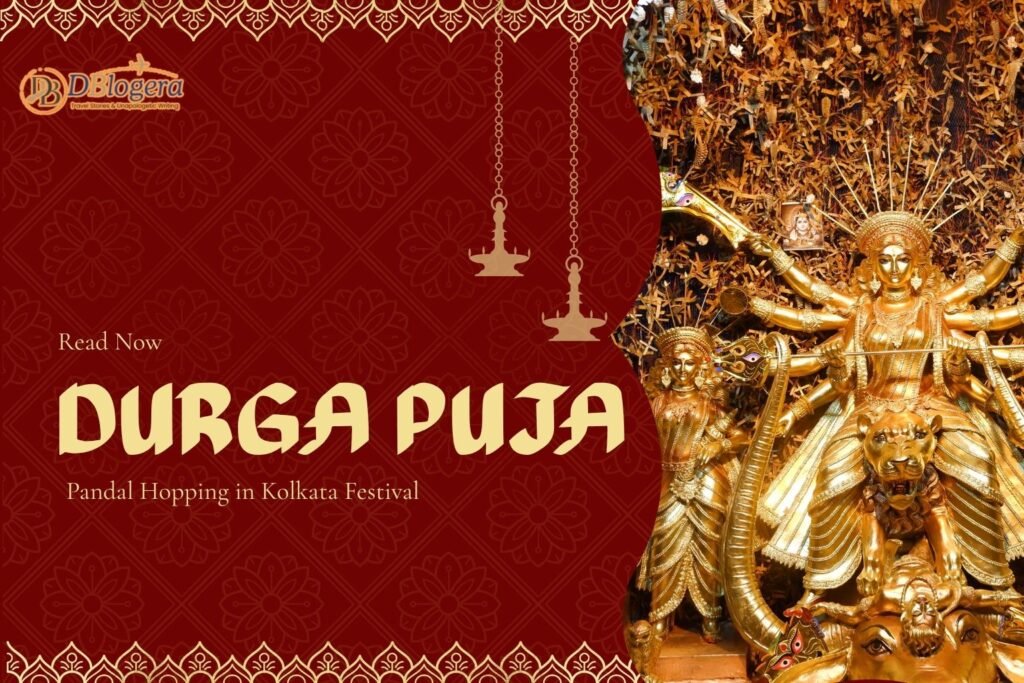
Follow us on Facebook, Instagram, and Pinterest

Meghalaya Travel Guide 2026 – Explore India’s Most Beautiful Cloud Kingdom

Meghalaya is one of the most extraordinary destinations in Northeast India, where clouds drift through valleys, waterfalls fall from dramatic cliffs, rivers remain crystal clear, and villages preserve traditions that have survived for generations. The word Meghalaya literally means “abode of clouds,” and once travelers enter this hill state, the meaning becomes visible everywhere—from mist-covered roads to rolling green landscapes and sudden rain showers that create magical scenery every few kilometers.

Unlike crowded mainstream hill stations, Meghalaya offers a deeply immersive travel experience where nature dominates every route. Every district presents a different character: the Khasi Hills offer root bridges and misty valleys, the Jaintia Hills reveal caves and rivers, while the Garo Hills showcase forest biodiversity and wildlife.

What makes Meghalaya especially attractive in 2026 is its growing popularity among travelers who seek slow travel, eco-tourism, offbeat exploration, and authentic local culture. Whether someone is planning a solo backpacking trip, a honeymoon, a family vacation, or a photography expedition, Meghalaya offers landscapes that constantly surprise visitors.

The state is also culturally rich because tribal life remains deeply integrated with everyday tourism. The Khasi, Jaintia, and Garo communities shape Meghalaya’s identity through language, architecture, food, festivals, and village-level environmental responsibility.

Why Meghalaya has become one of India’s most desired travel destinations

  • Exceptional waterfalls in every region
  • Famous living root bridges are unique to Meghalaya
  • Clean villages and sustainable tourism practices
  • Scenic road trips through clouds and valleys
  • Transparent rivers are ideal for boating
  • Natural caves and trekking routes
  • Cool weather throughout most of the year
  • Strong local cultural identity
  • Excellent destination for photography and content creation

Traveling through Meghalaya feels less like moving from one tourist point to another and more like entering a living natural landscape where every road curve reveals a new dramatic scene 🌿✨

Best Time to Visit Meghalaya – Season-Wise Travel Planning

Choosing the right season for Meghalaya significantly changes the kind of experience travelers enjoy because the same location looks dramatically different in monsoon, winter, and summer. Meghalaya is one of the few Indian destinations where rain itself becomes part of tourism identity, but different seasons suit different travel goals.

The most preferred travel season is from October to April because roads remain more stable, skies are clearer, and long sightseeing days become easier. However, monsoon lovers often deliberately visit during rainfall because waterfalls become more powerful and forests turn intensely green.

Each season has its own advantages depending on whether travelers prioritize waterfalls, trekking, clear photography, or cultural exploration.

Winter Season in Meghalaya (October to February)

Winter is considered the most balanced season for Meghalaya travel because temperatures remain comfortable while visibility improves significantly across valleys and viewpoints.

Shillong becomes especially attractive during winter because mornings remain crisp and evenings create a cozy hill-town atmosphere.

Why winter is ideal

  • Clear views at major viewpoints
  • Comfortable trekking weather
  • Better road conditions
  • Perfect boating season in Dawki
  • Ideal for photography

Temperature Range

  • Day: 12°C to 18°C
  • Night: 4°C to 10°C

Winter mornings often begin with thin mist that slowly lifts, revealing beautiful valleys and pine-covered slopes.

Summer Season in Meghalaya (March to May)

Summer remains mild compared to most parts of India, making Meghalaya an excellent escape from heat.

Advantages of summer travel

  • Pleasant daytime climate
  • Fewer weather disruptions
  • Easy waterfall access
  • Good for village tourism

Summer is ideal for travelers who want relaxed exploration without heavy rainfall.

Monsoon Season in Meghalaya (June to September)

Monsoon defines Meghalaya’s natural identity. During these months, waterfalls become enormous, rivers swell, and clouds dominate every mountain road.

Cherrapunji becomes especially dramatic during monsoon because rainfall intensifies every waterfall and cliff.

Monsoon highlights

  • Massive waterfall flow
  • Deep green landscapes
  • Cloud-filled valleys
  • Highly dramatic photography

Monsoon challenges

  • Slippery roads
  • Delayed travel timing
  • Limited long-distance movement

For travelers who love dramatic landscapes, the monsoon offers Meghalaya at its most powerful 🌧️

How to Reach Meghalaya – Complete Transport Guide

Although Meghalaya itself does not have extensive railway connectivity, reaching the state is straightforward because nearby Guwahati serves as the main transport gateway.

Almost every Meghalaya itinerary begins from Guwahati because flights, trains, and road transport are easily available there.

By Air – Nearest Airport for Meghalaya

The nearest major airport is Lokpriya Gopinath Bordoloi International Airport.

This airport connects Meghalaya with major Indian cities including Delhi, Mumbai, Bengaluru, Kolkata, and Hyderabad.

Airport advantages

  • Frequent flights
  • Better pricing options
  • Easy taxi access

Guwahati to Shillong distance

  • Approx 100 km
  • Travel time: 3 to 4 hours

By Train – Best Railway Option

Guwahati Railway Station is the most practical rail entry point.

Why do train travelers prefer Guwahati

  • Budget friendly
  • Major long-distance connectivity
  • Easy onward taxi booking

By Road – Most Scenic Way to Enter Meghalaya

The road from Guwahati to Shillong is itself one of the highlights of Meghalaya travel.

Scenic road experience includes

  • Rolling hills
  • Cloud patches
  • Tea stops
  • Valley curves

Shared cabs, buses, and private taxis are easily available.

Places to Visit in Meghalaya

Shillong – Meghalaya’s Cultural Capital and Travel Gateway

Shillong is not just Meghalaya’s capital but also its most culturally vibrant destination. Often called Scotland of the East, Shillong combines natural beauty, colonial influence, local music culture, modern cafes, and hill-town charm.

Shillong serves as the ideal base for first-time travelers because most Meghalaya routes begin here. The city has enough attractions to justify at least two full days of exploration.

Unlike purely scenic destinations, Shillong also offers urban energy. Travelers can move from peaceful viewpoints to lively cafés within minutes.

Umiam Lake – Meghalaya’s Most Scenic Entry Point

Umiam Lake appears before entering Shillong and often becomes the first major stop for visitors.

This massive lake surrounded by hills creates one of the most peaceful landscapes in Northeast India.

Activities at Umiam Lake

  • Boating
  • Kayaking
  • Photography
  • Sunrise viewing

Why travelers stop here

  • Easy access from highway
  • Wide panoramic views
  • Calm atmosphere

Shillong Peak – Highest Viewpoint Near the City

Shillong Peak provides panoramic views of the city and the surrounding hills.

Best time to visit

  • Morning
  • Late afternoon

Carry with you

  • Light jacket
  • Camera
  • Water bottle

Police Bazaar – Shopping and Street Energy

Police Bazaar remains Shillong’s busiest market area.

Popular shopping items

  • Tribal shawls
  • Bamboo crafts
  • Local snacks
  • Handmade souvenirs

Shillong’s evening energy makes it one of Northeast India’s most enjoyable urban travel experiences 🌆

Cherrapunji – Land of Rain, Cliffs and Legendary Waterfalls

Cherrapunji remains Meghalaya’s most iconic destination because of its extreme rainfall history, dramatic cliffs, waterfalls, and root bridge landscapes.

Even though modern records now often mention nearby areas like Mawsynram for the highest rainfall, Cherrapunji continues to dominate tourism because of accessibility and variety.

Nohkalikai Falls – India’s Tallest Plunge Waterfall

Nohkalikai Falls is one of India’s most visually striking waterfalls.

The waterfall drops dramatically from high cliffs into a turquoise pool below.

Why is it unforgettable

  • Massive vertical drop
  • Beautiful color contrast
  • Mist effects in the monsoon

Best season

  • Monsoon
  • Post monsoon

Seven Sisters Falls – Multi-Layer Waterfall Spectacle

Seven Sisters Falls becomes most powerful during rainfall season.

Highlights

  • Seven visible streams
  • Wide valley backdrop
  • Sunset photography

Mawsmai Cave – Easy Cave Exploration

Mawsmai Cave introduces travelers to Meghalaya’s limestone cave systems.

Inside experience

  • Narrow rock passages
  • Limestone textures
  • Natural light openings

Living Root Bridges – Meghalaya’s Most Extraordinary Natural Wonder

The living root bridges are among the rarest forms of natural architecture in the world. Khasi communities guide tree roots for decades until they become functional bridges capable of supporting human movement.

These bridges represent sustainability, patience, and local ecological intelligence.

Double Decker Root Bridge Trek

The Double Decker Living Root Bridge is Meghalaya’s most famous trek.

The descent includes thousands of steps through the forest, streams, and hanging bridges.

Trek essentials

  • Good trekking shoes
  • Water
  • Light backpack
  • Energy snacks

Trek difficulty

  • Moderate
  • Requires stamina

Rainbow Falls Extension Trek

Beyond Nongriat, adventurous trekkers continue toward hidden waterfalls.

Why continue further

  • Less crowd
  • Strong scenic reward
  • Clear natural pools

The trek is physically demanding but unforgettable 🥾

Dawki – Crystal Water and Border Landscape

Dawki has become globally famous because of the transparent water of the Umngot River.

In winter, boats appear to float in the air because the water becomes exceptionally clear.

Boating in the Umngot River

The Meghalaya Travel Guide is incomplete without a boating experience as, this remains Meghalaya’s most photographed boating experience.

Why is boating special

  • Extraordinary water clarity
  • Reflection photography
  • Calm atmosphere

Best season

  • November to February

Suspension Bridge Views

Border Experience

Dawki’s bridge provides strong river visuals.

Nearby routes reveal the India-Bangladesh border landscape.

Mawlynnong – India’s Cleanest Village Experience

Mawlynnong represents community-led eco-tourism.

The village remains globally admired because cleanliness is maintained through local participation rather than tourism branding alone.

Village Walk

Walking through Mawlynnong reveals:

  • Bamboo pathways
  • Flower gardens
  • Traditional homes

Bamboo Sky View Tower

The tower offers distant Bangladesh plains views.

Sustainable Tourism Learning

Visitors often learn:

  • Waste segregation
  • Local environmental discipline
  • Community tourism ethics

Meghalaya Food Guide – Local Flavours Every Traveler Should Try

Meghalaya cuisine is simple, earthy, and deeply linked to tribal food traditions.

Jadoh

Jadoh is the most famous Khasi rice dish.

Dohneiiong

Dohneiiong includes pork cooked with sesame.

Tungrymbai

Tungrymbai uses fermented soybeans.

Best places to eat

  • Shillong local cafes
  • Traditional eateries
  • Homestays

Meghalaya Travel Guide- Budget 2026

Meghalaya Budget Travel entirely depends on your choices and trip budget. Budget depends heavily on transport style, food Options, the stay you select, and activities you choose.

Budget Travel

  • ₹1500–₹2500/day

Mid Range

  • ₹3500–₹6000/day

Premium Travel

  • ₹8000+ daily

Major expenses

  • Taxi
  • Stay
  • Food
  • Entry fees

Essential Meghalaya Travel Tips for 2026

Carry always

  • Rain protection
  • Cash
  • Trek shoes
  • Warm layer

Respect local culture

  • Ask before photographing people
  • Avoid littering
  • Follow village rules

Connectivity notes

  • Mobile signal is weak in remote zones

Why Meghalaya Should Be on Every Traveler’s 2026 Bucket List

Meghalaya offers something increasingly rare in modern tourism: genuine natural immersion without excessive commercialization. It is a destination where waterfalls are not background scenery but living forces, where villages teach environmental responsibility, and where every road reveals dramatic beauty.

Unlike destinations that rely on one or two major attractions, Meghalaya continuously rewards movement—every extra kilometer introduces a new cliff, cave, stream, or cloud formation.

For travelers seeking beauty, silence, adventure, and meaningful travel, Meghalaya remains one of India’s strongest experiences in 2026 🌿☁️✨

Hidden Places in Meghalaya Most Tourists Miss

Many travelers only cover Shillong, Cherrapunji, Dawki, and Mawlynnong, but Meghalaya has several hidden destinations that offer extraordinary beauty with fewer crowds. So, in my opinion, if you are planning to travel to Meghalaya, this Meghalaya Travel Guide suggests you cover all the hidden places too for the extra ordinary experience.

1. Mawphlang – Sacred Forest Experience

Mawphlang is one of Meghalaya’s most spiritually significant hidden places because of its sacred forest protected by Khasi traditions.

The forest contains ancient trees, medicinal plants, moss-covered stones, and ritual history.

Why visit Mawphlang

  • Dense ancient forest
  • Unique cultural heritage
  • Guided forest walks

Best experience

  • Morning guided trail
  • Slow nature photography

2. Laitlum Canyons – Meghalaya’s Most Dramatic Valley View

Laitlum Canyons remains one of the most visually powerful hidden viewpoints in Meghalaya.

The word Laitlum means the end of hills, and the landscape truly feels endless.

Why Laitlum is special

  • Massive valley depth
  • Low tourist density
  • Ideal sunrise photography

Best time

  • Early morning
  • Sunset

3. Mawlyngbna – Adventure Village Hidden from Mainstream Tourism

Mawlyngbna is emerging as one of Meghalaya’s most exciting hidden eco-tourism villages. It combines water adventure with geology and rural tourism.

Activities here

  • Kayaking
  • Cliff jumping
  • Fossil spotting
  • Village stay

4. Krang Suri Falls – Hidden Blue Waterfall

Krang Suri is one of Meghalaya’s most beautiful hidden waterfalls because of its vivid blue water.

Unlike larger famous waterfalls, Krang Suri offers intimate natural beauty.

Why travelers love it

  • Swimming possible
  • Strong turquoise water
  • Less commercial feel

5. Phe Phe Falls – Secret Waterfall Trek

Phe Phe Falls remains less explored because reaching it requires effort.

Why worth visiting

  • Twin waterfall effect
  • Remote landscape
  • Fewer tourists

6. Shnongpdeng – Better Alternative to Dawki Stay

Many travelers visit Dawki but miss Shnongpdeng, which offers more immersive river experiences.

Why stay here

  • Riverside camping
  • Clear water activities
  • Fewer crowds

Activities

  • Snorkeling
  • Cliff diving
  • Boating

7. Wei Sawdong Falls – Hidden Multi-Level Waterfall

Wei Sawdong is one of Meghalaya’s most photogenic hidden waterfalls.

Why it stands out

  • Three-level waterfall structure
  • Deep blue pools
  • Dramatic staircase descent

8. Mawsynram – Beyond the Rainfall Record

Though famous for rainfall, Mawsynram is still less explored than Cherrapunji.

Hidden attractions

  • Mist-covered roads
  • Village landscapes
  • Cave exploration

Suggested 8-Day Meghalaya Itinerary

Day 1 – Guwahati to Shillong

Day 2– Shillong local sightseeing

Day 3– Shillong to Cherrapunji

Day 4– Root bridge trek

Day 5– Waterfalls and caves

Day 6– Dawki + Mawlynnong

Day 7– Village exploration

Day 8– Return to Guwahati

Also, give a read:
15 Best Mountain Destinations in India
Top Indian Devotional Destinations to Visit in 2026
Follow us on:
Facebook
Instagram
Pinterest

Here are a few FAQs for the Meghalaya Travel Guide

1. What is the best time to visit Meghalaya?

The best time to visit Meghalaya is from October to April because the weather remains pleasant, road conditions are better, and major attractions are easier to explore. Winter offers clear skies, ideal conditions for sightseeing, trekking, and photography, especially in Shillong, Cherrapunji, and Dawki.

Best seasonal choices

  • October to February for clear views
  • March to April for mild weather
  • June to September for waterfalls and monsoon lovers

2. How many days are enough for Meghalaya?

A 7 to 8-day trip is considered ideal for Meghalaya because it allows travelers to comfortably explore major destinations without rushing.

Recommended trip duration

  • 3 days for major highlights only
  • 5 days for popular destinations
  • 7 to 8 days for the complete experience

Places covered in 7 days

  • Shillong
  • Cherrapunji
  • Dawki
  • Mawlynnong
  • Nongriat

3. Is Meghalaya expensive for tourists?

Meghalaya can be explored on different budgets depending on accommodation and transport choices.

Budget estimate per day

  • Budget trip: ₹1500–₹2500
  • Mid-range trip: ₹3500–₹6000
  • Premium trip: ₹8000+

Main expenses include

  • Taxi fares
  • Hotels
  • Food
  • Entry tickets

4. Is Shillong safe for solo travelers?

Shillong is considered one of the safest hill cities in Northeast India. Solo travelers, including women travelers, often choose Shillong because the city has a calm environment, active local community, and tourist-friendly atmosphere.

Safety advantages

  • Friendly local culture
  • Good urban connectivity
  • Tourist presence throughout the year

5. Which is better: Cherrapunji or Dawki?

Both destinations offer completely different experiences.

Cherrapunji is best for

  • Waterfalls
  • Caves
  • Root bridges
  • Valley viewpoints

Dawki is best for

  • Crystal clear river
  • Boating
  • Riverside photography

Travelers should ideally include both.

6. What food is famous in Meghalaya?

Meghalaya’s local cuisine reflects Khasi and tribal food traditions.

Must try dishes

  • Jadoh
  • Dohneiiong
  • Tungrymbai

7. Can Meghalaya be visited in the monsoon?

Yes, Meghalaya becomes extremely beautiful during the monsoon, but travelers should expect slower road movement and slippery trekking routes.

Monsoon advantages

  • Strong waterfalls
  • Lush landscapes
  • Dramatic cloud scenery

Monsoon caution

  • Carry waterproof gear
  • Start travel early

8 What is the nearest airport to Meghalaya?

The nearest major airport is Lokpriya Gopinath Bordoloi International Airport.

Most travelers reach Meghalaya through Guwahati and continue by road.