Category

Devotional

Category

Not every trip needs weeks of planning, expensive bookings, or long leaves from work. Sometimes, the best memories come from sudden decisions—and this sudden weekend Trip to Haridwar from Delhi via Meerut is a perfect example.

This is a real-life travel experience of a quick weekend getaway from Ghaziabad to Haridwar via Meerut, completed in less than 24 hours. It was budget-friendly, family-oriented, and surprisingly refreshing.

If you’re living in Delhi NCR, Ghaziabad, or Meerut, and looking for a short escape that blends spirituality, road trip vibes, and local exploration—this guide is exactly what you need.

Trip Overview – Quick Snapshot

  • Start Location: Ghaziabad
  • Pickup Point: MIET Meerut
  • Destination: Haridwar, Uttarakhand
  • Total Duration: ~24 hours
  • Mode of Travel: Car (Road Trip)
  • Best For: Family trip, spiritual getaway, quick weekend break
  • Budget Range: ₹2000–₹3500 per person

Journey Begins – Ghaziabad to Meerut to Haridwar

The journey kicked off around 3:30 PM, when my family left Ghaziabad for Haridwar. Since I was at my workplace—MIET Meerut, they picked me up at around 4:10 PM, making it a perfectly aligned route without any unnecessary detours.

This route is ideal for road trips because of its decent highway conditions and connectivity. The timing worked in our favor as well—starting in the late afternoon meant avoiding peak traffic while enjoying a pleasant evening drive.

We took just one short break during the journey, mainly to stretch and refresh. The rest of the drive was smooth, filled with casual conversations, music, and those simple road trip moments that make journeys memorable.

Reaching Haridwar – Smooth Arrival Experience

By 7:40 PM, we reached Haridwar without any major delays. The entry into the city felt lively yet spiritual—something Haridwar is known for.

Since it was already evening, we directly headed to our pre-decided budget stay to freshen up before exploring the area.

Go Trough: Ghaziabad to haridwar Road Trip

Budget Stay in Haridwar – Shri Shyam Sundar Bhawan Review

Shri Shyam Sundar Bhawan Haridwar

We stayed at Shyam Sundar Bhawan, which turned out to be a practical and budget-friendly option.

✅ Key Highlights:

  • Affordable pricing (ideal for short trips)
  • Clean and decent rooms
  • Suitable for families
  • Basic amenities available
  • Good enough for an overnight stay

For a trip where you’re mostly out exploring, spending heavily on luxury hotels doesn’t make much sense. This stay offered exactly what we needed—comfort at a reasonable price.

Night Walk at Ganga Ghat – A Peaceful Experience

After checking in and having dinner, we stepped out for a walk near the Ganga Ghat—and this turned out to be the most calming part of the entire trip.

The atmosphere was completely different from city chaos:

  • Cool breeze flowing from the river
  • Soft sounds of water
  • Peaceful surroundings with spiritual vibes

This is something you don’t get in metro cities. That quiet moment by the Ganga instantly refreshed us after the journey.

If you’re visiting Haridwar, don’t miss a night walk near the ghat—it’s simple yet deeply relaxing.

Day 2 – Visit to Hari Ki Pauri (Ground Reality)

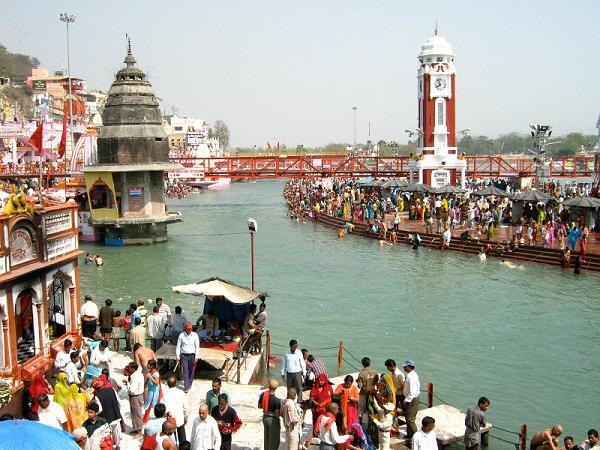
Hari Ke Pauri

The next morning, we planned to visit the famous Hari Ki Pauri, one of the most iconic spots in Haridwar.

However, as soon as we reached the area, we were met with extremely high crowd levels. Being a weekend, the place was packed to the point where moving comfortably or enjoying the experience became difficult.

⚠️ Reality Check:

  • Weekends = Heavy rush
  • Limited space near the main ghat
  • Hard to spend a peaceful time

Instead of forcing the visit, we made a smart call to skip the ghat and explore other aspects of the city.

Exploring Street Food & Local Markets in Haridwar

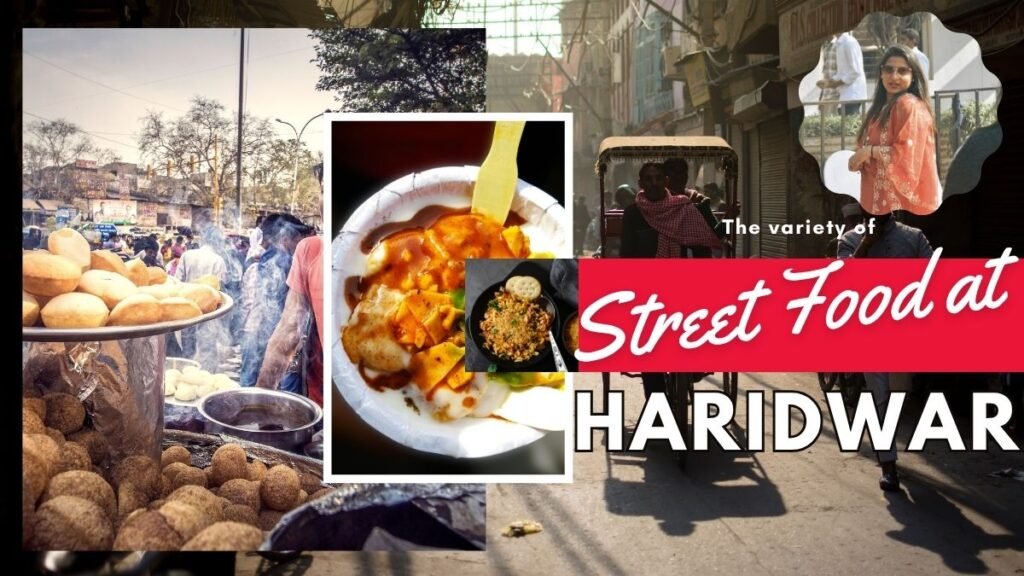
Haridwar street food

Skipping the ghat didn’t ruin the experience—in fact, it opened up another side of Haridwar.

We spent time exploring:

  • Local street food stalls 🤤
  • Small market lanes
  • Shops selling religious items & souvenirs

Must-Try Experiences:

  • Local chaat and snacks
  • Traditional sweets
  • Budget shopping for souvenirs

The streets of Haridwar have a raw, authentic charm. Even without visiting the main ghat, you can still feel the cultural and spiritual energy of the place.

Breakfast & Departure – Ending on a Full Note

After exploring the local market, we had a proper heavy breakfast, which gave us the energy to begin our return journey.

We decided to leave early to avoid traffic and make the most of the day.

  • Departure Time: 10:30 AM

Return Journey & Lunch Stop at Shiva Dhaba

The return drive was smooth and well-paced. On the way, we stopped for lunch at Shiva Dhaba, a typical highway dhaba experience.

Why this stop stood out:

  • Freshly prepared food
  • Authentic dhaba taste
  • Relaxed highway vibe

These small stops often become the most memorable parts of road trips.

Trip Ends – Back to Ghaziabad

We returned to Ghaziabad around 3:30 PM, completing the entire trip in less than 24 hours.

Despite being short, the trip felt complete—it had travel, food, exploration, and relaxation.

Detailed Budget Breakdown

Here’s an approximate cost for a similar trip:

🚗 Travel (Fuel)

₹1500–₹2500 (depending on car and fuel type)

🏨 Stay

₹800–₹1500 per night

🍜 Food

₹500–₹1000 per person

🛍️ Miscellaneous

₹300–₹500

👉 Total Estimated Cost: ₹2000–₹3500 per person

Practical Travel Tips for Haridwar Trip

  • Start early or travel in off-peak hours
  • Visit Hari Ki Pauri early morning for less crowd
  • Choose budget accommodations for short stays
  • Carry cash for local vendors
  • Keep your itinerary flexible
  • Avoid overplanning—let the trip flow naturally

Why Haridwar is Perfect for Last-Minute Travel Plans

One of the biggest advantages of choosing Haridwar for a quick getaway is its accessibility. Unlike hill stations that require detailed planning, hotel bookings, and weather checks, Haridwar is a destination that welcomes spontaneous travelers. Whether you decide in the morning or leave by afternoon, the city is always ready to offer a fulfilling experience. Therefore, your sudden budget-friendly weekend trip to Haridwar from Delhi via Meerut is a great driving experience and offers a perfect short, relaxing trip as well.

Its well-connected highways, frequent transport options, and availability of budget accommodations make it ideal for last-minute trips. You don’t need a rigid itinerary—just a rough plan is enough. This flexibility makes Haridwar stand out among other weekend destinations near Delhi NCR.

Also Read: Varanasi Trip Guide

What Makes Haridwar Different from Other Weekend Destinations

While there are many weekend destinations near Delhi NCR like Rishikesh, Mussoorie, or Nainital, Haridwar offers something unique—simplicity.

There’s no pressure to “cover” multiple tourist spots. The city doesn’t demand a packed itinerary. Instead, it allows you to slow down, observe, and absorb the surroundings.

Even a simple walk by the Ganga, a short market visit, or a peaceful moment sitting quietly can feel fulfilling. This minimalistic travel experience is what makes Haridwar stand out.

How Short Trips Improve Mental Well-Being

Even a short break from daily routine can have a significant impact on mental health. A change of environment, fresh air, and a different pace of life help reset your mind.

Trips like these provide a quick escape from work pressure, digital overload, and city chaos. The combination of travel, nature, and spirituality in Haridwar makes it even more effective for mental relaxation.

You return not just refreshed, but with a clearer mindset.

Emotional Value of Short Family Trips

In today’s fast-paced routine, long vacations are not always practical. However, short trips like this play a crucial role in maintaining strong family bonds. A 24-hour journey may seem small in duration, but the shared experiences—car conversations, food stops, and unplanned moments—create lasting memories.

What makes such trips special is the absence of pressure. There’s no checklist to complete, no strict timelines—just quality time spent together. These small escapes often turn out to be more meaningful than long, heavily planned vacations.

Weekend Trip to Haridwar from DelhiImportance of Flexible Travel Planning

One of the key learnings from this trip was the importance of staying flexible. Not everything goes as planned—crowds, weather, or time constraints can change your itinerary.

Instead of forcing plans, adapting to the situation often leads to better experiences. Skipping a crowded place and exploring something else can sometimes become the highlight of the trip.

Flexible travel not only reduces stress but also opens doors to unexpected discoveries.

Local Experiences Matter More Than Tourist Checklists

Modern travel is slowly shifting from “covering places” to “experiencing places.” This trip reinforced that idea.

Even without completing every major attraction, the experience felt complete because of small moments—walking by the river, trying local food, and exploring streets.

These local experiences often leave a deeper impact than visiting crowded tourist spots. It’s not about how many places you visit, but how well you experience them.

Final Thoughts – Why This Trip Works

This trip proves that you don’t need a long vacation to feel refreshed. A simple, well-timed road trip to Haridwar can give you a perfect mix of:

  • Spiritual calm
  • Family bonding
  • Local exploration
  • Budget travel satisfaction

Even though we couldn’t fully explore Hari Ki Pauri due to the crowd, the overall experience was still fulfilling.

Sometimes, it’s not about covering everything—it’s about enjoying whatever comes your way.

FAQs – Haridwar Weekend Trip

1. Is Haridwar suitable for a one-day or 24-hour trip?

Yes, Haridwar is perfect for a short 1-day or overnight trip, especially from Delhi NCR, Ghaziabad, and Meerut.

2. What is the best time to visit Haridwar to avoid crowds?

Early mornings on weekdays are the best. Avoid weekends and festival days if you want a peaceful experience.

3. How much does a Haridwar trip cost?

A budget trip can be completed within ₹2000–₹3500 per person, depending on travel and stay choices.

4. Is Hari Ki Pauri always crowded?

Yes, especially during weekends and evenings. For a calmer experience, visit early morning.

5. Can I travel to Haridwar by car from Ghaziabad?

Absolutely. It’s one of the best road trips near Delhi NCR, with good highway connectivity.

6. Are budget hotels easily available in Haridwar?

Yes, there are plenty of budget accommodations suitable for families and short stays.

Also Read: Top Indian Devotional Destinations to Visit in 2026

Follow us on :
Facebook
Instagram
Pinterest

Why a Varanasi Trip in 2026 Should Be on Every Traveler’s List

A Varanasi Trip is unlike any other journey in India because Varanasi offers an experience where spirituality, heritage, history, culture, and daily life exist together in a way that feels both timeless and deeply alive. Known by many names—Banaras, Kashi, and Varanasi—this ancient city is considered one of the oldest continuously inhabited cities in the world. Travelers come here not only to visit temples and ghats but also to witness rituals that have continued for centuries, hear temple bells echo through narrow lanes, and observe how the river shapes every part of local life. Here is the ultimate Varanasi Travel Guide 2026.

In 2026, tourism in Varanasi continues to grow because improved infrastructure, better road connectivity, and enhanced visitor facilities have made the city easier to explore while preserving its sacred identity. A thoughtfully planned Varanasi Trip helps visitors avoid confusion, especially because the city is dense, crowded, and layered with experiences that can overwhelm first-time travelers.

This blog is designed as both a Varanasi Travel Guide 2026 and a 4 Day Banaras Itinerary, helping travelers balance spiritual visits, local food exploration, heritage walks, and cultural experiences without rushing through the city. Whether you are traveling solo, with family, as a photographer, or as a pilgrim, Varanasi rewards slow observation.

Unlike modern tourist destinations, where attractions are isolated, in Varanasi every street becomes part of the journey. You may begin at a temple and unexpectedly discover a silk weaving lane, a hidden shrine, a classical music corner, or a centuries-old sweet shop. This is why an organized itinerary matters.

A complete Varanasi Trip in 2026 should include:

  • Sacred ghats and sunrise experiences
  • Temple visits
  • Street food discovery
  • Heritage architecture
  • Cultural evenings
  • Nearby excursions
  • Shopping for Banarasi silk
  • Quiet spiritual observation

The city offers different moods at different hours, and each time slot reveals something new.

Why Varanasi is Called the Spiritual Capital of India

Understanding the Sacred Identity of Banaras

Varanasi is often called the spiritual capital of India because for thousands of years it has remained central to Hindu belief systems, pilgrimage traditions, and sacred geography. It is believed that dying in Varanasi grants liberation, making the city spiritually significant beyond ordinary religious tourism.

The sacred identity of Varanasi comes from the combination of river, ritual, and mythology. Ganges River is not merely a river here—it is worshipped as a living goddess. Every dawn begins with offerings, chants, and bathing rituals. Pilgrims gather at ghats before sunrise because early morning is considered spiritually powerful.

A Varanasi Trip becomes meaningful when visitors understand that the city is not designed around sightseeing alone. The city operates according to sacred rhythms:

  • Morning river rituals
  • Temple offerings
  • Midday pilgrim movement
  • Evening aarti ceremonies
  • Night devotional activity

Many temples here are connected to cosmic symbolism. The old city itself is considered a sacred mandala.

This spiritual identity also influences architecture. Lanes are intentionally narrow because old urban planning evolved around temple-centered movement rather than vehicles.

Spiritual seekers often spend hours simply observing:

  • Priests chanting
  • Devotees offering flowers
  • Monks meditating
  • Students reciting scriptures

The city teaches patience because its spiritual experience cannot be rushed.

Best Time for a Varanasi Trip in 2026

Seasonal Planning for Maximum Comfort and Experience

The best season for a Varanasi Trip in 2026 is between October and March because weather remains comfortable for walking, boat rides, and temple visits.

Winter Season (October to February)

Winter is considered ideal because temperatures stay pleasant, especially for early morning activities. Sunrise at the ghats becomes magical during winter mist.

Advantages:

  • Comfortable daytime exploration
  • Better photography conditions
  • Festival season
  • Ideal for long walking tours

Summer Season (March to June)

Summer becomes extremely hot, often making midday movement difficult.

However:

  • Fewer tourists
  • Lower hotel prices
  • Easier temple access in the early morning

Monsoon Season (July to September)

Rain transforms the city dramatically. Ghats often change in appearance due to rising river levels.

Monsoon benefits:

  • Atmospheric photography
  • Strong spiritual mood
  • Reduced crowds in some areas

For first-time visitors, winter remains the safest choice for a successful Varanasi Trip.

How to Reach Varanasi in 2026

Transport Options for Domestic and International Travelers

Reaching Varanasi has become easier because transport connectivity continues improving.

By Air

Lal Bahadur Shastri International Airport connects major Indian cities and some international routes.

Airport to city time:

  • 45 minutes to 1 hour, depending on traffic

By Train

Varanasi is one of India’s strongest rail hubs.

Major stations:

  • Varanasi Junction railway station
  • Banaras railway station

Train travel remains ideal for budget travelers.

By Road

Road travel from nearby cities has improved significantly.

Approximate routes:

  • Prayagraj to Varanasi
  • Lucknow to Varanasi
  • Patna to Varanasi

A planned Varanasi Trip should include arrival during daylight for easier hotel check-in.

Also read: Ultimate Travel Guide to India 2026

Day 1 of 4 Day Banaras Itinerary: Ghats, Sunrise, and Evening Aarti

Starting Your Varanasi Trip with the River

Day one should begin before sunrise because the river defines the city, and you can’t afford to miss the morning aarti at any cost.

Sunrise Boat Ride

Start at Assi Ghat.

The sunrise boat ride reveals:

  • Ghats waking up
  • Ritual bathing
  • Morning chanting
  • Ancient architecture

As the boat moves northward, each ghat tells a story.

Important Ghats to Observe

  • Dashashwamedh Ghat
  • Manikarnika Ghat
  • Harishchandra Ghat

Evening Ganga Aarti

Return in the evening to Dashashwamedh Ghat.

This ceremony includes:

  • Fire rituals
  • Bells
  • Chanting
  • Synchronised priest movements

It remains one of the strongest highlights of any Varanasi Trip.

Day 2 of 4 Day Banaras Itinerary: Temples and Sacred Lanes

Exploring the Spiritual Core of the City

Day two should focus on temples.

Kashi Vishwanath Temple Visit

Kashi Vishwanath Temple remains the spiritual center.

Visitors should arrive early morning.

Important tips:

  • Carry minimal belongings
  • Follow security guidelines
  • Use official entry routes

Nearby Sacred Stops

  • Annapurna Devi Mandir
  • Kal Bhairav Temple

Walking the Old Lanes

The surrounding lanes offer:

  • Brass shops
  • Flower sellers
  • Religious books
  • Hidden shrines

Every corner adds depth to a Varanasi Trip.

Day 3 of 4 Day Banaras Itinerary: Heritage, Food, and Culture

Understanding Banaras Beyond Pilgrimage

A complete Varanasi Trip must include food and heritage.

Banarasi Breakfast Experience

Try:

  • Kachori
  • Jalebi
  • Malaiyyo (seasonal)

Banaras Hindu University Area

Banaras Hindu University offers a calmer atmosphere.

Visit:

  • New Vishwanath Temple

Cultural Observation

Evening music programs often occur seasonally in heritage zones.

Day 4 of 4 Day Banaras Itinerary: Sarnath and Shopping

Completing the Journey with History and Reflection

A final day should include nearby heritage.

Visit to Sarnath

Sarnath is where Buddha gave his first sermon.

Important sites:

  • Dhamek Stupa
  • Sarnath Archaeological Museum

Shopping for Banarasi Identity

Buy:

  • Banarasi saree
  • Brass items
  • Wooden souvenirs

Where to Stay During a Varanasi Trip

Choosing the Right Area

Stay near:

  • Assi Ghat for calm atmosphere
  • Dashashwamedh area for activity
  • Cantonment for comfort

Each area suits different travelers.

Food Guide for Varanasi Trip

Essential Local Flavors

Must try:

  • Tamatar chaat
  • Baati chokha
  • Lassi
  • Banarasi paan

Paan is culturally important here.

Practical Travel Tips for Varanasi 2026

Smart Planning for a Smooth Experience

Important advice:

  • Walk whenever possible
  • Start early
  • Carry cash
  • Respect rituals
  • Dress modestly
  • Avoid crowd panic

A good Varanasi Trip depends on patience.

Nightlife of Varanasi Beyond Temples and Rituals

Many first-time visitors assume that a Varanasi Trip ends after evening prayers, but nighttime in Varanasi reveals an entirely different energy that deserves careful attention. Unlike metropolitan nightlife built around clubs or entertainment districts, Banaras offers a slower and more atmospheric night culture shaped by conversations, food, music, and river silence. After the crowds begin leaving the major ghats, several stretches near the river become unexpectedly calm, allowing travelers to experience the city in a contemplative mood.

One of the most rewarding night experiences is walking after the evening ceremony along the riverfront beyond Dashashwamedh Ghat toward quieter ghats where lamps still burn, and local residents continue evening routines. The reduced crowd changes the visual atmosphere completely. Temple bells continue in the distance, but narrow lanes become dominated by tea stalls, slow conversations, and local snack vendors serving late-night specialties.

Banaras also has a long tradition of classical music, and depending on the season, travelers may find small cultural gatherings hosted in heritage spaces, educational institutions, or community courtyards. These intimate performances often include vocal recitals, tabla, or sitar presentations that connect visitors to the city’s intellectual and artistic identity.

Late evening food remains another strong part of the experience. Thick milk preparations, sweets, and fresh street snacks continue well after dark in selected lanes. A night-focused Varanasi Trip also helps photographers because artificial light creates dramatic textures across stone steps, temple walls, and old balconies.

Banaras at night is not loud; it is layered, patient, and deeply atmospheric, offering travelers a different emotional understanding of the city.

FAQs About Varanasi Travel Guide 2026

Is 4 days enough for a Varanasi Trip?

Yes, four days allow spiritual visits, food exploration, cultural observation, and one nearby excursion.

Which month is best for Varanasi in 2026?

October to February remains ideal.

Is Varanasi safe for solo travelers?

Yes, but crowded zones require awareness.

What is the best sunrise ghat?

Assi Ghat is ideal.

Can I cover Sarnath in half a day?

Yes, half day is sufficient.

Is photography allowed everywhere?

Not inside many temple interiors.

What should first-time visitors avoid?

Avoid overplanning too many temple visits in one day.

Also Read
Top Indian Devotional Destinations to Visit in 2026
Top Budget Travel Destinations for Indians in 2026

Follow us on:
Facebook
Instagram
Pinterest

Indian Devotional Destinations – A Complete Guide to Sacred Travel in India

India is known as the land of spirituality, faith, and ancient traditions. For centuries, people from across the world have visited India in search of divine blessings, inner peace, and spiritual awakening. From magnificent temples and sacred rivers to revered gurudwaras and historic mosques, the country is home to countless pilgrimage sites that hold deep religious significance.

Indian devotional destinations are not just places of worship—they represent centuries of culture, mythology, architecture, and spiritual heritage. Each site tells a story rooted in ancient scriptures, legends, and devotion. Whether it is witnessing the Ganga Aarti in Varanasi, walking the sacred paths of Kedarnath, or experiencing the peaceful atmosphere of the Golden Temple, every pilgrimage becomes a transformative journey.

In this comprehensive guide, we explore the most important Indian devotional destinations, including their religious importance, best time to visit, travel tips, and practical planning advice.

Why India is Famous for Devotional Tourism

India’s spiritual landscape is incredibly diverse. With major religions such as Hinduism, Buddhism, Sikhism, Islam, and Jainism flourishing here, the country offers an extraordinary variety of devotional destinations.

Every region of India holds sacred places where pilgrims gather for prayer, meditation, and rituals. Many of these sites are mentioned in ancient scriptures such as the Vedas, Puranas, and Buddhist texts.

Key Reasons India Attracts Devotional Travelers

  • Thousands of ancient temples and religious monuments
  • Sacred rivers like the Ganga, the Yamuna, and the Godavari
  • Historic pilgrimage circuits such as Char Dham and Jyotirlinga
  • Spiritual festivals and religious gatherings
  • Meditation and yoga retreats
  • Cultural heritage and mythological significance

Devotional tourism in India continues to grow as travelers seek meaningful experiences beyond traditional sightseeing.

Top Indian Devotional Destinations to Visit

India has hundreds of pilgrimage sites, but some stand out due to their historical importance, architectural beauty, and deep spiritual influence. Below are some of the most famous devotional destinations in the country.

Varanasi – The Spiritual Capital of India

Varanasi is one of the oldest continuously inhabited cities in the world and a sacred destination for Hindus. Situated on the banks of the Ganges River, this ancient city is believed to grant liberation (moksha) to those who die here.

The city’s spiritual atmosphere is unmatched. Pilgrims visit to take a holy dip in the Ganga, perform ancestral rituals, and attend the mesmerizing Ganga Aarti ceremony held every evening.

Highlights of Varanasi

  • Kashi Vishwanath Temple – One of the twelve Jyotirlingas
  • Dashashwamedh Ghat – Famous for Ganga Aarti
  • Manikarnika Ghat – Sacred cremation site
  • Sarnath – Important Buddhist pilgrimage site
  • Boat ride on the Ganges at sunrise

Best Time to Visit

  • October to March for pleasant weather.

Travel Tips

  • Visit the ghats early morning for the most spiritual experience.
  • Respect local customs and dress modestly.
  • Book accommodations near the ghats for easy access.

Here’s the Complete Varanasi Travel Guide 2026

Tirupati – Home of Lord Venkateswara

Tirupati in Andhra Pradesh is one of the richest and most visited temples in the world. The Tirumala Venkateswara Temple attracts millions of devotees every year who come seeking blessings from Lord Balaji.

The temple stands atop the Tirumala Hills and offers a deeply spiritual environment surrounded by lush forests.

Highlights of Tirupati

  • Tirumala Venkateswara Temple
  • Srivari Mettu Pilgrim Path
  • Akasa Ganga Waterfall
  • Sri Padmavathi Ammavari Temple
  • Laddu Prasadam (famous temple offering)

Best Time to Visit

  • September to February.

Travel Tips

  • Book darshan tickets in advance online.
  • Early morning darshan offers a peaceful experience.
  • Avoid peak festival days if you want shorter waiting times.

Kedarnath – Sacred Himalayan Pilgrimage

Located in the Garhwal Himalayas, Kedarnath is one of the most revered temples dedicated to Lord Shiva. It is also part of the Char Dham pilgrimage circuit.

The temple sits at an altitude of over 3,500 meters and is surrounded by snow-covered peaks, creating a divine and awe-inspiring environment.

Highlights of Kedarnath

  • Kedarnath Temple (Jyotirlinga)
  • Bhairavnath Temple
  • Vasuki Tal Lake
  • Trekking route from Gaurikund
  • Scenic Himalayan landscapes

Best Time to Visit

  • May to June
  • September to October

Travel Tips

  • Prepare for high-altitude weather conditions.
  • Carry warm clothing even during summer.
  • Book helicopter services if you cannot trek.

Amritsar – The Golden Temple

Amritsar in Punjab is home to the Golden Temple, the holiest shrine of Sikhism. Known for its golden façade and peaceful surroundings, the temple welcomes visitors from all religions.

The spiritual atmosphere, combined with community service and the famous Langar (free meal), makes it a truly unique devotional destination.

Highlights of Amritsar

  • Harmandir Sahib (Golden Temple)
  • Akal Takht
  • Jallianwala Bagh Memorial
  • Wagah Border Ceremony
  • Guru Ka Langar

Best Time to Visit

  • October to March.

Travel Tips

  • Cover your head when entering the temple.
  • Remove shoes before entering the premises.
  • Participate in Langar to experience Sikh hospitality.

Rameswaram – Sacred Island Pilgrimage

Rameswaram is one of the holiest Hindu pilgrimage destinations located in Tamil Nadu. It is closely associated with the Ramayana and is believed to be the place where Lord Rama built a bridge to Lanka.

The Ramanathaswamy Temple here is famous for its magnificent corridors and sacred water tanks.

Highlights of Rameswaram

  • Ramanathaswamy Temple
  • Agni Theertham Beach
  • Pamban Bridge
  • Dhanushkodi Ghost Town
  • 22 Holy Temple Wells

Best Time to Visit

  • October to April.

Travel Tips

  • Perform the ritual bath in the temple wells early in the morning.
  • Combine the trip with Madurai and Kanyakumari.
  • Hire a local guide to understand temple rituals.

Bodh Gaya – Birthplace of Buddhist Enlightenment

Bodh Gaya in Bihar is the most important pilgrimage site for Buddhists worldwide. It is the place where Gautama Buddha attained enlightenment under the Bodhi Tree.

The Mahabodhi Temple complex is a UNESCO World Heritage Site and attracts monks and pilgrims from many countries.

Highlights of Bodh Gaya

  • Mahabodhi Templ
  • Bodhi Tree
  • Great Buddha Statue
  • International monasteries
  • Meditation centers

Best Time to Visit

  • October to March.

Travel Tips

  • Attend meditation sessions for spiritual experience.
  • Explore monasteries built by different countries
  • Visit during the Buddha Purnima festival.

Shirdi – Devotion to Sai Baba

Shirdi in Maharashtra is the sacred town associated with Sai Baba, a revered spiritual saint known for preaching love, equality, and compassion.

The Sai Baba Samadhi Temple receives millions of devotees every year seeking blessings and guidance.

Highlights of Shirdi

  • Sai Baba Samadhi Temple
  • Dwarkamai Mosque
  • Chavadi
  • Shani Shingnapur nearby
  • Sai Heritage Village

Best Time to Visit

  • August to March.

Travel Tips

  • Book VIP darshan passes online.
  • Avoid weekends for shorter queues.
  • Stay near the temple complex.

Jagannath Puri – One of the Char Dham

Jagannath Puri in Odisha is one of the four sacred Char Dham pilgrimage sites in Hinduism. The Jagannath Temple is dedicated to Lord Jagannath, a form of Lord Krishna.

The temple is famous for the grand Rath Yatra festival, where massive chariots carry the deities through the streets. The Indian Devotional Destinations list stays incomplete without Jagannath Puri.

Highlights of Puri

  • Jagannath Temple
  • Rath Yatra Festival
  • Puri Beach
  • Gundicha Temple
  • Chilika Lake nearby

Best Time to Visit

  • October to February.

Travel Tips

  • Visit during the Rath Yatra for a cultural experience.
  • Respect temple entry rules.
  • Try the Mahaprasad offered at the temple.

Best Time to Plan Devotional Travel in India

The ideal time to visit Indian devotional destinations depends on the region and climate.

Seasonal Guide

Winter (October–March)
Best for most pilgrimage destinations across India.

Summer (April–June)
Ideal for Himalayan pilgrimage sites like Kedarnath and Badrinath.

Monsoon (July–September)
Less crowded, but travel may be challenging in some areas.

Planning your trip according to weather conditions ensures a comfortable and safe pilgrimage.

Essential Tips for Planning Devotional Travel in India

Traveling to sacred places requires preparation, respect for traditions, and awareness of local customs.

Important Planning Tips:

Research Religious Practices

  • Understand temple rituals and customs before visiting.

Dress Modestly

  • Wear respectful clothing suitable for religious environments.

Book Accommodation Early

  • Pilgrimage towns can get crowded during festivals.

Follow Temple Rules

  • Photography and mobile phone usage may be restricted.

Travel Insurance

  • Recommended for high-altitude or remote destinations.

Popular Devotional Circuits in India

Many pilgrimage routes in India connect multiple sacred destinations, making spiritual journeys more meaningful.

Famous Pilgrimage Circuits

Char Dham Yatra

  • Badrinath
  • Kedarnath
  • Gangotri
  • Yamunotri

Jyotirlinga Circuit

  • 12 sacred Shiva temples across India

Buddhist Circuit

  • Lumbini
  • Bodh Gaya
  • Sarnath
  • Kushinagar

Shakti Peetha Circuit

  • Sacred temples dedicated to Goddess Shakti.

These circuits attract millions of devotees each year.

Cultural Experiences at Devotional Destinations

When thinking about the Indian Devotional Destinations, India offers more than religious visits. Travelers experience vibrant culture, festivals, and traditions.

Cultural Experiences

  • Temple festivals and processions
  • Traditional music and devotional chants
  • Community meals and charity services
  • Spiritual discourses and meditation sessions
  • Religious fairs and gatherings

These experiences allow travelers to understand India’s deep spiritual heritage.

Sustainable and Responsible Pilgrimage Travel

As devotional tourism grows, responsible travel becomes important to preserve sacred environments.

Responsible Travel Practices

  • Avoid littering in temple areas
  • Respect local traditions and communities
  • Support local artisans and businesses
  • Use eco-friendly travel options
  • Follow the guidelines at heritage sites

Responsible tourism ensures that sacred destinations remain preserved for future generations.

Final Thoughts on Indian Devotional Destinations

Indian devotional destinations offer travelers a unique opportunity to explore spirituality, culture, and history. From the sacred ghats of Varanasi to the serene monasteries of Bodh Gaya, every pilgrimage site provides a deeper understanding of faith and devotion.

Whether you are a spiritual seeker, cultural explorer, or curious traveler, visiting these sacred destinations can be a life-changing experience. The blend of ancient traditions, architectural marvels, and heartfelt devotion makes India one of the world’s most powerful spiritual travel destinations.

Planning your journey thoughtfully will allow you to fully immerse yourself in the divine energy and cultural richness of these holy places.

Most Frequently Asked Questions

1. What are the most popular Indian devotional destinations?

Some of the most popular Indian devotional destinations include Varanasi, Tirupati, Kedarnath, Rameswaram, Amritsar, Bodh Gaya, Shirdi, and Jagannath Puri. These places attract millions of pilgrims every year due to their religious significance and spiritual atmosphere.

2. Which is the most visited pilgrimage site in India?

Tirupati Balaji Temple in Andhra Pradesh is considered one of the most visited pilgrimage sites in India and the world. Millions of devotees visit the temple annually to seek blessings from Lord Venkateswara.

3. When is the best time to visit devotional destinations in India?

The best time to visit devotional destinations in India is during the winter months from October to March when the weather is pleasant. Himalayan pilgrimage sites are best visited between May and October.

4. What should travelers keep in mind while visiting religious places in India?

Visitors should dress modestly, respect temple customs, remove shoes before entering religious places, and follow photography restrictions where applicable. Planning accommodations and travel in advance is also recommended.

5. Are there pilgrimage circuits in India?

Yes, India has several famous pilgrimage circuits such as the Char Dham Yatra, Jyotirlinga circuit, Buddhist circuit, and Shakti Peetha circuit. These routes connect multiple sacred destinations and are highly popular among devotees.

6. Can international travelers visit Indian devotional destinations?

Yes, international travelers are welcome to visit most devotional destinations in India. Many sites like the Golden Temple and Bodh Gaya attract visitors from around the world who seek spiritual experiences and cultural exploration.

Also, give a read:
15 Best Mountain Destinations in India
10 Best Indian Desert Destinations

Follow us on:
Facebook
Instagram
Pinterest