
Category

Travel

Category

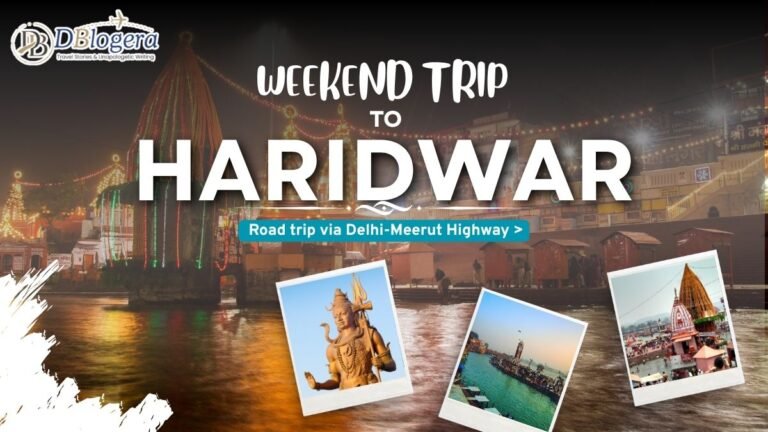
Not every trip needs weeks of planning, expensive bookings, or long leaves from work. Sometimes, the best memories come from sudden decisions—and this sudden weekend Trip to Haridwar from Delhi via Meerut is a perfect example.

This is a real-life travel experience of a quick weekend getaway from Ghaziabad to Haridwar via Meerut, completed in less than 24 hours. It was budget-friendly, family-oriented, and surprisingly refreshing.

If you’re living in Delhi NCR, Ghaziabad, or Meerut, and looking for a short escape that blends spirituality, road trip vibes, and local exploration—this guide is exactly what you need.

Trip Overview – Quick Snapshot

  • Start Location: Ghaziabad
  • Pickup Point: MIET Meerut
  • Destination: Haridwar, Uttarakhand
  • Total Duration: ~24 hours
  • Mode of Travel: Car (Road Trip)
  • Best For: Family trip, spiritual getaway, quick weekend break
  • Budget Range: ₹2000–₹3500 per person

Journey Begins – Ghaziabad to Meerut to Haridwar

The journey kicked off around 3:30 PM, when my family left Ghaziabad for Haridwar. Since I was at my workplace—MIET Meerut, they picked me up at around 4:10 PM, making it a perfectly aligned route without any unnecessary detours.

This route is ideal for road trips because of its decent highway conditions and connectivity. The timing worked in our favor as well—starting in the late afternoon meant avoiding peak traffic while enjoying a pleasant evening drive.

We took just one short break during the journey, mainly to stretch and refresh. The rest of the drive was smooth, filled with casual conversations, music, and those simple road trip moments that make journeys memorable.

Reaching Haridwar – Smooth Arrival Experience

By 7:40 PM, we reached Haridwar without any major delays. The entry into the city felt lively yet spiritual—something Haridwar is known for.

Since it was already evening, we directly headed to our pre-decided budget stay to freshen up before exploring the area.

Go Trough: Ghaziabad to haridwar Road Trip

Budget Stay in Haridwar – Shri Shyam Sundar Bhawan Review

Shri Shyam Sundar Bhawan Haridwar

We stayed at Shyam Sundar Bhawan, which turned out to be a practical and budget-friendly option.

✅ Key Highlights:

  • Affordable pricing (ideal for short trips)
  • Clean and decent rooms
  • Suitable for families
  • Basic amenities available
  • Good enough for an overnight stay

For a trip where you’re mostly out exploring, spending heavily on luxury hotels doesn’t make much sense. This stay offered exactly what we needed—comfort at a reasonable price.

Night Walk at Ganga Ghat – A Peaceful Experience

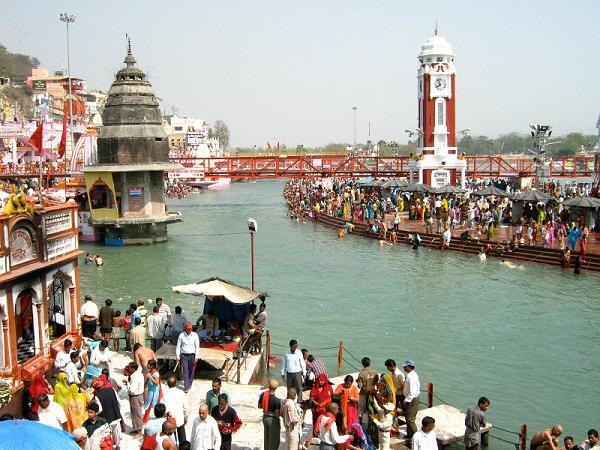
After checking in and having dinner, we stepped out for a walk near the Ganga Ghat—and this turned out to be the most calming part of the entire trip.

The atmosphere was completely different from city chaos:

  • Cool breeze flowing from the river
  • Soft sounds of water
  • Peaceful surroundings with spiritual vibes

This is something you don’t get in metro cities. That quiet moment by the Ganga instantly refreshed us after the journey.

If you’re visiting Haridwar, don’t miss a night walk near the ghat—it’s simple yet deeply relaxing.

Day 2 – Visit to Hari Ki Pauri (Ground Reality)

Hari Ke Pauri

The next morning, we planned to visit the famous Hari Ki Pauri, one of the most iconic spots in Haridwar.

However, as soon as we reached the area, we were met with extremely high crowd levels. Being a weekend, the place was packed to the point where moving comfortably or enjoying the experience became difficult.

⚠️ Reality Check:

  • Weekends = Heavy rush
  • Limited space near the main ghat
  • Hard to spend a peaceful time

Instead of forcing the visit, we made a smart call to skip the ghat and explore other aspects of the city.

Exploring Street Food & Local Markets in Haridwar

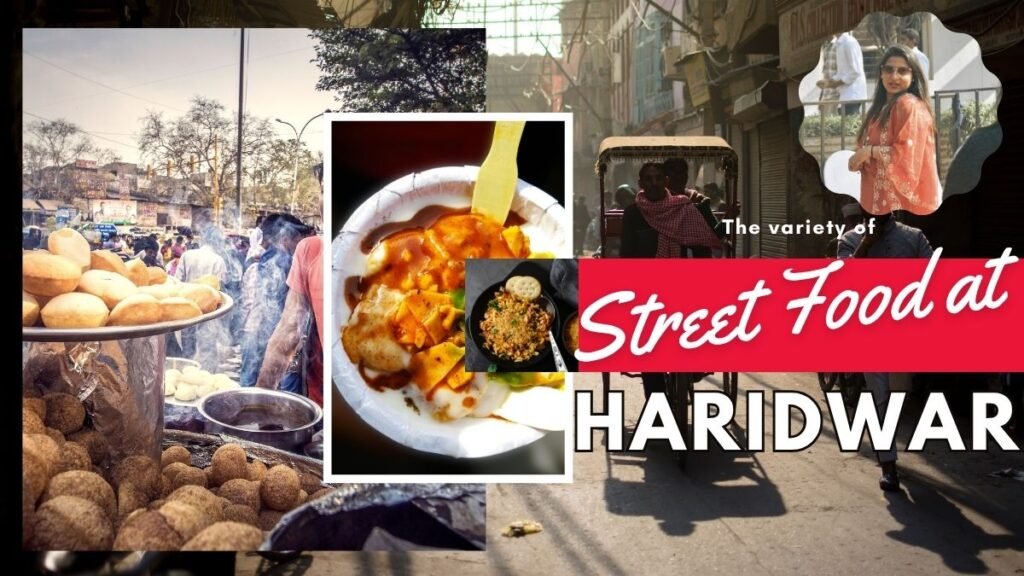
Haridwar street food

Skipping the ghat didn’t ruin the experience—in fact, it opened up another side of Haridwar.

We spent time exploring:

  • Local street food stalls 🤤
  • Small market lanes
  • Shops selling religious items & souvenirs

Must-Try Experiences:

  • Local chaat and snacks
  • Traditional sweets
  • Budget shopping for souvenirs

The streets of Haridwar have a raw, authentic charm. Even without visiting the main ghat, you can still feel the cultural and spiritual energy of the place.

Breakfast & Departure – Ending on a Full Note

After exploring the local market, we had a proper heavy breakfast, which gave us the energy to begin our return journey.

We decided to leave early to avoid traffic and make the most of the day.

  • Departure Time: 10:30 AM

Return Journey & Lunch Stop at Shiva Dhaba

The return drive was smooth and well-paced. On the way, we stopped for lunch at Shiva Dhaba, a typical highway dhaba experience.

Why this stop stood out:

  • Freshly prepared food
  • Authentic dhaba taste
  • Relaxed highway vibe

These small stops often become the most memorable parts of road trips.

Trip Ends – Back to Ghaziabad

We returned to Ghaziabad around 3:30 PM, completing the entire trip in less than 24 hours.

Despite being short, the trip felt complete—it had travel, food, exploration, and relaxation.

Detailed Budget Breakdown

Here’s an approximate cost for a similar trip:

🚗 Travel (Fuel)

₹1500–₹2500 (depending on car and fuel type)

🏨 Stay

₹800–₹1500 per night

🍜 Food

₹500–₹1000 per person

🛍️ Miscellaneous

₹300–₹500

👉 Total Estimated Cost: ₹2000–₹3500 per person

Practical Travel Tips for Haridwar Trip

  • Start early or travel in off-peak hours
  • Visit Hari Ki Pauri early morning for less crowd
  • Choose budget accommodations for short stays
  • Carry cash for local vendors
  • Keep your itinerary flexible
  • Avoid overplanning—let the trip flow naturally

Why Haridwar is Perfect for Last-Minute Travel Plans

One of the biggest advantages of choosing Haridwar for a quick getaway is its accessibility. Unlike hill stations that require detailed planning, hotel bookings, and weather checks, Haridwar is a destination that welcomes spontaneous travelers. Whether you decide in the morning or leave by afternoon, the city is always ready to offer a fulfilling experience. Therefore, your sudden budget-friendly weekend trip to Haridwar from Delhi via Meerut is a great driving experience and offers a perfect short, relaxing trip as well.

Its well-connected highways, frequent transport options, and availability of budget accommodations make it ideal for last-minute trips. You don’t need a rigid itinerary—just a rough plan is enough. This flexibility makes Haridwar stand out among other weekend destinations near Delhi NCR.

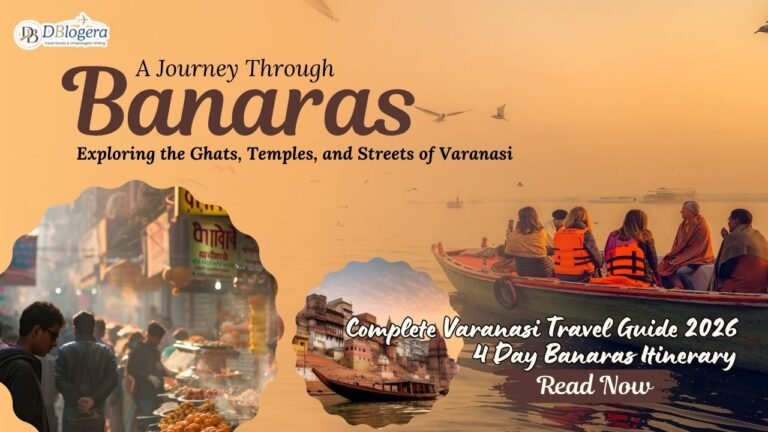
Also Read: Varanasi Trip Guide

What Makes Haridwar Different from Other Weekend Destinations

While there are many weekend destinations near Delhi NCR like Rishikesh, Mussoorie, or Nainital, Haridwar offers something unique—simplicity.

There’s no pressure to “cover” multiple tourist spots. The city doesn’t demand a packed itinerary. Instead, it allows you to slow down, observe, and absorb the surroundings.

Even a simple walk by the Ganga, a short market visit, or a peaceful moment sitting quietly can feel fulfilling. This minimalistic travel experience is what makes Haridwar stand out.

How Short Trips Improve Mental Well-Being

Even a short break from daily routine can have a significant impact on mental health. A change of environment, fresh air, and a different pace of life help reset your mind.

Trips like these provide a quick escape from work pressure, digital overload, and city chaos. The combination of travel, nature, and spirituality in Haridwar makes it even more effective for mental relaxation.

You return not just refreshed, but with a clearer mindset.

Emotional Value of Short Family Trips

In today’s fast-paced routine, long vacations are not always practical. However, short trips like this play a crucial role in maintaining strong family bonds. A 24-hour journey may seem small in duration, but the shared experiences—car conversations, food stops, and unplanned moments—create lasting memories.

What makes such trips special is the absence of pressure. There’s no checklist to complete, no strict timelines—just quality time spent together. These small escapes often turn out to be more meaningful than long, heavily planned vacations.

Weekend Trip to Haridwar from DelhiImportance of Flexible Travel Planning

One of the key learnings from this trip was the importance of staying flexible. Not everything goes as planned—crowds, weather, or time constraints can change your itinerary.

Instead of forcing plans, adapting to the situation often leads to better experiences. Skipping a crowded place and exploring something else can sometimes become the highlight of the trip.

Flexible travel not only reduces stress but also opens doors to unexpected discoveries.

Local Experiences Matter More Than Tourist Checklists

Modern travel is slowly shifting from “covering places” to “experiencing places.” This trip reinforced that idea.

Even without completing every major attraction, the experience felt complete because of small moments—walking by the river, trying local food, and exploring streets.

These local experiences often leave a deeper impact than visiting crowded tourist spots. It’s not about how many places you visit, but how well you experience them.

Final Thoughts – Why This Trip Works

This trip proves that you don’t need a long vacation to feel refreshed. A simple, well-timed road trip to Haridwar can give you a perfect mix of:

  • Spiritual calm
  • Family bonding
  • Local exploration
  • Budget travel satisfaction

Even though we couldn’t fully explore Hari Ki Pauri due to the crowd, the overall experience was still fulfilling.

Sometimes, it’s not about covering everything—it’s about enjoying whatever comes your way.

FAQs – Haridwar Weekend Trip

1. Is Haridwar suitable for a one-day or 24-hour trip?

Yes, Haridwar is perfect for a short 1-day or overnight trip, especially from Delhi NCR, Ghaziabad, and Meerut.

2. What is the best time to visit Haridwar to avoid crowds?

Early mornings on weekdays are the best. Avoid weekends and festival days if you want a peaceful experience.

3. How much does a Haridwar trip cost?

A budget trip can be completed within ₹2000–₹3500 per person, depending on travel and stay choices.

4. Is Hari Ki Pauri always crowded?

Yes, especially during weekends and evenings. For a calmer experience, visit early morning.

5. Can I travel to Haridwar by car from Ghaziabad?

Absolutely. It’s one of the best road trips near Delhi NCR, with good highway connectivity.

6. Are budget hotels easily available in Haridwar?

Yes, there are plenty of budget accommodations suitable for families and short stays.

Also Read: Top Indian Devotional Destinations to Visit in 2026

Follow us on :
Facebook
Instagram
Pinterest

Why Bali Trip Still Rules International Travel Dreams in 2026 🌊

Few destinations in the world manage to balance spirituality, luxury, affordability, tropical beauty, and adventure the way Bali does. Even in 2026, Bali remains one of the most searched international destinations for travelers looking for a complete experience—whether it is a honeymoon, solo journey, digital detox, luxury escape, or budget holiday.

What makes a Bali trip extraordinary is that every traveler finds a different version of the island. Some arrive for peaceful mornings among rice terraces, others for beach clubs and nightlife, others for temple trails, and still others for volcanic sunrises. Unlike many destinations that become repetitive after social media exposure, Bali still surprises people when they actually arrive.

The island offers an emotional contrast rarely found elsewhere: sacred temple rituals in the morning, waterfalls in the afternoon, and oceanfront dining by sunset. This layered experience keeps Bali highly relevant for global tourism year after year.

For Indian travelers especially, Bali has become one of the easiest international choices because of manageable travel costs, easy access, wide vegetarian food availability, and strong tourism infrastructure.

Best Time to Visit Bali in 2026 ☀️🌧️

Choosing the right season changes the entire Bali trip experience.

Dry Season (Best for First-Time Visitors)

April to October

This is considered the most comfortable period for a Bali trip because skies remain clear, humidity stays lower, and beaches look their best.

Ideal for:

  • island hopping
  • photography
  • surfing
  • temple visits
  • sunset travel

Monsoon Season (Budget Advantage)

November to March

Rain arrives in shorter bursts rather than all-day storms, making Bali still highly travelable.

Advantages:

  • lower hotel prices
  • fewer crowds
  • greener landscapes
  • better luxury deals

For budget-conscious DBlogera readers, this season often delivers better value.

Bali for Honeymoon Couples: Why Romance Feels Different Here 💛

For couples planning an international escape, Bali continues to hold a special place because romance here is not limited to luxury hotels or scenic beaches—it is built into the atmosphere of the island itself. Bali creates intimacy through space, silence, landscape, and sensory detail. Even simple moments often feel cinematic: breakfast facing a green valley, sunset from a cliff edge, or an evening drive through softly lit temple roads lined with tropical fragrance.

What makes a Bali trip particularly attractive for honeymoon travelers is the variety of moods available within short travel distances. Couples can begin their stay in Ubud, where mornings are slower, and villas often open directly toward jungle or rice terrace views. Private pool villas remain one of Bali’s strongest honeymoon experiences because they offer both privacy and affordability compared to many other international destinations.

Later, moving toward Seminyak changes the rhythm entirely. Here, evenings become more stylish—sunset dining, beachfront cafés, and elegant night spaces create a different romantic energy. Bali allows couples to experience both retreat and celebration within one journey.

Another reason honeymooners prefer Bali is that activities can remain gentle rather than exhausting. Temple visits, floating breakfasts, spa rituals, flower baths, and island day tours create memorable experiences without requiring intense planning. A couple can choose adventure if desired—such as sunrise trekking near Mount Batur—but the island never forces speed.

The emotional appeal of Bali for couples often comes from details that are difficult to photograph fully: morning rain on villa leaves, candlelit dinners near quiet water, and local cultural rituals still visible even inside premium tourist zones. This gives the trip emotional depth rather than only visual appeal.

For Indian honeymoon travelers, especially, Bali also feels accessible because travel cost remains more flexible than many European destinations while still delivering premium memories.

Bali Visa for Indian Travelers in 2026 ✈️

For Indian passport holders, Bali remains highly accessible through Indonesia’s tourist entry options.

Always verify the latest entry policy before departure, but commonly, travelers use visa-on-arrival routes for short tourism stays in Indonesia.

Important essentials:

  • passport validity minimum 6 months
  • return ticket
  • hotel proof
  • sufficient funds proof

Keep printed copies even if digital versions exist.

Luxury Bali Under Budget: How Smart Travelers Experience Premium Without Overspending 💎

One of Bali’s strongest advantages in global travel is that luxury often feels more achievable here than in many other island destinations. A traveler who budgets carefully can access experiences that would cost significantly more elsewhere, especially when accommodation and local movement are planned intelligently.

The first key to affordable luxury during a Bali trip is choosing a location strategically. Premium villas in Ubud frequently cost less than similar properties near major beaches, yet offer stronger privacy and more immersive surroundings. Jungle-facing villas, open-air bathrooms, and private plunge pools often remain surprisingly accessible outside peak dates.

Timing also changes everything. Traveling slightly outside peak dry-season weeks often unlocks substantial hotel upgrades. Many premium properties reduce rates significantly while maintaining full service quality. This allows travelers to shift from mid-range to near-luxury without doubling overall cost.

Dining follows the same pattern. Bali has globally admired fine-looking restaurants, but premium presentation does not always mean extreme expense. In districts like Seminyak, a traveler can experience beautifully designed dining spaces at prices still lower than those in many major global tourist cities.

Another smart strategy is limiting unnecessary transfers. Traffic can increase both time loss and cost. Staying longer in fewer zones creates a more premium-feeling trip because days become calmer and less fragmented.

Spa culture is another area where Bali delivers strong value. Treatments that feel luxury-grade often remain affordable, especially when chosen outside heavily commercial tourist strips.

Transport decisions matter too. Private drivers for full-day use often become more cost-effective than repeated short-distance booking stress, especially when splitting cost across multiple destinations.

The strongest version of Bali luxury is not constant spending—it is intelligent selection. A carefully chosen villa, one memorable dining evening, one sunrise excursion, and one slow spa afternoon often create a richer memory than expensive over-scheduling.

This is why Bali appeals equally to aspirational travelers and experienced international visitors: a premium feeling remains possible without requiring premium financial pressure.

Bali Trip Cost from India in 2026 💰

One reason Bali dominates Indian travel searches is cost flexibility.

Budget Bali Trip (5 Nights)

Approximate range:
Bali trip costs nearly ₹55,000 to ₹75,000 per person

Includes:

  • economy flights
  • budget stay
  • scooter travel
  • local food

Mid-Range Bali Experience

₹85,000 to ₹1,30,000

Includes:

  • private transfers
  • premium hotels
  • guided tours

Luxury Bali Experience

₹1.8 lakh+

Includes:

  • private villas
  • infinity pools
  • luxury dining
  • curated excursions

The biggest cost difference comes from stay location.

Best Areas to Stay in Bali 🏨

Ubud – For Nature and Calm

Ubud remains ideal for:

  • rice fields
  • wellness retreats
  • art markets
  • jungle stays

Perfect for slow travel.

Seminyak/Kuta – For Premium Lifestyle

Seminyak during your Bali trip offers:

  • beach clubs
  • designer cafés
  • luxury stays

Ideal for modern travelers.

Canggu – For Trend Seekers

Canggu is highly popular among:

  • digital creators
  • surfers
  • long-stay visitors

Nusa Dua – For Family Comfort

Nusa Dua gives:

  • organized beaches
  • clean luxury zones
  • premium resorts

Best Places to Visit in Bali 🌴

Uluwatu Temple

One of Bali’s strongest spiritual landmarks:

Uluwatu Temple

Known for:

  • cliff-edge temple views
  • sunset drama
  • ocean panoramas

Tanah Lot

Tanah Lot

This offshore temple becomes especially magical during sunset.

Tegallalang Rice Terrace

Tegallalang Rice Terrace

One of the most photographed landscapes in Bali.

Mount Batur Sunrise Trek

Mount Batur

A pre-dawn climb rewards travelers with volcanic sunrise views.

Nusa Penida Day Tour

Nusa Penida

Essential for:

  • dramatic cliffs
  • blue waters
  • iconic photo points

Hidden Cafés in Bali That Offer More Than Instagram Appeal ☕🌿

Bali’s café culture has become globally famous, but many first-time travelers focus only on visually popular places and miss what makes the island’s café scene genuinely special. The strongest café experiences in Bali are not necessarily the most photographed—they are the ones where setting, pace, menu quality, and atmosphere combine naturally.

In Canggu, café culture often feels energetic and creative. Morning spaces fill with digital workers, travelers planning routes, and long-stay visitors who treat cafés almost like temporary work studios. But beyond the visible crowd, there are smaller places hidden behind narrow lanes where the mood becomes calmer and less performative.

Inland Bali offers an entirely different café experience. In Ubud, several cafés overlook forest edges, river valleys, or terraced fields, creating environments where breakfast becomes part of the travel experience rather than simply a meal. A fruit bowl, local coffee, and morning silence often become more memorable than larger attractions later in the day.

What distinguishes Bali cafés from many international café scenes is attention to presentation without losing local freshness. Tropical fruit, coconut-based preparation, handmade breads, and light Indonesian fusion menus are common even in smaller venues. Vegetarian and vegan travelers also find exceptional range without difficulty.

Another reason hidden cafés matter in Bali is travel pacing. Many travelers overfill their schedules with temple routes, beach transfers, and activity bookings. A carefully chosen café stop often becomes the point where Bali finally slows down enough to be felt properly.

Some of the best hidden café moments happen unexpectedly—after a scooter turn, beside a quiet field, or near a village road where no major tourist queue exists. These places often offer the most authentic balance between Bali’s global tourism identity and its quieter local rhythm.

For long-form travel writing, hidden cafés also help readers imagine lifestyle, not just landmarks. Bali’s strongest memory is often not only where you went, but where you paused.

Food You Must Try in Bali 🍽️

Must experience:

  • nasi goreng
  • mie goreng
  • satay
  • tropical fruit bowls

Vegetarian travelers also find excellent café culture during their Bali trip.

What Makes Bali Different from Other Tropical Destinations 🌺

Unlike destinations that depend only on beaches, your Bali trip is going to be a perfect blend of:

  • ritual culture
  • architecture
  • spirituality
  • affordability
  • strong tourism comfort

This creates an emotional travel memory, not just a visual one.

Hidden Bali for Smart Travelers 🔍

Most visitors only cover famous areas, but hidden Bali often becomes the best memory of your Bali trip.

Explore:

  • Sidemen valley
  • lesser-known waterfalls
  • village cafés
  • Inland Temple Roads

The Digital Nomad Side of Bali in 2026: Why the Island Attracts Long-Stay Global Travelers 💻🌴

Beyond tourism, Bali has developed a second identity that continues to grow in 2026: long-stay creative living. For years, writers, designers, entrepreneurs, remote professionals, and digital creators have chosen Bali not simply as a vacation destination but as a temporary working base.

The reason goes beyond affordability. Bali offers a rare combination of environmental calm and social infrastructure. In areas like Canggu, remote workers find cafés, coworking spaces, accommodation options, and social communities already built around long-stay routines.

A digital worker can begin the day with focused work, take a break near a beach, continue meetings from a café, and still experience a full sunset without city stress. This flexibility is difficult to replicate in many larger international destinations.

Another attraction is visual psychology. Working near tropical openness often changes productivity mood for many long-stay travelers. Open spaces, natural light, and slower external pressure influence daily energy differently than dense urban environments.

Accommodation systems also support this lifestyle. Monthly rentals often provide better value than many global remote-work destinations, especially outside peak zones.

Inland areas such as Ubud attract a different type of long-stay visitor—those preferring reflection, wellness, writing, and a slower routine rather than a network-heavy social life.

Bali’s digital nomad reputation also affects short-term travelers because many cafés, services, and spaces have evolved to meet global comfort expectations. Reliable internet, modern menus, and flexible seating are now normal in many districts.

For travel readers, this side of Bali matters because it explains why some visitors return repeatedly. The island is not only consumed quickly as tourism, but it becomes uninhabitable.

That is a rare travel quality.

Bali Trip vs Thailand Trip for Indian Travelers: Which Feels More Rewarding in 2026?

For Indian travelers planning their first Southeast Asian island experience, the comparison between Bali and Thailand appears constantly, and for good reason. Both destinations offer affordability, tropical beauty, easy travel systems, and strong tourism infrastructure. Yet emotionally, they feel very different.

Thailand often offers a stronger city-energy variety. Travelers moving through Bangkok, beaches, and island routes experience sharp contrasts in pace and urban intensity. Bali, by contrast, feels more atmospherically unified. Even its busiest districts retain a softer visual rhythm built around temple architecture, greenery, and local ritual presence.

In terms of cultural texture, Bali often feels more immediately immersive because daily spiritual offerings remain visible across ordinary streets, entrances, and public spaces. Even first-time visitors notice this quickly. The island’s visual identity remains consistent in a way many destinations struggle to maintain.

For beach expectations, Thailand often offers more direct island-hopping diversity across multiple coastal systems. Bali’s beaches vary strongly too, but some are chosen more for atmosphere than swimming quality. This surprises travelers who arrive expecting identical beach conditions everywhere.

For honeymoon travelers, Bali usually feels more naturally romantic because villa culture is stronger and privacy is easier to achieve affordably. Thailand offers excellent resorts too, but Bali’s private villa identity has become globally iconic.

Food preference also influences choice. Thailand often delivers stronger street-food intensity, while Bali provides easier café adaptation for travelers wanting lighter or mixed international menus.

Budget differences depend heavily on travel style, but Bali often feels slightly more premium in visual experience at a similar cost when accommodation is chosen well.

For first-time Indian travelers who want culture + calm + aesthetics, Bali often feels more emotionally memorable. For travelers who want multi-city variety + nightlife + stronger movement, Thailand may feel broader.

The better destination depends on desired rhythm—not popularity.

Bali trip rewards slower immersion. However, Thailand rewards energetic exploration.

Also, give a read:
The Ultimate International Travel Guide
Malaysia Travel Package in 2026

Follow us on:
Facebook
Instagram
Pinterest

Why a Varanasi Trip in 2026 Should Be on Every Traveler’s List

A Varanasi Trip is unlike any other journey in India because Varanasi offers an experience where spirituality, heritage, history, culture, and daily life exist together in a way that feels both timeless and deeply alive. Known by many names—Banaras, Kashi, and Varanasi—this ancient city is considered one of the oldest continuously inhabited cities in the world. Travelers come here not only to visit temples and ghats but also to witness rituals that have continued for centuries, hear temple bells echo through narrow lanes, and observe how the river shapes every part of local life. Here is the ultimate Varanasi Travel Guide 2026.

In 2026, tourism in Varanasi continues to grow because improved infrastructure, better road connectivity, and enhanced visitor facilities have made the city easier to explore while preserving its sacred identity. A thoughtfully planned Varanasi Trip helps visitors avoid confusion, especially because the city is dense, crowded, and layered with experiences that can overwhelm first-time travelers.

This blog is designed as both a Varanasi Travel Guide 2026 and a 4 Day Banaras Itinerary, helping travelers balance spiritual visits, local food exploration, heritage walks, and cultural experiences without rushing through the city. Whether you are traveling solo, with family, as a photographer, or as a pilgrim, Varanasi rewards slow observation.

Unlike modern tourist destinations, where attractions are isolated, in Varanasi every street becomes part of the journey. You may begin at a temple and unexpectedly discover a silk weaving lane, a hidden shrine, a classical music corner, or a centuries-old sweet shop. This is why an organized itinerary matters.

A complete Varanasi Trip in 2026 should include:

  • Sacred ghats and sunrise experiences
  • Temple visits
  • Street food discovery
  • Heritage architecture
  • Cultural evenings
  • Nearby excursions
  • Shopping for Banarasi silk
  • Quiet spiritual observation

The city offers different moods at different hours, and each time slot reveals something new.

Why Varanasi is Called the Spiritual Capital of India

Understanding the Sacred Identity of Banaras

Varanasi is often called the spiritual capital of India because for thousands of years it has remained central to Hindu belief systems, pilgrimage traditions, and sacred geography. It is believed that dying in Varanasi grants liberation, making the city spiritually significant beyond ordinary religious tourism.

The sacred identity of Varanasi comes from the combination of river, ritual, and mythology. Ganges River is not merely a river here—it is worshipped as a living goddess. Every dawn begins with offerings, chants, and bathing rituals. Pilgrims gather at ghats before sunrise because early morning is considered spiritually powerful.

A Varanasi Trip becomes meaningful when visitors understand that the city is not designed around sightseeing alone. The city operates according to sacred rhythms:

  • Morning river rituals
  • Temple offerings
  • Midday pilgrim movement
  • Evening aarti ceremonies
  • Night devotional activity

Many temples here are connected to cosmic symbolism. The old city itself is considered a sacred mandala.

This spiritual identity also influences architecture. Lanes are intentionally narrow because old urban planning evolved around temple-centered movement rather than vehicles.

Spiritual seekers often spend hours simply observing:

  • Priests chanting
  • Devotees offering flowers
  • Monks meditating
  • Students reciting scriptures

The city teaches patience because its spiritual experience cannot be rushed.

Best Time for a Varanasi Trip in 2026

Seasonal Planning for Maximum Comfort and Experience

The best season for a Varanasi Trip in 2026 is between October and March because weather remains comfortable for walking, boat rides, and temple visits.

Winter Season (October to February)

Winter is considered ideal because temperatures stay pleasant, especially for early morning activities. Sunrise at the ghats becomes magical during winter mist.

Advantages:

  • Comfortable daytime exploration
  • Better photography conditions
  • Festival season
  • Ideal for long walking tours

Summer Season (March to June)

Summer becomes extremely hot, often making midday movement difficult.

However:

  • Fewer tourists
  • Lower hotel prices
  • Easier temple access in the early morning

Monsoon Season (July to September)

Rain transforms the city dramatically. Ghats often change in appearance due to rising river levels.

Monsoon benefits:

  • Atmospheric photography
  • Strong spiritual mood
  • Reduced crowds in some areas

For first-time visitors, winter remains the safest choice for a successful Varanasi Trip.

How to Reach Varanasi in 2026

Transport Options for Domestic and International Travelers

Reaching Varanasi has become easier because transport connectivity continues improving.

By Air

Lal Bahadur Shastri International Airport connects major Indian cities and some international routes.

Airport to city time:

  • 45 minutes to 1 hour, depending on traffic

By Train

Varanasi is one of India’s strongest rail hubs.

Major stations:

  • Varanasi Junction railway station
  • Banaras railway station

Train travel remains ideal for budget travelers.

By Road

Road travel from nearby cities has improved significantly.

Approximate routes:

  • Prayagraj to Varanasi
  • Lucknow to Varanasi
  • Patna to Varanasi

A planned Varanasi Trip should include arrival during daylight for easier hotel check-in.

Also read: Ultimate Travel Guide to India 2026

Day 1 of 4 Day Banaras Itinerary: Ghats, Sunrise, and Evening Aarti

Starting Your Varanasi Trip with the River

Day one should begin before sunrise because the river defines the city, and you can’t afford to miss the morning aarti at any cost.

Sunrise Boat Ride

Start at Assi Ghat.

The sunrise boat ride reveals:

  • Ghats waking up
  • Ritual bathing
  • Morning chanting
  • Ancient architecture

As the boat moves northward, each ghat tells a story.

Important Ghats to Observe

  • Dashashwamedh Ghat
  • Manikarnika Ghat
  • Harishchandra Ghat

Evening Ganga Aarti

Return in the evening to Dashashwamedh Ghat.

This ceremony includes:

  • Fire rituals
  • Bells
  • Chanting
  • Synchronised priest movements

It remains one of the strongest highlights of any Varanasi Trip.

Day 2 of 4 Day Banaras Itinerary: Temples and Sacred Lanes

Exploring the Spiritual Core of the City

Day two should focus on temples.

Kashi Vishwanath Temple Visit

Kashi Vishwanath Temple remains the spiritual center.

Visitors should arrive early morning.

Important tips:

  • Carry minimal belongings
  • Follow security guidelines
  • Use official entry routes

Nearby Sacred Stops

  • Annapurna Devi Mandir
  • Kal Bhairav Temple

Walking the Old Lanes

The surrounding lanes offer:

  • Brass shops
  • Flower sellers
  • Religious books
  • Hidden shrines

Every corner adds depth to a Varanasi Trip.

Day 3 of 4 Day Banaras Itinerary: Heritage, Food, and Culture

Understanding Banaras Beyond Pilgrimage

A complete Varanasi Trip must include food and heritage.

Banarasi Breakfast Experience

Try:

  • Kachori
  • Jalebi
  • Malaiyyo (seasonal)

Banaras Hindu University Area

Banaras Hindu University offers a calmer atmosphere.

Visit:

  • New Vishwanath Temple

Cultural Observation

Evening music programs often occur seasonally in heritage zones.

Day 4 of 4 Day Banaras Itinerary: Sarnath and Shopping

Completing the Journey with History and Reflection

A final day should include nearby heritage.

Visit to Sarnath

Sarnath is where Buddha gave his first sermon.

Important sites:

  • Dhamek Stupa
  • Sarnath Archaeological Museum

Shopping for Banarasi Identity

Buy:

  • Banarasi saree
  • Brass items
  • Wooden souvenirs

Where to Stay During a Varanasi Trip

Choosing the Right Area

Stay near:

  • Assi Ghat for calm atmosphere
  • Dashashwamedh area for activity
  • Cantonment for comfort

Each area suits different travelers.

Food Guide for Varanasi Trip

Essential Local Flavors

Must try:

  • Tamatar chaat
  • Baati chokha
  • Lassi
  • Banarasi paan

Paan is culturally important here.

Practical Travel Tips for Varanasi 2026

Smart Planning for a Smooth Experience

Important advice:

  • Walk whenever possible
  • Start early
  • Carry cash
  • Respect rituals
  • Dress modestly
  • Avoid crowd panic

A good Varanasi Trip depends on patience.

Nightlife of Varanasi Beyond Temples and Rituals

Many first-time visitors assume that a Varanasi Trip ends after evening prayers, but nighttime in Varanasi reveals an entirely different energy that deserves careful attention. Unlike metropolitan nightlife built around clubs or entertainment districts, Banaras offers a slower and more atmospheric night culture shaped by conversations, food, music, and river silence. After the crowds begin leaving the major ghats, several stretches near the river become unexpectedly calm, allowing travelers to experience the city in a contemplative mood.

One of the most rewarding night experiences is walking after the evening ceremony along the riverfront beyond Dashashwamedh Ghat toward quieter ghats where lamps still burn, and local residents continue evening routines. The reduced crowd changes the visual atmosphere completely. Temple bells continue in the distance, but narrow lanes become dominated by tea stalls, slow conversations, and local snack vendors serving late-night specialties.

Banaras also has a long tradition of classical music, and depending on the season, travelers may find small cultural gatherings hosted in heritage spaces, educational institutions, or community courtyards. These intimate performances often include vocal recitals, tabla, or sitar presentations that connect visitors to the city’s intellectual and artistic identity.

Late evening food remains another strong part of the experience. Thick milk preparations, sweets, and fresh street snacks continue well after dark in selected lanes. A night-focused Varanasi Trip also helps photographers because artificial light creates dramatic textures across stone steps, temple walls, and old balconies.

Banaras at night is not loud; it is layered, patient, and deeply atmospheric, offering travelers a different emotional understanding of the city.

FAQs About Varanasi Travel Guide 2026

Is 4 days enough for a Varanasi Trip?

Yes, four days allow spiritual visits, food exploration, cultural observation, and one nearby excursion.

Which month is best for Varanasi in 2026?

October to February remains ideal.

Is Varanasi safe for solo travelers?

Yes, but crowded zones require awareness.

What is the best sunrise ghat?

Assi Ghat is ideal.

Can I cover Sarnath in half a day?

Yes, half day is sufficient.

Is photography allowed everywhere?

Not inside many temple interiors.

What should first-time visitors avoid?

Avoid overplanning too many temple visits in one day.

Also Read
Top Indian Devotional Destinations to Visit in 2026
Top Budget Travel Destinations for Indians in 2026

Follow us on:
Facebook
Instagram
Pinterest

Malaysia remains one of the most attractive international travel destinations for Indian travellers in 2026, offering a rare balance of affordability, modern infrastructure, tropical beauty, rich culture, and easy visa access. From futuristic skylines in Kuala Lumpur to pristine beaches in Langkawi, rainforest adventures in Borneo, and heritage streets in George Town, Malaysia has become a destination suitable for families, honeymooners, solo travellers, luxury seekers, and budget tourists alike.

A Malaysia travel package 2026 is no longer limited to just flight and hotel combinations. Modern travel packages now include visa assistance, airport transfers, local transport, sightseeing passes, island tours, food experiences, and optional adventure activities. Travellers today also look for custom itineraries that match their travel goals, whether that means a short 4-night urban break or a 10-day cross-country exploration.

Malaysia’s tourism sector in 2026 is expected to remain highly competitive, making package pricing attractive compared to many other Southeast Asian destinations. Direct connectivity from major Indian cities, digital booking convenience, and multilingual tourist support add even more value.

Malaysia travel package 2026

Why Malaysia remains highly popular in 2026:

  • Affordable international destination
  • Family-friendly tourism infrastructure
  • Excellent food diversity
  • Easy city-to-island connectivity
  • Shopping opportunities
  • Strong Indian cultural familiarity
  • Tropical weather throughout the year

Why Choose Malaysia for International Travel in 2026

Malaysia offers one of the most balanced international experiences because travellers can enjoy modern city life and natural beauty in a single package. A visitor can explore iconic skyscrapers in the morning, shop in luxury malls during the afternoon, and enjoy authentic street food by evening.

Unlike destinations where transport becomes expensive, Malaysia’s public transportation is efficient and affordable. This helps travellers reduce internal travel costs significantly.

The country also offers tremendous cultural diversity. Malay, Chinese, Indian, and indigenous influences create a fascinating blend visible in architecture, cuisine, festivals, and local traditions.

Major travel strengths:

  • Affordable luxury hotels
  • Efficient metro systems
  • Safe tourist environment
  • English widely understood
  • Easy food options for Indian travellers

Best Malaysia Travel Packages Available in 2026

Travel agencies and online booking platforms offer multiple package categories depending on duration and budget.

Best Tours, Deals & Holiday Itineraries

4 Nights 5 Days Malaysia Package

This package suits first-time visitors and includes major highlights of Kuala Lumpur and nearby attractions.

Usually includes:

  • Return airfare
  • 3-star or 4-star hotel stay
  • Airport pickup and drop
  • City sightseeing
  • Day trip to Genting Highlands
  • Optional cable car experience

This package works best for short leave travel from India.

6 Nights 7 Days Malaysia Package

A longer package usually combines city and island experiences.

Common itinerary:

  • 3 nights Kuala Lumpur
  • 3 nights Langkawi
  • Island transfers
  • City tour
  • Beach activities

This package gives better destination variety.

8 Nights 9 Days Malaysia Premium Package

This package is ideal for travellers wanting full destination coverage.

Includes:

  • Kuala Lumpur
  • Langkawi
  • Penang
  • Genting Highlands

Malaysia Visa Process for 2026 Travellers

Malaysia visa processing has become highly streamlined for Indian travellers. Electronic visa systems make documentation easier.

Documents Required

Mandatory documents:

  • Passport with 6 months validity
  • Passport-size photo
  • Confirmed return flight
  • Hotel booking proof
  • Bank statement

Processing Time

it Usually takes 2 to 5 working days

Visa Cost

Visa pricing depends on processing speed and the platform selected.

Best Time to Book a Malaysia Travel Package in 2026

Malaysia remains a year-round destination, but some months offer better pricing and weather.

January to March

This season is excellent for sightseeing.

Advantages:

  • Pleasant weather
  • Lower humidity
  • Good island visibility

April to June

Summer travel demand rises.

Good for:

  • Family vacations
  • School holiday planning

July to September

Rainfall increases in some regions, but city travel remains comfortable.

October to December

Festival season creates exciting travel opportunities.

Top Destinations Included in Malaysia Travel Package 2026

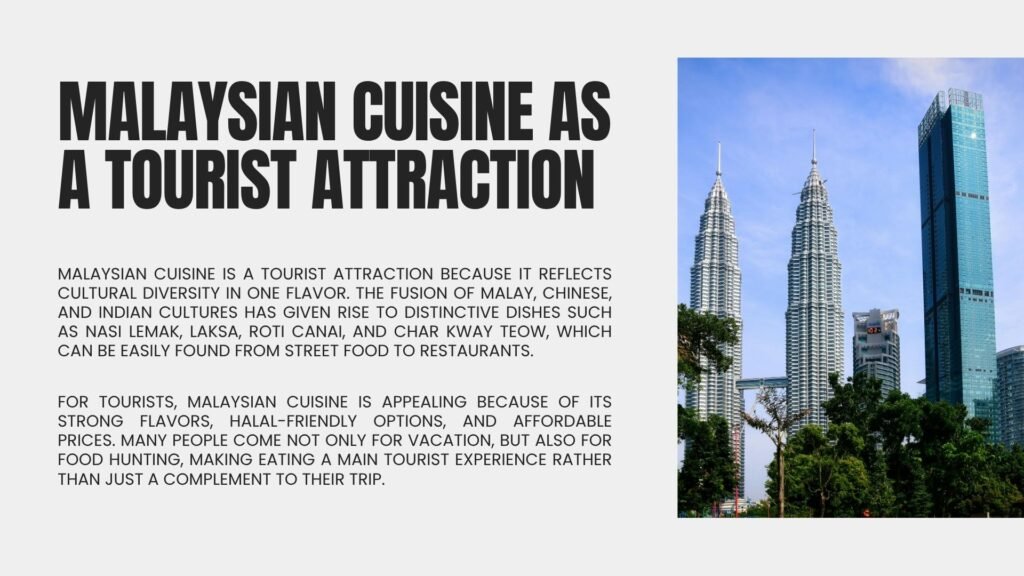
Kuala Lumpur

Kuala Lumpur remains the centre of most travel packages because it combines iconic landmarks, shopping, nightlife, and cultural experiences.

Top attractions in Kuala Lumpur

  • Petronas Towers
  • Batu Caves
  • KL Tower
  • Merdeka Square

H3: Langkawi

Langkawi offers beach relaxation and water sports.

H4: Popular activities

  • Island hopping
  • Cable car rides
  • Sky bridge visit
  • Sunset cruises

H3: Penang

George Town is known for food and heritage.

H4: Key experiences

  • Street food trails
  • Heritage murals
  • Colonial architecture

H3: Genting Highlands

Genting Highlands remains highly popular for cool weather and entertainment.

H4: Attractions

  • Indoor theme parks
  • Cable cars
  • Casino area
  • Shopping

H2: Budget for Malaysia Travel Package in 2026

Package costs depend on season, hotel class, and airline.

H3: Budget Traveller Cost

Approximate:

  • ₹35,000 to ₹50,000 per person

H3: Mid-Range Package

Approximate:

  • ₹55,000 to ₹85,000 per person

H3: Luxury Package

Approximate:

  • ₹1,00,000+ per person

H2: Malaysia Food Experience Included in Travel Planning

Malaysia is one of Asia’s strongest food destinations.

H3: Must Try Foods

  • Nasi Lemak
  • Roti Canai
  • Laksa

Indian travellers also find vegetarian food easily.

VMY2026

H2: Shopping in Malaysia During Your 2026 Trip

Malaysia is excellent for shopping due to price diversity.

H3: Best Shopping Areas

  • Bukit Bintang
  • Central Market

H3: What to Buy

  • Electronics
  • Chocolates
  • Cosmetics
  • Souvenirs

H2: Family Malaysia Travel Package in 2026

Malaysia works extremely well for family travel.

H3: Family-friendly attractions

  • Sunway Lagoon
  • Aquaria KLCC

Children enjoy theme parks and aquariums.

H2: Honeymoon Malaysia Travel Package in 2026

Malaysia offers romantic experiences across islands and luxury hotels.

H3: Honeymoon package highlights

  • Beach resorts
  • Private dinners
  • Sunset cruises
  • Spa treatments

Best honeymoon destinations:

  • Langkawi
  • Penang

H2: Adventure Activities in Malaysia

Adventure travellers increasingly choose Malaysia.

Top activities

  • Scuba diving
  • Rainforest trekking
  • Sky bridge walks
  • Zipline experiences

H2: Transportation Inside Malaysia

Transport quality is a major advantage.

H3: Options available

  • Metro
  • Taxi apps
  • Domestic flights
  • Ferries

Grab is commonly used.

H2: Important Travel Tips for Malaysia in 2026

H3: Currency Planning

Malaysia uses:

  • Malaysian Ringgit

H3: Connectivity

Tourist SIM cards are affordable.

H3: Language

English works well in major cities.

H2: Sample 7-Day Malaysia Travel Itinerary for 2026

Day 1:

Arrival in Kuala Lumpur

Day 2:

City sightseeing

Day 3:

Batu Caves + Genting Highlands

Day 4:

Transfer to Langkawi

Day 5:

Island hopping

Day 6:

Leisure and shopping

Day 7:

Departure

H2: Why Book Early for Malaysia Travel Package 2026

Early booking gives major advantages:

  • Better airfare
  • More hotel choices
  • Festival season availability
  • Lower package pricing

H2: Final Conclusion – Is Malaysia Worth Visiting in 2026?

Absolutely yes. Malaysia remains one of the smartest international travel choices in 2026 because it offers value, comfort, diversity, and memorable experiences without excessive cost. Whether someone wants city exploration, beaches, culture, food, shopping, or family recreation, Malaysia delivers consistently.

A well-designed Malaysia travel package helps eliminate travel stress and ensures smoother logistics, especially for first-time international travellers. With smart booking and destination selection, Malaysia can easily become one of the most rewarding international journeys of 2026 ✈️🌏🌴

If you want, I can also expand this into:

SEO FAQs for “Malaysia Travel Package in 2026” ✈️🇲🇾🌴

1 : What is the average cost of a Malaysia travel package in 2026?

The average cost of a Malaysia travel package in 2026 usually ranges from ₹35,000 to ₹85,000 per person, depending on travel duration, hotel category, season, and destinations included. Budget packages generally cover flights, hotel stays, airport transfers, and major sightseeing, while premium packages may include luxury resorts, island tours, and private transfers.

2 : Is Malaysia visa-free for Indian travellers in 2026?

Malaysia generally offers simplified visa options for Indian travellers through eVisa or electronic travel authorization systems. Travellers should always verify the latest entry policy before booking because visa rules can change depending on bilateral travel updates.

3: Which destinations are usually included in a Malaysia travel package?

Most travel packages include:

  • Kuala Lumpur
  • Langkawi
  • George Town
  • Genting Highlands

Longer premium itineraries may also include parts of Borneo.

4: How many days are ideal for a Malaysia trip in 2026?

A 6 to 8 day trip is ideal for first-time visitors. This allows enough time for city sightseeing, island relaxation, shopping, and one or two adventure activities without rushing the itinerary.

5: What is the best month to visit Malaysia in 2026?

The best time to visit Malaysia is generally between January and April when weather conditions are pleasant for sightseeing, beaches, and outdoor travel.

6: Is Malaysia expensive for Indian tourists?

Malaysia is considered one of the most affordable international destinations for Indian tourists because accommodation, food, local transport, and sightseeing remain comparatively budget-friendly.

7: Which Malaysia package is best for honeymoon couples?

Honeymoon packages usually combine:

  • Kuala Lumpur city stay
  • Langkawi beach resort stay
  • Sunset cruise
  • Private sightseeing

8: Is vegetarian food easily available in Malaysia?

Yes, vegetarian food is widely available due to strong Indian cultural influence across major cities.

9: Which currency should travellers carry for Malaysia?

Travellers should carry Malaysian Ringgit and may also use international cards in urban areas.

10: Is Malaysia good for family travel in 2026?

Yes, Malaysia remains one of the most family-friendly international destinations because it offers theme parks, aquariums, shopping, safe public transport, and child-friendly attractions.

I hope I have cleared all your doubts related to the Malaysia travel package in 2026.

Also Read Related Blogs:

The Ultimate International Travel Guide for Indians (2026)

Follow us on:
Facebook
Instagram
Pinterest

Introduction to Jaisalmer – Why Every Traveler Should Visit the Golden City of India

Jaisalmer is one of the most extraordinary travel destinations in Rajasthan, known globally as The Golden City of India because of its honey-colored sandstone architecture that glows brilliantly under sunlight 🌅. Located near the heart of the Thar Desert, Jaisalmer offers a travel experience that combines royal history, desert adventure, architectural heritage, cultural richness, local cuisine, spiritual landmarks, and unforgettable sunsets. Unlike many tourist cities that focus on a single attraction, Jaisalmer presents a complete travel ecosystem where forts, havelis, temples, dunes, villages, border history, and folk culture exist together in remarkable harmony.

For travelers planning a Rajasthan journey, Jaisalmer often becomes the highlight because it feels dramatically different from urban India. The city’s golden appearance changes with the sun, creating a constantly shifting landscape for photographers, historians, and explorers. By morning, the fort appears pale gold; by afternoon, it becomes bright amber; and by evening, the entire city looks dipped in molten sunlight ✨.

Jaisalmer

Jaisalmer is also historically important because it once served as a major trade center connecting India with Central Asia and Persia. Wealth generated through caravan trade built many of the magnificent mansions that visitors admire today. Here in the Travel Guide to Jaisalmer, we will discover all you should know before planning a trip to Jaisalmer.

Why Jaisalmer Is Called the Golden City

  • Yellow sandstone dominates the city’s architecture
  • Buildings glow golden under desert sunlight
  • Historic fort and havelis create a unified golden skyline
  • Desert surroundings enhance the city’s warm visual tone
  • Sunset creates extraordinary golden reflections

Why Jaisalmer Is Ideal for Travelers

  • Heritage tourism
  • Desert adventure
  • Luxury camping
  • Photography opportunities
  • Traditional cultural experiences
  • Family travel and solo travel suitability
Travel Guide to Jaisalmer

History of Jaisalmer – Understanding the Golden Legacy Before You Travel

Foundation of Jaisalmer and Its Historical Importance in Rajasthan Tourism

Before planning a trip to Jaisalmer, understanding its historical foundation makes every monument more meaningful. The city was founded in 1156 CE by Rawal Jaisal, a Rajput ruler who shifted his capital from Lodurva to Trikuta Hill for stronger defense and strategic visibility. This location allowed better protection from invasions while maintaining control over desert trade routes.

For centuries, Jaisalmer prospered because merchants carrying silk, spices, gemstones, and luxury goods crossed this region. Trade routes passing through desert territories generated enormous wealth, which later funded elaborate mansions, temples, and fort expansions.

This prosperity also created a strong merchant culture, which explains why Jaisalmer’s havelis are as famous as its royal architecture. Unlike many cities where kings alone shaped urban identity, Jaisalmer was also shaped by wealthy traders who invested heavily in architectural beauty.

Over time, maritime trade reduced desert caravan importance, causing economic decline, but the city preserved its historical identity remarkably well.

Historical Travel Insights

  • Founded in 1156 CE
  • Bhati Rajput kingdom center
  • Desert trade route importance
  • Merchant wealth shaped architecture
  • Strategic military location

How History Shapes the Modern Travel Experience in Jaisalmer

Traveling through Jaisalmer today means walking through a living historical city where everyday life still continues inside centuries-old walls. Many historic settlements become museum-like after preservation, but Jaisalmer remains alive.

The narrow streets inside the fort still host homes, temples, shops, and small restaurants. Traditional occupations continue alongside tourism.

For travelers, this creates authenticity rarely found elsewhere.

Jaisalmer for first time visitors

What Travelers Notice Historically

  • Ancient fort still inhabited
  • Merchant houses still preserved
  • Traditional markets remain active
  • Historical street layouts survive

Visiting Jaisalmer Fort – The Living Heart of the Golden City

Why Jaisalmer Fort Is the First Essential Stop in Any Travel Guide

Jaisalmer Fort dominates the city skyline and serves as the most important destination in every travel itinerary. Built on Trikuta Hill, the fort rises dramatically above the city and remains one of the few living forts in the world.

What makes this fort exceptional is that thousands of people still live inside it. Homes, temples, cafés, guesthouses, handicraft shops, and small businesses operate within ancient defensive walls.

The fort’s golden sandstone changes appearance throughout the day, making morning and sunset visits equally rewarding 📸.

Walking through the fort reveals layers of architecture: defensive gates, carved facades, temple complexes, and hidden courtyards.

Key Travel Tips for Visiting the Fort

  • Visit early morning for fewer crowds
  • Wear comfortable walking shoes
  • Carry water during warmer months
  • Explore narrow lanes slowly
  • Stay until sunset for rooftop views

Fort Gates and Their Importance for Travelers

The fort has multiple historic gates designed for layered defense.

Main Gates

  • Akhai Pol
  • Suraj Pol
  • Ganesh Pol
  • Hawa Pol

Each gate reveals military planning adapted for desert warfare.

Best Rooftop Views Inside the Fort

Rooftop cafés inside the fort offer panoramic city views.

Best Times

  • Sunrise
  • Sunset
  • Night fort illumination

Exploring Royal Architecture Inside Jaisalmer Fort

Raj Mahal – Understanding Desert Royal Lifestyle

Inside the fort, the former royal palace offers insight into how rulers adapted luxury to desert conditions.

The palace emphasizes functionality: narrow chambers, airflow corridors, shaded balconies, and elevated observation spaces.

Features to Observe

  • Sandstone balconies
  • Historic interiors
  • Royal artifacts
  • Desert ventilation design

Jain Temple Complex Inside the Fort

The fort houses extraordinary Jain temples built between the 12th and 16th centuries.

Highlights

  • Detailed carvings
  • Marble idols
  • Temple corridors
  • Sacred manuscripts

Best Havelis to Visit in Jaisalmer

Patwon Ki Haveli – The Finest Merchant Mansion for Travelers

Patwon Ki Haveli is one of the most important heritage attractions in Jaisalmer and should never be skipped.

Built by wealthy Jain traders, this cluster of five havelis demonstrates extraordinary stone carving.

The façade looks almost embroidered because every surface carries detailed ornamentation.

Travel Highlights

  • Museum sections
  • Merchant history
  • Intricate balconies
  • Photography opportunities

Nathmal Ki Haveli – Architectural Symmetry Worth Exploring

Nathmal Ki Haveli shows fascinating asymmetry because two architect brothers designed opposite sides independently.

What Travelers Should Notice

  • Elephant carvings
  • Unique façade differences
  • Interior detailing

Salim Singh Ki Haveli – Distinctive Peacock Design

This haveli stands out for its unusual roofline resembling a peacock.

Best Features

  • Peacock-inspired upper structure
  • Narrow lower section
  • Elevated balconies

Desert Experience in Sam Sand Dunes

Why Sam Sand Dunes Are Essential in Every Jaisalmer Travel Plan

No travel guide to Jaisalmer is complete without the desert.

Sam Sand Dunes offer vast rolling dunes where visitors experience the classic desert landscape of Rajasthan 🐪.

Sunset transforms the dunes into moving gold.

Activities at Sam Sand Dunes

  • Camel safari
  • Jeep safari
  • Sunset photography
  • Sand walking
  • Cultural evenings

Camel Safari Travel Experience

Camel rides offer slower, immersive desert travel.

Best Timing

  • Late afternoon
  • Sunset hour

Jeep Safari for Adventure Travelers

Jeep safaris are ideal for thrill seekers.

What to Expect

  • Fast dune rides
  • Desert viewpoints
  • Photography stops

Luxury Desert Camping in Jaisalmer

Why Overnight Desert Camping Is Highly Recommended

A night in desert camps transforms the travel experience completely 🌌.

Luxury camps combine comfort with local culture.

Included Experiences

  • Folk dance
  • Traditional dinner
  • Bonfire
  • Stargazing

Types of Desert Camps

Options Available

  • Luxury Swiss tents
  • Mid-range camps
  • Budget camps

Local Culture and Traditional Experiences in Jaisalmer

Folk Music and Cultural Identity

Jaisalmer’s desert culture survives through strong oral traditions.

Cultural Forms

  • Manganiyar music
  • Kalbeliya dance
  • Puppet shows

Jaisalmer Desert Festival – Best Time for Cultural Travel

The Jaisalmer Desert Festival offers peak cultural immersion.

Festival Attractions

  • Camel races
  • Turban competitions
  • Folk performances

Sacred Places Travelers Should Visit

Tanot Mata Temple – Spiritual and Historical Importance

Tanot Mata Temple is famous for wartime faith stories.

Travel Reasons

  • Border spirituality
  • Historic military relevance

Longewala War Memorial – Border Tourism Experience

Longewala War Memorial preserves memory of the Indo-Pakistani War of 1971.

Visitor Experience

  • Military exhibits
  • Documentary screening
  • Battlefield understanding

Food Guide for Travelers in Jaisalmer

Best Traditional Foods to Try

Jaisalmer food reflects desert resilience and strong spice traditions 🌶️.

Must-Try Dishes

  • Dal Baati Churma
  • Ker Sangri
  • Gatte Ki Sabzi
  • Laal Maas

Rooftop Dining Experience

Fort-view dining creates unforgettable evenings.

Best For

  • Sunset meals
  • Night photography
  • Traditional dinners

Shopping Guide in Jaisalmer

Best Things to Buy

Markets reflect desert craftsmanship.

Recommended Purchases

  • Embroidered textiles
  • Leather products
  • Silver jewelry
  • Mirror work décor

Best Time to Travel to Jaisalmer

Seasonal Travel Planning

Winter remains ideal.

Month Guide

  • October–March: best season
  • April–June: extreme heat
  • July–September: moderate off-season

How to Reach Jaisalmer Easily

Transport Guide

Travel Options

  • Train connections
  • Road from Jodhpur
  • Domestic air access

Where to Stay in Jaisalmer

Accommodation Options for Every Budget

Stay Categories

  • Heritage hotels
  • Fort guesthouses
  • Desert camps
  • Budget lodges

Photography Travel Guide for Jaisalmer

Best Photography Locations

Jaisalmer offers extraordinary visual variety 📷.

Best Spots

  • Fort rooftops
  • Haveli lanes
  • Sam dunes
  • Sunset viewpoints

Hidden Places Around Jaisalmer Travelers Often Miss

Lesser-Known Attractions

Hidden Gems

  • Kuldhara
  • Bada Bagh
  • Amar Sagar

Final Travel Advice – Why Jaisalmer Should Be on Every India Travel List

Jaisalmer is not simply a city—it is a complete desert civilization preserved in golden stone ✨. Every traveler finds something distinct here: history lovers discover forts and temples, adventure seekers ride across dunes, photographers capture changing light, food lovers enjoy desert cuisine, and culture enthusiasts witness living traditions.

A journey through Jaisalmer feels timeless because the city still preserves the rhythm of its historical identity while welcoming modern travelers warmly.

Final Travel Checklist

  • Book desert camp early
  • Visit fort in morning
  • Reserve sunset for dunes
  • Carry sun protection
  • Keep one extra day for hidden places

Best Travel Guide to Jaisalmer: The Golden City of India

Introduction to Jaisalmer – Why Every Traveler Should Visit the Golden City of India

Jaisalmer is one of the most extraordinary travel destinations in Rajasthan, known globally as The Golden City of India because of its honey-colored sandstone architecture that glows brilliantly under sunlight 🌅. Located near the heart of the Thar Desert, Jaisalmer offers a travel experience that combines royal history, desert adventure, architectural heritage, cultural richness, local cuisine, spiritual landmarks, and unforgettable sunsets. Unlike many tourist cities that focus on a single attraction, Jaisalmer presents a complete travel ecosystem where forts, havelis, temples, dunes, villages, border history, and folk culture exist together in remarkable harmony.

For travelers planning a Rajasthan journey, Jaisalmer often becomes the highlight because it feels dramatically different from urban India. The city’s golden appearance changes with the sun, creating a constantly shifting landscape for photographers, historians, and explorers. By morning, the fort appears pale gold; by afternoon, it becomes bright amber; and by evening, the entire city looks dipped in molten sunlight ✨.

Jaisalmer is also historically important because it once served as a major trade center connecting India with Central Asia and Persia. Wealth generated through caravan trade built many of the magnificent mansions that visitors admire today.

Why Jaisalmer Is Called the Golden City

  • Yellow sandstone dominates the city’s architecture
  • Buildings glow golden under desert sunlight
  • Historic fort and havelis create a unified golden skyline
  • Desert surroundings enhance the city’s warm visual tone
  • Sunset creates extraordinary golden reflections

Why Jaisalmer Is Ideal for Travelers

  • Heritage tourism
  • Desert adventure
  • Luxury camping
  • Photography opportunities
  • Traditional cultural experiences
  • Family travel and solo travel suitability

History of Jaisalmer – Understanding the Golden Legacy Before You Travel

Foundation of Jaisalmer and Its Historical Importance in Rajasthan Tourism

Before planning a trip to Jaisalmer, understanding its historical foundation makes every monument more meaningful. The city was founded in 1156 CE by Rawal Jaisal, a Rajput ruler who shifted his capital from Lodurva to Trikuta Hill for stronger defense and strategic visibility. This location allowed better protection from invasions while maintaining control over desert trade routes.

For centuries, Jaisalmer prospered because merchants carrying silk, spices, gemstones, and luxury goods crossed this region. Trade routes passing through desert territories generated enormous wealth, which later funded elaborate mansions, temples, and fort expansions.

This prosperity also created a strong merchant culture, which explains why Jaisalmer’s havelis are as famous as its royal architecture. Unlike many cities where kings alone shaped urban identity, Jaisalmer was also shaped by wealthy traders who invested heavily in architectural beauty.

Over time, maritime trade reduced desert caravan importance, causing economic decline, but the city preserved its historical identity remarkably well.

Historical Travel Insights

  • Founded in 1156 CE
  • Bhati Rajput kingdom center
  • Desert trade route importance
  • Merchant wealth shaped architecture
  • Strategic military location

How History Shapes the Modern Travel Experience in Jaisalmer

Traveling through Jaisalmer today means walking through a living historical city where everyday life still continues inside centuries-old walls. Many historic settlements become museum-like after preservation, but Jaisalmer remains alive.

The narrow streets inside the fort still host homes, temples, shops, and small restaurants. Traditional occupations continue alongside tourism.

For travelers, this creates authenticity rarely found elsewhere.

What Travelers Notice Historically

  • Ancient fort still inhabited
  • Merchant houses still preserved
  • Traditional markets remain active
  • Historical street layouts survive

Visiting Jaisalmer Fort – The Living Heart of the Golden City

Why Jaisalmer Fort Is the First Essential Stop in Any Travel Guide

Jaisalmer Fort dominates the city skyline and serves as the most important destination in every travel itinerary. Built on Trikuta Hill, the fort rises dramatically above the city and remains one of the few living forts in the world.

What makes this fort exceptional is that thousands of people still live inside it. Homes, temples, cafés, guesthouses, handicraft shops, and small businesses operate within ancient defensive walls.

The fort’s golden sandstone changes appearance throughout the day, making morning and sunset visits equally rewarding 📸.

Walking through the fort reveals layers of architecture: defensive gates, carved facades, temple complexes, and hidden courtyards.

Key Travel Tips for Visiting the Fort

  • Visit early morning for fewer crowds
  • Wear comfortable walking shoes
  • Carry water during warmer months
  • Explore narrow lanes slowly
  • Stay until sunset for rooftop views

Fort Gates and Their Importance for Travelers

The fort has multiple historic gates designed for layered defense.

Main Gates

  • Akhai Pol
  • Suraj Pol
  • Ganesh Pol
  • Hawa Pol

Each gate reveals military planning adapted for desert warfare.


Best Rooftop Views Inside the Fort

Rooftop cafés inside the fort offer panoramic city views.

Best Times

  • Sunrise
  • Sunset
  • Night fort illumination

Exploring Royal Architecture Inside Jaisalmer Fort

Raj Mahal – Understanding Desert Royal Lifestyle

Inside the fort, the former royal palace offers insight into how rulers adapted luxury to desert conditions.

The palace emphasizes functionality: narrow chambers, airflow corridors, shaded balconies, and elevated observation spaces.

Features to Observe

  • Sandstone balconies
  • Historic interiors
  • Royal artifacts
  • Desert ventilation design

Jain Temple Complex Inside the Fort

The fort houses extraordinary Jain temples built between the 12th and 16th centuries.

Highlights

  • Detailed carvings
  • Marble idols
  • Temple corridors
  • Sacred manuscripts

Best Havelis to Visit in Jaisalmer

Patwon Ki Haveli – The Finest Merchant Mansion for Travelers

Patwon Ki Haveli is one of the most important heritage attractions in Jaisalmer and should never be skipped.

Built by wealthy Jain traders, this cluster of five havelis demonstrates extraordinary stone carving.

The façade looks almost embroidered because every surface carries detailed ornamentation.

Travel Highlights

  • Museum sections
  • Merchant history
  • Intricate balconies
  • Photography opportunities

Nathmal Ki Haveli – Architectural Symmetry Worth Exploring

Nathmal Ki Haveli shows fascinating asymmetry because two architect brothers designed opposite sides independently.

What Travelers Should Notice

  • Elephant carvings
  • Unique façade differences
  • Interior detailing

Salim Singh Ki Haveli – Distinctive Peacock Design

This haveli stands out for its unusual roofline resembling a peacock.

Best Features

  • Peacock-inspired upper structure
  • Narrow lower section
  • Elevated balconies

Desert Experience in Sam Sand Dunes

Why Sam Sand Dunes Are Essential in Every Jaisalmer Travel Plan

No travel guide to Jaisalmer is complete without the desert.

Sam Sand Dunes offer vast rolling dunes where visitors experience the classic desert landscape of Rajasthan 🐪.

Sunset transforms the dunes into moving gold.

Activities at Sam Sand Dunes

  • Camel safari
  • Jeep safari
  • Sunset photography
  • Sand walking
  • Cultural evenings

Camel Safari Travel Experience

Camel rides offer slower, immersive desert travel.

Best Timing

  • Late afternoon
  • Sunset hour

Jeep Safari for Adventure Travelers

Jeep safaris are ideal for thrill seekers.

What to Expect

  • Fast dune rides
  • Desert viewpoints
  • Photography stops

Luxury Desert Camping in Jaisalmer

Why Overnight Desert Camping Is Highly Recommended

A night in desert camps transforms the travel experience completely 🌌.

Luxury camps combine comfort with local culture.

Included Experiences

  • Folk dance
  • Traditional dinner
  • Bonfire
  • Stargazing

Types of Desert Camps

Options Available

  • Luxury Swiss tents
  • Mid-range camps
  • Budget camps

Local Culture and Traditional Experiences in Jaisalmer

Folk Music and Cultural Identity

Jaisalmer’s desert culture survives through strong oral traditions.

Cultural Forms

  • Manganiyar music
  • Kalbeliya dance
  • Puppet shows

Jaisalmer Desert Festival – Best Time for Cultural Travel

The Jaisalmer Desert Festival offers peak cultural immersion.

Festival Attractions

  • Camel races
  • Turban competitions
  • Folk performances

Sacred Places Travelers Should Visit

Tanot Mata Temple – Spiritual and Historical Importance

Tanot Mata Temple is famous for wartime faith stories.

Travel Reasons

  • Border spirituality
  • Historic military relevance

Longewala War Memorial – Border Tourism Experience

Longewala War Memorial preserves memory of the Indo-Pakistani War of 1971.

Visitor Experience

  • Military exhibits
  • Documentary screening
  • Battlefield understanding

Food Guide for Travelers in Jaisalmer

Best Traditional Foods to Try

Jaisalmer food reflects desert resilience and strong spice traditions 🌶️.

Must-Try Dishes

  • Dal Baati Churma
  • Ker Sangri
  • Gatte Ki Sabzi
  • Laal Maas

Rooftop Dining Experience

Fort-view dining creates unforgettable evenings.

Best For

  • Sunset meals
  • Night photography
  • Traditional dinners

Shopping Guide in Jaisalmer

Best Things to Buy

Markets reflect desert craftsmanship.

Recommended Purchases

  • Embroidered textiles
  • Leather products
  • Silver jewelry
  • Mirror work décor

Best Time to Travel to Jaisalmer

Seasonal Travel Planning

Winter remains ideal.

Month Guide

  • October–March: best season
  • April–June: extreme heat
  • July–September: moderate off-season

How to Reach Jaisalmer Easily

Transport Guide

Travel Options

  • Train connections
  • Road from Jodhpur
  • Domestic air access

Where to Stay in Jaisalmer

Accommodation Options for Every Budget

Stay Categories

  • Heritage hotels
  • Fort guesthouses
  • Desert camps
  • Budget lodges

Photography Travel Guide for Jaisalmer

Best Photography Locations

Jaisalmer offers extraordinary visual variety 📷.

Best Spots

  • Fort rooftops
  • Haveli lanes
  • Sam dunes
  • Sunset viewpoints

Hidden Places Around Jaisalmer Travelers Often Miss

Lesser-Known Attractions

Hidden Gems

  • Kuldhara
  • Bada Bagh
  • Amar Sagar

Final Travel Advice – Why Jaisalmer Should Be on Every India Travel List

Jaisalmer is not simply a city—it is a complete desert civilization preserved in golden stone ✨. Every traveler finds something distinct here: history lovers discover forts and temples, adventure seekers ride across dunes, photographers capture changing light, food lovers enjoy desert cuisine, and culture enthusiasts witness living traditions.

A journey through Jaisalmer feels timeless because the city still preserves the rhythm of its historical identity while welcoming modern travelers warmly.

Final Travel Checklist

  • Book desert camp early
  • Visit fort in morning
  • Reserve sunset for dunes
  • Carry sun protection
  • Keep one extra day for hidden places

Also Read
Best Indian Desert Destinations

15 Best Mountain Destinations in India

Also, follow us on:
Facebook
Instagram

Meghalaya Travel Guide 2026 – Explore India’s Most Beautiful Cloud Kingdom

Meghalaya is one of the most extraordinary destinations in Northeast India, where clouds drift through valleys, waterfalls fall from dramatic cliffs, rivers remain crystal clear, and villages preserve traditions that have survived for generations. The word Meghalaya literally means “abode of clouds,” and once travelers enter this hill state, the meaning becomes visible everywhere—from mist-covered roads to rolling green landscapes and sudden rain showers that create magical scenery every few kilometers.

Unlike crowded mainstream hill stations, Meghalaya offers a deeply immersive travel experience where nature dominates every route. Every district presents a different character: the Khasi Hills offer root bridges and misty valleys, the Jaintia Hills reveal caves and rivers, while the Garo Hills showcase forest biodiversity and wildlife.

What makes Meghalaya especially attractive in 2026 is its growing popularity among travelers who seek slow travel, eco-tourism, offbeat exploration, and authentic local culture. Whether someone is planning a solo backpacking trip, a honeymoon, a family vacation, or a photography expedition, Meghalaya offers landscapes that constantly surprise visitors.

The state is also culturally rich because tribal life remains deeply integrated with everyday tourism. The Khasi, Jaintia, and Garo communities shape Meghalaya’s identity through language, architecture, food, festivals, and village-level environmental responsibility.

Why Meghalaya has become one of India’s most desired travel destinations

  • Exceptional waterfalls in every region
  • Famous living root bridges are unique to Meghalaya
  • Clean villages and sustainable tourism practices
  • Scenic road trips through clouds and valleys
  • Transparent rivers are ideal for boating
  • Natural caves and trekking routes
  • Cool weather throughout most of the year
  • Strong local cultural identity
  • Excellent destination for photography and content creation

Traveling through Meghalaya feels less like moving from one tourist point to another and more like entering a living natural landscape where every road curve reveals a new dramatic scene 🌿✨

Best Time to Visit Meghalaya – Season-Wise Travel Planning

Choosing the right season for Meghalaya significantly changes the kind of experience travelers enjoy because the same location looks dramatically different in monsoon, winter, and summer. Meghalaya is one of the few Indian destinations where rain itself becomes part of tourism identity, but different seasons suit different travel goals.

The most preferred travel season is from October to April because roads remain more stable, skies are clearer, and long sightseeing days become easier. However, monsoon lovers often deliberately visit during rainfall because waterfalls become more powerful and forests turn intensely green.

Each season has its own advantages depending on whether travelers prioritize waterfalls, trekking, clear photography, or cultural exploration.

Winter Season in Meghalaya (October to February)

Winter is considered the most balanced season for Meghalaya travel because temperatures remain comfortable while visibility improves significantly across valleys and viewpoints.

Shillong becomes especially attractive during winter because mornings remain crisp and evenings create a cozy hill-town atmosphere.

Why winter is ideal

  • Clear views at major viewpoints
  • Comfortable trekking weather
  • Better road conditions
  • Perfect boating season in Dawki
  • Ideal for photography

Temperature Range

  • Day: 12°C to 18°C
  • Night: 4°C to 10°C

Winter mornings often begin with thin mist that slowly lifts, revealing beautiful valleys and pine-covered slopes.

Summer Season in Meghalaya (March to May)

Summer remains mild compared to most parts of India, making Meghalaya an excellent escape from heat.

Advantages of summer travel

  • Pleasant daytime climate
  • Fewer weather disruptions
  • Easy waterfall access
  • Good for village tourism

Summer is ideal for travelers who want relaxed exploration without heavy rainfall.

Monsoon Season in Meghalaya (June to September)

Monsoon defines Meghalaya’s natural identity. During these months, waterfalls become enormous, rivers swell, and clouds dominate every mountain road.

Cherrapunji becomes especially dramatic during monsoon because rainfall intensifies every waterfall and cliff.

Monsoon highlights

  • Massive waterfall flow
  • Deep green landscapes
  • Cloud-filled valleys
  • Highly dramatic photography

Monsoon challenges

  • Slippery roads
  • Delayed travel timing
  • Limited long-distance movement

For travelers who love dramatic landscapes, the monsoon offers Meghalaya at its most powerful 🌧️

How to Reach Meghalaya – Complete Transport Guide

Although Meghalaya itself does not have extensive railway connectivity, reaching the state is straightforward because nearby Guwahati serves as the main transport gateway.

Almost every Meghalaya itinerary begins from Guwahati because flights, trains, and road transport are easily available there.

By Air – Nearest Airport for Meghalaya

The nearest major airport is Lokpriya Gopinath Bordoloi International Airport.

This airport connects Meghalaya with major Indian cities including Delhi, Mumbai, Bengaluru, Kolkata, and Hyderabad.

Airport advantages

  • Frequent flights
  • Better pricing options
  • Easy taxi access

Guwahati to Shillong distance

  • Approx 100 km
  • Travel time: 3 to 4 hours

By Train – Best Railway Option

Guwahati Railway Station is the most practical rail entry point.

Why do train travelers prefer Guwahati

  • Budget friendly
  • Major long-distance connectivity
  • Easy onward taxi booking

By Road – Most Scenic Way to Enter Meghalaya

The road from Guwahati to Shillong is itself one of the highlights of Meghalaya travel.

Scenic road experience includes

  • Rolling hills
  • Cloud patches
  • Tea stops
  • Valley curves

Shared cabs, buses, and private taxis are easily available.

Places to Visit in Meghalaya

Shillong – Meghalaya’s Cultural Capital and Travel Gateway

Shillong is not just Meghalaya’s capital but also its most culturally vibrant destination. Often called Scotland of the East, Shillong combines natural beauty, colonial influence, local music culture, modern cafes, and hill-town charm.

Shillong serves as the ideal base for first-time travelers because most Meghalaya routes begin here. The city has enough attractions to justify at least two full days of exploration.

Unlike purely scenic destinations, Shillong also offers urban energy. Travelers can move from peaceful viewpoints to lively cafés within minutes.

Umiam Lake – Meghalaya’s Most Scenic Entry Point

Umiam Lake appears before entering Shillong and often becomes the first major stop for visitors.

This massive lake surrounded by hills creates one of the most peaceful landscapes in Northeast India.

Activities at Umiam Lake

  • Boating
  • Kayaking
  • Photography
  • Sunrise viewing

Why travelers stop here

  • Easy access from highway
  • Wide panoramic views
  • Calm atmosphere

Shillong Peak – Highest Viewpoint Near the City

Shillong Peak provides panoramic views of the city and the surrounding hills.

Best time to visit

  • Morning
  • Late afternoon

Carry with you

  • Light jacket
  • Camera
  • Water bottle

Police Bazaar – Shopping and Street Energy

Police Bazaar remains Shillong’s busiest market area.

Popular shopping items

  • Tribal shawls
  • Bamboo crafts
  • Local snacks
  • Handmade souvenirs

Shillong’s evening energy makes it one of Northeast India’s most enjoyable urban travel experiences 🌆

Cherrapunji – Land of Rain, Cliffs and Legendary Waterfalls

Cherrapunji remains Meghalaya’s most iconic destination because of its extreme rainfall history, dramatic cliffs, waterfalls, and root bridge landscapes.

Even though modern records now often mention nearby areas like Mawsynram for the highest rainfall, Cherrapunji continues to dominate tourism because of accessibility and variety.

Nohkalikai Falls – India’s Tallest Plunge Waterfall

Nohkalikai Falls is one of India’s most visually striking waterfalls.

The waterfall drops dramatically from high cliffs into a turquoise pool below.

Why is it unforgettable

  • Massive vertical drop
  • Beautiful color contrast
  • Mist effects in the monsoon

Best season

  • Monsoon
  • Post monsoon

Seven Sisters Falls – Multi-Layer Waterfall Spectacle

Seven Sisters Falls becomes most powerful during rainfall season.

Highlights

  • Seven visible streams
  • Wide valley backdrop
  • Sunset photography

Mawsmai Cave – Easy Cave Exploration

Mawsmai Cave introduces travelers to Meghalaya’s limestone cave systems.

Inside experience

  • Narrow rock passages
  • Limestone textures
  • Natural light openings

Living Root Bridges – Meghalaya’s Most Extraordinary Natural Wonder

The living root bridges are among the rarest forms of natural architecture in the world. Khasi communities guide tree roots for decades until they become functional bridges capable of supporting human movement.

These bridges represent sustainability, patience, and local ecological intelligence.

Double Decker Root Bridge Trek

The Double Decker Living Root Bridge is Meghalaya’s most famous trek.

The descent includes thousands of steps through the forest, streams, and hanging bridges.

Trek essentials

  • Good trekking shoes
  • Water
  • Light backpack
  • Energy snacks

Trek difficulty

  • Moderate
  • Requires stamina

Rainbow Falls Extension Trek

Beyond Nongriat, adventurous trekkers continue toward hidden waterfalls.

Why continue further

  • Less crowd
  • Strong scenic reward
  • Clear natural pools

The trek is physically demanding but unforgettable 🥾

Dawki – Crystal Water and Border Landscape

Dawki has become globally famous because of the transparent water of the Umngot River.

In winter, boats appear to float in the air because the water becomes exceptionally clear.

Boating in the Umngot River

The Meghalaya Travel Guide is incomplete without a boating experience as, this remains Meghalaya’s most photographed boating experience.

Why is boating special

  • Extraordinary water clarity
  • Reflection photography
  • Calm atmosphere

Best season

  • November to February

Suspension Bridge Views

Border Experience

Dawki’s bridge provides strong river visuals.

Nearby routes reveal the India-Bangladesh border landscape.

Mawlynnong – India’s Cleanest Village Experience

Mawlynnong represents community-led eco-tourism.

The village remains globally admired because cleanliness is maintained through local participation rather than tourism branding alone.

Village Walk

Walking through Mawlynnong reveals:

  • Bamboo pathways
  • Flower gardens
  • Traditional homes

Bamboo Sky View Tower

The tower offers distant Bangladesh plains views.

Sustainable Tourism Learning

Visitors often learn:

  • Waste segregation
  • Local environmental discipline
  • Community tourism ethics

Meghalaya Food Guide – Local Flavours Every Traveler Should Try

Meghalaya cuisine is simple, earthy, and deeply linked to tribal food traditions.

Jadoh

Jadoh is the most famous Khasi rice dish.

Dohneiiong

Dohneiiong includes pork cooked with sesame.

Tungrymbai

Tungrymbai uses fermented soybeans.

Best places to eat

  • Shillong local cafes
  • Traditional eateries
  • Homestays

Meghalaya Travel Guide- Budget 2026

Meghalaya Budget Travel entirely depends on your choices and trip budget. Budget depends heavily on transport style, food Options, the stay you select, and activities you choose.

Budget Travel

  • ₹1500–₹2500/day

Mid Range

  • ₹3500–₹6000/day

Premium Travel

  • ₹8000+ daily

Major expenses

  • Taxi
  • Stay
  • Food
  • Entry fees

Essential Meghalaya Travel Tips for 2026

Carry always

  • Rain protection
  • Cash
  • Trek shoes
  • Warm layer

Respect local culture

  • Ask before photographing people
  • Avoid littering
  • Follow village rules

Connectivity notes

  • Mobile signal is weak in remote zones

Why Meghalaya Should Be on Every Traveler’s 2026 Bucket List

Meghalaya offers something increasingly rare in modern tourism: genuine natural immersion without excessive commercialization. It is a destination where waterfalls are not background scenery but living forces, where villages teach environmental responsibility, and where every road reveals dramatic beauty.

Unlike destinations that rely on one or two major attractions, Meghalaya continuously rewards movement—every extra kilometer introduces a new cliff, cave, stream, or cloud formation.

For travelers seeking beauty, silence, adventure, and meaningful travel, Meghalaya remains one of India’s strongest experiences in 2026 🌿☁️✨

Hidden Places in Meghalaya Most Tourists Miss

Many travelers only cover Shillong, Cherrapunji, Dawki, and Mawlynnong, but Meghalaya has several hidden destinations that offer extraordinary beauty with fewer crowds. So, in my opinion, if you are planning to travel to Meghalaya, this Meghalaya Travel Guide suggests you cover all the hidden places too for the extra ordinary experience.

1. Mawphlang – Sacred Forest Experience

Mawphlang is one of Meghalaya’s most spiritually significant hidden places because of its sacred forest protected by Khasi traditions.

The forest contains ancient trees, medicinal plants, moss-covered stones, and ritual history.

Why visit Mawphlang

  • Dense ancient forest
  • Unique cultural heritage
  • Guided forest walks

Best experience

  • Morning guided trail
  • Slow nature photography

2. Laitlum Canyons – Meghalaya’s Most Dramatic Valley View

Laitlum Canyons remains one of the most visually powerful hidden viewpoints in Meghalaya.

The word Laitlum means the end of hills, and the landscape truly feels endless.

Why Laitlum is special

  • Massive valley depth
  • Low tourist density
  • Ideal sunrise photography

Best time

  • Early morning
  • Sunset

3. Mawlyngbna – Adventure Village Hidden from Mainstream Tourism

Mawlyngbna is emerging as one of Meghalaya’s most exciting hidden eco-tourism villages. It combines water adventure with geology and rural tourism.

Activities here

  • Kayaking
  • Cliff jumping
  • Fossil spotting
  • Village stay

4. Krang Suri Falls – Hidden Blue Waterfall

Krang Suri is one of Meghalaya’s most beautiful hidden waterfalls because of its vivid blue water.

Unlike larger famous waterfalls, Krang Suri offers intimate natural beauty.

Why travelers love it

  • Swimming possible
  • Strong turquoise water
  • Less commercial feel

5. Phe Phe Falls – Secret Waterfall Trek

Phe Phe Falls remains less explored because reaching it requires effort.

Why worth visiting

  • Twin waterfall effect
  • Remote landscape
  • Fewer tourists

6. Shnongpdeng – Better Alternative to Dawki Stay

Many travelers visit Dawki but miss Shnongpdeng, which offers more immersive river experiences.

Why stay here

  • Riverside camping
  • Clear water activities
  • Fewer crowds

Activities

  • Snorkeling
  • Cliff diving
  • Boating

7. Wei Sawdong Falls – Hidden Multi-Level Waterfall

Wei Sawdong is one of Meghalaya’s most photogenic hidden waterfalls.

Why it stands out

  • Three-level waterfall structure
  • Deep blue pools
  • Dramatic staircase descent

8. Mawsynram – Beyond the Rainfall Record

Though famous for rainfall, Mawsynram is still less explored than Cherrapunji.

Hidden attractions

  • Mist-covered roads
  • Village landscapes
  • Cave exploration

Suggested 8-Day Meghalaya Itinerary

Day 1 – Guwahati to Shillong

Day 2– Shillong local sightseeing

Day 3– Shillong to Cherrapunji

Day 4– Root bridge trek

Day 5– Waterfalls and caves

Day 6– Dawki + Mawlynnong

Day 7– Village exploration

Day 8– Return to Guwahati

Also, give a read:
15 Best Mountain Destinations in India
Top Indian Devotional Destinations to Visit in 2026
Follow us on:
Facebook
Instagram
Pinterest

Here are a few FAQs for the Meghalaya Travel Guide

1. What is the best time to visit Meghalaya?

The best time to visit Meghalaya is from October to April because the weather remains pleasant, road conditions are better, and major attractions are easier to explore. Winter offers clear skies, ideal conditions for sightseeing, trekking, and photography, especially in Shillong, Cherrapunji, and Dawki.

Best seasonal choices

  • October to February for clear views
  • March to April for mild weather
  • June to September for waterfalls and monsoon lovers

2. How many days are enough for Meghalaya?

A 7 to 8-day trip is considered ideal for Meghalaya because it allows travelers to comfortably explore major destinations without rushing.

Recommended trip duration

  • 3 days for major highlights only
  • 5 days for popular destinations
  • 7 to 8 days for the complete experience

Places covered in 7 days

  • Shillong
  • Cherrapunji
  • Dawki
  • Mawlynnong
  • Nongriat

3. Is Meghalaya expensive for tourists?

Meghalaya can be explored on different budgets depending on accommodation and transport choices.

Budget estimate per day

  • Budget trip: ₹1500–₹2500
  • Mid-range trip: ₹3500–₹6000
  • Premium trip: ₹8000+

Main expenses include

  • Taxi fares
  • Hotels
  • Food
  • Entry tickets

4. Is Shillong safe for solo travelers?

Shillong is considered one of the safest hill cities in Northeast India. Solo travelers, including women travelers, often choose Shillong because the city has a calm environment, active local community, and tourist-friendly atmosphere.

Safety advantages

  • Friendly local culture
  • Good urban connectivity
  • Tourist presence throughout the year

5. Which is better: Cherrapunji or Dawki?

Both destinations offer completely different experiences.

Cherrapunji is best for

  • Waterfalls
  • Caves
  • Root bridges
  • Valley viewpoints

Dawki is best for

  • Crystal clear river
  • Boating
  • Riverside photography

Travelers should ideally include both.

6. What food is famous in Meghalaya?

Meghalaya’s local cuisine reflects Khasi and tribal food traditions.

Must try dishes

  • Jadoh
  • Dohneiiong
  • Tungrymbai

7. Can Meghalaya be visited in the monsoon?

Yes, Meghalaya becomes extremely beautiful during the monsoon, but travelers should expect slower road movement and slippery trekking routes.

Monsoon advantages

  • Strong waterfalls
  • Lush landscapes
  • Dramatic cloud scenery

Monsoon caution

  • Carry waterproof gear
  • Start travel early

8 What is the nearest airport to Meghalaya?

The nearest major airport is Lokpriya Gopinath Bordoloi International Airport.

Most travelers reach Meghalaya through Guwahati and continue by road.

A trip to Darjeeling remains one of the most rewarding mountain holidays in India because it combines Himalayan scenery, colonial heritage, tea gardens, local food, monasteries, and sunrise viewpoints without demanding a luxury budget. Even in 2026, a carefully planned Darjeeling budget trip can remain affordable if transport, accommodation, food, and sightseeing are chosen strategically. Shared jeeps from NJP still remain the most economical transfer option, while walking within town can save substantial local travel costs because many key attractions are clustered near the central area. Shared jeep fares from New Jalpaiguri generally stay around ₹250–₹300 per seat, depending on season and demand.

What makes Darjeeling ideal for budget travelers is that expensive package tours are optional—not necessary. You can independently explore viewpoints, tea estates, monasteries, local markets, and heritage streets while spending carefully on only a few paid experiences, like the toy train or ropeway. A realistic solo budget for 3–4 days in 2026 can remain between ₹5,500 and ₹9,500, depending on travel season and accommodation category.

This guide covers every essential detail—from arrival planning to food budgeting, season strategy, hidden expenses, practical itineraries, and mistakes travelers often make.

Why Darjeeling Is Still One of India’s Best Budget Hill Destinations in 2026

Darjeeling continues to attract students, backpackers, couples, solo travelers, and families because it offers an unusually rich experience within a small geographic area. Unlike destinations where internal transport becomes expensive, Darjeeling allows long walking circuits that naturally reduce daily spending. The town’s layered roads, stairways, and colonial neighborhoods create a travel style where exploration itself becomes part of the experience.

The destination also works for multiple budgets because travelers can scale activities easily:

Budget advantages in Darjeeling

  • Shared transport is widely available
  • Walking reduces local taxi dependency
  • Street food is excellent and affordable
  • Budget homestays are abundant
  • Free viewpoints offer premium scenery
  • Tea gardens often require little or no entry fee
  • Several heritage attractions are low-cost

Why 2026 remains attractive

  • Improved tourist flow management after recent crowd surges
  • More hostels and homestays than previous years
  • Flexible travel from NJP and Bagdogra
  • Better digital booking options for budget stays

Tourist rush during peak months still increases prices significantly, especially in May, October, and New Year weeks. Reddit travelers repeatedly mention that price inflation during peak periods can raise accommodation by 25–50%.

Best Time for a Darjeeling Budget Trip in 2026

Timing directly determines whether your budget stretches comfortably or gets stressed. Seasonal price differences in Darjeeling can be dramatic.

March to April: Balanced season

Spring gives excellent weather, blooming landscapes, and moderate tourist density. Costs are lower than peak May but slightly above off-season.

Ideal for:

  • First-time visitors
  • Photography
  • Tea garden visits
  • Clear mountain views

May to June: Expensive peak season

This is family holiday season across India, and prices surge.

Budget impact:

  • Hotels cost more
  • Shared taxis fill faster
  • Ropeway queues become long
  • Toy train seats sell out early

Reddit travelers reported severe ropeway queues and town traffic during this period.

July to September: Cheapest but weather risk

Monsoon lowers hotel prices significantly but landslide risk increases.

Cheapest advantages:

  • Lowest hotel rates
  • Negotiation easier
  • Less crowd

Risks:

  • Cloud cover
  • Delays
  • Road disruption

October to December: Premium visibility season

Excellent mountain visibility, but stronger demand.

January to February: Hidden budget window

Winter often offers lower rates except on holiday dates.

A strong budget strategy targets:

  • Late February
  • Mid-March weekdays
  • Early September
  • Late November weekdays

How to Reach Darjeeling Cheaply in 2026

Transport is where budget planning begins.

Cheapest Route: Train to New Jalpaiguri Junction + Shared Jeep

This remains the most economical route.

NJP to Darjeeling budget transfer

  • Shared jeep: ₹250–₹300 per person
  • Travel time: 3.5 to 4 hours
  • Available outside station

Budget train strategy

Book your seats:

  • Sleeper for ultra-budget
  • 3AC for comfort-budget balance

From Bagdogra Airport

  • Shared cab: ₹300–₹500
  • Private cab: much costlier

Money-saving arrival tips

  • Avoid late-night aggressive fare quotes
  • Walk slightly away from station crowd
  • Join shared travelers
  • Confirm fare before boarding

Best Budget Accommodation Areas in Darjeeling

Location affects daily savings more than many travelers realize.

Best low-cost zones

1. Near Gandhi Road

Best balance of:

  • affordability
  • access
  • walking convenience
2. Near Chowk Bazaar

Often cheaper than Mall Road.

3. Slightly downhill homestays

Good savings if you accept short uphill walks.

Budget stay categories

Hostel dorms
  • ₹500–₹900
Basic hotels
  • ₹900–₹1,500
Homestays
  • ₹1,000–₹1,800

Some homestays include meals.

Booking strategy

  • Book the first night in advance
  • Negotiate extension locally
  • Weekday rates are cheaper

Daily Food Budget in Darjeeling Without Missing Local Flavor 🍜

Food in Darjeeling can stay highly affordable if local eateries are prioritized.

Budget breakfast options

  • Tibetan bread + tea
  • Aloo paratha
  • Local bun + butter tea

₹50–₹120

Budget lunch

  • Thali
  • Momos
  • Thukpa

₹120–₹180

Budget dinner

  • Rice meal
  • Noodles
  • Soup-based local dishes

₹150–₹250

Total daily food budget

₹350–₹600

(Smart local rule– Reddit advice strongly suggests eating where locals eat, not tourist-heavy cafés.)

Must-try budget foods

  • Momos
  • Thukpa
  • Aloo dum
  • Wai Wai variations
  • Darjeeling tea

Local Transport Budget Inside Darjeeling

Darjeeling rewards walkers. Walking saves the most money. Many attractions are reachable on foot:

  • Observatory Hill
  • Mall area
  • Tea estate zones
  • Station area

Shared jeep sightseeing

Tiger Hill circuit shared jeeps are budget-efficient.

Approximate local transport costs

  • Shared jeep short route: ₹20–₹50
  • Tiger Hill shared circuit: ₹150–₹250

Avoid expensive mistakes

  • A private taxi for a solo traveler is costly
  • Negotiate before boarding
  • Combine attractions geographically

Budget-Friendly Sightseeing Plan in 2026

Free or nearly free attractions

Chowrasta– Perfect for evening exploration.

Observatory Hill– Scenic and spiritual.

Happy Valley Tea Estate– Low-cost iconic experience.

Bhutia Busty Monastery– Excellent cultural stop.

Paid Attractions Worth Your Budget

Tiger Hill– Sunrise remains iconic.

Budget access:

  • Shared jeep recommended

Darjeeling Himalayan Railway toy train– Optional but memorable.

Toy train costs vary by service class and route. Premium joy rides cost much more than budget planning should assume.

Darjeeling Ropeway

Adult fare around ₹200 remains budget-friendly.

Important:

Go early due to queues. Reddit reports long waits during tourist season.

Padmaja Naidu Himalayan Zoological Park

Very worthwhile for low entry cost.


4-Day Darjeeling Budget Trip Itinerary Under ₹8,000

Day 1: Arrival + Local Walk

  • NJP to Darjeeling shared jeep
  • Check-in
  • Chowrasta evening
  • Local dinner

Day 2: Sunrise Circuit

  • Tiger Hill
  • Ghoom Monastery
  • Batasia Loop

Day 3: Tea + Heritage

  • Happy Valley Tea Estate
  • Zoo
  • HMI area

Day 4: Ropeway + Departure

  • Ropeway early morning
  • Market shopping
  • Shared jeep back

Full Budget Breakdown for 2026

Solo traveler

  • Transport: ₹1,000–₹1,500
  • Stay: ₹2,500–₹4,000
  • Food: ₹1,500–₹2,000
  • Sightseeing: ₹1,000–₹2,000

Total:

₹6,000–₹9,500

Couple budget

₹11,000–₹16,000 possible with shared costs.


Smart Money-Saving Tips Most Travelers Learn Too Late 💡

Always travel light

Porters increase hidden spending.

Carry cash

Some small shops still prefer cash.

Start early daily

Morning saves queue time.

Avoid peak weekend bookings

Rates jump quickly.

Stay slightly away from Mall Road

Significant savings.


Common Budget Mistakes in Darjeeling

Booking private cabs unnecessarily

Overspending near tourist-heavy cafés

Choosing peak season without advance booking

Ignoring walking routes


Hidden Gems for Budget Travelers

Dali Monastery

Less crowded.

Japanese Peace Pagoda

Low-cost, peaceful.

Local tea stalls in neighborhood roads

Best authentic tea moments.


Is Darjeeling Safe for Solo Budget Travelers in 2026?

Yes, generally very safe if normal precautions are followed.

Safety basics

  • Avoid isolated late-night walks
  • Confirm fares beforehand
  • Keep weather updates handy

Shopping in Darjeeling Without Overspending

Smart purchases

  • Tea
  • Woollens
  • Small handicrafts

Bargain zones

Local market lanes are often better than tourist strips.

Final Budget Verdict: Is Darjeeling Still Worth It in 2026? 🌿

Absolutely. Few Indian hill stations still offer this balance of scenery, heritage, food, and affordability. Darjeeling rewards slow travel more than rushed package tourism. The smartest budget travelers spend less not by cutting experiences, but by choosing timing, transport, and walking routes intelligently.

A well-planned Darjeeling budget trip in 2026 remains highly achievable under ₹8,000–₹10,000 for 4 days, especially when shared transport, local food, and modest accommodation are prioritized. can explore this hill station without stretching your budget. With smart planning, you can enjoy a memorable trip filled with scenic views, local flavors, and peaceful moments.

Frequently Asked Questions Ultimate Budget Travel Guide to Darjeeling 2026

1. What is the minimum budget required for a Darjeeling budget trip in 2026?

A basic Darjeeling budget trip for 3 days can be completed within ₹5,000 to ₹7,000 per person if you choose sleeper-class train travel, shared jeeps from nearby transit points, budget hotels, and local food. A more comfortable budget with better accommodation and a few paid attractions usually ranges between ₹8,000 and ₹10,000.

Estimated minimum budget includes:

  • Train to New Jalpaiguri Junction
  • Shared jeep to Darjeeling
  • Budget stay for 2 nights
  • Local meals
  • Basic sightseeing

2. Which month is cheapest to visit Darjeeling?

The cheapest months are generally July, August, early September, and late January, when hotel rates fall because tourist crowds reduce.

Budget season advantages:

  • Lower hotel tariffs
  • Easier room negotiation
  • Less crowded sightseeing points
  • Better transport availability

However, monsoon months may involve rainfall and occasional road delays.

3. Is 3 days enough for a Darjeeling budget trip?Yes, 3 days are sufficient for a first budget trip if planned properly.

In 3 days you can cover:

  • Tiger Hill sunrise
  • Batasia Loop
  • Happy Valley Tea Estate
  • Chowrasta
  • Local monastery visits

For slower travel, 4 days gives a much better experience.

4. What is the cheapest way to reach Darjeeling?

The cheapest route is:

  • Train to New Jalpaiguri Junction
  • Shared jeep to Darjeeling

Shared jeeps usually cost less than private taxis and are preferred by budget travelers.


5. Are budget hotels easily available in Darjeeling?

Yes, Darjeeling has many affordable stays including:

  • Guest houses
  • Small hotels
  • Homestays
  • Backpacker hostels

Best budget areas include:

  • Gandhi Road
  • Chowk Bazaar side
  • Lower Mall surroundings

Booking weekdays often gives better rates.


6. How much should I budget daily for food in Darjeeling?

A practical daily food budget is ₹350 to ₹600 per person.

Typical meal costs:

  • Breakfast: ₹50–₹120
  • Lunch: ₹120–₹180
  • Dinner: ₹150–₹250

Budget-friendly local dishes include:

  • Momos
  • Thukpa
  • Aloo dum
  • Tibetan bread
  • Darjeeling tea

7. Is shared transport available for sightseeing in Darjeeling?

Yes, shared jeeps are commonly used for popular sightseeing circuits.

Popular shared routes include:

  • Tiger Hill sunrise circuit
  • Ghoom side attractions
  • Monastery routes

This reduces sightseeing cost significantly compared to private taxis.


8. Is Darjeeling safe for solo travelers?

Yes, Darjeeling is considered safe for solo travelers, including solo women travelers, especially in central tourist areas.

Basic precautions:

  • Avoid isolated roads late at night
  • Confirm fares before boarding taxis
  • Carry cash for smaller shops

9. Which free attractions should budget travelers not miss?

Best free or nearly free attractions:

  • Observatory Hill
  • Chowrasta
  • Japanese Peace Pagoda
  • Tea garden walking areas

These offer excellent experiences without major spending.

10. Is the toy train worth including in a budget trip?

Darjeeling Himalayan Railway is iconic, but for strict budget travel it is optional.

Choose it if:

  • You want heritage experience
  • You enjoy scenic rail journeys
  • You can allocate extra budget

Skip it if your goal is maximum sightseeing within a limited cost.

Also, give a read:

Best Ultimate Budget Travel Guide to Andaman
Ultimate Travel Guide to Goa

Do Follow us on:
Facebook
Instagram
Pinterest

The Andaman Islands are often perceived as a luxury honeymoon destination filled with high-end resorts and expensive experiences. However, with the right planning and travel strategies, it is entirely possible to explore this tropical paradise on a reasonable budget. This ultimate budget travel guide to Andaman is designed to help travelers discover the breathtaking islands without overspending while still enjoying the best attractions, beaches, and local experiences.

Located in the Bay of Bengal, the Andaman and Nicobar Islands are known for their turquoise waters, white-sand beaches, coral reefs, and dense tropical forests. These islands offer a perfect combination of adventure, relaxation, and natural beauty. From snorkeling in crystal-clear water to watching sunsets on some of Asia’s most beautiful beaches, Andaman provides unforgettable experiences for travelers of all kinds.

Budget travel in Andaman requires smart decisions regarding flights, accommodation, transportation, and activities. By choosing affordable stays, booking tickets early, and exploring local options instead of luxury packages, travelers can significantly reduce costs while still enjoying everything the islands have to offer.

In this detailed guide, you will learn about the best time to visit, cheapest ways to reach the islands, affordable accommodation options, transportation tips, food recommendations, must-visit attractions, and a practical budget itinerary. Whether you are a solo traveler, student, or backpacker, this guide will help you plan a memorable Andaman trip within a budget.

Why Andaman is Perfect for Budget Travelers

Although Andaman is known for luxury resorts and honeymoon packages, the islands also offer numerous affordable travel options that make them ideal for budget-conscious travelers. Many visitors assume that traveling to Andaman is expensive, but in reality, careful planning can make the trip surprisingly economical.

One of the major reasons why Andaman can be budget-friendly is the availability of affordable accommodation such as hostels, guesthouses, and homestays. These options allow travelers to stay comfortably while spending far less than what luxury resorts charge. Many homestays also offer local hospitality and home-cooked meals, adding authenticity to the experience.

Transportation within the islands is another factor that helps reduce costs. Government ferries connecting Port Blair, Havelock Island, and Neil Island are much cheaper than private ferry services. Travelers can also rent scooters or bicycles to explore the islands independently rather than relying on taxis.

Additionally, many of the best attractions in Andaman are natural and free to visit. Beautiful beaches, scenic viewpoints, and walking trails allow travelers to enjoy the destination without spending much money.

Reasons Andaman works well for budget travelers:

  • Affordable homestays and hostels
  • Government ferry services between islands
  • Many free beaches and attractions
  • Budget local restaurants serving fresh seafood
  • Scooter rentals for cheap local transport

With the right choices, travelers can explore the Andaman comfortably without exceeding their travel budget.
So, lets start with the ultimate budget travel guide to Andaman with the best time to visit.

Best Time to Visit Andaman on a Budget

Timing plays a crucial role when planning an affordable trip to the islands. While Andaman has pleasant weather for most of the year, certain months offer better opportunities for saving money on flights, accommodation, and activities.

The best time to visit Andaman is between October and May, when the weather remains sunny, the sea is calm, and water activities such as snorkeling and scuba diving operate smoothly. However, this period also attracts the largest number of tourists, especially during December and January.

Budget travelers should consider visiting during the shoulder months such as October, November, February, or early March. During these months, the islands experience fewer tourists compared to peak season, which often results in lower hotel prices and better flight deals.

The monsoon season between June and September brings heavy rainfall and rough seas. Many water activities shut down, and ferry schedules may get disrupted. Although hotels may offer cheaper rates during this period, travel experiences can be limited due to weather conditions.

Ideal travel seasons for budget travelers:

  • October to November – pleasant weather and moderate prices
  • February to March – fewer crowds and cheaper accommodation
  • Avoid late December and New Year’s peak pricing

Choosing the right travel season can significantly reduce overall travel expenses while ensuring a comfortable experience.

How to Reach Andaman on a Budget

Reaching the Andaman Islands requires either air or sea travel since the islands are located far from mainland India. And as we are talking about the ultimate budget travel guide to Andaman, therefore Flights are the most convenient option, but pocket-friendly only if booked early, and it depends on where you travel from, while passenger ships provide a slower but cheaper alternative.

Budget Flights to Port Blair

Veer Savarkar International Airport in Port Blair serves as the main gateway to the islands. Several airlines operate regular flights connecting the islands with major Indian cities such as Delhi, Kolkata, Chennai, and Bangalore.

Booking flight tickets early is one of the best ways to save money on your trip. Prices tend to rise significantly closer to travel dates, especially during the holiday season.

Budget flight tips:

  • Book tickets at least 2–3 months in advance
  • Use flight comparison platforms like Skyscanner
  • Consider flights from Chennai or Kolkata for lower fares
  • Travel mid-week for lower prices

Typical budget flight cost:

₹4,000 – ₹8,000 one way if booked early.

Passenger Ships to Andaman

Passenger ships operate from Chennai, Kolkata, and Visakhapatnam to Port Blair. Although they are cheaper than flights, the journey takes approximately three to four days.

Ship travel may appeal to travelers who have flexible schedules and want to experience a long sea journey.

Ship travel details:

  • Duration: 60–70 hours
  • Ticket price: ₹2,000 – ₹6,000
  • Limited monthly sailings

Most travelers prefer flights due to convenience and shorter travel time.

Budget Accommodation in Andaman

Accommodation can be one of the biggest expenses during travel, but Andaman offers plenty of budget-friendly options. Travelers can easily find affordable stays without compromising on comfort.

Budget accommodation options include hostels, homestays, guesthouses, and small hotels. These places often provide basic amenities such as clean rooms, Wi-Fi, and proximity to popular attractions.

Budget Stays in Port Blair

Port Blair is the capital city and the first stop for most visitors. Staying near the city center allows easy access to markets, restaurants, and ferry terminals.

Recommended budget areas:

  • Aberdeen Bazaar
  • Phoenix Bay
  • Junglighat

Typical price range:

  • Hostels: ₹400 – ₹700
  • Budget hotels: ₹900 – ₹1500
  • Homestays: ₹1000 – ₹2000

Budget Accommodation in Havelock Island

Havelock Island (officially Swaraj Dweep) is famous for its stunning beaches and water activities. Budget travelers can find affordable guesthouses close to Govind Nagar Beach.

Popular budget areas:

  • Govind Nagar
  • Beach No. 3 area

Average prices:

  • Budget hotels: ₹1000 – ₹2000
  • Backpacker hostels: ₹500 – ₹800

Booking accommodations in advance during tourist season is recommended.

Transportation in Andaman for Budget Travelers

Getting around the islands can be economical if travelers choose the right transport options. Public ferries and rented scooters help minimize travel costs.

Government Ferries Between Islands

Government ferries connect Port Blair, Havelock Island, and Neil Island at significantly lower prices than private ferries.

Typical ferry ticket prices:

  • Port Blair → Havelock: ₹500 – ₹900
  • Havelock → Neil Island: ₹400 – ₹800
  • Neil Island → Port Blair: ₹500 – ₹1000

Tickets can be booked through the Directorate of Shipping Services website or at ferry counters.

Local Transport Options

Once on the islands, travelers can explore using budget-friendly local transportation.

Common transport options:

  • Scooter rental: ₹400 – ₹600 per day
  • Bicycles for short distances
  • Shared auto rickshaws
  • Local buses in Port Blair

Scooters are the most popular choice among travelers as they provide flexibility and affordability.

Best Budget Things to Do in Andaman

Andaman is full of natural attractions and activities that do not require large spending. Many of the islands’ highlights can be experienced at little or no cost.

Radhanagar Beach

Radhanagar Beach on Havelock Island is widely considered one of the most beautiful beaches in Asia. The beach features soft white sand, turquoise water, and breathtaking sunsets.

Entry fee: Free

Best activities:

  • Swimming
  • Beach walks
  • Sunset photography

Elephant Beach Snorkeling

Elephant Beach is a popular location for snorkeling due to its vibrant coral reefs and marine life.

Activity highlights:

  • Beginner-friendly snorkeling
  • Colorful coral reefs
  • Clear water visibility

Average price: ₹500 – ₹1000

Cellular Jail Light and Sound Show

The Cellular Jail in Port Blair is an important historical monument connected to India’s freedom struggle. The evening light and sound show narrates the stories of freedom fighters imprisoned there.

Ticket price: around ₹300

Budget Food Guide in Andaman

When talking about the ultimate budget travel guide to the Andaman, how can we miss the flavours and cuisines that should be must-haves on your to-do list and probably what could be the budget per day?
I must say that the food expenses can remain reasonable if travelers choose local restaurants rather than high-end beach cafés. Andaman offers delicious seafood and South Indian cuisine at affordable prices.

Local eateries in Port Blair and smaller island restaurants provide freshly cooked meals using locally sourced ingredients.

Average meal prices:

  • Local meal: ₹120 – ₹250
  • Seafood dish: ₹300 – ₹500
  • Snacks and street food: ₹50 – ₹150

Popular budget food areas include:

  • Aberdeen Bazaar in Port Blair
  • Small eateries in Govind Nagar, Havelock
  • Local restaurants near Bharatpur Beach in Neil Island

Must-try dishes:

  • Fish curry and rice
  • Prawn masala
  • Coconut-based seafood curries
  • Banana chips and local snacks

Eating at local establishments helps travelers save money while enjoying authentic flavors.

Day Budget Andaman Itinerary

A well-planned itinerary helps travelers maximize experiences while minimizing unnecessary expenses.

Day 1 – Arrival in Port Blair

  • Check into a budget hotel
  • Visit Cellular Jail
  • Attend Light and Sound Show

Day 2 – Travel to Havelock Island

  • Ferry from Port Blair to Havelock
  • Visit Radhanagar Beach

Day 3 – Water Activities

  • Snorkeling at Elephant Beach
  • Explore Govind Nagar cafés

Day 4 – Neil Island Exploration

  • Ferry to Neil Island
  • Visit Bharatpur Beach and Natural Bridge

Day 5 – Return to Port Blair

  • Explore local markets
  • Souvenir shopping
  • Departure

This itinerary balances sightseeing and relaxation while maintaining an affordable travel budget.

Estimated Budget for a 5 Day Trip

Planning finances ahead helps travelers avoid unexpected expenses during the trip.

Approximate cost breakdown:

Flights: ₹7000 – ₹12000

Accommodation: ₹3000 – ₹5000

Food: ₹2000 – ₹3000

Ferry transport: ₹2000

Activities: ₹1500 – ₹3000

Total estimated cost:

₹15,000 – ₹25,000 per person.

Traveling with friends and sharing rooms can further reduce expenses.

Essential Budget Travel Tips for Andaman

Budget travel to the Andaman becomes much easier when travelers follow a few practical tips.

Important travel tips:

  • Book flights early to secure lower fares
  • Carry sufficient cash as ATMs may be limited on smaller islands
  • Use government ferries instead of private operators
  • Rent scooters instead of taxis for local travel
  • Avoid peak holiday season pricing

Planning allows travelers to enjoy Andaman’s beauty without overspending.

Conclusion

The Andaman Islands offer a rare combination of tropical beauty, rich history, and exciting water activities. While many people assume that visiting these islands requires a luxury budget, the reality is quite different. With proper planning, affordable accommodation, and smart travel choices, exploring this island paradise can be surprisingly budget-friendly.

This ultimate budget travel guide to Andaman demonstrates that travelers can enjoy crystal-clear beaches, vibrant marine life, and unforgettable sunsets without spending excessively. By booking flights early, choosing budget stays, using government ferries, and exploring local restaurants, visitors can experience the best of Andaman while keeping expenses under control.

Whether you are planning your first island adventure, a solo backpacking trip, or a memorable getaway with friends, Andaman provides a perfect destination filled with natural wonders and unique experiences. With the tips and itinerary provided in this guide, you can confidently plan a budget-friendly Andaman trip that delivers incredible value and unforgettable memories.

Below are a few Frequently Asked Questions for the ultimate budget travel guide to Andaman.

Frequently Asked Questions

1 What is the minimum budget required for an Andaman trip?

A budget trip to Andaman can cost anywhere between ₹15,000 to ₹25,000 per person for 4–5 days, depending on how early you book flights and the type of accommodation you choose. Flights usually make up the largest portion of the budget, ranging from ₹7,000 to ₹12,000 if booked in advance. Budget hotels or hostels cost around ₹500 to ₹1500 per night, while food expenses can remain under ₹500 per day if you eat at local restaurants. Transportation between islands using government ferries costs significantly less than private ferries. By choosing homestays, renting scooters instead of taxis, and avoiding peak season travel, you can easily experience Andaman on a limited budget.

2 Which is the cheapest month to visit Andaman?

The cheapest months to visit Andaman are usually October, early November, February, and early March. These months fall in the shoulder travel season when tourist crowds are relatively lower compared to the peak winter holiday period. During these times, airlines often offer lower ticket prices and hotels provide discounted room rates. Travelers who avoid peak travel periods such as Christmas, New Year, and long weekends can significantly reduce their overall trip cost. Additionally, the weather during these months remains pleasant with calm seas, making it ideal for water activities like snorkeling and island hopping without paying peak season prices.

3 Is Andaman cheaper than Maldives?

Yes, Andaman is significantly cheaper than the Maldives while offering similar tropical island experiences. Both destinations feature white sandy beaches, crystal-clear waters, and excellent marine life. However, the Maldives is primarily known for luxury resorts and private islands, which can make travel extremely expensive. In contrast, Andaman offers a wide range of budget accommodations, affordable local restaurants, and government ferry transportation between islands. Travelers can enjoy activities such as snorkeling, beach hopping, and exploring coral reefs at much lower prices. This makes Andaman an ideal destination for travelers who want a tropical island vacation without the high costs associated with the Maldives.

4 How many days are enough to explore Andaman?

A trip of 5 to 6 days is generally enough to explore the major attractions of Andaman comfortably. During this time, travelers can visit Port Blair, Havelock Island, and Neil Island, which are among the most popular destinations in the archipelago. A typical itinerary includes exploring historical landmarks like Cellular Jail in Port Blair, relaxing at Radhanagar Beach in Havelock, enjoying snorkeling at Elephant Beach, and visiting the Natural Bridge in Neil Island. While shorter trips of three days are possible, they may feel rushed. Spending five to six days allows travelers to enjoy the beaches, water activities, and scenic beauty at a relaxed pace.

5 Is Andaman safe for solo travelers?

Yes, Andaman is considered one of the safest travel destinations in India, including for solo travelers. The islands have a peaceful environment, friendly locals, and relatively low crime rates compared to many mainland tourist destinations. Tourist areas such as Port Blair, Havelock Island, and Neil Island are well-developed and frequently visited by domestic and international travelers. Basic safety precautions, such as avoiding isolated areas late at night, keeping valuables secure, and following local guidelines for water activities, should still be followed. Solo travelers often find Andaman a welcoming destination with beautiful landscapes and a relaxed island culture.


Also, give a read:
15 Best Mountain Destinations in India
Top Indian Devotional Destinations to Visit in 2026

Do Follow us on:
Facebook
Instagram
Pinterest

Indian Devotional Destinations – A Complete Guide to Sacred Travel in India

India is known as the land of spirituality, faith, and ancient traditions. For centuries, people from across the world have visited India in search of divine blessings, inner peace, and spiritual awakening. From magnificent temples and sacred rivers to revered gurudwaras and historic mosques, the country is home to countless pilgrimage sites that hold deep religious significance.

Indian devotional destinations are not just places of worship—they represent centuries of culture, mythology, architecture, and spiritual heritage. Each site tells a story rooted in ancient scriptures, legends, and devotion. Whether it is witnessing the Ganga Aarti in Varanasi, walking the sacred paths of Kedarnath, or experiencing the peaceful atmosphere of the Golden Temple, every pilgrimage becomes a transformative journey.

In this comprehensive guide, we explore the most important Indian devotional destinations, including their religious importance, best time to visit, travel tips, and practical planning advice.

Why India is Famous for Devotional Tourism

India’s spiritual landscape is incredibly diverse. With major religions such as Hinduism, Buddhism, Sikhism, Islam, and Jainism flourishing here, the country offers an extraordinary variety of devotional destinations.

Every region of India holds sacred places where pilgrims gather for prayer, meditation, and rituals. Many of these sites are mentioned in ancient scriptures such as the Vedas, Puranas, and Buddhist texts.

Key Reasons India Attracts Devotional Travelers

  • Thousands of ancient temples and religious monuments
  • Sacred rivers like the Ganga, the Yamuna, and the Godavari
  • Historic pilgrimage circuits such as Char Dham and Jyotirlinga
  • Spiritual festivals and religious gatherings
  • Meditation and yoga retreats
  • Cultural heritage and mythological significance

Devotional tourism in India continues to grow as travelers seek meaningful experiences beyond traditional sightseeing.

Top Indian Devotional Destinations to Visit

India has hundreds of pilgrimage sites, but some stand out due to their historical importance, architectural beauty, and deep spiritual influence. Below are some of the most famous devotional destinations in the country.

Varanasi – The Spiritual Capital of India

Varanasi is one of the oldest continuously inhabited cities in the world and a sacred destination for Hindus. Situated on the banks of the Ganges River, this ancient city is believed to grant liberation (moksha) to those who die here.

The city’s spiritual atmosphere is unmatched. Pilgrims visit to take a holy dip in the Ganga, perform ancestral rituals, and attend the mesmerizing Ganga Aarti ceremony held every evening.

Highlights of Varanasi

  • Kashi Vishwanath Temple – One of the twelve Jyotirlingas
  • Dashashwamedh Ghat – Famous for Ganga Aarti
  • Manikarnika Ghat – Sacred cremation site
  • Sarnath – Important Buddhist pilgrimage site
  • Boat ride on the Ganges at sunrise

Best Time to Visit

  • October to March for pleasant weather.

Travel Tips

  • Visit the ghats early morning for the most spiritual experience.
  • Respect local customs and dress modestly.
  • Book accommodations near the ghats for easy access.

Here’s the Complete Varanasi Travel Guide 2026

Tirupati – Home of Lord Venkateswara

Tirupati in Andhra Pradesh is one of the richest and most visited temples in the world. The Tirumala Venkateswara Temple attracts millions of devotees every year who come seeking blessings from Lord Balaji.

The temple stands atop the Tirumala Hills and offers a deeply spiritual environment surrounded by lush forests.

Highlights of Tirupati

  • Tirumala Venkateswara Temple
  • Srivari Mettu Pilgrim Path
  • Akasa Ganga Waterfall
  • Sri Padmavathi Ammavari Temple
  • Laddu Prasadam (famous temple offering)

Best Time to Visit

  • September to February.

Travel Tips

  • Book darshan tickets in advance online.
  • Early morning darshan offers a peaceful experience.
  • Avoid peak festival days if you want shorter waiting times.

Kedarnath – Sacred Himalayan Pilgrimage

Located in the Garhwal Himalayas, Kedarnath is one of the most revered temples dedicated to Lord Shiva. It is also part of the Char Dham pilgrimage circuit.

The temple sits at an altitude of over 3,500 meters and is surrounded by snow-covered peaks, creating a divine and awe-inspiring environment.

Highlights of Kedarnath

  • Kedarnath Temple (Jyotirlinga)
  • Bhairavnath Temple
  • Vasuki Tal Lake
  • Trekking route from Gaurikund
  • Scenic Himalayan landscapes

Best Time to Visit

  • May to June
  • September to October

Travel Tips

  • Prepare for high-altitude weather conditions.
  • Carry warm clothing even during summer.
  • Book helicopter services if you cannot trek.

Amritsar – The Golden Temple

Amritsar in Punjab is home to the Golden Temple, the holiest shrine of Sikhism. Known for its golden façade and peaceful surroundings, the temple welcomes visitors from all religions.

The spiritual atmosphere, combined with community service and the famous Langar (free meal), makes it a truly unique devotional destination.

Highlights of Amritsar

  • Harmandir Sahib (Golden Temple)
  • Akal Takht
  • Jallianwala Bagh Memorial
  • Wagah Border Ceremony
  • Guru Ka Langar

Best Time to Visit

  • October to March.

Travel Tips

  • Cover your head when entering the temple.
  • Remove shoes before entering the premises.
  • Participate in Langar to experience Sikh hospitality.

Rameswaram – Sacred Island Pilgrimage

Rameswaram is one of the holiest Hindu pilgrimage destinations located in Tamil Nadu. It is closely associated with the Ramayana and is believed to be the place where Lord Rama built a bridge to Lanka.

The Ramanathaswamy Temple here is famous for its magnificent corridors and sacred water tanks.

Highlights of Rameswaram

  • Ramanathaswamy Temple
  • Agni Theertham Beach
  • Pamban Bridge
  • Dhanushkodi Ghost Town
  • 22 Holy Temple Wells

Best Time to Visit

  • October to April.

Travel Tips

  • Perform the ritual bath in the temple wells early in the morning.
  • Combine the trip with Madurai and Kanyakumari.
  • Hire a local guide to understand temple rituals.

Bodh Gaya – Birthplace of Buddhist Enlightenment

Bodh Gaya in Bihar is the most important pilgrimage site for Buddhists worldwide. It is the place where Gautama Buddha attained enlightenment under the Bodhi Tree.

The Mahabodhi Temple complex is a UNESCO World Heritage Site and attracts monks and pilgrims from many countries.

Highlights of Bodh Gaya

  • Mahabodhi Templ
  • Bodhi Tree
  • Great Buddha Statue
  • International monasteries
  • Meditation centers

Best Time to Visit

  • October to March.

Travel Tips

  • Attend meditation sessions for spiritual experience.
  • Explore monasteries built by different countries
  • Visit during the Buddha Purnima festival.

Shirdi – Devotion to Sai Baba

Shirdi in Maharashtra is the sacred town associated with Sai Baba, a revered spiritual saint known for preaching love, equality, and compassion.

The Sai Baba Samadhi Temple receives millions of devotees every year seeking blessings and guidance.

Highlights of Shirdi

  • Sai Baba Samadhi Temple
  • Dwarkamai Mosque
  • Chavadi
  • Shani Shingnapur nearby
  • Sai Heritage Village

Best Time to Visit

  • August to March.

Travel Tips

  • Book VIP darshan passes online.
  • Avoid weekends for shorter queues.
  • Stay near the temple complex.

Jagannath Puri – One of the Char Dham

Jagannath Puri in Odisha is one of the four sacred Char Dham pilgrimage sites in Hinduism. The Jagannath Temple is dedicated to Lord Jagannath, a form of Lord Krishna.

The temple is famous for the grand Rath Yatra festival, where massive chariots carry the deities through the streets. The Indian Devotional Destinations list stays incomplete without Jagannath Puri.

Highlights of Puri

  • Jagannath Temple
  • Rath Yatra Festival
  • Puri Beach
  • Gundicha Temple
  • Chilika Lake nearby

Best Time to Visit

  • October to February.

Travel Tips

  • Visit during the Rath Yatra for a cultural experience.
  • Respect temple entry rules.
  • Try the Mahaprasad offered at the temple.

Best Time to Plan Devotional Travel in India

The ideal time to visit Indian devotional destinations depends on the region and climate.

Seasonal Guide

Winter (October–March)
Best for most pilgrimage destinations across India.

Summer (April–June)
Ideal for Himalayan pilgrimage sites like Kedarnath and Badrinath.

Monsoon (July–September)
Less crowded, but travel may be challenging in some areas.

Planning your trip according to weather conditions ensures a comfortable and safe pilgrimage.

Essential Tips for Planning Devotional Travel in India

Traveling to sacred places requires preparation, respect for traditions, and awareness of local customs.

Important Planning Tips:

Research Religious Practices

  • Understand temple rituals and customs before visiting.

Dress Modestly

  • Wear respectful clothing suitable for religious environments.

Book Accommodation Early

  • Pilgrimage towns can get crowded during festivals.

Follow Temple Rules

  • Photography and mobile phone usage may be restricted.

Travel Insurance

  • Recommended for high-altitude or remote destinations.

Popular Devotional Circuits in India

Many pilgrimage routes in India connect multiple sacred destinations, making spiritual journeys more meaningful.

Famous Pilgrimage Circuits

Char Dham Yatra

  • Badrinath
  • Kedarnath
  • Gangotri
  • Yamunotri

Jyotirlinga Circuit

  • 12 sacred Shiva temples across India

Buddhist Circuit

  • Lumbini
  • Bodh Gaya
  • Sarnath
  • Kushinagar

Shakti Peetha Circuit

  • Sacred temples dedicated to Goddess Shakti.

These circuits attract millions of devotees each year.

Cultural Experiences at Devotional Destinations

When thinking about the Indian Devotional Destinations, India offers more than religious visits. Travelers experience vibrant culture, festivals, and traditions.

Cultural Experiences

  • Temple festivals and processions
  • Traditional music and devotional chants
  • Community meals and charity services
  • Spiritual discourses and meditation sessions
  • Religious fairs and gatherings

These experiences allow travelers to understand India’s deep spiritual heritage.

Sustainable and Responsible Pilgrimage Travel

As devotional tourism grows, responsible travel becomes important to preserve sacred environments.

Responsible Travel Practices

  • Avoid littering in temple areas
  • Respect local traditions and communities
  • Support local artisans and businesses
  • Use eco-friendly travel options
  • Follow the guidelines at heritage sites

Responsible tourism ensures that sacred destinations remain preserved for future generations.

Final Thoughts on Indian Devotional Destinations

Indian devotional destinations offer travelers a unique opportunity to explore spirituality, culture, and history. From the sacred ghats of Varanasi to the serene monasteries of Bodh Gaya, every pilgrimage site provides a deeper understanding of faith and devotion.

Whether you are a spiritual seeker, cultural explorer, or curious traveler, visiting these sacred destinations can be a life-changing experience. The blend of ancient traditions, architectural marvels, and heartfelt devotion makes India one of the world’s most powerful spiritual travel destinations.

Planning your journey thoughtfully will allow you to fully immerse yourself in the divine energy and cultural richness of these holy places.

Most Frequently Asked Questions

1. What are the most popular Indian devotional destinations?

Some of the most popular Indian devotional destinations include Varanasi, Tirupati, Kedarnath, Rameswaram, Amritsar, Bodh Gaya, Shirdi, and Jagannath Puri. These places attract millions of pilgrims every year due to their religious significance and spiritual atmosphere.

2. Which is the most visited pilgrimage site in India?

Tirupati Balaji Temple in Andhra Pradesh is considered one of the most visited pilgrimage sites in India and the world. Millions of devotees visit the temple annually to seek blessings from Lord Venkateswara.

3. When is the best time to visit devotional destinations in India?

The best time to visit devotional destinations in India is during the winter months from October to March when the weather is pleasant. Himalayan pilgrimage sites are best visited between May and October.

4. What should travelers keep in mind while visiting religious places in India?

Visitors should dress modestly, respect temple customs, remove shoes before entering religious places, and follow photography restrictions where applicable. Planning accommodations and travel in advance is also recommended.

5. Are there pilgrimage circuits in India?

Yes, India has several famous pilgrimage circuits such as the Char Dham Yatra, Jyotirlinga circuit, Buddhist circuit, and Shakti Peetha circuit. These routes connect multiple sacred destinations and are highly popular among devotees.

6. Can international travelers visit Indian devotional destinations?

Yes, international travelers are welcome to visit most devotional destinations in India. Many sites like the Golden Temple and Bodh Gaya attract visitors from around the world who seek spiritual experiences and cultural exploration.

Also, give a read:
15 Best Mountain Destinations in India
10 Best Indian Desert Destinations

Follow us on:
Facebook
Instagram
Pinterest

India is often celebrated for its mountains, beaches, and spiritual destinations, but its deserts offer an equally mesmerizing travel experience. From the golden dunes of Rajasthan to the white salt desert of Gujarat, Indian desert destinations showcase a unique blend of landscapes, culture, and adventure.

Deserts in India are not merely barren stretches of sand; they are vibrant ecosystems filled with historical forts, camel caravans, colorful festivals, and centuries-old traditions. Travelers can explore medieval cities rising from dunes, witness breathtaking sunsets across endless sandscapes, and experience local cultures that have thrived in these harsh environments for generations.

What makes Indian desert travel truly fascinating is the combination of adventure, heritage, and cultural richness. Whether it is camel safaris in the Thar Desert, stargazing under clear desert skies, or attending festivals like the Rann Utsav, desert journeys offer experiences unlike any other destination in India.

This guide explores the best Indian desert destinations, essential travel tips, cultural experiences, and everything you need to plan an unforgettable desert adventure.

Why Indian Desert Destinations Are Unique for Travelers

Deserts across the world are often associated with endless dunes and scorching heat, but Indian desert destinations stand apart because of their cultural vibrancy and diversity. Unlike many deserts that feel isolated, Indian deserts are home to thriving communities, historic cities, and architectural marvels that narrate centuries of history.

From majestic forts rising above sand dunes to colorful markets filled with traditional crafts, deserts in India provide an immersive cultural experience. Travelers can witness traditional music, folk dances, and cuisine that reflect the resilience and creativity of people living in these arid landscapes.

Moreover, Indian deserts offer diverse terrains—from the golden sand dunes of Rajasthan to the white salt flats of Gujarat and the cold deserts of Ladakh. Each region provides a unique perspective on desert life and landscapes.

Key Reasons to Visit Indian Desert Destinations

  • Rich cultural heritage and historic forts
  • Unique desert landscapes and sand dunes
  • Camel safaris and adventure activities
  • Vibrant desert festivals and local traditions
  • Exceptional stargazing opportunities
  • Authentic desert cuisine and hospitality

Top Indian Desert Destinations to Explore

India is home to several remarkable desert regions that attract travelers seeking adventure, culture, and breathtaking scenery. Each destination offers a different experience, from expansive sand dunes to surreal salt deserts.

Below are the most popular Indian desert destinations you should include in your travel bucket list.

Jaisalmer – The Golden City of the Thar Desert

Jaisalmer is arguably the most iconic among all Indian desert destinations. Located in Rajasthan near the India-Pakistan border, the city appears like a golden mirage emerging from the Thar Desert. Built with yellow sandstone, its architecture glows beautifully during sunrise and sunset, earning it the nickname “Golden City.”

Jaisalmer is famous for its majestic fort, narrow lanes filled with vibrant markets, and desert experiences that transport travelers to a different era. The city serves as a gateway to the Thar Desert, where visitors can explore sweeping sand dunes and traditional desert villages.

Highlights of Jaisalmer

  • Jaisalmer Fort – One of the few living forts in the world
  • Sam Sand Dunes – Popular for camel safaris and sunset views
  • Patwon Ki Haveli – Stunning historical mansion complex
  • Desert camping experiences under starry skies
  • Traditional Rajasthani folk performances

Travel Tips

  • Best explored during the winter months
  • Book desert camps in advance during peak season
  • Carry sunscreen, hats, and plenty of water

Rann of Kutch – The White Desert of Gujarat

The Rann of Kutch is one of the most extraordinary Indian desert destinations, famous for its vast white salt desert that stretches endlessly across Gujarat. During the dry season, the salt flats transform into a dazzling landscape that reflects sunlight during the day and moonlight at night.

The region becomes particularly lively during the annual Rann Utsav festival, where travelers experience local culture, crafts, music, and desert adventures.

Things to Experience in Rann of Kutch

  • Witness the surreal White Desert landscape
  • Attend the vibrant Rann Utsav festival
  • Visit Kala Dungar for panoramic desert views
  • Explore traditional Kutchi villages
  • Shop for handcrafted textiles and embroidery

Travel Tips

  • Best visited from November to February
  • Permits are required to visit certain areas
  • Nights can get extremely cold during winter

Bikaner – Desert Heritage and Camel Culture

Bikaner is another fascinating stop among Indian desert destinations, known for its impressive forts, palaces, and deep-rooted camel culture. Unlike some desert cities that focus mainly on dunes, Bikaner offers a mix of architectural wonders and desert landscapes.

The city also hosts the famous Camel Festival, celebrating the significance of camels in desert life.

Key Attractions in Bikaner

  • Junagarh Fort – A magnificent historical fort
  • National Research Centre on Camels
  • Karni Mata Temple (Temple of Rats)
  • Sand dunes around the outskirts of the city
  • Traditional Bikaneri cuisine and sweets

Jodhpur – Gateway to the Thar Desert

While Jodhpur is often associated with its blue-painted houses and majestic forts, it also serves as a gateway to the Thar Desert. Located on the edge of the desert region, the city offers both historical charm and easy access to desert experiences.

Visitors can explore royal palaces, vibrant markets, and nearby desert villages that showcase traditional lifestyles.

Major Attractions

  • Mehrangarh Fort
  • Umaid Bhawan Palace
  • Bishnoi village desert safari
  • Desert camping experiences

Spiti Valley – India’s High-Altitude Cold Desert

Not all Indian desert destinations are hot and sandy. Spiti Valley in Himachal Pradesh represents a completely different type of desert landscape known as a cold desert. Surrounded by towering Himalayan mountains, Spiti features barren terrain, ancient monasteries, and dramatic landscapes.

The region offers a unique blend of adventure, spirituality, and remote Himalayan culture.

Things to Do in Spiti Valley

  • Visit Key Monastery and Tabo Monastery
  • Explore Chandratal Lake
  • Experience high-altitude desert landscapes
  • Interact with local Himalayan communities

Best Time to Visit Indian Desert Destinations

Timing plays a crucial role when planning a trip to Indian desert destinations, as desert climates can be extreme. Summers are usually very hot, while winters are much more pleasant and ideal for travel.

Most desert regions in India experience comfortable temperatures from October to March, making it the perfect season for sightseeing and outdoor activities.

Seasonal Travel Guide

Winter (October to March)

  • Ideal weather for desert exploration
  • Festivals and cultural events take place
  • Best time for desert safaris and camping

Summer (April to June)

  • Extremely high temperatures
  • Limited tourist activities

Monsoon (July to September)

  • Some regions receive minimal rainfall
  • Landscapes can appear greener in certain areas

Popular Desert Activities in India

A trip to Indian desert destinations is incomplete without experiencing the unique activities that these landscapes offer. Desert adventures allow travelers to connect with nature while also discovering local traditions.

Must-Try Desert Experiences

  • Camel safari across sand dunes
  • Jeep desert safari
  • Overnight desert camping
  • Cultural performances and folk music
  • Stargazing in clear desert skies

Adventure Activities

  • Sandboarding
  • Quad biking
  • Desert trekking
  • Photography tours

Cultural Experiences in Indian Desert Regions

One of the most fascinating aspects of Indian desert destinations is their vibrant cultural heritage. Despite harsh climates, desert communities have preserved colorful traditions, music, clothing, and cuisine.

Travelers can experience traditional hospitality through village visits, cultural performances, and local festivals.

Cultural Highlights

  • Kalbeliya and Ghoomar dance performances
  • Traditional desert music with instruments like the ravanhatta
  • Local handicrafts, including embroidery and leather goods
  • Authentic Rajasthani and Kutchi cuisine

Essential Travel Tips for Visiting Indian Desert Destinations

Traveling in desert regions requires proper preparation. While deserts are incredibly beautiful, their climate and terrain can present challenges for unprepared travelers.

Planning ahead ensures a comfortable and memorable experience.

Packing Essentials

  • Lightweight breathable clothing
  • Sunglasses and hats
  • Sunscreen with high SPF
  • Comfortable walking shoes
  • Water bottles and hydration packs

Safety Tips

  • Avoid traveling during peak midday heat
  • Stay hydrated throughout the trip
  • Follow local guidelines during safaris
  • Book licensed tour operators

How to Reach Indian Desert Destinations

Many Indian desert destinations are well connected through airports, railways, and road networks.

Major Transport Options

By Air

  • Jodhpur Airport
  • Jaisalmer Airport
  • Bhuj Airport

By Rail

  • Jaisalmer Railway Station
  • Bikaner Railway Station
  • Jodhpur Junction

By Road

  • Rajasthan and Gujarat have well-maintained highways
  • Private taxis and buses are easily available

Accommodation Options in Desert Destinations

Indian desert tourism offers a wide range of accommodations, from luxury desert camps to heritage hotels.

Types of Stay

Luxury Desert Camps

  • Private tents with modern amenities
  • Cultural performances and desert activities

Heritage Hotels

  • Converted palaces and havelis
  • Authentic royal experiences

Budget Guesthouses

  • Affordable accommodations in desert towns

Responsible Desert Tourism

While exploring Indian desert destinations, responsible tourism practices are essential to protect fragile desert ecosystems and support local communities.

Responsible Travel Practices

  • Avoid littering in desert areas
  • Respect local traditions and cultures
  • Support local artisans and businesses
  • Choose eco-friendly accommodations

Final Thoughts on Indian Desert Destinations

Indian deserts are far more than stretches of sand—they are living landscapes filled with history, culture, and adventure. From the golden dunes of Rajasthan to the mesmerizing white salt desert of Gujarat and the high-altitude deserts of the Himalayas, these regions offer some of the most unique travel experiences in the country.

For travelers seeking something beyond typical tourist routes, Indian desert destinations provide an extraordinary journey into landscapes shaped by nature and culture over centuries.

Whether you wish to ride camels across golden dunes, witness traditional desert festivals, or simply watch the sunset over endless horizons, India’s deserts promise unforgettable memories.

FAQs for “Indian Desert Destinations”

These FAQs are based on search intent, trending travel queries, and Google PAA patterns. Adding them near the end of your blog improves SEO visibility and voice search optimization.

  1. What are the most popular Indian desert destinations?

Some of the most popular Indian desert destinations include Jaisalmer, Bikaner, Jodhpur, the Rann of Kutch, and the Spiti Valley. These places are famous for their vast sand dunes, historical forts, desert safaris, and cultural festivals. Each destination offers a unique desert experience ranging from camel rides and luxury desert camps to cultural tours and adventure activities.

2. Which is the largest desert in India?

The Thar Desert, also known as the Great Indian Desert, is the largest desert in India. It covers around 200,000 square kilometers across Rajasthan and extends into Pakistan. The desert is known for its golden sand dunes, desert wildlife, and vibrant cultural traditions of Rajasthan.

3. What is the best time to visit Indian desert destinations?

The best time to visit Indian desert destinations is between October and March when the weather is pleasant and suitable for sightseeing and outdoor activities. Summers in desert regions can be extremely hot, with temperatures exceeding 45°C, making winter the most comfortable season for travelers.

4. Which desert in India is known as the White Desert?

The Rann of Kutch in Gujarat is known as the White Desert because of its vast salt flats that appear bright white. The region becomes particularly popular during the Rann Utsav festival, where visitors experience traditional music, cultural performances, and desert adventures.

5. Are desert safaris available in India?

Yes, desert safaris are one of the most popular activities in Indian desert destinations. Travelers can enjoy:

  • Camel safaris across sand dunes
  • Jeep desert safaris
  • Overnight desert camping experiences
  • Cultural performances in desert camps

These activities are especially popular in Rajasthan cities like Jaisalmer and Bikaner.

6. What should I pack for a desert trip in India?

When traveling to Indian desert destinations, it is important to pack essentials that protect against heat and dry weather.

Recommended items include:

  • Lightweight cotton clothing
  • Sunglasses and wide-brim hats
  • Sunscreen with high SPF
  • Comfortable walking shoes
  • Water bottles and hydration packs
  • Light jackets for cold desert nights

7. Is desert camping safe in India?

Yes, desert camping in India is generally safe when done with licensed tour operators. Many desert camps in Rajasthan and Gujarat offer well-managed facilities, trained guides, and comfortable accommodations. Travelers should always choose reputable camps and follow safety instructions during desert safaris. In my opinion, you can go to Desert Dream Royal Camp in Jaisalmer for a camping experience. Comment below for more details.

Also, give a read:
15 Best Mountain Destinations in India

Follow us on:
Facebook
Instagram
Pinterest