
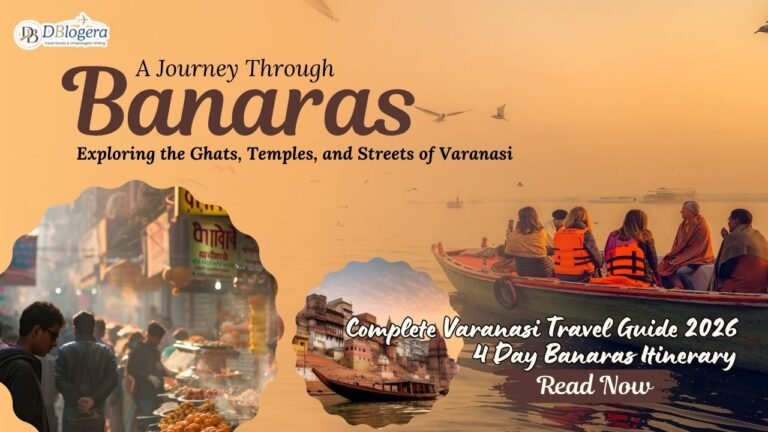
Why a Varanasi Trip in 2026 Should Be on Every Traveler’s List
A Varanasi Trip is unlike any other journey in India because Varanasi offers an experience where spirituality, heritage, history, culture, and daily life exist together in a way that feels both timeless and deeply alive. Known by many names—Banaras, Kashi, and Varanasi—this ancient city is considered one of the oldest continuously inhabited cities in the world. Travelers come here not only to visit temples and ghats but also to witness rituals that have continued for centuries, hear temple bells echo through narrow lanes, and observe how the river shapes every part of local life. Here is the ultimate Varanasi Travel Guide 2026.
In 2026, tourism in Varanasi continues to grow because improved infrastructure, better road connectivity, and enhanced visitor facilities have made the city easier to explore while preserving its sacred identity. A thoughtfully planned Varanasi Trip helps visitors avoid confusion, especially because the city is dense, crowded, and layered with experiences that can overwhelm first-time travelers.
This blog is designed as both a Varanasi Travel Guide 2026 and a 4 Day Banaras Itinerary, helping travelers balance spiritual visits, local food exploration, heritage walks, and cultural experiences without rushing through the city. Whether you are traveling solo, with family, as a photographer, or as a pilgrim, Varanasi rewards slow observation.
Unlike modern tourist destinations, where attractions are isolated, in Varanasi every street becomes part of the journey. You may begin at a temple and unexpectedly discover a silk weaving lane, a hidden shrine, a classical music corner, or a centuries-old sweet shop. This is why an organized itinerary matters.
A complete Varanasi Trip in 2026 should include:
- Sacred ghats and sunrise experiences
- Temple visits
- Street food discovery
- Heritage architecture
- Cultural evenings
- Nearby excursions
- Shopping for Banarasi silk
- Quiet spiritual observation
The city offers different moods at different hours, and each time slot reveals something new.
Why Varanasi is Called the Spiritual Capital of India

Understanding the Sacred Identity of Banaras
Varanasi is often called the spiritual capital of India because for thousands of years it has remained central to Hindu belief systems, pilgrimage traditions, and sacred geography. It is believed that dying in Varanasi grants liberation, making the city spiritually significant beyond ordinary religious tourism.
The sacred identity of Varanasi comes from the combination of river, ritual, and mythology. Ganges River is not merely a river here—it is worshipped as a living goddess. Every dawn begins with offerings, chants, and bathing rituals. Pilgrims gather at ghats before sunrise because early morning is considered spiritually powerful.
A Varanasi Trip becomes meaningful when visitors understand that the city is not designed around sightseeing alone. The city operates according to sacred rhythms:
- Morning river rituals
- Temple offerings
- Midday pilgrim movement
- Evening aarti ceremonies
- Night devotional activity
Many temples here are connected to cosmic symbolism. The old city itself is considered a sacred mandala.
This spiritual identity also influences architecture. Lanes are intentionally narrow because old urban planning evolved around temple-centered movement rather than vehicles.
Spiritual seekers often spend hours simply observing:
- Priests chanting
- Devotees offering flowers
- Monks meditating
- Students reciting scriptures
The city teaches patience because its spiritual experience cannot be rushed.
Best Time for a Varanasi Trip in 2026
Seasonal Planning for Maximum Comfort and Experience
The best season for a Varanasi Trip in 2026 is between October and March because weather remains comfortable for walking, boat rides, and temple visits.
Winter Season (October to February)
Winter is considered ideal because temperatures stay pleasant, especially for early morning activities. Sunrise at the ghats becomes magical during winter mist.
Advantages:
- Comfortable daytime exploration
- Better photography conditions
- Festival season
- Ideal for long walking tours
Summer Season (March to June)
Summer becomes extremely hot, often making midday movement difficult.
However:
- Fewer tourists
- Lower hotel prices
- Easier temple access in the early morning
Monsoon Season (July to September)
Rain transforms the city dramatically. Ghats often change in appearance due to rising river levels.
Monsoon benefits:
- Atmospheric photography
- Strong spiritual mood
- Reduced crowds in some areas
For first-time visitors, winter remains the safest choice for a successful Varanasi Trip.
How to Reach Varanasi in 2026
Transport Options for Domestic and International Travelers
Reaching Varanasi has become easier because transport connectivity continues improving.
By Air
Lal Bahadur Shastri International Airport connects major Indian cities and some international routes.
Airport to city time:
- 45 minutes to 1 hour, depending on traffic
By Train
Varanasi is one of India’s strongest rail hubs.
Major stations:
- Varanasi Junction railway station
- Banaras railway station
Train travel remains ideal for budget travelers.
By Road
Road travel from nearby cities has improved significantly.
Approximate routes:
- Prayagraj to Varanasi
- Lucknow to Varanasi
- Patna to Varanasi
A planned Varanasi Trip should include arrival during daylight for easier hotel check-in.

Day 1 of 4 Day Banaras Itinerary: Ghats, Sunrise, and Evening Aarti
Starting Your Varanasi Trip with the River
Day one should begin before sunrise because the river defines the city, and you can’t afford to miss the morning aarti at any cost.
Sunrise Boat Ride
Start at Assi Ghat.
The sunrise boat ride reveals:
- Ghats waking up
- Ritual bathing
- Morning chanting
- Ancient architecture
As the boat moves northward, each ghat tells a story.
Important Ghats to Observe
- Dashashwamedh Ghat
- Manikarnika Ghat
- Harishchandra Ghat
Evening Ganga Aarti
Return in the evening to Dashashwamedh Ghat.
This ceremony includes:
- Fire rituals
- Bells
- Chanting
- Synchronised priest movements
It remains one of the strongest highlights of any Varanasi Trip.
Day 2 of 4 Day Banaras Itinerary: Temples and Sacred Lanes
Exploring the Spiritual Core of the City
Day two should focus on temples.
Kashi Vishwanath Temple Visit
Kashi Vishwanath Temple remains the spiritual center.
Visitors should arrive early morning.
Important tips:
- Carry minimal belongings
- Follow security guidelines
- Use official entry routes
Nearby Sacred Stops
- Annapurna Devi Mandir
- Kal Bhairav Temple
Walking the Old Lanes
The surrounding lanes offer:
- Brass shops
- Flower sellers
- Religious books
- Hidden shrines
Every corner adds depth to a Varanasi Trip.
Day 3 of 4 Day Banaras Itinerary: Heritage, Food and Culture
Understanding Banaras Beyond Pilgrimage
A complete Varanasi Trip must include food and heritage.
Banarasi Breakfast Experience
Try:
- Kachori
- Jalebi
- Malaiyyo (seasonal)
Banaras Hindu University Area
Banaras Hindu University offers a calmer atmosphere.
Visit:
- New Vishwanath Temple
Cultural Observation
Evening music programs often occur seasonally in heritage zones.
Day 4 of 4 Day Banaras Itinerary: Sarnath and Shopping
Completing the Journey with History and Reflection
A final day should include nearby heritage.
Visit to Sarnath
Sarnath is where Buddha gave his first sermon.
Important sites:
- Dhamek Stupa
- Sarnath Archaeological Museum
Shopping for Banarasi Identity
Buy:
- Banarasi saree
- Brass items
- Wooden souvenirs
Where to Stay During a Varanasi Trip
Choosing the Right Area
Stay near:
- Assi Ghat for calm atmosphere
- Dashashwamedh area for activity
- Cantonment for comfort
Each area suits different travelers.
Food Guide for Varanasi Trip
Essential Local Flavors
Must try:
- Tamatar chaat
- Baati chokha
- Lassi
- Banarasi paan
Paan is culturally important here.
Practical Travel Tips for Varanasi 2026
Smart Planning for a Smooth Experience
Important advice:
- Walk whenever possible
- Start early
- Carry cash
- Respect rituals
- Dress modestly
- Avoid crowd panic
A good Varanasi Trip depends on patience.
Nightlife of Varanasi Beyond Temples and Rituals
Many first-time visitors assume that a Varanasi Trip ends after evening prayers, but nighttime in Varanasi reveals an entirely different energy that deserves careful attention. Unlike metropolitan nightlife built around clubs or entertainment districts, Banaras offers a slower and more atmospheric night culture shaped by conversations, food, music, and river silence. After the crowds begin leaving the major ghats, several stretches near the river become unexpectedly calm, allowing travelers to experience the city in a contemplative mood.
One of the most rewarding night experiences is walking after the evening ceremony along the riverfront beyond Dashashwamedh Ghat toward quieter ghats where lamps still burn, and local residents continue evening routines. The reduced crowd changes the visual atmosphere completely. Temple bells continue in the distance, but narrow lanes become dominated by tea stalls, slow conversations, and local snack vendors serving late-night specialties.
Banaras also has a long tradition of classical music, and depending on the season, travelers may find small cultural gatherings hosted in heritage spaces, educational institutions, or community courtyards. These intimate performances often include vocal recitals, tabla, or sitar presentations that connect visitors to the city’s intellectual and artistic identity.
Late evening food remains another strong part of the experience. Thick milk preparations, sweets, and fresh street snacks continue well after dark in selected lanes. A night-focused Varanasi Trip also helps photographers because artificial light creates dramatic textures across stone steps, temple walls, and old balconies.
Banaras at night is not loud; it is layered, patient, and deeply atmospheric, offering travelers a different emotional understanding of the city.
FAQs About Varanasi Travel Guide 2026
Is 4 days enough for a Varanasi Trip?
Yes, four days allow spiritual visits, food exploration, cultural observation, and one nearby excursion.
Which month is best for Varanasi in 2026?
October to February remains ideal.
Is Varanasi safe for solo travelers?
Yes, but crowded zones require awareness.
What is the best sunrise ghat?
Assi Ghat is ideal.
Can I cover Sarnath in half a day?
Yes, half day is sufficient.
Is photography allowed everywhere?
Not inside many temple interiors.
What should first-time visitors avoid?
Avoid overplanning too many temple visits in one day.
Also Read
Top Indian Devotional Destinations to Visit in 2026
Top Budget Travel Destinations for Indians in 2026