
Tag

Travel

Browsing

Only one leave—and you’ve got yourself an unforgettable three-day vacation!

Independence Day is not only an occasion to celebrate India’s freedom but also a wonderful opportunity to step away from routine and explore the country’s extraordinary landscapes.

In 2026, Independence Day falls on Saturday, 15 August. Take leave on Friday, 14 August, and you can enjoy a convenient three-day break from Friday to Sunday.

That is enough time for a refreshing road trip, a romantic hill-station escape, a heritage holiday or a peaceful family vacation.

August is also one of the most visually rewarding months to travel across India. The monsoon turns hills deep green, revives seasonal waterfalls, fills lakes and rivers, and brings a refreshing calm to destinations that feel dry or crowded during other parts of the year.

Imagine driving through mist-covered coffee estates in Coorg, watching clouds float over Munnar’s tea gardens, sailing across the backwaters of Alleppey or admiring the rain-washed palaces of Udaipur. A thoughtfully planned three-day journey can offer all the relaxation and excitement of a much longer holiday.

In this detailed guide, you will discover 15 of the best Independence Day trip ideas in India, along with suggested itineraries, major attractions, travel routes, estimated budgets, local food recommendations and essential monsoon travel tips.

Whether you are planning a weekend getaway with friends, a romantic trip with your partner, a solo adventure or a family holiday, there is something here for every kind of traveller.

Why Independence Day Is the Perfect Long Weekend to Travel

Independence Day falls in the heart of India’s monsoon season. While rain can occasionally interrupt travel plans, it also transforms many destinations into lush, vibrant retreats.

Mountains become greener, waterfalls grow stronger, lakes look fuller and forests appear dramatically refreshed. Even cities known for heat, such as Udaipur and Orchha, often feel more pleasant during cloudy August days.

Here are some of the biggest reasons to plan an Independence Day getaway:

  • Taking one day of leave can create a three-day vacation.
  • Waterfalls and monsoon streams are usually at their scenic best.
  • Hill stations offer cooler and more comfortable temperatures.
  • Road trips become visually spectacular.
  • Several hotels offer attractive monsoon-season packages.
  • The season is ideal for nature and landscape photography.
  • Some destinations receive fewer tourists than during summer holidays.
  • Cafés, homestays and forest lodges feel especially cosy in the rain.
  • Couples can enjoy romantic weather without planning an expensive international trip.
  • Families can take a short break without disrupting work or school schedules significantly.

The key is to select a destination that is reasonably close to your city and avoid an itinerary that requires excessive travelling.

Things to Consider Before Planning an August Trip

Monsoon travel requires more flexibility than travelling during the dry season. Heavy rain, waterlogging, poor visibility, landslides and temporary road closures can affect certain destinations.

Before confirming your plans, evaluate the following factors.

Check the Travel Time

For a three-day trip, the destination should ideally be reachable within six to eight hours by road, train or a short flight followed by a manageable transfer.

Spending most of the holiday in transit can leave you tired rather than refreshed.

Monitor the Weather

Check the forecast a few days before departure and continue monitoring local advisories. Conditions in mountain regions can change quickly during August.

Avoid travelling to areas experiencing warnings for extreme rainfall, floods or landslides.

Choose Refundable Bookings

Book hotels, flights and activities that provide free cancellation or date modification wherever possible. A slightly higher refundable rate can save money if the weather suddenly becomes unsafe.

Keep Your Itinerary Flexible

Do not schedule every hour of the trip. Maintain alternative indoor activities such as cafés, museums, palaces, temples, craft centres or spa experiences.

Avoid Risky Adventure Activities

Trekking, rafting, swimming and waterfall visits should only be attempted when officially permitted and supervised by trained local operators.

Never enter overflowing rivers or cross barricaded areas for photographs.

Monsoon Travel Checklist

Carry the following essentials for a more comfortable Independence Day trip:

  • Lightweight raincoat or poncho
  • Compact umbrella
  • Waterproof backpack or rain cover
  • Quick-drying clothes
  • An extra pair of socks
  • Shoes with strong grip
  • Identity proof
  • Personal medicines
  • First-aid kit
  • Insect repellent
  • Power bank
  • Waterproof phone pouch
  • Reusable water bottle
  • Dry snacks
  • Offline maps
  • Cash for remote locations
  • Plastic-free waterproof pouches for documents

15 Best Independence Day Trip Ideas in India
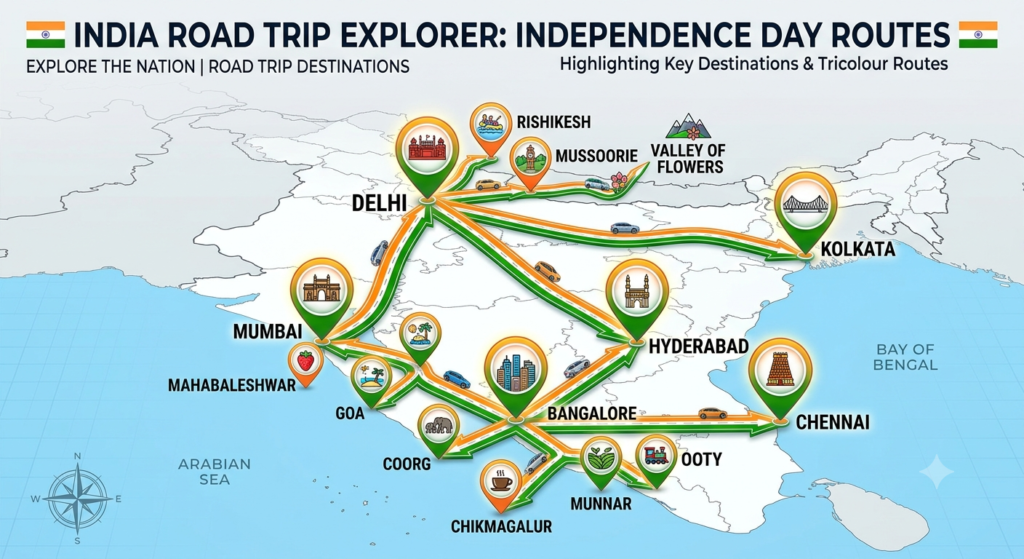
India Long Weekend Destination Map

The following destinations offer a mix of nature, culture, heritage, food, relaxation and adventure. Each can be planned as a three-day getaway, depending on your starting city and transport connections.

1. Coorg, Karnataka – Coffee Estates Wrapped in Mist

Coorg, officially known as Kodagu, is one of the most popular Independence Day holiday destinations in South India. During August, its coffee plantations, forest roads and rolling hills are covered in mist.

The smell of wet earth and coffee blossoms, the sound of rain falling on tiled roofs and the sight of clouds moving through the valleys give Coorg a deeply peaceful atmosphere.

Madikeri serves as the main base for most travellers. From there, you can visit waterfalls, viewpoints, monasteries, plantations and riverside attractions.

Top Attractions in Coorg

  • Abbey Falls
  • Raja’s Seat
  • Madikeri Fort
  • Omkareshwara Temple
  • Dubare Elephant Camp
  • Mandalpatti Viewpoint
  • Talacauvery
  • Namdroling Monastery
  • Coffee plantations

Suggested Three-Day Itinerary

Day 1: Arrive in Madikeri, check in and visit Raja’s Seat, Madikeri Fort and Omkareshwara Temple.

Day 2: Explore Abbey Falls and a coffee plantation. Visit Mandalpatti only when road and weather conditions are safe.

Day 3: Visit Dubare or Namdroling Monastery before beginning the return journey.

What to Eat

Try kadambuttu, noolputtu, akki roti, bamboo shoot curry, and traditional Coorg-style curries.

Ideal For

Couples, families, nature lovers, photographers and road-trip enthusiasts.

Approximate Budget

A budget trip may cost around ₹6,000–₹10,000 per person, while comfortable stays and private transportation can increase the cost.

Travel Tip

Roads can become slippery during heavy rain. Hire an experienced local driver for plantation roads and viewpoints.

2. Munnar, Kerala – Endless Tea Gardens and Floating Clouds

Munnar is among the most romantic Independence Day trip ideas for couples. Its tea-covered slopes, misty valleys, winding roads and cool August weather create an almost cinematic landscape.

The monsoon makes Munnar greener and quieter, although heavy rainfall may occasionally affect sightseeing.

A slow-paced itinerary works best here. Rather than rushing between attractions, spend time enjoying tea gardens, scenic drives and peaceful viewpoints.

Places to Visit in Munnar

  • Eravikulam National Park
  • Tata Tea Museum
  • Mattupetty Dam
  • Echo Point
  • Kundala Lake
  • Top Station
  • Attukad Waterfalls
  • Pothamedu Viewpoint
  • Blossom Park

Suggested Three-Day Itinerary

Day 1: Arrive, explore the local market, visit the Tea Museum and enjoy sunset views from Pothamedu.

Day 2: Cover Mattupetty Dam, Echo Point, Kundala Lake and nearby tea estates.

Day 3: Visit Eravikulam National Park if open and accessible, followed by a relaxed café or plantation experience.

What to Eat

Try appam with stew, Kerala parotta, puttu, kadala curry, banana chips and locally produced tea.

Ideal For

Couples, honeymooners, families and travellers looking for a peaceful nature retreat.

Approximate Budget

Expect approximately ₹7,000–₹14,000 per person, depending on transport and accommodation.

Travel Tip

Some viewpoints may be covered by fog. Treat the misty drive and plantation atmosphere as part of the experience rather than chasing a packed sightseeing schedule.

3. Udaipur, Rajasthan – Romance Meets Royal Heritage

Udaipur is generally associated with winter travel, but the monsoon gives the City of Lakes a distinctive charm. Cloudy skies, fuller lakes and the Aravalli hills create a refreshing contrast to Rajasthan’s desert image.

It is one of the best long weekend destinations for couples, families and heritage enthusiasts.

Udaipur is especially suitable for travellers who want a blend of indoor and outdoor attractions. If rain interrupts your lake plans, you can still explore palaces, museums, cafés and cultural venues.

Top Attractions in Udaipur

  • City Palace
  • Lake Pichola
  • Jag Mandir
  • Fateh Sagar Lake
  • Sajjangarh Monsoon Palace
  • Bagore Ki Haveli
  • Saheliyon Ki Bari
  • Jagdish Temple
  • Shilpgram

Suggested Three-Day Itinerary

Day 1: Visit City Palace, Jagdish Temple and Bagore Ki Haveli. Walk around the old city in the evening.

Day 2: Explore Fateh Sagar Lake, Saheliyon Ki Bari and Sajjangarh Palace, weather permitting.

Day 3: Enjoy a boat ride if operations are open, shop for handicrafts and visit a rooftop café overlooking the lake.

What to Eat

Do not miss dal baati churma, gatte ki sabzi, ker sangri, pyaaz kachori and traditional Rajasthani thalis.

Ideal For

Couples, families, architecture lovers, food enthusiasts and photographers.

Approximate Budget

A three-day trip may cost approximately ₹7,000–₹15,000 per person.

Travel Tip

Book lake-facing accommodation early because rooms with the best views can become expensive during a holiday weekend.

4. Lonavala and Khandala, Maharashtra – A Classic Monsoon Escape

Few destinations represent monsoon travel in India as perfectly as Lonavala and Khandala. Located close to Mumbai and Pune, these twin hill stations are surrounded by green valleys, seasonal waterfalls, forts and misty viewpoints.

Their easy accessibility makes them extremely popular during the Independence Day long weekend.

However, this popularity also brings traffic congestion. Start early, avoid unsafe roadside parking and never stand near overflowing waterfalls or steep valley edges.

Places to Visit

  • Tiger Point
  • Lion Point
  • Bhushi Dam
  • Karla Caves
  • Bhaja Caves
  • Lohagad Fort
  • Rajmachi Fort
  • Duke’s Nose
  • Pawna Lake

Suggested Three-Day Itinerary

Day 1: Reach Lonavala, visit Karla and Bhaja Caves and explore the market.

Day 2: Visit a safe viewpoint, Pawna Lake or Lohagad Fort only if trekking conditions are favourable.

Day 3: Enjoy a relaxed breakfast, shop for chikki and return before peak evening traffic.

What to Eat

Lonavala is famous for chikki, fudge, corn pakoras, vada pav, misal pav and hot tea.

Ideal For

Friends, couples, families, bikers and weekend road trippers from Mumbai and Pune.

Approximate Budget

Budget travellers may spend ₹4,000–₹8,000 per person. Premium villas can significantly increase the overall cost.

Travel Tip

Do not enter restricted areas near Bhushi Dam. Water levels can rise suddenly during heavy rain.

5. Mahabaleshwar, Maharashtra – Forest Roads and Dramatic Viewpoints

Mahabaleshwar becomes wonderfully atmospheric during August. The hill station is surrounded by dense forests, valleys, viewpoints and seasonal waterfalls.

While fresh strawberries are more closely associated with the winter harvest, visitors can still enjoy strawberry-based products, jams, cream desserts and local farm shops.

Top Attractions

  • Arthur’s Seat
  • Venna Lake
  • Elephant’s Head Point
  • Kate’s Point
  • Lodwick Point
  • Lingmala Waterfall
  • Mapro Garden
  • Old Mahabaleshwar

Suggested Three-Day Itinerary

Day 1: Arrive, visit Venna Lake and explore the main market.

Day 2: Cover major viewpoints depending on visibility and rainfall. Visit Mapro Garden in the evening.

Day 3: Explore Old Mahabaleshwar and return via Panchgani if time permits.

What to Eat

Try strawberry cream, corn patties, mulberry products, sandwiches, local berries and Maharashtrian snacks.

Ideal For

Families, couples, senior travellers and nature lovers.

Approximate Budget

Plan approximately ₹6,000–₹12,000 per person.

Travel Tip

Fog can reduce visibility significantly. Avoid driving after dark if you are unfamiliar with the route.

6. Shillong, Meghalaya – Waterfalls, Lakes and Cloudy Hills

Shillong is one of the most beautiful places to visit in August in India. The Meghalaya capital combines colonial charm, local culture, music, cafés, waterfalls and dramatic landscapes.

August can bring substantial rainfall, but that is also what makes the region’s waterfalls and forests so spectacular.

Shillong works best for travellers flying into Guwahati and arranging a reliable road transfer.

Places to Explore

  • Umiam Lake
  • Elephant Falls
  • Ward’s Lake
  • Shillong Peak
  • Police Bazaar
  • Laitlum Canyons
  • Don Bosco Museum
  • Cathedral of Mary Help of Christians

Suggested Three-Day Itinerary

Day 1: Travel from Guwahati to Shillong with a stop at Umiam Lake.

Day 2: Visit Elephant Falls, Shillong Peak, Don Bosco Museum and Police Bazaar.

Day 3: Explore Laitlum Canyons if the weather is safe, followed by cafés and local shopping.

What to Eat

Try Khasi dishes such as jadoh, dohneiihong, tungrymbai and local smoked-meat preparations. Vegetarian cafés are also widely available.

Ideal For

Nature lovers, food explorers, photographers and couples.

Approximate Budget

Including the Guwahati–Shillong transfer, the trip may cost ₹10,000–₹18,000 per person.

Travel Tip

Keep buffer time for road travel because rain and traffic can delay transfers.

7. Wayanad, Kerala – Forests, Waterfalls and Quiet Homestays

Wayanad offers a mix of wildlife, plantations, caves, dams and forested hills. It is one of the most rewarding weekend getaway options in India for travellers from Bengaluru, Mysuru, Kozhikode and nearby areas.

During August, Wayanad looks exceptionally green, but outdoor activities may be regulated depending on rain and forest conditions.

Top Places in Wayanad

  • Edakkal Caves
  • Banasura Sagar Dam
  • Pookode Lake
  • Soochipara Falls
  • Kuruva Island
  • Chembra Peak
  • Thirunelli Temple
  • Tea and spice plantations

Suggested Three-Day Itinerary

Day 1: Arrive, check into a plantation stay and visit Pookode Lake or a nearby viewpoint.

Day 2: Explore Edakkal Caves and Banasura Sagar Dam.

Day 3: Visit a plantation, local market or permitted waterfall area before returning.

What to Eat

Try Malabar parotta, appam, stew, pathiri, puttu, local rice dishes and Kerala-style curries.

Ideal For

Families, couples, wildlife enthusiasts and slow travellers.

Approximate Budget

A three-day trip may cost ₹6,000–₹12,000 per person.

Travel Tip

Access to waterfalls, trekking routes and forest zones may be restricted during heavy rainfall. Always check locally before leaving your accommodation.

8. Valley of Flowers, Uttarakhand – A Legendary Himalayan Trek

The Valley of Flowers is unlike most destinations on this list. It is a UNESCO-recognised Himalayan landscape famous for alpine flowers, mountain scenery and trekking trails.

The valley is generally at its floral best during the monsoon months. However, it is not a relaxed three-day holiday from most major cities.

Travellers should account for road transfers, trekking time, weather delays and physical demands. A complete journey often requires five to seven days or more, depending on the starting point.

Therefore, choose the Valley of Flowers only when you already have additional leave or are beginning the trip from a nearby Himalayan region.

Main Experiences

  • Trek from Govindghat and Ghangaria
  • Alpine flower landscapes
  • Mountain streams
  • Hemkund Sahib extension
  • Himalayan photography
  • Peaceful village stays

Who Should Choose It

Experienced walkers, nature photographers, trekkers and travellers with good fitness levels.

Approximate Budget

A longer budget expedition can cost ₹12,000–₹25,000 per person, excluding flights.

Important Safety Note

This region can experience landslides, trail closures and transport disruption during heavy rain. Do not attempt the journey without checking official local conditions.

9. Mount Abu, Rajasthan – Rajasthan’s Refreshing Hill Station

Mount Abu offers a pleasant blend of lakes, forests, temples, viewpoints and local markets. The monsoon refreshes the surrounding Aravalli hills and makes the landscape noticeably greener.

It is an attractive Independence Day destination for travellers from Ahmedabad, Udaipur, Jaipur and parts of Gujarat and Rajasthan.

Must-Visit Places

  • Nakki Lake
  • Dilwara Temples
  • Guru Shikhar
  • Sunset Point
  • Toad Rock
  • Peace Park
  • Achalgarh Fort

Suggested Three-Day Itinerary

Day 1: Check in, explore Nakki Lake and walk through the market.

Day 2: Visit Dilwara Temples, Guru Shikhar and Achalgarh.

Day 3: Enjoy a relaxed morning, visit Peace Park or nearby viewpoints and begin the return journey.

What to Eat

Try Rajasthani thalis, dal baati churma, rabri, kachori and local street snacks.

Ideal For

Families, couples, senior citizens and temple visitors.

Approximate Budget

Plan approximately ₹5,000–₹10,000 per person.

Travel Tip

Holiday traffic near Nakki Lake can be intense. Choose accommodation slightly away from the busiest market if you prefer peace.

10. Chikmagalur, Karnataka – Coffee, Mountains and Adventure

Chikmagalur is a superb alternative to Coorg for travellers seeking coffee plantations, waterfalls and mountain scenery.

The district is home to Mullayanagiri, one of Karnataka’s highest peaks, along with scenic drives through Baba Budangiri and numerous plantation estates.

In August, the entire region appears fresh and intensely green.

Major Attractions

  • Mullayanagiri
  • Baba Budangiri
  • Hebbe Falls
  • Jhari Falls
  • Hirekolale Lake
  • Coffee Museum
  • Plantation estates

Suggested Three-Day Itinerary

Day 1: Arrive, visit Hirekolale Lake and explore a coffee estate.

Day 2: Travel towards Mullayanagiri and Baba Budangiri if visibility and road conditions permit.

Day 3: Visit the Coffee Museum, relax at your homestay and return.

What to Eat

Enjoy filter coffee, neer dosa, akki roti, kadubu and traditional Malnad meals.

Ideal For

Couples, photographers, bikers and coffee lovers.

Approximate Budget

Expect to spend around ₹6,000–₹12,000 per person.

Travel Tip

Book a plantation homestay rather than staying only in the main town. The plantation atmosphere is one of Chikmagalur’s biggest attractions.

11. Alleppey, Kerala – Backwater Calm and Houseboat Experiences

Alleppey, also known as Alappuzha, offers one of India’s most distinctive travel experiences: cruising through a network of backwaters lined with coconut palms, villages and paddy fields.

It is a beautiful choice for couples and families looking for a slower Independence Day trip.

Houseboat prices vary widely, so compare packages carefully and confirm what is included.

Top Experiences

  • Day cruise or overnight houseboat
  • Village canoe tour
  • Alappuzha Beach
  • Backwater homestay
  • Local seafood
  • Sunset photography
  • Marari Beach excursion

Suggested Three-Day Itinerary

Day 1: Arrive, explore Alappuzha Beach and check into a backwater resort.

Day 2: Enjoy a houseboat or smaller canoe experience.

Day 3: Visit Marari Beach or a nearby village before returning.

What to Eat

Try karimeen dishes, appam, stew, Kerala fish curry, tapioca preparations and banana chips.

Ideal For

Couples, honeymooners, families and slow travellers.

Approximate Budget

A budget trip may cost ₹7,000–₹12,000 per person. Private overnight houseboats can push the cost higher.

Travel Tip

Ask about the boat’s route, air-conditioning timings, meal plan, hygiene standards and safety equipment before booking.

12. Orchha, Madhya Pradesh – Forts, Cenotaphs and Riverside Heritage

Orchha is a compact heritage town located along the Betwa River. Its palaces, temples, murals and cenotaphs create a setting that feels grand yet less crowded than many famous tourist cities.

The monsoon adds greenery to the riverbanks and dramatic clouds to the skyline, making it highly photogenic.

Places to Explore

  • Orchha Fort Complex
  • Jahangir Mahal
  • Raja Mahal
  • Ram Raja Temple
  • Chaturbhuj Temple
  • Cenotaphs
  • Betwa River
  • Lakshmi Narayan Temple

Suggested Three-Day Itinerary

Day 1: Reach Orchha, explore the fort complex and attend the evening aarti.

Day 2: Visit Chaturbhuj Temple, Lakshmi Narayan Temple and the cenotaphs.

Day 3: Enjoy a riverside walk, shop for handicrafts and return via Jhansi.

What to Eat

Try Bundelkhandi food, poha, jalebi, local thalis and seasonal snacks.

Ideal For

History lovers, families, photographers, architecture enthusiasts and solo travellers.

Approximate Budget

Orchha is relatively affordable, with a possible budget of ₹4,000–₹8,000 per person.

Travel Tip

Do not enter the Betwa River when the current is strong. Monsoon water levels can change quickly.

13. Saputara, Gujarat – A Peaceful Hill Retreat

Saputara is Gujarat’s best-known hill station and an excellent option for travellers seeking greenery without the intense crowds of more famous mountain destinations.

It offers a lake, gardens, viewpoints, a ropeway and access to nearby waterfalls.

Places to Visit

  • Saputara Lake
  • Sunrise Point
  • Sunset Point
  • Step Garden
  • Lake Garden
  • Artist Village
  • Ropeway
  • Gira Waterfalls
  • Waghai Botanical Garden

Suggested Three-Day Itinerary

Day 1: Arrive, enjoy boating at Saputara Lake and explore the gardens.

Day 2: Visit viewpoints, the ropeway and Artist Village.

Day 3: Take an excursion towards Gira Falls or Waghai, subject to local conditions.

What to Eat

Try Gujarati thali, khaman, handvo, thepla, fafda and local tribal preparations where available.

Ideal For

Families, couples, senior citizens and travellers from Gujarat and Maharashtra.

Approximate Budget

A comfortable trip can cost ₹5,000–₹9,000 per person.

Travel Tip

Waterfall areas can become crowded and slippery. Wear suitable footwear and follow all barriers and local instructions.

14. Dandeli, Karnataka – Forests and Outdoor Adventure

Dandeli is known for forest stays, wildlife, river activities and outdoor adventure. It appeals to groups of friends and active travellers looking for something more energetic than a conventional hill-station holiday.

However, activities such as rafting and kayaking depend on water conditions, dam releases and local permissions. Never assume that a particular activity will be available simply because it is monsoon season.

Popular Experiences

  • Kali River activities
  • Kayaking
  • Guided rafting when officially operational
  • Jungle safari
  • Birdwatching
  • Ziplining
  • Camping
  • Syntheri Rocks
  • Kavala Caves

Suggested Three-Day Itinerary

Day 1: Arrive at a forest resort, attend a nature walk and relax.

Day 2: Participate in permitted river activities with a registered operator.

Day 3: Choose a jungle safari, birdwatching session or visit to Syntheri Rocks before departure.

What to Eat

Resorts generally serve North Indian, South Indian and local Karnataka meals. Confirm inclusions before booking a package.

Ideal For

Friends, adventure seekers, birdwatchers and nature enthusiasts.

Approximate Budget

Packages typically range from ₹6,000–₹14,000 per person, depending on accommodation and activities.

Travel Tip

Book only with recognised operators who provide helmets, life jackets, safety briefings and trained guides.

15. Pachmarhi, Madhya Pradesh – The Queen of Satpura

Pachmarhi is a scenic hill station surrounded by forests, caves, waterfalls and sandstone formations.

The monsoon brings its vegetation to life and enhances waterfalls such as Bee Falls. It is a rewarding destination for families and travellers from Madhya Pradesh, Maharashtra and neighbouring states.

Top Attractions

  • Bee Falls
  • Jata Shankar Cave
  • Pandava Caves
  • Dhoopgarh
  • Handi Khoh
  • Apsara Vihar
  • Priyadarshini Point
  • Reechgarh

Suggested Three-Day Itinerary

Day 1: Arrive and explore Jata Shankar Cave and Pandava Caves.

Day 2: Take an authorised local sightseeing tour covering waterfalls and forest attractions.

Day 3: Visit Dhoopgarh or a nearby viewpoint, weather permitting, and return.

What to Eat

Try poha, jalebi, dal bafla, local snacks and simple North Indian meals available around the market.

Ideal For

Families, couples, photographers and nature lovers.

Approximate Budget

A three-day trip may cost ₹5,000–₹10,000 per person.

Travel Tip

Some forest areas require registered vehicles or local permits. Confirm the current process after arrival.

Best Independence Day Trips from Major Indian Cities

Choosing a destination close to your city makes a three-day holiday more enjoyable. Here are some convenient three-day trips from major cities.

Independence Day Trips from Delhi NCR

Rishikesh

Ideal for riverside cafés, yoga retreats, temples and short nature experiences. Adventure activities should only be booked when officially operational.

Mussoorie

A classic hill getaway offering Mall Road, viewpoints, cafés and easy access from Dehradun.

Lansdowne

A peaceful option for pine forests, colonial-era surroundings and quiet family time.

Jaipur

A reliable heritage getaway with forts, palaces, museums, food and numerous indoor attractions.

Jim Corbett Region

Suitable for resort stays and nature experiences, though safari zones and routes may have seasonal restrictions.

Additional Option from Meerut

Travellers from Meerut can also consider Haridwar, Rishikesh, Lansdowne, Nainital, Bhimtal, Jaipur and Agra, depending on weather and road conditions.

Independence Day Trips from Mumbai

  • Lonavala and Khandala
  • Mahabaleshwar
  • Panchgani
  • Alibaug
  • Igatpuri
  • Matheran
  • Nashik

Independence Day Trips from Bengaluru

  • Coorg
  • Chikmagalur
  • Wayanad
  • Mysuru
  • Sakleshpur
  • Kabini
  • Dandeli

Independence Day Trips from Chennai

  • Yercaud
  • Puducherry
  • Ooty
  • Kodaikanal
  • Mahabalipuram
  • Yelagiri

Independence Day Trips from Hyderabad

  • Hampi
  • Warangal
  • Araku Valley
  • Nagarjuna Sagar
  • Bidar
  • Srisailam

Independence Day Trips from Kolkata

  • Darjeeling
  • Kalimpong
  • Digha
  • Mandarmani
  • Shantiniketan
  • Tajpur

Mountain travel should be reconsidered if the region is experiencing heavy rain or landslide warnings.

How to Select the Right Destination
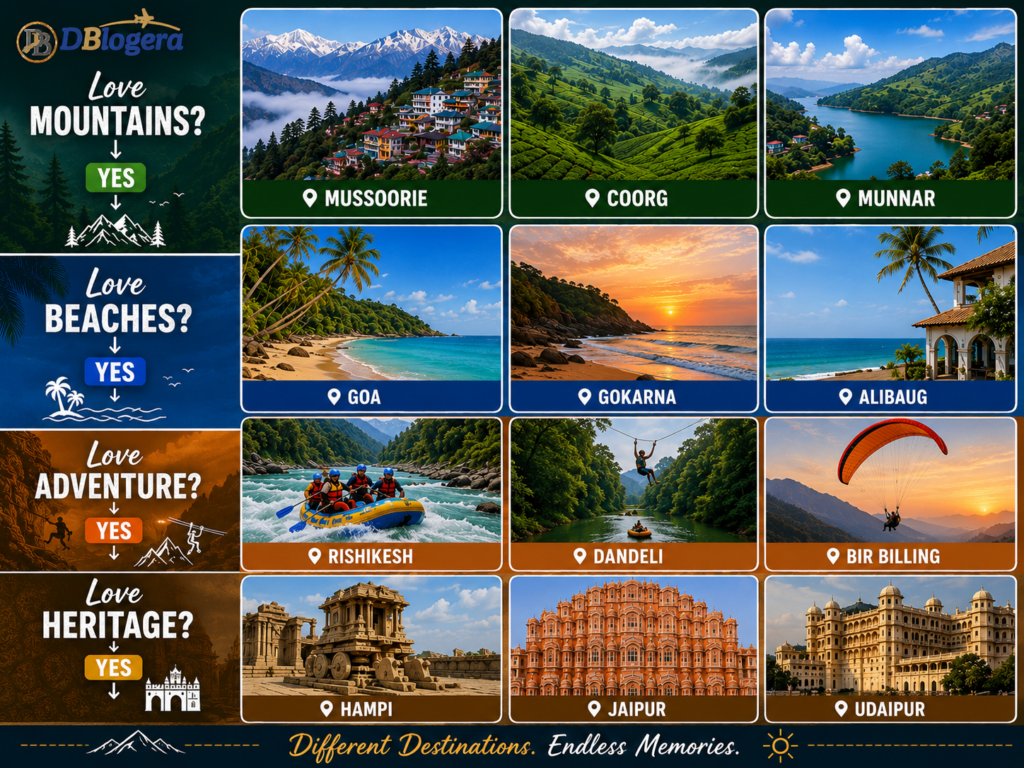
With so many long weekend travel ideas, selecting one can become confusing. Use the following framework to finalise your best-suited Independence Day Trip Destination.

For Couples

Choose Munnar, Coorg, Udaipur, Alleppey, Mahabaleshwar or Chikmagalur.

These places offer scenic accommodation, cafés, private experiences and romantic surroundings.

For Families

Consider Mount Abu, Saputara, Pachmarhi, Shillong, Orchha or Udaipur.

They offer a balanced combination of sightseeing, comfort, food and manageable activities.

For Friends

Lonavala, Dandeli, Chikmagalur, Coorg and Wayanad work well for group road trips and shared stays.

For History Lovers

Udaipur and Orchha are the strongest options from this list. Jaipur, Hampi and Mysuru can also be considered based on your starting city.

For Nature Lovers

Coorg, Munnar, Wayanad, Shillong, Chikmagalur and Pachmarhi offer the most immersive natural surroundings.

For Luxury Travellers

Consider a lake-view hotel in Udaipur, a premium plantation resort in Coorg, a luxury houseboat in Alleppey or a private villa near Lonavala.

For Budget Travellers

Orchha, Saputara, Mount Abu and destinations reachable by overnight bus or train are often more economical than trips involving flights.

Sample Three-Day Independence Day Itinerary

This flexible template can be used for most destinations.

Day 1: Arrival and Local Exploration

  • Leave early in the morning or travel overnight.
  • Check into your hotel.
  • Eat a light local lunch.
  • Visit two nearby attractions.
  • Watch the sunset from a safe viewpoint.
  • Enjoy dinner at a local restaurant.

Day 2: Main Sightseeing Day

  • Start after checking the weather.
  • Visit the destination’s most important attractions.
  • Take a lunch break instead of rushing.
  • Keep one indoor alternative ready.
  • Return before dark in mountainous or forest areas.
  • Spend the evening at a café, market or cultural venue.

Day 3: Slow Morning and Return

  • Enjoy a relaxed breakfast.
  • Visit one nearby attraction.
  • Shop for local products.
  • Check out on time.
  • Begin the return journey early enough to avoid late-night driving.

Approximate Budget for a Three-Day Trip

The total amount will depend on your destination, starting city, transport and travel style.

Travel StyleApproximate Total Cost
Solo backpacking₹4,000–₹8,000
Budget trip for a couple₹10,000–₹18,000
Comfortable couple trip₹18,000–₹30,000
Mid-range family trip₹20,000–₹40,000
Premium or luxury holiday₹40,000 and above

Typical Cost Distribution

  • Transport: 25–40%
  • Accommodation: 25–35%
  • Food: 10–20%
  • Local sightseeing: 10–20%
  • Activities and shopping: Variable
  • Emergency reserve: At least 10%

These figures are broad planning estimates. Holiday demand, flight fares, premium properties and private taxis can increase the final cost.

How to Save Money on Independence Day Trips

Travelling during a holiday weekend does not have to be excessively expensive.

Book Early

Transport and hotel rates often increase closer to the holiday.

Travel Overnight

An overnight train or bus can reduce both travel time and one night’s accommodation cost.

Share Transportation

Groups can split the cost of a taxi, rental car or villa.

Stay Outside the Main Tourist Centre

Properties located a few kilometres outside the central market are often quieter and more affordable.

Choose Breakfast-Inclusive Hotels

A substantial breakfast can reduce food expenses and help you start sightseeing early.

Avoid Overbooking Activities

A three-day trip does not need expensive experiences every few hours. Scenic drives, local markets, public viewpoints, and heritage walks can be equally memorable.

Carry Snacks and Water

This is especially useful on road trips and in remote areas where choices may be limited.

What to Pack for an Independence Day Long Weekend

Packing light is helpful, but monsoon essentials should not be ignored.

Clothing

  • Three lightweight outfits
  • One warm layer for hill stations
  • Quick-drying trousers
  • Extra socks
  • Comfortable nightwear
  • Raincoat or poncho
  • Cap or hat

Footwear

  • Water-resistant shoes with good grip
  • Lightweight sandals
  • Avoid smooth-soled fashion footwear on wet trails

Health and Hygiene

  • Prescription medicines
  • Pain reliever and basic first-aid supplies
  • Motion-sickness medicine
  • Hand sanitiser
  • Mosquito repellent
  • Sunscreen
  • Tissues
  • Personal hygiene products

Electronics

  • Phone charger
  • Power bank
  • Camera
  • Waterproof phone pouch
  • Multi-port charger
  • Earphones

Documents

  • Government-issued identity proof
  • Hotel confirmations
  • Transport tickets
  • Driving licence
  • Vehicle documents
  • Emergency contact details

Essential Safety Tips for Monsoon Travel

A memorable trip should never come at the cost of personal safety.

  • Avoid flooded or waterlogged roads.
  • Never drive through flowing water when its depth is unknown.
  • Follow district administration and local weather advisories.
  • Do not trek during thunderstorms or intense rainfall.
  • Avoid isolated trails without a registered guide.
  • Stay away from the edge of waterfalls, dams and cliffs.
  • Do not cross safety barricades for photographs or reels.
  • Keep family members informed about your route.
  • Carry cash in remote areas where digital networks may fail.
  • Use only registered adventure operators.
  • Avoid late-night driving on foggy mountain roads.
  • Keep the vehicle fuelled before entering remote regions.
  • Download offline maps.
  • Carry a basic medical kit.
  • Respect wildlife and never feed wild animals.
  • Book refundable accommodation wherever possible.

Sustainable Travel Tips

The spirit of Independence Day can also inspire us to travel more responsibly and care for the country we celebrate.

Carry Reusable Items

Use a refillable water bottle, reusable cutlery and a cloth shopping bag.

Avoid Single-Use Plastic

Do not leave plastic bottles, snack packets or disposable raincoats at viewpoints and trekking sites.

Support Local Businesses

Eat at locally owned restaurants, purchase regional crafts and choose community-run experiences where possible.

Respect Wildlife

Maintain silence in forest areas, do not feed animals and never request guides to disturb wildlife for photographs.

Conserve Water and Energy

Reuse towels, switch off lights and avoid unnecessary water consumption at hotels.

Respect Local Culture

Dress appropriately at temples and heritage sites, ask permission before photographing people and follow local customs.

Leave No Trace

Carry your waste until you find a proper disposal facility. A destination should look as clean—or cleaner—after your visit.

“Travellers searching for more rain-soaked escapes can explore our complete guide to the best places to visit in monsoon in India.”

Frequently Asked Questions

Which are the best Independence Day trip ideas in India?

Coorg, Munnar, Udaipur, Lonavala, Mahabaleshwar, Shillong, Wayanad, Chikmagalur, Alleppey, Mount Abu and Pachmarhi are excellent options. The right destination depends on your starting city, budget and current weather conditions.

Is August a good month to travel in India?

Yes, August is a rewarding month for monsoon travel. Hill stations, forests, waterfalls, lakes and plantation destinations look especially green. Travellers must remain flexible because heavy rainfall can affect roads and outdoor activities.

How can I plan a three-day Independence Day trip?

Choose a destination that can be reached without spending most of the holiday in transit. Book refundable transportation and accommodation, check the weather, pack rain protection and limit your itinerary to two or three major experiences per day.

Where should I travel for Independence Day from Delhi?

Popular options include Rishikesh, Mussoorie, Lansdowne, Jaipur, Agra and the Jim Corbett region. Select mountain destinations only after reviewing rainfall and road advisories.

Which Independence Day trips are best from Mumbai?

Lonavala, Khandala, Mahabaleshwar, Panchgani, Alibaug, Igatpuri, Matheran and Nashik are convenient long-weekend options from Mumbai.

Which destinations are best for couples?

Munnar, Coorg, Udaipur, Alleppey, Mahabaleshwar and Chikmagalur are among the best romantic getaways for couples.

Which destinations are suitable for families?

Udaipur, Mount Abu, Orchha, Saputara, Pachmarhi and Shillong offer family-friendly sightseeing and varied accommodation.

Which places are suitable for a road trip with friends?

Lonavala, Coorg, Chikmagalur, Wayanad, Dandeli and Mahabaleshwar work well for group road trips, depending on distance and road conditions.

Is the Valley of Flowers possible in three days?

For most travellers, no. The complete journey generally requires additional days because of road transfers, acclimatisation, trekking and possible weather delays. It should not be treated as a rushed three-day weekend trip from Delhi.

Is river rafting available in August?

Availability varies by destination, rainfall, river conditions and local permissions. Never book through an unregistered operator or enter a river when activities have been suspended.

How much does a three-day Independence Day trip cost?

A budget solo trip may cost ₹4,000–₹8,000. A couple may spend ₹10,000–₹30,000, while a family holiday can cost ₹20,000–₹40,000 or more. Flights, villas, private taxis and luxury resorts will increase the budget.

What should I pack for monsoon travel?

Carry a raincoat, waterproof backpack, shoes with grip, quick-drying clothing, medicines, identity proof, power bank, offline maps, cash and waterproof protection for electronics.

Should I book hotels in advance?

Yes. Independence Day is a popular holiday period, and good hotels, homestays and villas can sell out or become more expensive close to the date.

Are hill stations safe to visit in August?

Many hill stations remain open, but safety depends on real-time rainfall and road conditions. Check official weather and district advisories before departure and avoid travelling during warnings for landslides or extreme rain.

Final Thoughts

The Independence Day long weekend is more than a break from work. It is an opportunity to reconnect with friends and family, experience India’s natural beauty and appreciate the landscapes, cultures and communities that make the country so diverse.

You could sip fresh coffee while clouds move through the plantations of Coorg, admire rain-washed palaces beside Udaipur’s lakes, enjoy a quiet backwater cruise in Alleppey or watch mist settle across the hills of Chikmagalur.

The perfect destination does not have to be far away or expensive. For a three-day trip, convenience, safety and good planning are often more important than covering the maximum distance.

Choose a destination that suits your starting city. Reserve your transport and accommodation early. Monitor weather updates, keep the itinerary flexible and pack thoughtfully for the monsoon.

Most importantly, travel responsibly. Respect local communities, avoid littering and never compromise safety for a photograph or social media video.

So, apply for that single leave, gather your travel companions and turn the Independence Day weekend into a memorable celebration of freedom, exploration and discovery.

Happy Independence Day and happy travelling!
Also follow us on:
Facebook
Instagram
Youtube
Pinterest

The arrival of the monsoon transforms India into a breathtaking paradise. Mountains wear a fresh green blanket, waterfalls come alive, rivers flow at their fullest, and mist-covered valleys create postcard-perfect landscapes. Whether you’re planning a romantic honeymoon, a family vacation, a solo escape, or an adventurous road trip, the rainy season opens up a completely different side of the country.

In this comprehensive guide, you’ll discover the 25 Best Places to Visit in Monsoon in India, complete with budgets, itineraries, travel tips, and destination highlights. From the lush backwaters of Kerala and the misty hills of Mussoorie to the vibrant beaches of Goa and the spiritual charm of Rishikesh, this guide covers everything you need to plan the perfect monsoon holiday.

Unlike many generic travel lists, this article is designed to help you make informed decisions based on your budget, travel style, and the best experiences each destination offers during the rainy season.

Whether you’re looking for a peaceful retreat in the hills, thrilling monsoon road trips, wildlife adventures, or picturesque waterfalls, you’ll find plenty of inspiration here.

Why Travel During the Monsoon?

Many travellers avoid the rainy season because of concerns about weather disruptions. However, experienced travellers often consider the monsoon one of the best times to explore India.

Here’s why:

  • Lush green landscapes everywhere
  • Fewer crowds compared to peak tourist seasons
  • Lower hotel and flight prices
  • Beautiful waterfalls in full flow
  • Pleasant temperatures in hill stations
  • Better opportunities for photography
  • Romantic atmosphere perfect for couples
  • Fresh local cuisine and seasonal delicacies

For budget-conscious travellers, monsoon is also one of the most affordable seasons to travel, making it easier to enjoy premium destinations without spending a fortune.

Quick Overview of the Best Monsoon Destinations in India

DestinationBest ForBudget (3 Days)
GoaBeaches & Cafes₹8,000–15,000
KeralaNature & Backwaters₹10,000–18,000
MussoorieFamilies₹7,000–14,000
RishikeshAdventure₹6,000–12,000
OotyHoneymoon₹9,000–16,000
CoorgCoffee Estates₹8,000–15,000
MunnarCouples₹9,000–17,000
MeghalayaWaterfalls₹12,000–22,000
MahabaleshwarWeekend Trips₹7,000–13,000
LonavalaRoad Trips₹6,000–11,000

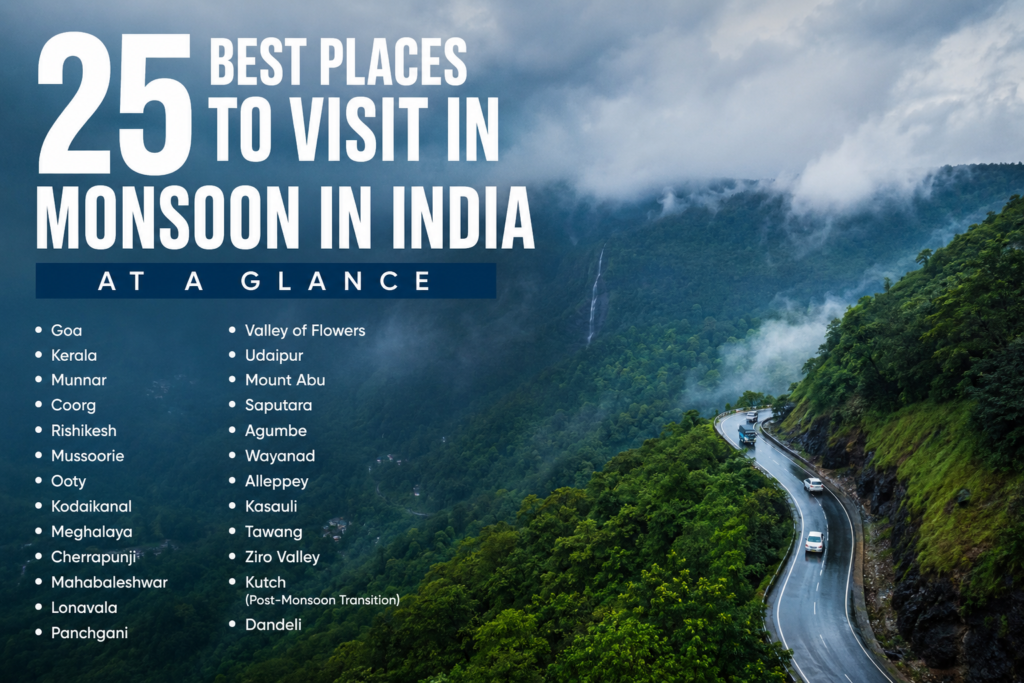
25 Best Places to Visit in Monsoon in India at a Glance

Each destination includes:

  • Best time to visit
  • Top attractions
  • Approximate budget
  • Sample itinerary
  • Travel tips
  • Ideal duration
  • Suitable for couples, families, or solo travellers

Why This Is the Best Monsoon Travel Guide for 2026

Planning a trip during the rainy season requires more than just choosing a destination. Weather conditions, road accessibility, accommodation availability, and local experiences can vary significantly.

That’s why this guide includes practical information such as:

  • Estimated travel costs
  • Suggested itineraries
  • Packing advice
  • Safety precautions
  • Best months to visit
  • Transportation options
  • Local food recommendations
  • Photography spots
  • Family-friendly and couple-friendly activities

By the end of this guide, you’ll have everything you need to plan a memorable and hassle-free monsoon vacation.

How We Selected These Monsoon Destinations

The destinations featured in this list were chosen based on several factors:

1. Scenic Beauty During Monsoon

Locations that become especially beautiful during the rainy season with lush greenery, waterfalls, and mist-covered landscapes.

2. Accessibility

Places that remain relatively accessible even during monsoon months.

3. Safety

Destinations with established tourism infrastructure and safer travel conditions.

4. Budget Friendliness

Options suitable for luxury, mid-range, and budget travellers.

5. Variety of Experiences

The list includes beaches, hill stations, forests, wildlife reserves, spiritual destinations, and adventure hubs.

Types of Monsoon Holidays You Can Plan

Romantic Monsoon Getaways

If you’re travelling as a couple, consider destinations known for their serene atmosphere, luxury stays, and scenic beauty.

Some of the best romantic destinations include:

  • Munnar
  • Ooty
  • Goa
  • Kerala Backwaters
  • Coorg
  • Mussoorie

Family Trips in Monsoon

Families often prefer destinations with comfortable accommodations, sightseeing opportunities, and activities suitable for all age groups.

Top family-friendly destinations include:

  • Mussoorie
  • Ooty
  • Mahabaleshwar
  • Kerala
  • Goa
  • Panchgani

Adventure Trips

For thrill-seekers, monsoon offers exciting opportunities such as:

  • River rafting
  • Trekking
  • Waterfall hikes
  • Jungle safaris
  • Camping
  • Kayaking

Best destinations include:

  • Rishikesh
  • Dandeli
  • Meghalaya
  • Wayanad
  • Coorg

Weekend Getaways

If you’re planning a short escape, these destinations are ideal:

  • Lonavala
  • Mahabaleshwar
  • Mussoorie
  • Goa
  • Coorg

These locations are perfect for quick 2–3 day trips and are well connected by road and rail depending upon your departure city.

Monsoon Travel Planning Checklist

Before you begin your journey, keep the following essentials in mind:

✔ Waterproof backpack

✔ Rain jacket or poncho

✔ Quick-dry clothes

✔ Waterproof footwear

✔ Power bank

✔ Small medical kit

✔ Extra phone cover

✔ Umbrella

✔ Waterproof pouch for documents

✔ Mosquito repellent

Don’t Miss: Monsoon Packing Checklist (Internal Link)

Monsoon Travel Budget: What to Expect?

One of the biggest advantages of travelling during the rainy season is affordability.

Here’s a rough estimate for a 3-day trip per person:

Budget TypeApproximate Cost
Budget₹6,000–9,000
Mid-range₹10,000–18,000
Luxury₹20,000–40,000+

These estimates typically include accommodation, local transport, meals, and sightseeing, but exclude flights or long-distance train travel.

Top 25 Best Places to Visit in Monsoon in India (2026)

The rainy season transforms these destinations into lush green escapes, making them some of the best places to visit in monsoon in India. Whether you’re planning a romantic honeymoon, a family vacation, an adventure trip, or a peaceful weekend getaway, these destinations offer unforgettable experiences.

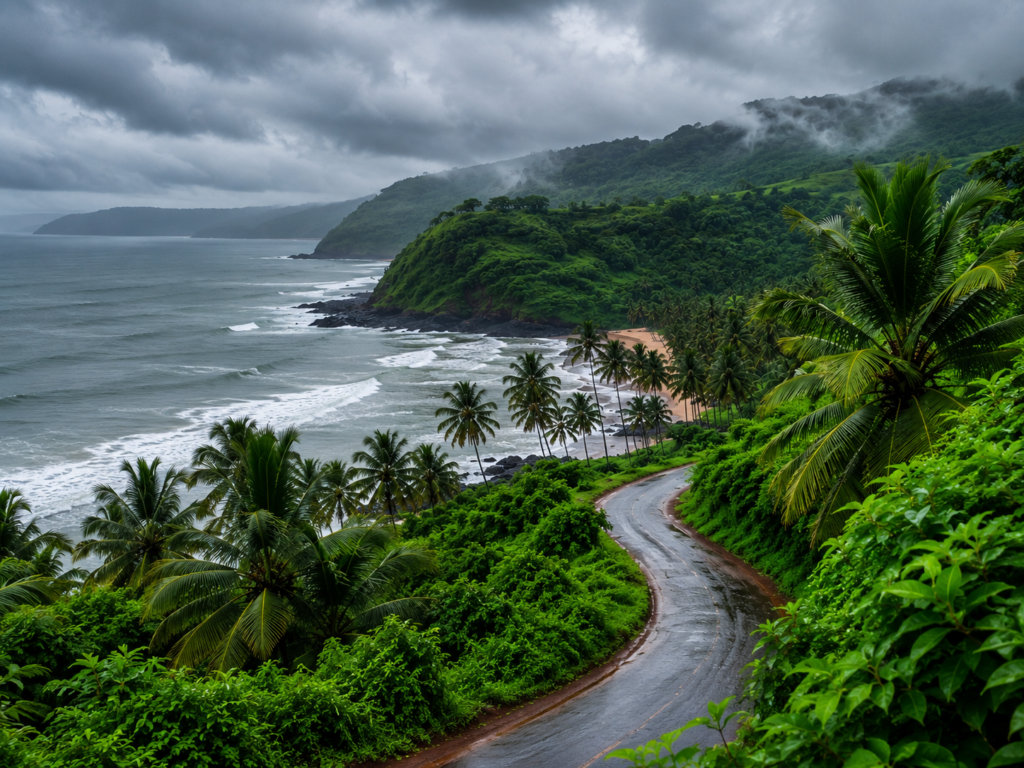
1. Goa in Monsoon

Why Visit Goa During Monsoon?

Most people associate Goa with winter holidays, but monsoon reveals an entirely different side of the state. The beaches become peaceful, waterfalls gush with full force, spice plantations turn emerald green, and cafés are far less crowded.

If you’re looking for a budget-friendly vacation with fewer tourists, Goa during the rainy season is an excellent choice.

Related Guide: Goa in Monsoon

Best Time to Visit

July to September

Ideal Trip Duration

4 Days / 3 Nights

Best For

  • Couples
  • Friends
  • Photographers
  • Digital Nomads

Top Attractions

  • Dudhsagar Falls
  • Fontainhas Heritage Walk
  • Spice Plantations
  • Divar Island
  • Old Goa Churches
  • South Goa Beaches
  • Chapora Fort
  • Butterfly Beach

Things to Do

  • Visit Dudhsagar Waterfalls
  • River Cruise on Mandovi
  • Explore Portuguese Streets
  • Café Hopping
  • Kayaking
  • Monsoon Photography

Rough Budget (Per Person)

Budget TypeCost
Budget₹8,000
Mid-range₹14,000
Luxury₹28,000+

Suggested 4-Day Itinerary

Day 1

  • Arrive in Goa
  • Explore Panjim
  • Fontainhas Walk
  • Evening Cruise

Day 2

  • Dudhsagar Waterfalls
  • Spice Plantation Tour

Day 3

  • South Goa Beaches
  • Cabo de Rama
  • Café Tour

Day 4

  • Local Shopping
  • Departure

Travel Tips

  • Avoid swimming during rough sea conditions.
  • Carry waterproof footwear.
  • Rent a scooter only if you are comfortable riding in the rain.
  • Book waterfall tours in advance.

Also Read: Goa Monsoon Travel Guide

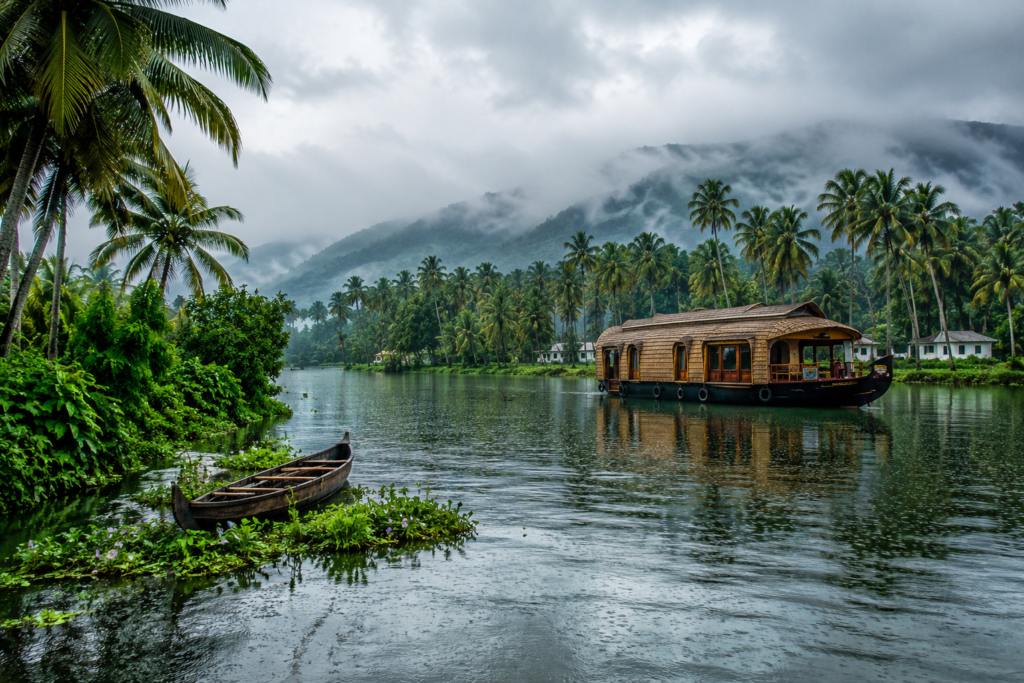
2. Kerala in Monsoon

Why Kerala is Magical During Rainy Season

Known as “God’s Own Country,” Kerala becomes even more beautiful during monsoon. Tea plantations, backwaters, waterfalls, and Ayurvedic wellness retreats make it one of the best monsoon travel destinations in India.

The rainy season is also considered the ideal time for authentic Ayurvedic therapies.

Best Time

June to September

Ideal Duration

5 Days

Best For

  • Honeymoon
  • Family
  • Luxury Travel
  • Wellness Tourism

Must-Visit Places

  • Munnar
  • Alleppey
  • Thekkady
  • Wayanad
  • Athirapally Falls
  • Kochi

Experiences

  • Houseboat Stay
  • Tea Estate Tour
  • Ayurveda Spa
  • Kathakali Show
  • Bamboo Rafting

Estimated Budget

BudgetCost
Budget₹11,000
Mid-range₹18,000
Luxury₹35,000+

5-Day Itinerary

Day 1
Kochi City Tour

Day 2
Munnar

Day 3
Tea Gardens & Waterfalls

Day 4
Alleppey Houseboat

Day 5
Departure

Travel Tips

  • Carry anti-leech socks if trekking.
  • Book houseboats early.
  • Keep electronics waterproof.

3. Munnar (Kerala)

Why Munnar is India’s Most Romantic Monsoon Destination

The endless tea gardens, shrouded in mist, make Munnar a dream destination for honeymoon couples and photographers.

Monsoon enhances the beauty of waterfalls, valleys, and mountain roads.

Best Time

July–September

Budget

₹9,000–17,000

Attractions

  • Tea Museum
  • Eravikulam National Park
  • Mattupetty Dam
  • Echo Point
  • Top Station

Top Experiences

  • Tea Plantation Walk
  • Jeep Safari
  • Sunrise View
  • Waterfall Photography

3-Day Itinerary

Day 1
Arrival + Tea Museum

Day 2
Top Station + Dam

Day 3
National Park + Shopping

Travel Tip

Carry light jackets as evenings can become chilly.

4. Coorg (Karnataka)

India’s Coffee Paradise During Monsoon

Known as the Scotland of India, Coorg becomes incredibly green after rainfall.

Coffee plantations, waterfalls, and mountain drives make it perfect for couples and road trips.

Best Time

July to September

Budget

₹8,000–15,000

Must Visit

  • Abbey Falls
  • Raja’s Seat
  • Dubare Elephant Camp
  • Talacauvery
  • Coffee Estates

Activities

  • Plantation Stay
  • Coffee Tasting
  • Jeep Ride
  • Waterfall Visits

Sample Itinerary

Day 1
Coffee Estate + Raja’s Seat

Day 2
Abbey Falls + Dubare

Day 3
Talacauvery + Return

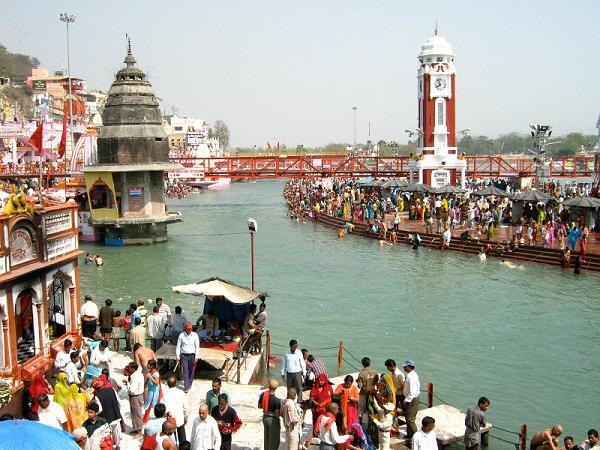
5. Rishikesh (Uttarakhand)

Best Adventure Destination in Monsoon

Although river rafting may be restricted during peak rains, Rishikesh offers yoga retreats, cafés, waterfalls, and peaceful Himalayan views.

It remains one of the best places to visit in the rainy season for spiritual travellers.

Best Time

Late July–September

Budget

₹6,000–12,000

Highlights

  • Triveni Ghat
  • Beatles Ashram
  • Lakshman Jhula Area
  • Neer Garh Waterfall
  • Parmarth Niketan

Things to Do

  • Ganga Aarti
  • Café Hopping
  • Yoga Session
  • Temple Visits
  • Waterfall Trek

Sample Itinerary

Day 1
Ashrams

Day 2
Waterfalls

Day 3
Cafés + Shopping

Important Tip

Check rafting schedules before planning.

6. Mussoorie (Uttarakhand)

Queen of Hills in Monsoon

Misty mountains, waterfalls, colonial charm, and pleasant weather make Mussoorie one of India’s favourite hill stations.

Families and couples especially love visiting during the rainy season.

Best Time

July–September

Budget

₹7,000–14,000

Attractions

  • Kempty Falls
  • Mall Road
  • Lal Tibba
  • George Everest Peak
  • Company Garden

Things to Do

  • Ropeway Ride
  • Café Hopping
  • Nature Walks
  • Shopping

Suggested Itinerary

Day 1
Mall Road

Day 2
Kempty Falls

Day 3
George Everest

Travel Tip

Roads can become slippery—wear good trekking shoes.

7. Ooty (Tamil Nadu)

A Classic Monsoon Hill Station

Ooty’s rolling hills, tea plantations, lakes, and cool weather make it one of the best hill stations in monsoon.

It’s perfect for honeymooners and family holidays.

Best Time

June–September

Budget

₹9,000–16,000

Top Attractions

  • Botanical Garden
  • Ooty Lake
  • Doddabetta Peak
  • Tea Factory
  • Nilgiri Mountain Railway

Experiences

  • Toy Train Ride
  • Boating
  • Tea Tasting
  • Photography

Sample Itinerary

Day 1
Botanical Garden

Day 2
Peak + Tea Factory

Day 3
Toy Train

8. Kodaikanal (Tamil Nadu)

Princess of Hill Stations

Kodaikanal is one of the best places to visit in monsoon in India, offering misty forests, lakes, pine trees, and waterfalls during the monsoon.

It’s quieter than Ooty, making it perfect for couples seeking peace.

Best Time

July–September

Budget

₹8,500–15,000

Attractions

  • Kodai Lake
  • Pillar Rocks
  • Pine Forest
  • Bryant Park
  • Silver Cascade Falls

Activities

  • Cycling
  • Boating
  • Nature Walks
  • Photography

Suggested Itinerary

Day 1
Lake

Day 2
Pillar Rocks

Day 3
Pine Forest

Travel Tip

Morning hours provide the clearest views before afternoon mist sets in.

From the world’s wettest place to royal lakes, flower-filled valleys, and scenic hill stations, these destinations are ideal for couples, families, solo travellers, and road trip enthusiasts.

9. Meghalaya – The Abode of Clouds

Why Visit Meghalaya During Monsoon?

If there’s one destination that defines monsoon beauty in India, it’s Meghalaya. The state receives abundant rainfall, creating spectacular waterfalls, misty hills, living root bridges, lush forests, and crystal-clear rivers.

Whether you’re an adventure lover or a nature enthusiast, Meghalaya deserves a top spot on your monsoon bucket list.

Best Time to Visit

July to September

Ideal Duration

6 Days / 5 Nights

Best For

  • Nature Lovers
  • Couples
  • Adventure Travellers
  • Photographers
  • Backpackers

Top Attractions

  • Shillong
  • Dawki
  • Mawlynnong
  • Living Root Bridges
  • Umiam Lake
  • Elephant Falls
  • Laitlum Canyon
  • Krang Suri Falls

Things to Do

  • Trek to Double Decker Living Root Bridge
  • Kayaking in Dawki
  • Waterfall Chasing
  • Camping
  • Cave Exploration
  • Local Khasi Cuisine

Rough Budget

BudgetCost
Budget₹12,000
Mid-range₹20,000
Luxury₹38,000+

6-Day Itinerary

Day 1
Shillong City Tour

Day 2
Elephant Falls & Laitlum Canyon

Day 3
Dawki & Umngot River

Day 4
Living Root Bridge Trek

Day 5
Mawlynnong Village

Day 6
Departure

Travel Tips

  • Carry waterproof trekking shoes.
  • Mobile connectivity may be weak in remote areas.
  • Hire a local guide for trekking routes.

Here’s the Ultimate Meghalaya Travel Guide in 2026

10. Cherrapunji (Sohra), Meghalaya

The Rain Capital of India

Cherrapunji is famous for its dramatic cliffs, dense forests, and some of the most spectacular waterfalls in Asia. During monsoon, every corner of this destination comes alive with greenery and flowing streams.

Best Time

July–September

Budget

₹11,000–18,000

Top Attractions

  • Nohkalikai Falls
  • Seven Sisters Falls
  • Mawsmai Cave
  • Eco Park
  • Wei Sawdong Falls
  • Arwah Cave

Things to Do

  • Explore limestone caves
  • Visit waterfalls
  • Nature photography
  • Village walks

Suggested Itinerary

Day 1
Nohkalikai Falls & Eco Park

Day 2
Wei Sawdong Falls & Mawsmai Cave

Day 3
Village exploration & departure

Travel Tip

Expect heavy rain—carry dry bags and waterproof covers for electronics.

11. Mahabaleshwar (Maharashtra)

Strawberry Capital Wrapped in Mist

Mahabaleshwar is one of Maharashtra’s most popular weekend getaways in monsoon. Rolling hills, viewpoints, waterfalls, and cool weather make it a favorite among families and couples.

Best Time

July–September

Ideal Duration

3 Days

Best For

  • Families
  • Couples
  • Weekend Trips

Top Attractions

  • Arthur’s Seat
  • Elephant’s Head Point
  • Venna Lake
  • Lingmala Waterfall
  • Mapro Garden
  • Wilson Point

Things to Do

  • Boating
  • Horse Riding
  • Strawberry Products Shopping
  • Waterfall Visits

Rough Budget

₹7,000–13,000

Suggested Itinerary

Day 1
Venna Lake & Market

Day 2
Arthur’s Seat & Waterfalls

Day 3
Mapro Garden & Departure

Travel Tip

Start sightseeing early to avoid fog affecting viewpoints.

12. Lonavala (Maharashtra)

One of India’s Most Popular Monsoon Road Trips

Located between Mumbai and Pune, Lonavala transforms into a lush paradise every monsoon with waterfalls, lakes, forts, and winding roads.

Best Time

June–September

Budget

₹6,000–11,000

Top Attractions

  • Tiger Point
  • Bhushi Dam
  • Karla Caves
  • Rajmachi Fort
  • Pawna Lake

Activities

  • Road Trip
  • Trekking
  • Camping
  • Photography

Suggested Itinerary

Day 1
Bhushi Dam

Day 2
Tiger Point & Pawna Lake

Day 3
Karla Caves

Travel Tip

Avoid visiting Bhushi Dam during peak weekends due to heavy crowds.

13. Panchgani (Maharashtra)

A Peaceful Hill Station Near Mahabaleshwar

Panchgani is known for its scenic valleys, strawberry farms, and colonial charm. It is perfect for travellers seeking a quieter alternative to Mahabaleshwar.

Best Time

July–September

Budget

₹7,000–12,000

Top Attractions

  • Table Land
  • Sydney Point
  • Parsi Point
  • Devil’s Kitchen
  • Mapro Garden

Things to Do

  • Horse Riding
  • Valley Views
  • Local Shopping
  • Nature Walks

Sample Itinerary

Day 1
Table Land

Day 2
Sydney Point & Mapro Garden

Day 3
Shopping & Departure

14. Valley of Flowers (Uttarakhand)

India’s Most Beautiful Monsoon Trek

Declared a UNESCO World Heritage Site, the Valley of Flowers blooms spectacularly during the monsoon. Thousands of alpine flowers create one of India’s most magical landscapes.

Best Time

Mid-July to August

Ideal Duration

5 Days

Best For

  • Trekkers
  • Nature Lovers
  • Wildlife Enthusiasts
  • Photographers

Highlights

  • Valley of Flowers Trek
  • Hemkund Sahib
  • Govindghat
  • Ghangaria

Activities

  • Trekking
  • Photography
  • Bird Watching
  • Spiritual Visit

Rough Budget

₹12,000–18,000

Suggested Itinerary

Day 1
Reach Govindghat

Day 2
Trek to Ghangaria

Day 3
Valley of Flowers

Day 4
Hemkund Sahib

Day 5
Return

Travel Tip

Book accommodation well in advance as visitor numbers are regulated.

15. Udaipur (Rajasthan)

The City of Lakes Looks Even More Beautiful in Rain

While Rajasthan isn’t usually associated with monsoon travel, Udaipur becomes incredibly charming during the rainy season. The lakes fill up, the Aravalli Hills turn green, and palace views become even more picturesque.

Best Time

July–September

Budget

₹8,000–16,000

Attractions

  • City Palace
  • Lake Pichola
  • Fateh Sagar Lake
  • Sajjangarh Palace
  • Bagore Ki Haveli

Things to Do

  • Boat Ride
  • Heritage Walk
  • Sunset Photography
  • Cultural Shows

Suggested Itinerary

Day 1
City Palace

Day 2
Lake Tour

Day 3
Sajjangarh Palace

Travel Tip

Evening boat rides offer stunning views after light rainfall.

16. Mount Abu (Rajasthan)

Rajasthan’s Only Hill Station

Mount Abu offers cool weather, scenic lakes, lush forests, and historic temples. During monsoon, the hills become greener, making it a refreshing escape from Rajasthan’s heat.

Best Time

July–September

Budget

₹7,500–14,000

Top Attractions

  • Nakki Lake
  • Guru Shikhar
  • Dilwara Temples
  • Sunset Point
  • Honeymoon Point

Things to Do

  • Boating
  • Hiking
  • Temple Visits
  • Shopping

Suggested Itinerary

Day 1
Nakki Lake

Day 2
Guru Shikhar & Sunset Point

Day 3
Dilwara Temples

Travel Tip

Carry a light jacket as evenings can become cool during the monsoon.

17. Saputara (Gujarat)

Gujarat’s Only Hill Station

Nestled in the Sahyadri Hills, Saputara is one of Gujarat’s most underrated best monsoon destinations in India. During the rainy season, the hills are covered with lush greenery, waterfalls spring to life, and the cool climate provides a refreshing escape.

Best Time to Visit

July to September

Ideal Duration

2–3 Days

Best For

  • Families
  • Couples
  • Weekend Getaways
  • Nature Lovers

Top Attractions

  • Saputara Lake
  • Sunset Point
  • Artist Village
  • Gira Waterfalls
  • Step Garden
  • Governor Hill

Things to Do

  • Boating
  • Ropeway Ride
  • Tribal Museum Visit
  • Nature Walks
  • Photography

Rough Budget

Budget TypeCost
Budget₹6,500
Mid-range₹11,000
Luxury₹22,000+

Suggested Itinerary

Day 1
Arrival • Saputara Lake • Sunset Point

Day 2
Gira Waterfalls • Artist Village • Ropeway

Day 3
Local Market • Departure

Travel Tips

  • Visit Gira Falls early in the morning.
  • Carry a light raincoat as showers are frequent.

18. Agumbe (Karnataka)

The Cherrapunji of South India

Agumbe is famous for its dense rainforests, biodiversity, spectacular sunsets, and numerous waterfalls. It’s also known for king cobras and rich wildlife, making it a paradise for nature lovers.

Best Time

July–September

Budget

₹8,000–15,000

Top Attractions

  • Sunset Point
  • Barkana Falls
  • Jogigundi Falls
  • Onake Abbi Falls
  • Agumbe Rainforest

Activities

  • Jungle Walks
  • Bird Watching
  • Photography
  • Waterfall Trekking

Sample Itinerary

Day 1
Arrival • Sunset Point

Day 2
Waterfall Exploration

Day 3
Rainforest Walk • Departure

Travel Tip

Hire a certified local guide if trekking through rainforest trails.

19. Wayanad (Kerala)

Kerala’s Hidden Monsoon Gem

Wayanad is a perfect blend of forests, waterfalls, wildlife, caves, and tea plantations. Monsoon transforms the district into a lush green paradise.

Best Time

June–September

Ideal Duration

4 Days

Best For

  • Couples
  • Families
  • Adventure Lovers
  • Nature Enthusiasts

Top Attractions

  • Edakkal Caves
  • Soochipara Falls
  • Banasura Sagar Dam
  • Pookode Lake
  • Wayanad Wildlife Sanctuary

Things to Do

  • Trekking
  • Wildlife Safari
  • Bamboo Rafting
  • Plantation Tours

Rough Budget

₹9,000–17,000

Suggested Itinerary

Day 1
Pookode Lake

Day 2
Soochipara Falls

Day 3
Wildlife Sanctuary

Day 4
Edakkal Caves • Departure

Travel Tip

Book eco-resorts or homestays for a more immersive local experience.

20. Alleppey (Kerala)

Experience the Magic of Monsoon Backwaters

Alleppey, also known as Alappuzha, offers one of India’s most relaxing monsoon experiences. The rain enhances the beauty of coconut-lined canals, paddy fields, and traditional houseboats.

Best Time

July–September

Budget

₹10,000–18,000

Attractions

  • Houseboat Cruise
  • Alappuzha Beach
  • Vembanad Lake
  • Kumarakom
  • Marari Beach

Things to Do

  • Houseboat Stay
  • Canoe Ride
  • Local Seafood
  • Village Tour

Suggested Itinerary

Day 1
Houseboat Check-in

Day 2
Village Tour

Day 3
Beach Visit & Departure

Travel Tip

Choose a government-approved houseboat operator for better safety and service.

21. Kasauli (Himachal Pradesh)

A Quiet Hill Station Perfect for Monsoon Escapes

Unlike Shimla and Manali, Kasauli remains peaceful even during the tourist season. Its pine forests, colonial architecture, and pleasant climate make it ideal for a relaxing holiday.

Best Time

July–September

Budget

₹8,000–14,000

Attractions

  • Monkey Point
  • Gilbert Trail
  • Sunset Point
  • Christ Church
  • Mall Road

Activities

  • Nature Walks
  • Café Visits
  • Photography
  • Heritage Exploration

Suggested Itinerary

Day 1
Mall Road

Day 2
Monkey Point

Day 3
Gilbert Trail

Travel Tip

Carry a light sweater as evenings can be cool even during the rainy season.

22. Tawang (Arunachal Pradesh)

A Monsoon Escape in the Eastern Himalayas

Tawang offers monasteries, mountain lakes, and breathtaking Himalayan scenery. While rainfall can affect road conditions, travellers who plan carefully are rewarded with fewer crowds and incredible landscapes.

Best Time

Late August–September

Budget

₹16,000–28,000

Top Attractions

  • Tawang Monastery
  • Madhuri Lake
  • Sela Pass
  • Bum La (subject to permits)
  • War Memorial

Things to Do

  • Monastery Visits
  • Scenic Drives
  • Local Cuisine
  • Cultural Experiences

Suggested Itinerary

Day 1
Arrival

Day 2
Monastery & War Memorial

Day 3
Madhuri Lake

Day 4
Departure

Travel Tip

Check road and weather conditions before travelling, as landslides can occasionally disrupt routes.

23. Ziro Valley (Arunachal Pradesh)

A Paradise for Nature Lovers

Surrounded by green paddy fields and pine-covered hills, Ziro Valley offers a peaceful retreat away from busy tourist destinations.

Best Time

July–September

Budget

₹12,000–22,000

Attractions

  • Apatani Villages
  • Talley Valley Wildlife Sanctuary
  • Pine Forests
  • Local Markets

Activities

  • Village Walks
  • Cycling
  • Nature Photography
  • Cultural Tours

Suggested Itinerary

Day 1
Explore Ziro Town

Day 2
Village Tour

Day 3
Talley Valley

Day 4
Departure

Travel Tip

Respect local traditions while visiting indigenous villages.

24. Kutch (Gujarat) – Post-Monsoon Transition

A Unique Seasonal Experience

While the famous Rann of Kutch is best known for winter, the landscape begins transforming after the monsoon. If you’re travelling in late September, you’ll witness changing salt flats and greener surroundings.

Best Time

Late September

Budget

₹9,000–18,000

Attractions

  • White Rann
  • Kala Dungar
  • Bhuj
  • Handicraft Villages

Activities

  • Village Tours
  • Local Shopping
  • Photography
  • Cultural Experiences

Suggested Itinerary

Day 1
Bhuj

Day 2
Kala Dungar

Day 3
Rann Region

Travel Tip

This destination is best suited for travellers visiting toward the end of the monsoon season.

25. Dandeli (Karnataka)

India’s Adventure Capital During Monsoon

If you’re looking for thrilling outdoor activities, Dandeli is one of the best choices. Forests, rivers, caves, and wildlife create an unforgettable adventure destination.

Best Time

July–September

Budget

₹8,000–16,000

Attractions

  • Kali River
  • Syntheri Rocks
  • Kavala Caves
  • Dandeli Wildlife Sanctuary

Things to Do

  • River Rafting (subject to river conditions)
  • Kayaking
  • Ziplining
  • Jungle Safari
  • Camping

Suggested Itinerary

Day 1
Arrival & Nature Walk

Day 2
Adventure Activities

Day 3
Wildlife Safari & Departure

Travel Tip

Adventure activities depend on weather and river flow—confirm availability with local operators before booking.

Which Destination Should You Choose?

Best for Couples

  • Munnar
  • Ooty
  • Wayanad
  • Alleppey
  • Goa

Best for Families

  • Mussoorie
  • Mahabaleshwar
  • Kerala
  • Saputara
  • Ooty

Best for Adventure

  • Dandeli
  • Meghalaya
  • Valley of Flowers
  • Rishikesh
  • Agumbe

Best Road Trips

  • Mumbai → Lonavala
  • Bengaluru → Coorg
  • Kochi → Munnar
  • Dehradun → Mussoorie
  • Guwahati → Shillong

Monsoon Travel Essentials

Before leaving for your trip, make sure you carry:

  • Waterproof backpack
  • Rain jacket or poncho
  • Quick-dry clothing
  • Waterproof phone pouch
  • Power bank
  • Personal medicines
  • Reusable water bottle
  • Anti-slip shoes
  • Umbrella
  • Travel insurance documents

How to Plan the Perfect Monsoon Trip

Planning a monsoon vacation requires a little extra preparation compared to travelling in winter or summer. Rain can occasionally disrupt transport schedules, but with smart planning, you can enjoy a smooth and memorable trip.

1. Choose the Right Destination

Select your destination based on your travel style.

Travel StyleRecommended Destinations
HoneymoonMunnar, Ooty, Alleppey, Goa
AdventureRishikesh, Dandeli, Meghalaya
FamilyMussoorie, Kerala, Mahabaleshwar
WeekendLonavala, Saputara, Kasauli
BudgetRishikesh, Mussoorie, Panchgani

2. Check the Weather Before You Leave

Weather in the monsoon can change quickly. Check the forecast a few days before departure and again on the day you travel. Be flexible with outdoor activities if heavy rain is expected.

3. Book Accommodation in Advance

Although monsoon is considered an off-season in many destinations, popular places such as Munnar, Goa, Mussoorie, and Kerala still receive a large number of visitors.

Booking early helps you:

  • Get better prices
  • Choose properties with scenic views
  • Secure free cancellation options

4. Keep a Flexible Itinerary

Avoid overpacking your schedule. Leave some buffer time in case of weather-related delays or temporary road closures.

Complete Monsoon Packing Checklist

Packing wisely can make your trip far more comfortable.

Clothing

  • Quick-dry T-shirts
  • Waterproof jacket
  • Lightweight hoodie
  • Comfortable jeans or trekking pants
  • Extra socks
  • Comfortable nightwear

Footwear

  • Waterproof sandals
  • Trekking shoes with good grip
  • Flip-flops

Electronics

  • Power bank
  • Mobile charger
  • Camera batteries
  • Waterproof pouch
  • Memory cards

Health Essentials

  • Personal medicines
  • Motion sickness tablets
  • Pain relievers
  • ORS sachets
  • Band-aids
  • Hand sanitizer
  • Mosquito repellent

Travel Essentials

  • Government ID
  • Printed hotel bookings
  • Cash (for remote areas)
  • Debit/Credit cards
  • Reusable water bottle
  • Umbrella
  • Small backpack

Monsoon Road Trip Tips

Road trips during the rainy season are incredibly scenic but require extra caution.

Before You Leave

  • Check tyre condition
  • Test windshield wipers
  • Ensure headlights and fog lamps work properly
  • Fill fuel before entering remote areas
  • Download offline maps

While Driving

  • Drive slowly on mountain roads
  • Maintain a safe distance from other vehicles
  • Avoid driving through flooded roads
  • Use low beams during heavy rain
  • Take breaks to avoid fatigue

Cheapest Monsoon Destinations in India

Travelling during monsoon can be surprisingly affordable.

DestinationApproximate Budget (3 Days)
Rishikesh₹6,000–9,000
Lonavala₹6,000–10,000
Saputara₹6,500–11,000
Panchgani₹7,000–12,000
Mussoorie₹7,000–13,000
Mahabaleshwar₹7,000–13,000
Coorg₹8,000–15,000

Budget Travel Tips

  • Travel by train whenever possible.
  • Book hotels 30–45 days in advance.
  • Choose homestays for better value.
  • Eat at local restaurants.
  • Use public transport where practical.

Romantic Monsoon Getaways in India

The rainy season creates the perfect setting for couples looking to relax and reconnect.

Top Romantic Destinations

  • Munnar
  • Ooty
  • Alleppey
  • Goa
  • Coorg
  • Udaipur
  • Wayanad

Romantic Experiences

  • Houseboat stay in Kerala
  • Tea plantation walks in Munnar
  • Sunset cruise in Goa
  • Lake boating in Ooty
  • Cozy café hopping in Mussoorie

Internal Link: Romantic Monsoon Getaways

Family Trip Planning Guide

Travelling with children or senior citizens? Choose destinations with good connectivity, comfortable accommodations, and family-friendly attractions.

Recommended Family Destinations

  • Kerala
  • Mussoorie
  • Mahabaleshwar
  • Ooty
  • Saputara

Family Travel Tips

  • Carry extra snacks and water.
  • Pack medicines and first-aid supplies.
  • Choose hotels with indoor activities for rainy days.
  • Avoid risky treks during heavy rainfall.

Monsoon Travel Safety Tips

Safety should always be your priority.

Do’s

  • Check local weather advisories.
  • Wear anti-slip shoes.
  • Keep emergency contact numbers handy.
  • Carry waterproof bags.
  • Stay hydrated.

Don’ts

  • Avoid entering fast-flowing rivers.
  • Don’t trek without a guide.
  • Don’t ignore local warnings about landslides.
  • Avoid driving at night on unfamiliar mountain roads.
  • Never leave valuables unattended.

Frequently Asked Questions (FAQs)

1. Which is the best place to visit in monsoon in India?

Popular choices include Munnar, Kerala, Goa, Meghalaya, Mussoorie, Rishikesh, Ooty, and Coorg, depending on your travel preferences.

2. Is it safe to travel during the monsoon?

Yes, provided you monitor weather updates, avoid restricted areas, and follow local advisories.

3. Which hill stations are best during the rainy season?

  • Ooty
  • Mussoorie
  • Coorg
  • Kodaikanal
  • Munnar
  • Saputara

4. Which destination is best for couples?

Munnar, Alleppey, Goa, Wayanad, and Ooty are among the most romantic monsoon destinations.

5. Which destination is ideal for families?

Mussoorie, Kerala, Mahabaleshwar, Ooty, and Saputara offer family-friendly attractions and comfortable stays.

6. Which places are best for adventure lovers?

Rishikesh, Dandeli, Meghalaya, Valley of Flowers, and Agumbe provide trekking, rafting (season permitting), wildlife, and outdoor adventures.

7. Are monsoon trips cheaper than winter vacations?

In many destinations, accommodation and flights are more affordable during the monsoon, making it a great season for budget travellers.

8. What clothes should I pack?

Pack quick-dry clothing, a rain jacket, waterproof footwear, and an extra set of clothes for outdoor activities.

9. Can I visit Goa during the monsoon?

Absolutely. Goa is quieter, greener, and ideal for sightseeing, café hopping, and waterfall visits. Swimming may be restricted depending on sea conditions.

10. Which state is the greenest during monsoon?

Kerala and Meghalaya are among the greenest and most scenic states during the rainy season.

Final Thoughts

Monsoon isn’t just another travel season—it’s a chance to experience India in its most vibrant and refreshing form. Waterfalls roar to life, forests become lush, lakes overflow, and mist-covered mountains create unforgettable landscapes.

Whether you’re sipping tea in the hills of Munnar, cruising through the backwaters of Alleppey, exploring the waterfalls of Meghalaya, or enjoying a peaceful walk along Goa’s rain-kissed beaches, every destination offers something unique during this magical time of year.

With careful planning, the right packing, and a flexible itinerary, your monsoon holiday can be both memorable and budget-friendly.

Conclusion

The Best Places to Visit in Monsoon in India (2026) offer something for every traveller—whether you’re seeking adventure, relaxation, romance, or a family vacation. By choosing the right destination, planning your itinerary carefully, and travelling responsibly, you can experience some of the country’s most beautiful landscapes at their greenest.

Save this guide for your next trip, share it with fellow travellers, and let the monsoon reveal a side of India that’s full of life, colour, and unforgettable memories.

Adding these structured data types can improve eligibility for rich results in search engines and enhance click-through rates.

Follow us on:
Youtube
Facebook
Instagram
Pinterest

Love doesn’t have to come with a luxury price tag. If you’re planning your first trip together after marriage, this comprehensive guide will help you discover the best budget honeymoon destinations for Indians in 2026—whether you dream of snow-covered mountains, serene beaches, lush tea gardens, or vibrant international cities. We’ve carefully selected destinations that offer unforgettable experiences without stretching your budget.

Why Budget Honeymoons Are Trending in 2026

A honeymoon marks the beginning of a beautiful journey together. While many couples once associated honeymoons with lavish resorts and extravagant spending, the trend has shifted significantly in recent years. Indian couples are now prioritizing meaningful experiences, financial planning, and smart travel over luxury for the sake of appearances.

With rising wedding expenses, inflation, and increasing travel costs, newlyweds are becoming more conscious of how they spend their money. Instead of exhausting their savings on a single trip, many are choosing affordable honeymoon destinations that allow them to enjoy quality time together while saving for future goals like buying a home, investing, or planning future vacations.

The good news is that a memorable honeymoon doesn’t require spending lakhs of rupees. India is blessed with breathtaking beaches, scenic hill stations, picturesque valleys, and peaceful backwaters that are perfect for couples. Similarly, several international destinations such as Thailand, Vietnam, Nepal, Sri Lanka, and Bali have become more accessible for Indian travelers thanks to affordable flights, simplified visa processes, and competitive travel packages.

Another reason behind the popularity of budget honeymoons is the growing availability of online travel deals. Flight comparison websites, hotel booking platforms, cashback offers, and seasonal discounts make it easier than ever to plan an affordable romantic getaway without compromising on comfort.

In 2026, couples are also seeking personalized experiences instead of expensive itineraries. Imagine watching the sunrise over the Himalayas in Manali, taking a houseboat ride through Kerala’s backwaters, enjoying candlelight dinners on Goa’s beaches, or exploring Bali’s lush rice terraces—all within a well-planned budget.

This guide is designed specifically for Indian couples looking for the perfect balance between romance and affordability. Whether your honeymoon budget is under ₹50,000 or up to ₹1 lakh, you’ll find destinations that match your preferences, travel style, and financial plan.

By the end of this article, you’ll discover:

  • The best honeymoon destinations in India and abroad.
  • Estimated budgets for each destination.
  • Best time to visit.
  • Romantic experiences worth trying.
  • Budget-saving travel tips.
  • Suggested itineraries.
  • Practical planning advice to make your honeymoon stress-free.

Let’s begin by understanding how to choose the destination that’s right for both your heart and your wallet.

How to Choose the Perfect Honeymoon Destination

Choosing a honeymoon destination isn’t simply about selecting the most popular place on Instagram. The ideal honeymoon should reflect your personalities as a couple, your budget, preferred activities, and the kind of memories you wish to create together.

Here are the most important factors to consider before booking your honeymoon.

1. Decide Your Total Budget

Before browsing destinations, determine how much you’re comfortable spending. Your budget should include:

  • Flights or train tickets
  • Hotel accommodation
  • Local transport
  • Meals
  • Sightseeing
  • Adventure activities
  • Shopping
  • Emergency expenses

A clear budget helps you shortlist destinations that offer the best value without causing financial stress.

2. Choose the Experience You Want

Every couple imagines their honeymoon differently.

Ask yourselves:

  • Do you want peaceful beaches?
  • Snow-covered mountains?
  • Adventure sports?
  • Luxury resorts?
  • Wildlife experiences?
  • Cultural exploration?
  • Island vacations?

Your answers will narrow down the ideal destinations.

For example:

  • Beach lovers → Goa, Andaman, Maldives, Bali
  • Nature lovers → Kerala, Meghalaya, Munnar
  • Snow lovers → Kashmir, Manali, Shimla
  • Luxury seekers → Maldives, Mauritius
  • Adventure couples → Sikkim, Vietnam, Thailand

3. Consider the Season

Weather can completely transform your honeymoon experience.

Visiting Goa during monsoon offers lush greenery and lower hotel prices, while Kashmir is magical during winter if you’re looking for snowfall. Kerala is best explored between October and March, whereas Bali is ideal during its dry season from April to October.

Always check seasonal conditions before booking flights and hotels.

4. Check Travel Time

Long journeys can become tiring after a busy wedding schedule.

If you’re planning a honeymoon of only four or five days, choose destinations that are easily accessible from your city.

Short travel time means more time together and less time spent in transit.

5. Research Visa Requirements

If you’re planning an international honeymoon, verify:

  • Passport validity
  • Visa processing time
  • Visa fees
  • Required documents
  • Entry regulations

Countries like Nepal and Bhutan offer hassle-free travel for Indian citizens, making them excellent choices for first-time international travelers.

6. Compare Packages with DIY Planning

Sometimes booking flights and hotels separately is cheaper than buying a package.

Compare:

  • Hotel prices
  • Flight fares
  • Local transportation
  • Activities

Use fare alerts and hotel comparison tools before making your final decision.

7. Prioritize Experiences Over Luxury

A luxury room matters less than unforgettable moments together.

Instead of spending extra on a five-star hotel, consider experiences such as:

  • Sunset cruises
  • Couple spa sessions
  • Private beach dinners
  • Scenic cable car rides
  • Tea plantation walks
  • Sunrise viewpoints
  • Boat rides
  • Local food tours

These often become the highlights of a honeymoon.

8. Read Real Traveler Reviews

Before booking any hotel or activity, read recent reviews from verified travelers.

Pay attention to:

  • Cleanliness
  • Safety
  • Hospitality
  • Food quality
  • Couple-friendly environment
  • Location
  • Hidden charges

A well-reviewed three-star hotel often provides a better experience than an overpriced luxury property.

9. Leave Room for Flexibility

Don’t fill every hour with sightseeing.

A honeymoon is about spending quality time together. Leave enough free time to relax, explore local cafés, take leisurely walks, or simply enjoy each other’s company.

Best Budget Honeymoon Destinations Under ₹50,000

Planning a romantic honeymoon on a limited budget is easier than ever. With smart bookings and off-season travel, couples can enjoy unforgettable vacations without exceeding ₹50,000.

Below are some of India’s most romantic yet affordable honeymoon destinations.

Goa – India’s Classic Beach Honeymoon

Estimated Budget: ₹30,000–₹45,000 (5 Days)

Goa remains one of the most loved honeymoon destinations for Indian couples, offering the perfect combination of golden beaches, Portuguese heritage, exciting nightlife, delicious seafood, and luxurious stays that don’t necessarily come with a luxury price tag.

South Goa is particularly ideal for honeymooners seeking peace and privacy, while North Goa offers lively beach shacks, nightlife, and water sports.

Romantic Experiences

  • Sunset at Palolem Beach
  • Candlelight dinner by the sea
  • Couple’s spa
  • Dolphin watching
  • Island hopping
  • Sunset cruise on the Mandovi River
  • Beachside cafés

Best Time to Visit

October to March

Budget Tips

  • Travel during the shoulder season (September or February).
  • Rent a scooter instead of hiring taxis.
  • Stay in boutique homestays or beach guesthouses.
  • Book flights at least 45 days in advance.

For a budget trip, do read the Goa Monsoon Travel Guide 2026

Why Choose Goa?

Goa offers the perfect blend of romance, relaxation, nightlife, adventure, and affordability, making it one of the best honeymoon destinations under ₹50,000.

Manali – Snowy Romance in Himachal Pradesh

Estimated Budget: ₹35,000–₹48,000 (5 Days)

Nestled in the Himalayas, Manali is a dream destination for couples who love snow, mountains, and adventure. Whether you’re enjoying snowfall in winter or exploring green valleys in summer, the scenic beauty creates an unforgettable honeymoon experience.

Romantic Experiences

  • Solang Valley
  • Rohtang Pass (seasonal)
  • Hidimba Temple
  • Old Manali cafés
  • Riverfront walks
  • Couple photography
  • Hot spring visit at Vashisht

Best Time

October–February for snowfall

March–June for pleasant weather

Budget Tips

  • Book Volvo buses instead of flights.
  • Stay near Old Manali.
  • Use shared cabs for sightseeing.

Why Choose Manali?

Snow-covered mountains, adventure activities, cozy cafés, and breathtaking landscapes make Manali one of India’s most romantic hill stations.

Shimla – Colonial Charm Meets Romance

Estimated Budget: ₹32,000–₹45,000

Shimla combines colonial architecture, pleasant weather, pine forests, and charming cafés to create a timeless honeymoon destination.

Romantic Experiences

  • Walk along Mall Road
  • Jakhoo Temple
  • Kufri day trip
  • Toy Train ride
  • Ridge viewpoint
  • Horse riding

Best Time

March–June

December–January for snowfall

Budget Tip

Book hotels slightly away from Mall Road for better prices.

Munnar – Kerala’s Tea Garden Paradise

Estimated Budget: ₹35,000–₹48,000

Munnar welcomes honeymooners with misty hills, endless tea plantations, waterfalls, and peaceful resorts. It’s perfect for couples looking to escape city life and enjoy nature.

Don’t Miss

  • Tea Museum
  • Echo Point
  • Eravikulam National Park
  • Mattupetty Dam
  • Tea estate photography
  • Spice plantation tours

Best Time: September–March

Coorg – Scotland of India

Estimated Budget: ₹30,000–₹42,000

Coorg offers lush coffee plantations, waterfalls, scenic viewpoints, and luxury homestays at budget-friendly prices.

Highlights include Abbey Falls, Raja’s Seat, Dubare Elephant Camp, and coffee estate walks.

Ooty – A Timeless Romantic Escape

Estimated Budget: ₹30,000–₹45,000

Famous for its botanical gardens, toy train, lakes, and pleasant climate, Ooty remains a favorite honeymoon destination in South India.

Enjoy boating on Ooty Lake, visit Doddabetta Peak, and stroll through colorful flower gardens.

Mussoorie – The Queen of Hills

Estimated Budget: ₹28,000–₹40,000

Mussoorie charms couples with panoramic Himalayan views, quaint cafés, waterfalls, and scenic walking trails.

Top attractions include Kempty Falls, Camel’s Back Road, Gun Hill, and Lal Tibba.

Nainital – Romance by the Lake

Estimated Budget: ₹30,000–₹42,000

The emerald-green Naini Lake, surrounding hills, and cozy accommodations make Nainital an excellent honeymoon destination.

A boat ride during sunset is an experience every couple should include in their itinerary.

Darjeeling – Tea Gardens & Himalayan Views

Estimated Budget: ₹38,000–₹48,000

Darjeeling is famous for its tea estates, colonial charm, and spectacular sunrise views from Tiger Hill.

Don’t miss the Darjeeling Himalayan Railway, Batasia Loop, and local cafés serving authentic Tibetan cuisine.

Meghalaya – India’s Hidden Romantic Paradise

Estimated Budget: ₹40,000–₹50,000

If you’re looking for something unique, Meghalaya offers breathtaking waterfalls, living root bridges, crystal-clear rivers, and mist-covered mountains.

Visit Shillong, Cherrapunji, Dawki, and Mawlynnong to experience one of India’s most beautiful honeymoon destinations.

For adventurous couples who love nature, Meghalaya delivers unforgettable memories while staying comfortably within a ₹50,000 budget.

Best Honeymoon Destinations Under ₹1 Lakh (2026)

If your honeymoon budget is between ₹50,000 and ₹1 lakh, you unlock a whole new range of experiences—from staying in premium resorts and enjoying private cruises to exploring breathtaking international destinations. With smart planning, early bookings, and the right itinerary, this budget allows Indian couples to enjoy a luxurious honeymoon without overspending.

The destinations below have been selected based on affordability, romantic appeal, accessibility from India, and overall value for money.

Kashmir – Paradise on Earth

Estimated Budget: ₹70,000–₹95,000 (6 Days / 5 Nights)

Kashmir has long been regarded as one of India’s most romantic honeymoon destinations. Snow-capped mountains, serene lakes, lush meadows, and charming wooden cottages create an unforgettable backdrop for newlyweds.

Whether you’re enjoying a traditional Shikara ride on Dal Lake or waking up to panoramic Himalayan views, every moment in Kashmir feels magical.

Must-Visit Attractions

  • Dal Lake
  • Gulmarg Gondola
  • Pahalgam
  • Sonmarg
  • Mughal Gardens
  • Betaab Valley

Romantic Experiences

  • Stay overnight in a luxury houseboat.
  • Ride the famous Gulmarg Gondola together.
  • Sip authentic Kashmiri Kahwa overlooking Dal Lake.
  • Enjoy snowfall if traveling during winter.

Ideal Duration

5–6 Days

Best Time to Visit

  • March–June (pleasant weather)
  • December–February (snowfall)

Budget Breakdown

  • Flights: ₹18,000–₹28,000
  • Hotels: ₹22,000–₹35,000
  • Local Transport: ₹10,000
  • Food & Activities: ₹18,000

Why Choose Kashmir?

If you’re dreaming of snowy mountains, peaceful lakes, and postcard-perfect scenery, Kashmir delivers a luxurious honeymoon experience while staying under ₹1 lakh.

Kerala – Romance Amid Backwaters & Hills

Estimated Budget: ₹65,000–₹90,000 (6 Days)

Known as “God’s Own Country,” Kerala offers one of India’s most diverse honeymoon experiences. Couples can explore misty hill stations, peaceful backwaters, wildlife sanctuaries, spice plantations, and pristine beaches—all in a single trip.

Suggested Itinerary

  • Kochi
  • Munnar
  • Thekkady
  • Alleppey Houseboat
  • Kovalam

Romantic Experiences

  • Overnight luxury houseboat stay
  • Couple Ayurvedic spas
  • Sunset at Kovalam Beach
  • Tea plantation walks
  • Candlelight dinner overlooking the backwaters

Best Time

October–March

Estimated Budget

  • Flights: ₹18,000
  • Hotels & Houseboat: ₹38,000
  • Transport: ₹12,000
  • Meals & Activities: ₹18,000

Why Choose Kerala?

Kerala combines relaxation, luxury, culture, and natural beauty, making it one of India’s finest honeymoon destinations.

Andaman Islands – Tropical Paradise

Estimated Budget: ₹80,000–₹1,00,000 (6 Days)

The Andaman Islands are perfect for couples seeking turquoise waters, white-sand beaches, and complete tranquility.

Compared to international island destinations, Andaman offers exceptional value while delivering a premium honeymoon experience.

Read: The ultimate budget travel guide to Andaman

Must-Visit Places

  • Havelock Island
  • Neil Island
  • Radhanagar Beach
  • Cellular Jail
  • Elephant Beach

Romantic Experiences

  • Snorkeling together
  • Scuba diving
  • Glass-bottom boat ride
  • Beachside candlelight dinner
  • Private island resorts

Best Time

November–April

Budget Tips

Book flights at least three months in advance to save significantly.

Udaipur – The City of Lakes

Estimated Budget: ₹55,000–₹80,000

Often called the “Venice of the East,” Udaipur offers royal palaces, beautiful lakes, heritage hotels, and breathtaking sunsets.

Romantic Attractions

  • Lake Pichola
  • City Palace
  • Sajjangarh Palace
  • Jag Mandir
  • Fateh Sagar Lake

Couple Experiences

  • Sunset boat ride
  • Heritage hotel stay
  • Rooftop candlelight dinner
  • Vintage car museum

Best Time

October–March

Why Choose Udaipur?

For couples looking for royalty, architecture, and luxury without international travel, Udaipur is hard to beat.

Sikkim – A Hidden Himalayan Gem

Estimated Budget: ₹65,000–₹90,000

Sikkim is an ideal honeymoon destination for couples who enjoy peaceful mountains, monasteries, alpine lakes, and scenic road trips.

Places to Visit

  • Gangtok
  • Tsomgo Lake
  • Nathula Pass
  • Yumthang Valley
  • Lachung

Romantic Experiences

  • Cable car ride
  • Mountain cafés
  • Snow viewpoints
  • Local cultural experiences

Best Time

March–June

October–December

Bali, Indonesia – Luxury on a Budget

Estimated Budget: ₹85,000–₹1,00,000 (6 Nights)

Bali has become one of the most popular international honeymoon destinations for Indians—and for good reason. It offers luxury villas with private pools, world-famous beaches, lush rice terraces, temples, waterfalls, and vibrant nightlife, all at surprisingly affordable prices.

Must-Visit Attractions

  • Ubud
  • Nusa Penida
  • Uluwatu Temple
  • Tanah Lot
  • Tegallalang Rice Terraces
  • Seminyak
  • Kuta Beach

Romantic Experiences

  • Private pool villa
  • Floating breakfast
  • Couple spa
  • Sunset at Uluwatu
  • Bali Swing
  • Beach clubs

Best Time

April–October

Estimated Budget

  • Flights: ₹40,000
  • Hotels: ₹30,000
  • Local Transport: ₹10,000
  • Activities: ₹15,000

Why Choose Bali?

Bali offers luxury experiences that often cost twice as much in other countries, making it one of the best value-for-money honeymoon destinations.

Thailand – Affordable Beaches & Nightlife

Estimated Budget: ₹70,000–₹95,000

Thailand continues to be one of the easiest and most affordable international honeymoon destinations from India.

Top Honeymoon Destinations

  • Phuket
  • Krabi
  • Koh Samui
  • Bangkok
  • Phi Phi Islands

Romantic Activities

  • Island hopping
  • Sunset cruises
  • Beach dinners
  • Couple spa
  • Floating markets
  • Night markets

Best Time

November–March

Budget Tip

Choose Krabi over Phuket for lower accommodation costs while enjoying equally beautiful beaches.

Vietnam – Asia’s Rising Honeymoon Star

Estimated Budget: ₹75,000–₹95,000

Vietnam has quickly become one of the most recommended honeymoon destinations for Indian travelers. It offers stunning landscapes, delicious cuisine, friendly locals, and incredible value for money.

Top Places

  • Hanoi
  • Ha Long Bay
  • Da Nang
  • Hoi An
  • Ho Chi Minh City

Romantic Experiences

  • Overnight cruise in Ha Long Bay
  • Lantern-lit streets of Hoi An
  • Beach resorts
  • Mountain cable cars
  • Vietnamese coffee cafés

Best Time

November–April

Why Couples Love Vietnam

Luxury hotels, local transport, and dining remain remarkably affordable, allowing couples to enjoy a premium experience within budget.

Sri Lanka – Beaches, Wildlife & Culture

Estimated Budget: ₹65,000–₹90,000

Located just a short flight from India, Sri Lanka offers beautiful beaches, tea plantations, wildlife safaris, and historical sites.

Recommended Destinations

  • Bentota
  • Galle
  • Ella
  • Nuwara Eliya
  • Kandy

Romantic Experiences

  • Scenic train journey
  • Beach resorts
  • Tea estate walks
  • Whale watching
  • Sunset dinners

Best Time

December–April (South Coast)

Nepal – The Perfect Budget International Honeymoon

Estimated Budget: ₹45,000–₹70,000

Nepal is one of the easiest international destinations for Indian couples thanks to visa-free entry for Indian citizens and affordable travel costs.

Places to Visit

  • Kathmandu
  • Pokhara
  • Nagarkot
  • Chitwan

Romantic Activities

  • Boating on Phewa Lake
  • Sunrise at Sarangkot
  • Himalayan mountain views
  • Temple visits
  • Lakeside cafés

Why Choose Nepal?

Minimal travel formalities, breathtaking Himalayan scenery, and budget-friendly accommodation make Nepal an excellent honeymoon destination.

Budget Comparison Table

DestinationApprox BudgetIdeal DurationBest SeasonPerfect For
Kashmir₹70k–₹95k6 DaysMar–Jun, Dec–FebSnow & Mountains
Kerala₹65k–₹90k6 DaysOct–MarNature & Relaxation
Andaman₹80k–₹1L6 DaysNov–AprBeaches
Udaipur₹55k–₹80k4 DaysOct–MarLuxury & Heritage
Sikkim₹65k–₹90k6 DaysMar–JunAdventure
Bali₹85k–₹1L6 DaysApr–OctLuxury Villas
Thailand₹70k–₹95k5 DaysNov–MarBeaches & Nightlife
Vietnam₹75k–₹95k6 DaysNov–AprScenic Landscapes
Sri Lanka₹65k–₹90k5 DaysDec–AprBeaches & Tea Estates
Nepal₹45k–₹70k5 DaysSep–NovHimalayan Views

Quick Tips to Save ₹15,000–₹25,000 on Your Honeymoon

Even if your budget is close to ₹1 lakh, these simple strategies can help you save significantly:

  • Book flights 60–90 days in advance.
  • Travel during the shoulder season instead of peak holidays.
  • Compare package deals with DIY bookings.
  • Use reward points and travel credit card offers.
  • Stay one or two nights in a premium property and the remaining nights in boutique hotels.
  • Prefer local transport where safe and convenient.
  • Avoid unnecessary shopping on the first day—set a shopping budget beforehand.
  • Look for hotels offering complimentary breakfast and airport transfers.
  • Choose weekday departures, as flights are often cheaper than weekend departures.
  • Always keep 10–15% of your budget aside for emergencies or spontaneous experiences.

Which Destination Should You Choose?

  • For snow lovers: Kashmir or Sikkim.
  • For beaches and island vibes: Andaman, Bali, or Thailand.
  • For culture and heritage: Udaipur or Sri Lanka.
  • For luxury on a budget: Bali and Vietnam.
  • For first-time international travelers: Nepal, Thailand, and Sri Lanka due to their accessibility and affordability.

No matter which destination you choose, the most memorable honeymoons aren’t defined by how much you spend—they’re defined by the moments you share. With thoughtful planning, even a ₹1 lakh budget can create memories that last a lifetime.

In Part 3, we’ll compare the Top Budget Honeymoon Places in India by category (beaches, mountains, monsoon, luxury, adventure, photography, etc.) and explore the cheapest international honeymoon destinations, including the Maldives, Mauritius, Dubai, Singapore, Malaysia, the Seychelles, Turkey, Georgia, Azerbaijan, and Bhutan, with practical cost comparisons and travel insights.


Top Budget Honeymoon Places in India (2026)

India is blessed with incredible diversity, allowing newly married couples to enjoy everything from snow-covered Himalayan peaks and serene tea plantations to tropical beaches, royal palaces, and lush forests—all without leaving the country. Whether your honeymoon budget is ₹30,000 or ₹1 lakh, there’s a destination that perfectly matches your travel style.

Instead of listing destinations again, this section compares India’s top honeymoon places based on the experience you’re looking for.

Best Beach Honeymoon Destinations

DestinationIdeal BudgetBest TimeWhy Visit?
Goa₹35,000–₹60,000Oct–MarBeaches, nightlife, water sports
Andaman₹80,000–₹1,00,000Nov–AprCrystal-clear waters & luxury island stays
Kerala (Kovalam & Varkala)₹60,000–₹90,000Oct–MarPeaceful beaches & Ayurvedic wellness

Editor’s Pick: Goa remains the best value-for-money beach honeymoon destination for Indian couples, while Andaman is ideal if you’re looking for a more secluded island experience.

Best Mountain Honeymoon Destinations

DestinationBudgetBest Season
Manali₹35k–₹50kOct–Feb
Shimla₹35k–₹50kMar–Jun
Kashmir₹70k–₹95kMar–Jun & Winter
Sikkim₹65k–₹90kMar–Jun
Mussoorie₹30k–₹45kThroughout the year

Mountain destinations offer breathtaking views, cozy cafés, snowfall (seasonal), trekking opportunities, and peaceful moments away from city life.

Best Nature & Tea Garden Honeymoon Destinations

If you and your partner enjoy peaceful landscapes and refreshing weather, these destinations are perfect.

DestinationHighlights
MunnarTea gardens, waterfalls, houseboats nearby
CoorgCoffee plantations, waterfalls
OotyBotanical gardens, toy train
DarjeelingTea estates, Tiger Hill sunrise
MeghalayaWaterfalls, caves, living root bridges

These destinations are ideal for slow travel, scenic photography, and relaxing together in nature.

Best Luxury Honeymoon Destinations in India

Luxury doesn’t always mean spending lakhs. These destinations offer premium experiences at reasonable prices.

  • Kashmir Houseboats
  • Kerala Luxury Houseboats
  • Andaman Beach Resorts
  • Udaipur Heritage Hotels
  • Goa Private Villas

Most premium stays become surprisingly affordable during the shoulder season.

Best Adventure Honeymoon Destinations

Couples who love adventure should consider destinations offering thrilling experiences alongside romance.

Manali

  • Paragliding
  • River rafting
  • ATV rides
  • Snow adventures

Sikkim

  • Cable cars
  • Mountain biking
  • High-altitude lakes
  • Scenic drives

Meghalaya

  • Cave exploration
  • Trekking
  • Boating at Dawki River
  • Waterfall hikes

Andaman

  • Scuba diving
  • Sea walking
  • Snorkeling
  • Jet skiing

Adventure activities create unforgettable honeymoon memories while strengthening your bond as a couple.


Best Honeymoon Destinations by Season

Summer (April–June)

  • Manali
  • Shimla
  • Kashmir
  • Darjeeling
  • Sikkim

Cool weather makes these hill stations perfect escapes from India’s summer heat.

Monsoon (July–September)

  • Goa
  • Munnar
  • Coorg
  • Kerala
  • Meghalaya

The rains transform these destinations into lush green paradises with fewer crowds and attractive hotel discounts.

Winter (October–February)

  • Kashmir
  • Manali
  • Goa
  • Udaipur
  • Andaman

Winter is one of the most popular seasons for Indian honeymoons thanks to pleasant weather and festive vibes.

Best Honeymoon Destination for Different Types of Couples

Couple TypeRecommended Destination
Beach LoversGoa, Andaman
Nature LoversKerala, Meghalaya
Luxury SeekersUdaipur, Andaman
Adventure CouplesSikkim, Manali
Food LoversGoa, Kerala
Photography EnthusiastsKashmir, Darjeeling
Relaxation SeekersMunnar, Coorg

Cheapest International Honeymoon Destinations for Indians (2026)

International honeymoons no longer require extravagant budgets. Several countries offer affordable accommodation, budget-friendly transportation, delicious cuisine, and hassle-free travel options for Indian couples.

Here are the best international honeymoon destinations that provide luxury experiences without exceeding your budget.

Maldives – Luxury Within Reach

Estimated Budget: ₹1.2–₹1.8 Lakhs (Optional Upgrade)

While often considered expensive, the Maldives can become surprisingly affordable if you stay on local islands instead of private luxury resorts.

Why Visit?

  • Water villas
  • Crystal-clear lagoons
  • Snorkeling
  • Sunset cruises
  • Private beaches

Budget Tip

Stay on Maafushi Island instead of premium private islands to save over 40%.

Mauritius – Romance Meets Adventure

Estimated Budget: ₹1.3–₹1.8 Lakhs

Mauritius combines tropical beaches, waterfalls, botanical gardens, and luxury resorts.

Highlights

  • Le Morne Beach
  • Chamarel Seven Colored Earth
  • Dolphin tours
  • Catamaran cruises
  • Underwater waterfall viewpoint

Perfect for couples wanting relaxation and adventure together.

Dubai – Luxury, Shopping & Desert Romance

Estimated Budget: ₹90,000–₹1.2 Lakhs

Dubai isn’t just about luxury—it also offers affordable hotels if booked early.

Romantic Experiences

  • Burj Khalifa sunset
  • Desert safari
  • Dubai Marina cruise
  • Miracle Garden
  • Palm Jumeirah

Travel during the summer shoulder season for better hotel deals.

Singapore – Clean, Modern & Romantic

Estimated Budget: ₹1–₹1.3 Lakhs

Singapore is perfect for couples seeking world-class attractions.

Must Visit

  • Marina Bay Sands
  • Gardens by the Bay
  • Sentosa Island
  • Universal Studios
  • Clarke Quay

Malaysia – Budget Luxury

Estimated Budget: ₹75,000–₹1,00,000

Malaysia offers excellent value for money.

Best Places

  • Kuala Lumpur
  • Langkawi
  • Penang
  • Genting Highlands

Couple Activities

  • Sky Bridge
  • Island hopping
  • Night markets
  • Cable cars

Seychelles – Exotic Romance

Estimated Budget: ₹1.5–₹2 Lakhs

If your honeymoon budget is slightly flexible, Seychelles offers some of the world’s most beautiful beaches.

Highlights

  • Anse Lazio
  • Island hopping
  • Luxury villas
  • Snorkeling
  • Private beaches

Turkey – Where Europe Meets Asia

Estimated Budget: ₹1–₹1.4 Lakhs

Turkey has become increasingly popular among Indian honeymooners.

Must Visit

  • Cappadocia
  • Istanbul
  • Pamukkale
  • Antalya

Romantic Experiences

  • Hot air balloon ride
  • Bosphorus cruise
  • Turkish hammam
  • Sunset viewpoints

Georgia – Europe’s Budget Gem

Estimated Budget: ₹80,000–₹1,00,000

Georgia is one of Europe’s most affordable honeymoon destinations.

Attractions

  • Tbilisi
  • Gudauri
  • Kazbegi
  • Kakheti Wine Region

Why Couples Love Georgia

  • Scenic mountains
  • European charm
  • Affordable hotels
  • Great food
  • Easy visa process

Azerbaijan – Affordable Luxury

Estimated Budget: ₹80,000–₹1,00,000

Azerbaijan offers modern architecture, historical landmarks, and scenic mountain villages.

Top Attractions

  • Baku Boulevard
  • Flame Towers
  • Gobustan National Park
  • Gabala

Ideal for couples seeking something different from mainstream honeymoon destinations.

Bhutan – Happiness & Serenity

Estimated Budget: ₹70,000–₹90,000

Bhutan is famous for its peaceful atmosphere, monasteries, Himalayan scenery, and sustainable tourism.

Romantic Experiences

  • Tiger’s Nest Monastery
  • Paro Valley
  • Thimphu
  • Riverside cafés
  • Traditional Bhutanese hospitality

Indian citizens enjoy relatively easy travel formalities, making Bhutan an attractive choice.

International Honeymoon Comparison Table

CountryApprox BudgetVisaBest TimeIdeal Days
Nepal₹45k–₹70kNo VisaSep–Nov5
Sri Lanka₹65k–₹90kETADec–Apr5
Thailand₹70k–₹95kVisa-friendlyNov–Mar5
Malaysia₹75k–₹1LeVisaMar–Oct5
Vietnam₹75k–₹95keVisaNov–Apr6
Georgia₹80k–₹1LeVisaApr–Oct6
Azerbaijan₹80k–₹1LeVisaApr–Oct5
Bali₹85k–₹1LVisa on ArrivalApr–Oct6
Dubai₹90k–₹1.2LVisa RequiredNov–Mar5
Singapore₹1L–₹1.3LVisa RequiredFeb–Apr5
Turkey₹1L–₹1.4LeVisa (eligible travelers)Apr–Jun7
Maldives₹1.2L–₹1.8LVisa on ArrivalNov–Apr5
Mauritius₹1.3L–₹1.8LVisa-Free (subject to entry requirements)May–Dec6
Seychelles₹1.5L–₹2LVisitor Permit on ArrivalApr–May6

Quick Destination Recommendations Based on Budget

Under ₹50,000

  • Goa
  • Manali
  • Shimla
  • Coorg
  • Mussoorie
  • Nainital
  • Ooty

₹50,000–₹1 Lakh

  • Kashmir
  • Kerala
  • Andaman
  • Bali
  • Vietnam
  • Thailand
  • Sri Lanka
  • Nepal
  • Udaipur
  • Sikkim

₹1–₹2 Lakhs

  • Maldives
  • Mauritius
  • Seychelles
  • Turkey
  • Singapore
  • Dubai

Choosing the right honeymoon destination ultimately depends on the experience you envision as a couple. If you love beaches and nightlife, Goa, Thailand, or Bali are excellent options. For snow-covered landscapes and cozy mountain stays, Kashmir and Manali are timeless favorites. Couples seeking luxury can explore the Maldives or Mauritius, while adventure lovers will find unforgettable memories in Meghalaya, Sikkim, or Vietnam. No matter your budget, thoughtful planning and early bookings can turn your honeymoon into a once-in-a-lifetime experience without overspending.

In Part 4, we’ll cover honeymoon budget planning tips, the best time to book flights and hotels, visa and travel essentials, 10 SEO-focused FAQs, the conclusion, and bonus elements such as a meta description, image ALT text suggestions, internal linking ideas, and structured FAQ schema to make this article fully optimized for publication on DBlogera.

Honeymoon Budget Planning Tips

A well-planned honeymoon doesn’t necessarily require a huge budget—it requires smart decisions. Whether you’re planning a romantic escape within India or an international vacation, careful budgeting can help you enjoy more experiences while avoiding unnecessary expenses.

Here are some practical ways to make the most of your honeymoon budget in 2026.

1. Set a Realistic Budget

Before making any bookings, decide your maximum spending limit. Divide your budget into categories such as:

  • Flights or Train Tickets (35–40%)
  • Accommodation (30–35%)
  • Food (10–15%)
  • Sightseeing & Activities (10%)
  • Shopping (5%)
  • Emergency Fund (5%)

Having a clear allocation prevents overspending and helps you prioritize experiences that matter most.

2. Book Early

Flights and hotels are usually cheaper when booked 2–3 months in advance. Early bookings also give you access to better room options and promotional offers.

3. Travel During the Shoulder Season

Traveling just before or after peak tourist season can save you thousands of rupees while offering pleasant weather and fewer crowds.

4. Compare Multiple Booking Platforms

Never book the first hotel or flight you find. Compare prices across multiple travel platforms and check hotel websites directly for exclusive offers.

5. Use Reward Points & Credit Card Offers

Many travel credit cards provide:

  • Complimentary lounge access
  • Flight discounts
  • Hotel cashback
  • Airport transfers
  • EMI options

These benefits can significantly reduce your overall honeymoon expenses.

6. Avoid Overpacked Itineraries

Trying to cover too many attractions often increases transportation costs and leaves little time to relax. Focus on quality experiences instead of quantity.

Best Time to Book Flights & Hotels

One of the easiest ways to save money is by booking your trip at the right time.

Domestic Honeymoon Destinations

Book flights 30–60 days before departure.

Book hotels 45–60 days in advance.

International Honeymoon Destinations

Book flights 60–120 days before travel.

Reserve hotels at least 2–3 months early, especially for popular destinations like Bali, Maldives, and Thailand.

Additional Tips

  • Fly on Tuesdays or Wednesdays whenever possible.
  • Avoid festival weekends and school holidays.
  • Use fare alerts to monitor ticket prices.
  • Compare refundable and non-refundable bookings before making a decision.
  • If your travel dates are flexible, check nearby airports for cheaper fares.

Visa & Travel Essentials

Before leaving for your honeymoon, make sure the following checklist is complete.

Essential Documents

✔ Passport (minimum six months validity for most international destinations)

✔ Flight tickets

✔ Hotel confirmations

✔ Visa (if applicable)

✔ Travel insurance

✔ Emergency contact details

✔ Digital copies of important documents stored securely

Financial Essentials

  • Forex card or international debit/credit card
  • Small amount of local currency
  • UPI or digital payment apps (for domestic travel)

Travel Essentials

  • Universal travel adapter
  • Power bank
  • Medicines and prescriptions
  • Sunscreen
  • Comfortable footwear
  • Rain protection (seasonal)
  • Lightweight backpack

A little preparation before departure can prevent unnecessary stress during your honeymoon.f

Frequently Asked Questions (FAQs)

1. Which is the best honeymoon destination under ₹50,000 for Indian couples?

Some of the best options include Goa, Manali, Shimla, Coorg, Ooty, Mussoorie, Nainital, Darjeeling, and Meghalaya. These destinations offer scenic beauty, comfortable accommodations, and memorable experiences without exceeding a ₹50,000 budget if planned well.

2. Which international honeymoon destination is the cheapest from India?

Nepal is generally the most affordable due to visa-free travel for Indian citizens. Other excellent budget-friendly options include Sri Lanka, Thailand, Vietnam, Malaysia, and Bali, depending on flight prices and the season.

3. Is Bali cheaper than the Maldives?

Yes. In most cases, Bali is significantly more affordable than the Maldives. Bali offers a wider range of accommodation, local transport, restaurants, and activities suitable for different budgets, whereas the Maldives is known for premium island resorts that can increase overall costs.

4. How much should an Indian couple budget for a honeymoon?

The ideal honeymoon budget depends on your destination and travel style.

  • Budget Indian honeymoon: ₹30,000–₹50,000
  • Premium Indian honeymoon: ₹60,000–₹1 lakh
  • Budget international honeymoon: ₹70,000–₹1 lakh
  • Luxury international honeymoon: ₹1.2–₹2 lakhs or more

Planning and booking in advance can help reduce costs considerably.

5. Which honeymoon destinations are visa-free or have easy entry for Indians?

Popular options include:

  • Nepal
  • Bhutan
  • Maldives (Visa on Arrival)
  • Mauritius (subject to current entry requirements)
  • Seychelles (Visitor Permit on Arrival)

Always verify the latest visa and entry rules before booking, as regulations can change.

6. Which is better for a honeymoon: Goa or Kerala?

Both destinations offer unique experiences.

Choose Goa if you enjoy beaches, nightlife, water sports, cafés, and vibrant coastal culture.

Choose Kerala if you prefer peaceful backwaters, lush tea gardens, houseboats, wellness experiences, and nature-focused travel

7. Which honeymoon destination is best in December?

December is one of the best months for honeymoon travel. Excellent options include:

  • Kashmir
  • Goa
  • Kerala
  • Andaman Islands
  • Thailand
  • Bali
  • Maldives
  • Dubai

These destinations generally offer pleasant weather during this time of year.


8. How many days are ideal for a honeymoon?

For most couples:

  • Domestic honeymoon: 4–6 days
  • Nearby international honeymoon: 5–7 days
  • Long-haul international honeymoon: 7–10 days

This duration provides enough time to relax while exploring major attractions without feeling rushed.

9. Should we book a honeymoon package or plan it ourselves?

It depends on your preferences.

A honeymoon package can be convenient because it often includes flights, hotels, airport transfers, and sightseeing.

Planning independently may provide greater flexibility and can sometimes reduce costs if you compare prices carefully.

10. What are the biggest mistakes couples make while planning a honeymoon?

Some common mistakes include:

  • Booking flights too late
  • Choosing too many destinations in a short trip
  • Ignoring weather conditions
  • Overspending on luxury hotels while cutting experiences
  • Forgetting travel insurance
  • Not keeping an emergency budget
  • Failing to check visa or passport validity

Avoiding these mistakes can make your honeymoon smoother and more enjoyable.

Final Recommendations

Every couple has a different vision of the perfect honeymoon. Some dream of relaxing on pristine beaches, while others imagine sipping hot coffee in misty mountains or exploring charming international cities together. The good news is that you don’t need an unlimited budget to create unforgettable memories.

If your budget is under ₹50,000, destinations like Goa, Manali, Shimla, Coorg, Ooty, Mussoorie, Nainital, Darjeeling, and Meghalaya offer exceptional value with stunning landscapes and memorable experiences.

With a budget of ₹50,000 to ₹1 lakh, you can explore premium Indian destinations such as Kashmir, Kerala, Andaman Islands, Udaipur, and Sikkim, or even enjoy an affordable international honeymoon in Bali, Thailand, Vietnam, Sri Lanka, or Nepal.

If you’re willing to spend ₹1 lakh or more, dream destinations like the Maldives, Mauritius, Seychelles, Turkey, Singapore, and Dubai become realistic choices, offering luxurious stays and once-in-a-lifetime experiences.

The secret to an unforgettable honeymoon isn’t spending the most money—it’s choosing a destination that matches your personalities, planning ahead, and focusing on meaningful experiences together. Book early, travel during the right season, and leave room in your itinerary to simply enjoy each other’s company. Years later, it’s those shared moments—not the hotel bill—that you’ll remember most.

We hope this guide helps you plan the perfect honeymoon for 2026. If you found it useful, bookmark this page and share it with friends or family who are preparing for their own romantic getaway.

Quick Honeymoon Budget Summary

BudgetRecommended Destinations
Under ₹50,000Goa, Manali, Shimla, Coorg, Ooty, Mussoorie, Nainital, Darjeeling, Meghalaya
₹50,000–₹1 LakhKashmir, Kerala, Andaman, Udaipur, Sikkim, Bali, Thailand, Vietnam, Sri Lanka, Nepal
₹1–₹2 LakhsMaldives, Mauritius, Dubai, Singapore, Malaysia, Seychelles, Turkey, Georgia, Azerbaijan

Follow Us On
Facebook
Instagram
Youtube
Pinterest

Goa Monsoon Travel Guide: Experience the Magical Side of Goa

When people think of Goa, they usually picture golden beaches, vibrant nightlife, beach shacks, and crowded parties. While Goa is undoubtedly India’s beach capital, there is another side of this tropical paradise that remains hidden from many travelers—the enchanting monsoon season.

From June to September, Goa transforms into a lush green wonderland. Heavy rains wash over the coconut groves, waterfalls roar back to life, rivers swell gracefully, and the entire landscape becomes a vibrant canvas of emerald green. The crowds disappear, hotel prices drop significantly, and the peaceful atmosphere allows travelers to experience the authentic soul of Goa.

If you’re planning a Goa trip in 2026 and wondering whether the rainy season is the right time to visit, this comprehensive Goa Monsoon Travel Guide has everything you need. From weather updates and sightseeing recommendations to hidden gems, waterfalls, local food, travel tips, and budget planning, this guide will help you make the most of your monsoon vacation.

Whether you’re a solo traveler, a couple seeking a romantic escape, a nature enthusiast, or someone looking for a peaceful getaway, Goa during the monsoon promises an unforgettable experience unlike any other.

Why Visit Goa During Monsoon?

Many travelers avoid Goa during the rainy season, assuming that the beaches lose their charm and outdoor activities come to a halt. However, this perception couldn’t be further from the truth.

The monsoon unveils a completely different side of Goa—one that’s greener, quieter, more affordable, and deeply connected to nature.

Here are some compelling reasons why visiting Goa during the monsoon is worth considering:

1. Breathtaking Green Landscapes

The first rains breathe life into Goa’s forests, hills, paddy fields, and countryside. Every road is lined with lush vegetation, making even a simple drive feel like a scenic adventure.

Photography enthusiasts will find endless opportunities to capture mist-covered hills, rain-kissed palm trees, vibrant wildflowers, and dramatic cloud formations.

2. Spectacular Waterfalls

One of the biggest attractions during the monsoon is Goa’s magnificent waterfalls.

Many waterfalls remain dry for most of the year but become thunderous natural spectacles after the rains.

Popular waterfalls include:

  • Dudhsagar Falls
  • Tambdi Surla Falls
  • Kuskem Waterfall
  • Hivre Waterfall
  • Netravali Waterfalls

Each offers breathtaking scenery and unforgettable trekking opportunities.

3. Fewer Tourists

Unlike the peak tourist season between November and February, the monsoon months witness significantly fewer visitors.

This means:

  • Peaceful beaches
  • Empty roads
  • No long queues
  • Better hotel service
  • More authentic local experiences

Travelers can enjoy Goa without the hustle and bustle often associated with the winter months.

4. Budget-Friendly Travel

Monsoon is considered the off-season in Goa, making it an excellent time for budget-conscious travelers.

You can expect substantial discounts on:

  • Luxury resorts
  • Boutique hotels
  • Villas
  • Rental cars
  • Scooters
  • Guided tours

Many five-star properties offer rooms at nearly half the price compared to peak season.

5. Romantic Atmosphere

The cool breeze, gentle rainfall, misty landscapes, and cozy cafés create an incredibly romantic ambiance.

Couples can enjoy:

  • Scenic drives
  • Riverside dinners
  • Rain-soaked beaches
  • Sunset viewpoints
  • Heritage walks

Goa during the monsoon feels intimate and serene, making it ideal for honeymooners and romantic getaways.

Is Goa Worth Visiting During Monsoons?

Absolutely! While some water sports are temporarily suspended due to rough seas, Goa still offers countless other experiences that become even more enjoyable during the rainy season. Here’s the complete Goa Monsoon Travel Guide with pros and cons.

Pros

  • Affordable accommodation
  • Less crowded attractions
  • Incredible waterfalls
  • Scenic road trips
  • Green landscapes
  • Pleasant temperatures
  • Rich cultural festivals
  • Authentic local cuisine

Cons

  • Heavy rainfall on certain days
  • Limited beach activities
  • Sea swimming is generally discouraged
  • Some beach shacks remain closed

If your goal is relaxation, sightseeing, photography, food exploration, or nature, monsoon is arguably one of the best times to visit Goa.

Goa Weather in Monsoon

Understanding Goa’s weather helps you plan your itinerary effectively.

June

  • Temperature: 25°C–31°C
  • Beginning of monsoon
  • Heavy showers
  • Green landscapes emerge
  • Waterfalls start flowing

Perfect for:

  • Nature lovers
  • Budget travelers

July

The wettest month.

Expect:

  • Continuous rainfall
  • Mist-covered hills
  • Dramatic clouds
  • Full-flowing waterfalls
  • Dense forests

Ideal for:

  • Photography
  • Waterfall exploration
  • Heritage sightseeing

August

One of the most beautiful months.

Highlights:

  • Festivals
  • Green countryside
  • Pleasant temperatures
  • Less tourist traffic

This is considered one of the best months to experience authentic Goa.

September

Rainfall gradually reduces.

Benefits:

  • Clear skies
  • Lush greenery
  • Better road conditions
  • Beaches become accessible again

Many travelers consider September the perfect balance between rainy beauty and pleasant weather.

Best Time to Visit Goa During Rainy Season

If your priority is:

Waterfalls

Visit in July or August

Photography

Visit in Late July through September

Budget Travel

Visit in June

Festivals

Visit in August

Romantic Vacation

Visit in September

Best Places to Visit in Goa During Rainy Season

The beauty of Goa extends far beyond its beaches. During the monsoon, inland attractions become even more captivating.

1. Dudhsagar Falls

Among India’s tallest waterfalls, Dudhsagar Falls is undoubtedly Goa’s crown jewel during the monsoon.

Standing over 300 meters tall, the waterfall resembles a massive stream of milk cascading down rocky cliffs—hence its name, which translates to “Sea of Milk.”

Highlights

  • Dense forests
  • Jeep safari
  • Railway bridge views
  • Wildlife sightings
  • Trekking trails

Photography here is simply spectacular.

2. Chorla Ghats

Located on the Goa-Karnataka border, Chorla Ghats become a paradise during the monsoon.

Expect:

  • Fog-covered roads
  • Endless greenery
  • Numerous waterfalls
  • Exotic birds
  • Butterfly species

It’s one of the most scenic road trips in western India.

3. Divar Island

Accessible via ferry, Divar Island offers a peaceful escape from Goa’s commercial areas.

During the rainy season, you’ll discover:

  • Portuguese homes
  • Paddy fields
  • Quiet roads
  • Local churches
  • Riverside landscapes

It’s perfect for cycling enthusiasts and photographers.

4. Fontainhas

The Latin Quarter of Panaji looks magical in the rain.

Narrow streets, colorful Portuguese houses, tiled roofs, and charming cafés create an atmosphere reminiscent of Europe.

Don’t miss:

  • Heritage walks
  • Local bakeries
  • Boutique art galleries
  • Traditional Goan homes

5. Bhagwan Mahavir Wildlife Sanctuary

Nature lovers shouldn’t miss Goa’s largest protected forest.

Highlights include:

  • Trekking
  • Bird watching
  • Rare wildlife
  • Dense rainforest
  • Scenic viewpoints

Monsoon transforms the sanctuary into a vibrant ecosystem teeming with life.

6. Spice Plantations

The rain enhances the fragrance of Goa’s famous spice gardens.

Visitors can explore plantations growing:

  • Pepper
  • Cardamom
  • Cinnamon
  • Nutmeg
  • Vanilla
  • Cloves

Many plantations also serve authentic Goan lunches as part of guided tours.

Also Read: Best Travel Guide to Goa

Hidden Gems of Goa During Monsoon

Beyond the popular attractions, Goa hides countless secret spots waiting to be explored.

Netravali Wildlife Sanctuary

Known for:

  • Bubbling Lake
  • Dense forests
  • Waterfalls
  • Rare wildlife

One of Goa’s least crowded destinations.

Tambdi Surla Temple

Dating back to the 12th century, this ancient Shiva temple sits amidst dense rainforest.

During the monsoon, the surrounding landscape becomes incredibly picturesque.

Nearby lies the beautiful Tambdi Surla Waterfall.

Rivona Caves

A lesser-known historical site offering fascinating Buddhist heritage amidst lush greenery.

Perfect for history enthusiasts.

Cotigao Wildlife Sanctuary

Located in South Goa, Cotigao is home to:

  • Tall trees
  • Deer
  • Monkeys
  • Exotic birds

The elevated watchtower provides panoramic forest views.

Cabo de Rama Fort

Unlike crowded forts elsewhere, Cabo de Rama offers:

  • Dramatic sea views
  • Peaceful surroundings
  • Historical ruins
  • Incredible monsoon clouds

One of the most photogenic locations in Goa.

Travel Tips for Visiting Goa During Monsoon

To make your Goa trip smooth and enjoyable during the rainy season:

  • Carry a lightweight raincoat instead of an umbrella for easier movement.
  • Wear waterproof footwear with good grip to avoid slipping on wet surfaces.
  • Protect your phone, camera, and important documents using waterproof pouches.
  • Check weather forecasts before planning treks or waterfall visits, as heavy rains can affect accessibility.
  • Avoid swimming in the sea during rough weather, and always follow local safety advisories.
  • Rent a scooter only if you’re confident riding on wet roads; otherwise, taxis or self-drive cars may be safer.
  • Start sightseeing early in the day, as afternoon showers can become heavier.
  • Keep some cash handy, especially when visiting remote villages and local markets where digital payments may not always be available.

Top Things to Do in Goa During Monsoon

Many travelers assume that Goa becomes inactive once the rains arrive. While some beach shacks and water sports pause operations due to rough seas, the monsoon unlocks a completely different side of Goa. The landscape becomes greener, the air fresher, and the experience more immersive. If you’re wondering what to do during your Goa trip in the rainy season, you’ll be pleasantly surprised by the variety of activities available.

Whether you’re traveling solo, with friends, or planning a romantic escape, here are the best experiences that make Goa one of India’s most underrated monsoon destinations.

1. Chase the Magnificent Waterfalls

The monsoon is undoubtedly the best time to witness Goa’s waterfalls in full glory. The rain-fed cascades create breathtaking scenery, making waterfall hopping one of the top activities during the season.

Dudhsagar Falls

One of India’s tallest waterfalls, Dudhsagar, transforms into a spectacular sight during heavy rains. Although trekking routes may close during periods of intense rainfall, jeep safaris and designated viewpoints often remain available depending on weather conditions.

Tambdi Surla Waterfall

Hidden inside Bhagwan Mahavir Wildlife Sanctuary, this waterfall requires a short trek through dense forests, adding adventure to the experience.

Kuskem Waterfall

Located in South Goa, Kuskem is ideal for travelers seeking a peaceful location away from tourist crowds.

Hivre Waterfall

Still relatively unexplored, Hivre offers pristine surroundings and excellent photography opportunities.

Travel Tip: Always check local advisories before visiting waterfalls, as access may be restricted during extremely heavy rainfall.

2. Explore Goa’s Historic Churches

Monsoon clouds create a dramatic backdrop for Goa’s centuries-old Portuguese churches.

Basilica of Bom Jesus

A UNESCO World Heritage Site, this church houses the mortal remains of St. Francis Xavier and is one of Goa’s most visited landmarks.

Sé Cathedral

Known for its grand Portuguese architecture, this cathedral is among the largest churches in Asia.

Church of Our Lady of the Immaculate Conception

Located in Panaji, its iconic zigzag staircase becomes especially photogenic during the rainy season.

St. Cajetan Church

Often compared to St. Peter’s Basilica in Rome, this lesser-known church is perfect for architecture enthusiasts.

3. Take a Heritage Walk Through Fontainhas

If you’re interested in culture and history, spend a morning wandering through Fontainhas, Goa’s charming Latin Quarter.

Highlights include:

  • Colorful Portuguese villas
  • Narrow cobbled streets
  • Traditional bakeries
  • Local art galleries
  • Boutique cafés
  • Hidden courtyards

The rain adds a nostalgic charm, making every corner feel like a postcard.

4. Experience Goa’s Scenic Ferry Rides

Goa’s ferry network connects several islands and riverside villages. During monsoon, ferry rides become even more scenic as rivers brim with fresh rainwater.

Popular ferry routes include:

  • Ribandar to Divar Island
  • Old Goa to Chorao Island
  • Cavelossim Ferry

These short rides offer peaceful views of mangroves, fishing boats, and lush riverbanks.

5. Visit Goa’s Spice Plantations

The aroma of spices intensifies during the rainy season, making plantation tours one of the most enjoyable indoor-outdoor experiences.

You’ll learn about:

  • Black pepper cultivation
  • Cardamom
  • Nutmeg
  • Cinnamon
  • Vanilla
  • Areca nut
  • Cashew processing

Most plantations also include traditional Goan lunches prepared with locally grown ingredients.\

6. Discover Goa’s Wildlife Sanctuaries

The forests of Goa become incredibly vibrant after rainfall.

Popular wildlife destinations include:

Bhagwan Mahavir Wildlife Sanctuary

The largest protected forest in Goa, home to deer, leopards, giant squirrels, and over 200 bird species.

Cotigao Wildlife Sanctuary

Known for its towering trees and elevated watchtower that overlooks dense rainforest.

Netravali Wildlife Sanctuary

A paradise for nature lovers featuring waterfalls, bubbling lakes, and excellent trekking opportunities.

Birdwatchers may spot hornbills, kingfishers, paradise flycatchers, and numerous migratory species during this season.

7. Enjoy Rainy Day Photography

Monsoon is arguably Goa’s most photogenic season.

Capture:

  • Fog-covered hills
  • Portuguese houses
  • Coconut-lined roads
  • Rain reflections
  • Waterfalls
  • Local markets
  • Historic churches
  • Green paddy fields
  • Dramatic sunsets after rainfall

Photographers often prefer July and August because the landscape appears at its freshest.

Best Beaches to Visit During Monsoon

Although swimming is generally discouraged due to rough seas, Goa’s beaches remain beautiful for long walks, photography, and café hopping.

Palolem Beach

Located in South Goa, Palolem is one of the calmest and cleanest beaches.

Why visit?

  • Peaceful atmosphere
  • Scenic palm trees
  • Cozy cafés
  • Beautiful sunsets after rain
  • Great for couples

Colva Beach

A favorite among locals, Colva offers long stretches of sand perfect for leisurely walks.

Nearby seafood restaurants remain open throughout much of the monsoon season.

Miramar Beach

Close to Panaji, Miramar is convenient for travelers staying in the city.

Perfect for:

  • Evening strolls
  • Rain photography
  • Street food
  • Family outings

Ashwem Beach

Known for luxury resorts and fewer crowds. The beach becomes particularly beautiful during cloudy weather.

Morjim Beach

A peaceful destination famous for its relaxed vibe and birdlife. The surrounding greenery adds to its monsoon charm.

Agonda Beach

Ideal for travelers seeking solitude.

Expect:

  • Empty shoreline
  • Gentle rain
  • Peaceful cafés
  • Yoga retreats

Scenic Monsoon Road Trips in Goa

One of the biggest highlights of a Goa monsoon trip is driving through rain-soaked countryside.

Panaji to Chorla Ghats

Distance: Approximately 60 km

Highlights:

  • Misty mountains
  • Waterfalls
  • Dense forests
  • Scenic viewpoints
  • Wildlife

Perfect for nature lovers.

Panaji to Cabo de Rama Fort

This coastal drive offers dramatic ocean views, lush landscapes, and quiet villages.

Stop along the way at local cafés and viewpoints.

Margao to Netravali

An unforgettable drive through forests, spice plantations, and winding roads.

Ideal for photographers.

Goa Local Food You Must Try

A Goa Monsoon travel guide is incomplete without a discussion of its incredible cuisine.

The monsoon season makes hearty curries, spicy seafood, and traditional snacks even more enjoyable.

1. Goan Fish Curry Rice

The state’s signature meal.

Prepared using:

  • Fresh fish
  • Coconut
  • Tamarind
  • Local spices

Served with steamed rice.

2. Prawn Balchão

A spicy pickle-like prawn preparation packed with flavor.

Perfect with bread or rice.

3. Chicken Xacuti

A rich curry prepared with roasted coconut and aromatic spices.

One of Goa’s most famous dishes.

4. Prawn Vindaloo

Despite its Portuguese origins, Vindaloo has become a Goan classic.

Tangy, spicy, and deeply flavorful.

5. Sorpotel

Traditionally prepared during festivals.

Made using pork, vinegar, and a complex spice blend.

6. Bebinca

Goa’s iconic layered dessert.

Best enjoyed with vanilla ice cream or warm coffee during rainy evenings.

7. Patoleo

A seasonal delicacy made during the monsoon.

Ingredients include:

  • Rice paste
  • Coconut
  • Jaggery
  • Turmeric leaves

Steamed to perfection.

8. Goan Chorizo

Spicy sausages influenced by Portuguese cuisine.

Often paired with pav bread.

9. Feni

Goa’s famous cashew-based spirit.

Many distilleries offer tasting experiences.

Drink responsibly and avoid driving afterward.

Best Cafés to Visit During Rain

Rainy afternoons call for warm coffee and delicious desserts.

Here are some cafés worth adding to your Goa itinerary.

1. Café Bodega

Located inside an art gallery.

Known for:

  • Coffee
  • Cakes
  • Quiet ambiance
  • Creative interiors

2. Baba Au Rhum

A favorite among travelers.

Famous for:

  • Fresh bread
  • Cinnamon rolls
  • Croissants
  • Coffee

3. Blue Planet Café

Perfect for healthy breakfasts and vegetarian meals.

4. Caravela Café

Located in Panaji.

Excellent for:

  • Goan pastries
  • Coffee
  • Local snacks

5. Bean Me Up

Popular among vegan travelers.

Offers fresh smoothies, salads, and international cuisine.

Experience Goa’s Monsoon Festivals

The rainy season is also a time of vibrant celebrations.

1. São João Festival

Celebrated in June, this unique festival sees locals jumping into wells and ponds to celebrate the feast of St. John the Baptist.

Expect:

  • Traditional music
  • Colorful flower crowns
  • Community feasts
  • Cultural performances

2. Bonderam Festival

Held on Divar Island in August, Bonderam commemorates Goa’s Portuguese heritage with parades, music, and cultural events.

It’s one of the best opportunities to experience authentic Goan traditions.

Wellness and Relaxation

Monsoon is the perfect season to slow down.

Many resorts offer:

  • Ayurvedic massages
  • Spa therapies
  • Yoga retreats
  • Meditation sessions
  • Detox programs

The cool weather enhances the overall wellness experience.

Being a travel-paglu GenZ, I am a photoholic person; therefore, capturing moments excites me a lot, so here are a few Photography tips for you in case you are crazy like me.

Photography Tips for Goa During Monsoon

If you’re carrying a camera, keep these tips in mind:

  • Carry a waterproof camera bag.
  • Use lens wipes to remove rain droplets.
  • Capture reflections on wet streets for creative compositions.
  • Shoot during the golden hour after rain for soft lighting.
  • Protect electronic equipment with silica gel packs to reduce moisture.


Follow us on:
Facebook
Instagram
Pinterest

Not every trip needs weeks of planning, expensive bookings, or long leaves from work. Sometimes, the best memories come from sudden decisions—and this sudden weekend Trip to Haridwar from Delhi via Meerut is a perfect example.

This is a real-life travel experience of a quick weekend getaway from Ghaziabad to Haridwar via Meerut, completed in less than 24 hours. It was budget-friendly, family-oriented, and surprisingly refreshing.

If you’re living in Delhi NCR, Ghaziabad, or Meerut, and looking for a short escape that blends spirituality, road trip vibes, and local exploration—this guide is exactly what you need.

Trip Overview – Quick Snapshot

  • Start Location: Ghaziabad
  • Pickup Point: MIET Meerut
  • Destination: Haridwar, Uttarakhand
  • Total Duration: ~24 hours
  • Mode of Travel: Car (Road Trip)
  • Best For: Family trip, spiritual getaway, quick weekend break
  • Budget Range: ₹2000–₹3500 per person

Journey Begins – Ghaziabad to Meerut to Haridwar

The journey kicked off around 3:30 PM, when my family left Ghaziabad for Haridwar. Since I was at my workplace—MIET Meerut, they picked me up at around 4:10 PM, making it a perfectly aligned route without any unnecessary detours.

This route is ideal for road trips because of its decent highway conditions and connectivity. The timing worked in our favor as well—starting in the late afternoon meant avoiding peak traffic while enjoying a pleasant evening drive.

We took just one short break during the journey, mainly to stretch and refresh. The rest of the drive was smooth, filled with casual conversations, music, and those simple road trip moments that make journeys memorable.

Reaching Haridwar – Smooth Arrival Experience

By 7:40 PM, we reached Haridwar without any major delays. The entry into the city felt lively yet spiritual—something Haridwar is known for.

Since it was already evening, we directly headed to our pre-decided budget stay to freshen up before exploring the area.

Go Trough: Ghaziabad to haridwar Road Trip

Budget Stay in Haridwar – Shri Shyam Sundar Bhawan Review

Shri Shyam Sundar Bhawan Haridwar

We stayed at Shyam Sundar Bhawan, which turned out to be a practical and budget-friendly option.

✅ Key Highlights:

  • Affordable pricing (ideal for short trips)
  • Clean and decent rooms
  • Suitable for families
  • Basic amenities available
  • Good enough for an overnight stay

For a trip where you’re mostly out exploring, spending heavily on luxury hotels doesn’t make much sense. This stay offered exactly what we needed—comfort at a reasonable price.

Night Walk at Ganga Ghat – A Peaceful Experience

After checking in and having dinner, we stepped out for a walk near the Ganga Ghat—and this turned out to be the most calming part of the entire trip.

The atmosphere was completely different from city chaos:

  • Cool breeze flowing from the river
  • Soft sounds of water
  • Peaceful surroundings with spiritual vibes

This is something you don’t get in metro cities. That quiet moment by the Ganga instantly refreshed us after the journey.

If you’re visiting Haridwar, don’t miss a night walk near the ghat—it’s simple yet deeply relaxing.

Day 2 – Visit to Hari Ki Pauri (Ground Reality)

Hari Ke Pauri

The next morning, we planned to visit the famous Hari Ki Pauri, one of the most iconic spots in Haridwar.

However, as soon as we reached the area, we were met with extremely high crowd levels. Being a weekend, the place was packed to the point where moving comfortably or enjoying the experience became difficult.

⚠️ Reality Check:

  • Weekends = Heavy rush
  • Limited space near the main ghat
  • Hard to spend a peaceful time

Instead of forcing the visit, we made a smart call to skip the ghat and explore other aspects of the city.

Exploring Street Food & Local Markets in Haridwar

Haridwar street food

Skipping the ghat didn’t ruin the experience—in fact, it opened up another side of Haridwar.

We spent time exploring:

  • Local street food stalls 🤤
  • Small market lanes
  • Shops selling religious items & souvenirs

Must-Try Experiences:

  • Local chaat and snacks
  • Traditional sweets
  • Budget shopping for souvenirs

The streets of Haridwar have a raw, authentic charm. Even without visiting the main ghat, you can still feel the cultural and spiritual energy of the place.

Breakfast & Departure – Ending on a Full Note

After exploring the local market, we had a proper heavy breakfast, which gave us the energy to begin our return journey.

We decided to leave early to avoid traffic and make the most of the day.

  • Departure Time: 10:30 AM

Return Journey & Lunch Stop at Shiva Dhaba

The return drive was smooth and well-paced. On the way, we stopped for lunch at Shiva Dhaba, a typical highway dhaba experience.

Why this stop stood out:

  • Freshly prepared food
  • Authentic dhaba taste
  • Relaxed highway vibe

These small stops often become the most memorable parts of road trips.

Trip Ends – Back to Ghaziabad

We returned to Ghaziabad around 3:30 PM, completing the entire trip in less than 24 hours.

Despite being short, the trip felt complete—it had travel, food, exploration, and relaxation.

Detailed Budget Breakdown

Here’s an approximate cost for a similar trip:

🚗 Travel (Fuel)

₹1500–₹2500 (depending on car and fuel type)

🏨 Stay

₹800–₹1500 per night

🍜 Food

₹500–₹1000 per person

🛍️ Miscellaneous

₹300–₹500

👉 Total Estimated Cost: ₹2000–₹3500 per person

Practical Travel Tips for Haridwar Trip

  • Start early or travel in off-peak hours
  • Visit Hari Ki Pauri early morning for less crowd
  • Choose budget accommodations for short stays
  • Carry cash for local vendors
  • Keep your itinerary flexible
  • Avoid overplanning—let the trip flow naturally

Why Haridwar is Perfect for Last-Minute Travel Plans

One of the biggest advantages of choosing Haridwar for a quick getaway is its accessibility. Unlike hill stations that require detailed planning, hotel bookings, and weather checks, Haridwar is a destination that welcomes spontaneous travelers. Whether you decide in the morning or leave by afternoon, the city is always ready to offer a fulfilling experience. Therefore, your sudden budget-friendly weekend trip to Haridwar from Delhi via Meerut is a great driving experience and offers a perfect short, relaxing trip as well.

Its well-connected highways, frequent transport options, and availability of budget accommodations make it ideal for last-minute trips. You don’t need a rigid itinerary—just a rough plan is enough. This flexibility makes Haridwar stand out among other weekend destinations near Delhi NCR.

Also Read: Varanasi Trip Guide

What Makes Haridwar Different from Other Weekend Destinations

While there are many weekend destinations near Delhi NCR like Rishikesh, Mussoorie, or Nainital, Haridwar offers something unique—simplicity.

There’s no pressure to “cover” multiple tourist spots. The city doesn’t demand a packed itinerary. Instead, it allows you to slow down, observe, and absorb the surroundings.

Even a simple walk by the Ganga, a short market visit, or a peaceful moment sitting quietly can feel fulfilling. This minimalistic travel experience is what makes Haridwar stand out.

How Short Trips Improve Mental Well-Being

Even a short break from daily routine can have a significant impact on mental health. A change of environment, fresh air, and a different pace of life help reset your mind.

Trips like these provide a quick escape from work pressure, digital overload, and city chaos. The combination of travel, nature, and spirituality in Haridwar makes it even more effective for mental relaxation.

You return not just refreshed, but with a clearer mindset.

Emotional Value of Short Family Trips

In today’s fast-paced routine, long vacations are not always practical. However, short trips like this play a crucial role in maintaining strong family bonds. A 24-hour journey may seem small in duration, but the shared experiences—car conversations, food stops, and unplanned moments—create lasting memories.

What makes such trips special is the absence of pressure. There’s no checklist to complete, no strict timelines—just quality time spent together. These small escapes often turn out to be more meaningful than long, heavily planned vacations.

Weekend Trip to Haridwar from DelhiImportance of Flexible Travel Planning

One of the key learnings from this trip was the importance of staying flexible. Not everything goes as planned—crowds, weather, or time constraints can change your itinerary.

Instead of forcing plans, adapting to the situation often leads to better experiences. Skipping a crowded place and exploring something else can sometimes become the highlight of the trip.

Flexible travel not only reduces stress but also opens doors to unexpected discoveries.

Local Experiences Matter More Than Tourist Checklists

Modern travel is slowly shifting from “covering places” to “experiencing places.” This trip reinforced that idea.

Even without completing every major attraction, the experience felt complete because of small moments—walking by the river, trying local food, and exploring streets.

These local experiences often leave a deeper impact than visiting crowded tourist spots. It’s not about how many places you visit, but how well you experience them.

Final Thoughts – Why This Trip Works

This trip proves that you don’t need a long vacation to feel refreshed. A simple, well-timed road trip to Haridwar can give you a perfect mix of:

  • Spiritual calm
  • Family bonding
  • Local exploration
  • Budget travel satisfaction

Even though we couldn’t fully explore Hari Ki Pauri due to the crowd, the overall experience was still fulfilling.

Sometimes, it’s not about covering everything—it’s about enjoying whatever comes your way.

FAQs – Haridwar Weekend Trip

1. Is Haridwar suitable for a one-day or 24-hour trip?

Yes, Haridwar is perfect for a short 1-day or overnight trip, especially from Delhi NCR, Ghaziabad, and Meerut.

2. What is the best time to visit Haridwar to avoid crowds?

Early mornings on weekdays are the best. Avoid weekends and festival days if you want a peaceful experience.

3. How much does a Haridwar trip cost?

A budget trip can be completed within ₹2000–₹3500 per person, depending on travel and stay choices.

4. Is Hari Ki Pauri always crowded?

Yes, especially during weekends and evenings. For a calmer experience, visit early morning.

5. Can I travel to Haridwar by car from Ghaziabad?

Absolutely. It’s one of the best road trips near Delhi NCR, with good highway connectivity.

6. Are budget hotels easily available in Haridwar?

Yes, there are plenty of budget accommodations suitable for families and short stays.

Also Read: Top Indian Devotional Destinations to Visit in 2026

Follow us on :
Facebook
Instagram
Pinterest

Why a Varanasi Trip in 2026 Should Be on Every Traveler’s List

A Varanasi Trip is unlike any other journey in India because Varanasi offers an experience where spirituality, heritage, history, culture, and daily life exist together in a way that feels both timeless and deeply alive. Known by many names—Banaras, Kashi, and Varanasi—this ancient city is considered one of the oldest continuously inhabited cities in the world. Travelers come here not only to visit temples and ghats but also to witness rituals that have continued for centuries, hear temple bells echo through narrow lanes, and observe how the river shapes every part of local life. Here is the ultimate Varanasi Travel Guide 2026.

In 2026, tourism in Varanasi continues to grow because improved infrastructure, better road connectivity, and enhanced visitor facilities have made the city easier to explore while preserving its sacred identity. A thoughtfully planned Varanasi Trip helps visitors avoid confusion, especially because the city is dense, crowded, and layered with experiences that can overwhelm first-time travelers.

This blog is designed as both a Varanasi Travel Guide 2026 and a 4 Day Banaras Itinerary, helping travelers balance spiritual visits, local food exploration, heritage walks, and cultural experiences without rushing through the city. Whether you are traveling solo, with family, as a photographer, or as a pilgrim, Varanasi rewards slow observation.

Unlike modern tourist destinations, where attractions are isolated, in Varanasi every street becomes part of the journey. You may begin at a temple and unexpectedly discover a silk weaving lane, a hidden shrine, a classical music corner, or a centuries-old sweet shop. This is why an organized itinerary matters.

A complete Varanasi Trip in 2026 should include:

  • Sacred ghats and sunrise experiences
  • Temple visits
  • Street food discovery
  • Heritage architecture
  • Cultural evenings
  • Nearby excursions
  • Shopping for Banarasi silk
  • Quiet spiritual observation

The city offers different moods at different hours, and each time slot reveals something new.

Why Varanasi is Called the Spiritual Capital of India

Understanding the Sacred Identity of Banaras

Varanasi is often called the spiritual capital of India because for thousands of years it has remained central to Hindu belief systems, pilgrimage traditions, and sacred geography. It is believed that dying in Varanasi grants liberation, making the city spiritually significant beyond ordinary religious tourism.

The sacred identity of Varanasi comes from the combination of river, ritual, and mythology. Ganges River is not merely a river here—it is worshipped as a living goddess. Every dawn begins with offerings, chants, and bathing rituals. Pilgrims gather at ghats before sunrise because early morning is considered spiritually powerful.

A Varanasi Trip becomes meaningful when visitors understand that the city is not designed around sightseeing alone. The city operates according to sacred rhythms:

  • Morning river rituals
  • Temple offerings
  • Midday pilgrim movement
  • Evening aarti ceremonies
  • Night devotional activity

Many temples here are connected to cosmic symbolism. The old city itself is considered a sacred mandala.

This spiritual identity also influences architecture. Lanes are intentionally narrow because old urban planning evolved around temple-centered movement rather than vehicles.

Spiritual seekers often spend hours simply observing:

  • Priests chanting
  • Devotees offering flowers
  • Monks meditating
  • Students reciting scriptures

The city teaches patience because its spiritual experience cannot be rushed.

Best Time for a Varanasi Trip in 2026

Seasonal Planning for Maximum Comfort and Experience

The best season for a Varanasi Trip in 2026 is between October and March because weather remains comfortable for walking, boat rides, and temple visits.

Winter Season (October to February)

Winter is considered ideal because temperatures stay pleasant, especially for early morning activities. Sunrise at the ghats becomes magical during winter mist.

Advantages:

  • Comfortable daytime exploration
  • Better photography conditions
  • Festival season
  • Ideal for long walking tours

Summer Season (March to June)

Summer becomes extremely hot, often making midday movement difficult.

However:

  • Fewer tourists
  • Lower hotel prices
  • Easier temple access in the early morning

Monsoon Season (July to September)

Rain transforms the city dramatically. Ghats often change in appearance due to rising river levels.

Monsoon benefits:

  • Atmospheric photography
  • Strong spiritual mood
  • Reduced crowds in some areas

For first-time visitors, winter remains the safest choice for a successful Varanasi Trip.

How to Reach Varanasi in 2026

Transport Options for Domestic and International Travelers

Reaching Varanasi has become easier because transport connectivity continues improving.

By Air

Lal Bahadur Shastri International Airport connects major Indian cities and some international routes.

Airport to city time:

  • 45 minutes to 1 hour, depending on traffic

By Train

Varanasi is one of India’s strongest rail hubs.

Major stations:

  • Varanasi Junction railway station
  • Banaras railway station

Train travel remains ideal for budget travelers.

By Road

Road travel from nearby cities has improved significantly.

Approximate routes:

  • Prayagraj to Varanasi
  • Lucknow to Varanasi
  • Patna to Varanasi

A planned Varanasi Trip should include arrival during daylight for easier hotel check-in.

Also read: Ultimate Travel Guide to India 2026

Day 1 of 4 Day Banaras Itinerary: Ghats, Sunrise, and Evening Aarti

Starting Your Varanasi Trip with the River

Day one should begin before sunrise because the river defines the city, and you can’t afford to miss the morning aarti at any cost.

Sunrise Boat Ride

Start at Assi Ghat.

The sunrise boat ride reveals:

  • Ghats waking up
  • Ritual bathing
  • Morning chanting
  • Ancient architecture

As the boat moves northward, each ghat tells a story.

Important Ghats to Observe

  • Dashashwamedh Ghat
  • Manikarnika Ghat
  • Harishchandra Ghat

Evening Ganga Aarti

Return in the evening to Dashashwamedh Ghat.

This ceremony includes:

  • Fire rituals
  • Bells
  • Chanting
  • Synchronised priest movements

It remains one of the strongest highlights of any Varanasi Trip.

Day 2 of 4 Day Banaras Itinerary: Temples and Sacred Lanes

Exploring the Spiritual Core of the City

Day two should focus on temples.

Kashi Vishwanath Temple Visit

Kashi Vishwanath Temple remains the spiritual center.

Visitors should arrive early morning.

Important tips:

  • Carry minimal belongings
  • Follow security guidelines
  • Use official entry routes

Nearby Sacred Stops

  • Annapurna Devi Mandir
  • Kal Bhairav Temple

Walking the Old Lanes

The surrounding lanes offer:

  • Brass shops
  • Flower sellers
  • Religious books
  • Hidden shrines

Every corner adds depth to a Varanasi Trip.

Day 3 of 4 Day Banaras Itinerary: Heritage, Food, and Culture

Understanding Banaras Beyond Pilgrimage

A complete Varanasi Trip must include food and heritage.

Banarasi Breakfast Experience

Try:

  • Kachori
  • Jalebi
  • Malaiyyo (seasonal)

Banaras Hindu University Area

Banaras Hindu University offers a calmer atmosphere.

Visit:

  • New Vishwanath Temple

Cultural Observation

Evening music programs often occur seasonally in heritage zones.

Day 4 of 4 Day Banaras Itinerary: Sarnath and Shopping

Completing the Journey with History and Reflection

A final day should include nearby heritage.

Visit to Sarnath

Sarnath is where Buddha gave his first sermon.

Important sites:

  • Dhamek Stupa
  • Sarnath Archaeological Museum

Shopping for Banarasi Identity

Buy:

  • Banarasi saree
  • Brass items
  • Wooden souvenirs

Where to Stay During a Varanasi Trip

Choosing the Right Area

Stay near:

  • Assi Ghat for calm atmosphere
  • Dashashwamedh area for activity
  • Cantonment for comfort

Each area suits different travelers.

Food Guide for Varanasi Trip

Essential Local Flavors

Must try:

  • Tamatar chaat
  • Baati chokha
  • Lassi
  • Banarasi paan

Paan is culturally important here.

Practical Travel Tips for Varanasi 2026

Smart Planning for a Smooth Experience

Important advice:

  • Walk whenever possible
  • Start early
  • Carry cash
  • Respect rituals
  • Dress modestly
  • Avoid crowd panic

A good Varanasi Trip depends on patience.

Nightlife of Varanasi Beyond Temples and Rituals

Many first-time visitors assume that a Varanasi Trip ends after evening prayers, but nighttime in Varanasi reveals an entirely different energy that deserves careful attention. Unlike metropolitan nightlife built around clubs or entertainment districts, Banaras offers a slower and more atmospheric night culture shaped by conversations, food, music, and river silence. After the crowds begin leaving the major ghats, several stretches near the river become unexpectedly calm, allowing travelers to experience the city in a contemplative mood.

One of the most rewarding night experiences is walking after the evening ceremony along the riverfront beyond Dashashwamedh Ghat toward quieter ghats where lamps still burn, and local residents continue evening routines. The reduced crowd changes the visual atmosphere completely. Temple bells continue in the distance, but narrow lanes become dominated by tea stalls, slow conversations, and local snack vendors serving late-night specialties.

Banaras also has a long tradition of classical music, and depending on the season, travelers may find small cultural gatherings hosted in heritage spaces, educational institutions, or community courtyards. These intimate performances often include vocal recitals, tabla, or sitar presentations that connect visitors to the city’s intellectual and artistic identity.

Late evening food remains another strong part of the experience. Thick milk preparations, sweets, and fresh street snacks continue well after dark in selected lanes. A night-focused Varanasi Trip also helps photographers because artificial light creates dramatic textures across stone steps, temple walls, and old balconies.

Banaras at night is not loud; it is layered, patient, and deeply atmospheric, offering travelers a different emotional understanding of the city.

FAQs About Varanasi Travel Guide 2026

Is 4 days enough for a Varanasi Trip?

Yes, four days allow spiritual visits, food exploration, cultural observation, and one nearby excursion.

Which month is best for Varanasi in 2026?

October to February remains ideal.

Is Varanasi safe for solo travelers?

Yes, but crowded zones require awareness.

What is the best sunrise ghat?

Assi Ghat is ideal.

Can I cover Sarnath in half a day?

Yes, half day is sufficient.

Is photography allowed everywhere?

Not inside many temple interiors.

What should first-time visitors avoid?

Avoid overplanning too many temple visits in one day.

Also Read
Top Indian Devotional Destinations to Visit in 2026
Top Budget Travel Destinations for Indians in 2026

Follow us on:
Facebook
Instagram
Pinterest

The Andaman Islands are often perceived as a luxury honeymoon destination filled with high-end resorts and expensive experiences. However, with the right planning and travel strategies, it is entirely possible to explore this tropical paradise on a reasonable budget. This ultimate budget travel guide to Andaman is designed to help travelers discover the breathtaking islands without overspending while still enjoying the best attractions, beaches, and local experiences.

Located in the Bay of Bengal, the Andaman and Nicobar Islands are known for their turquoise waters, white-sand beaches, coral reefs, and dense tropical forests. These islands offer a perfect combination of adventure, relaxation, and natural beauty. From snorkeling in crystal-clear water to watching sunsets on some of Asia’s most beautiful beaches, Andaman provides unforgettable experiences for travelers of all kinds.

Budget travel in Andaman requires smart decisions regarding flights, accommodation, transportation, and activities. By choosing affordable stays, booking tickets early, and exploring local options instead of luxury packages, travelers can significantly reduce costs while still enjoying everything the islands have to offer.

In this detailed guide, you will learn about the best time to visit, cheapest ways to reach the islands, affordable accommodation options, transportation tips, food recommendations, must-visit attractions, and a practical budget itinerary. Whether you are a solo traveler, student, or backpacker, this guide will help you plan a memorable Andaman trip within a budget.

Why Andaman is Perfect for Budget Travelers

Although Andaman is known for luxury resorts and honeymoon packages, the islands also offer numerous affordable travel options that make them ideal for budget-conscious travelers. Many visitors assume that traveling to Andaman is expensive, but in reality, careful planning can make the trip surprisingly economical.

One of the major reasons why Andaman can be budget-friendly is the availability of affordable accommodation such as hostels, guesthouses, and homestays. These options allow travelers to stay comfortably while spending far less than what luxury resorts charge. Many homestays also offer local hospitality and home-cooked meals, adding authenticity to the experience.

Transportation within the islands is another factor that helps reduce costs. Government ferries connecting Port Blair, Havelock Island, and Neil Island are much cheaper than private ferry services. Travelers can also rent scooters or bicycles to explore the islands independently rather than relying on taxis.

Additionally, many of the best attractions in Andaman are natural and free to visit. Beautiful beaches, scenic viewpoints, and walking trails allow travelers to enjoy the destination without spending much money.

Reasons Andaman works well for budget travelers:

  • Affordable homestays and hostels
  • Government ferry services between islands
  • Many free beaches and attractions
  • Budget local restaurants serving fresh seafood
  • Scooter rentals for cheap local transport

With the right choices, travelers can explore the Andaman comfortably without exceeding their travel budget.
So, lets start with the ultimate budget travel guide to Andaman with the best time to visit.

Best Time to Visit Andaman on a Budget

Timing plays a crucial role when planning an affordable trip to the islands. While Andaman has pleasant weather for most of the year, certain months offer better opportunities for saving money on flights, accommodation, and activities.

The best time to visit Andaman is between October and May, when the weather remains sunny, the sea is calm, and water activities such as snorkeling and scuba diving operate smoothly. However, this period also attracts the largest number of tourists, especially during December and January.

Budget travelers should consider visiting during the shoulder months such as October, November, February, or early March. During these months, the islands experience fewer tourists compared to peak season, which often results in lower hotel prices and better flight deals.

The monsoon season between June and September brings heavy rainfall and rough seas. Many water activities shut down, and ferry schedules may get disrupted. Although hotels may offer cheaper rates during this period, travel experiences can be limited due to weather conditions.

Ideal travel seasons for budget travelers:

  • October to November – pleasant weather and moderate prices
  • February to March – fewer crowds and cheaper accommodation
  • Avoid late December and New Year’s peak pricing

Choosing the right travel season can significantly reduce overall travel expenses while ensuring a comfortable experience.

How to Reach Andaman on a Budget

Reaching the Andaman Islands requires either air or sea travel since the islands are located far from mainland India. And as we are talking about the ultimate budget travel guide to Andaman, therefore Flights are the most convenient option, but pocket-friendly only if booked early, and it depends on where you travel from, while passenger ships provide a slower but cheaper alternative.

Budget Flights to Port Blair

Veer Savarkar International Airport in Port Blair serves as the main gateway to the islands. Several airlines operate regular flights connecting the islands with major Indian cities such as Delhi, Kolkata, Chennai, and Bangalore.

Booking flight tickets early is one of the best ways to save money on your trip. Prices tend to rise significantly closer to travel dates, especially during the holiday season.

Budget flight tips:

  • Book tickets at least 2–3 months in advance
  • Use flight comparison platforms like Skyscanner
  • Consider flights from Chennai or Kolkata for lower fares
  • Travel mid-week for lower prices

Typical budget flight cost:

₹4,000 – ₹8,000 one way if booked early.

Passenger Ships to Andaman

Passenger ships operate from Chennai, Kolkata, and Visakhapatnam to Port Blair. Although they are cheaper than flights, the journey takes approximately three to four days.

Ship travel may appeal to travelers who have flexible schedules and want to experience a long sea journey.

Ship travel details:

  • Duration: 60–70 hours
  • Ticket price: ₹2,000 – ₹6,000
  • Limited monthly sailings

Most travelers prefer flights due to convenience and shorter travel time.

Budget Accommodation in Andaman

Accommodation can be one of the biggest expenses during travel, but Andaman offers plenty of budget-friendly options. Travelers can easily find affordable stays without compromising on comfort.

Budget accommodation options include hostels, homestays, guesthouses, and small hotels. These places often provide basic amenities such as clean rooms, Wi-Fi, and proximity to popular attractions.

Budget Stays in Port Blair

Port Blair is the capital city and the first stop for most visitors. Staying near the city center allows easy access to markets, restaurants, and ferry terminals.

Recommended budget areas:

  • Aberdeen Bazaar
  • Phoenix Bay
  • Junglighat

Typical price range:

  • Hostels: ₹400 – ₹700
  • Budget hotels: ₹900 – ₹1500
  • Homestays: ₹1000 – ₹2000

Budget Accommodation in Havelock Island

Havelock Island (officially Swaraj Dweep) is famous for its stunning beaches and water activities. Budget travelers can find affordable guesthouses close to Govind Nagar Beach.

Popular budget areas:

  • Govind Nagar
  • Beach No. 3 area

Average prices:

  • Budget hotels: ₹1000 – ₹2000
  • Backpacker hostels: ₹500 – ₹800

Booking accommodations in advance during tourist season is recommended.

Transportation in Andaman for Budget Travelers

Getting around the islands can be economical if travelers choose the right transport options. Public ferries and rented scooters help minimize travel costs.

Government Ferries Between Islands

Government ferries connect Port Blair, Havelock Island, and Neil Island at significantly lower prices than private ferries.

Typical ferry ticket prices:

  • Port Blair → Havelock: ₹500 – ₹900
  • Havelock → Neil Island: ₹400 – ₹800
  • Neil Island → Port Blair: ₹500 – ₹1000

Tickets can be booked through the Directorate of Shipping Services website or at ferry counters.

Local Transport Options

Once on the islands, travelers can explore using budget-friendly local transportation.

Common transport options:

  • Scooter rental: ₹400 – ₹600 per day
  • Bicycles for short distances
  • Shared auto rickshaws
  • Local buses in Port Blair

Scooters are the most popular choice among travelers as they provide flexibility and affordability.

Best Budget Things to Do in Andaman

Andaman is full of natural attractions and activities that do not require large spending. Many of the islands’ highlights can be experienced at little or no cost.

Radhanagar Beach

Radhanagar Beach on Havelock Island is widely considered one of the most beautiful beaches in Asia. The beach features soft white sand, turquoise water, and breathtaking sunsets.

Entry fee: Free

Best activities:

  • Swimming
  • Beach walks
  • Sunset photography

Elephant Beach Snorkeling

Elephant Beach is a popular location for snorkeling due to its vibrant coral reefs and marine life.

Activity highlights:

  • Beginner-friendly snorkeling
  • Colorful coral reefs
  • Clear water visibility

Average price: ₹500 – ₹1000

Cellular Jail Light and Sound Show

The Cellular Jail in Port Blair is an important historical monument connected to India’s freedom struggle. The evening light and sound show narrates the stories of freedom fighters imprisoned there.

Ticket price: around ₹300

Budget Food Guide in Andaman

When talking about the ultimate budget travel guide to the Andaman, how can we miss the flavours and cuisines that should be must-haves on your to-do list and probably what could be the budget per day?
I must say that the food expenses can remain reasonable if travelers choose local restaurants rather than high-end beach cafés. Andaman offers delicious seafood and South Indian cuisine at affordable prices.

Local eateries in Port Blair and smaller island restaurants provide freshly cooked meals using locally sourced ingredients.

Average meal prices:

  • Local meal: ₹120 – ₹250
  • Seafood dish: ₹300 – ₹500
  • Snacks and street food: ₹50 – ₹150

Popular budget food areas include:

  • Aberdeen Bazaar in Port Blair
  • Small eateries in Govind Nagar, Havelock
  • Local restaurants near Bharatpur Beach in Neil Island

Must-try dishes:

  • Fish curry and rice
  • Prawn masala
  • Coconut-based seafood curries
  • Banana chips and local snacks

Eating at local establishments helps travelers save money while enjoying authentic flavors.

Day Budget Andaman Itinerary

A well-planned itinerary helps travelers maximize experiences while minimizing unnecessary expenses.

Day 1 – Arrival in Port Blair

  • Check into a budget hotel
  • Visit Cellular Jail
  • Attend Light and Sound Show

Day 2 – Travel to Havelock Island

  • Ferry from Port Blair to Havelock
  • Visit Radhanagar Beach

Day 3 – Water Activities

  • Snorkeling at Elephant Beach
  • Explore Govind Nagar cafés

Day 4 – Neil Island Exploration

  • Ferry to Neil Island
  • Visit Bharatpur Beach and Natural Bridge

Day 5 – Return to Port Blair

  • Explore local markets
  • Souvenir shopping
  • Departure

This itinerary balances sightseeing and relaxation while maintaining an affordable travel budget.

Estimated Budget for a 5 Day Trip

Planning finances ahead helps travelers avoid unexpected expenses during the trip.

Approximate cost breakdown:

Flights: ₹7000 – ₹12000

Accommodation: ₹3000 – ₹5000

Food: ₹2000 – ₹3000

Ferry transport: ₹2000

Activities: ₹1500 – ₹3000

Total estimated cost:

₹15,000 – ₹25,000 per person.

Traveling with friends and sharing rooms can further reduce expenses.

Essential Budget Travel Tips for Andaman

Budget travel to the Andaman becomes much easier when travelers follow a few practical tips.

Important travel tips:

  • Book flights early to secure lower fares
  • Carry sufficient cash as ATMs may be limited on smaller islands
  • Use government ferries instead of private operators
  • Rent scooters instead of taxis for local travel
  • Avoid peak holiday season pricing

Planning allows travelers to enjoy Andaman’s beauty without overspending.

Conclusion

The Andaman Islands offer a rare combination of tropical beauty, rich history, and exciting water activities. While many people assume that visiting these islands requires a luxury budget, the reality is quite different. With proper planning, affordable accommodation, and smart travel choices, exploring this island paradise can be surprisingly budget-friendly.

This ultimate budget travel guide to Andaman demonstrates that travelers can enjoy crystal-clear beaches, vibrant marine life, and unforgettable sunsets without spending excessively. By booking flights early, choosing budget stays, using government ferries, and exploring local restaurants, visitors can experience the best of Andaman while keeping expenses under control.

Whether you are planning your first island adventure, a solo backpacking trip, or a memorable getaway with friends, Andaman provides a perfect destination filled with natural wonders and unique experiences. With the tips and itinerary provided in this guide, you can confidently plan a budget-friendly Andaman trip that delivers incredible value and unforgettable memories.

Below are a few Frequently Asked Questions for the ultimate budget travel guide to Andaman.

Frequently Asked Questions

1 What is the minimum budget required for an Andaman trip?

A budget trip to Andaman can cost anywhere between ₹15,000 to ₹25,000 per person for 4–5 days, depending on how early you book flights and the type of accommodation you choose. Flights usually make up the largest portion of the budget, ranging from ₹7,000 to ₹12,000 if booked in advance. Budget hotels or hostels cost around ₹500 to ₹1500 per night, while food expenses can remain under ₹500 per day if you eat at local restaurants. Transportation between islands using government ferries costs significantly less than private ferries. By choosing homestays, renting scooters instead of taxis, and avoiding peak season travel, you can easily experience Andaman on a limited budget.

2 Which is the cheapest month to visit Andaman?

The cheapest months to visit Andaman are usually October, early November, February, and early March. These months fall in the shoulder travel season when tourist crowds are relatively lower compared to the peak winter holiday period. During these times, airlines often offer lower ticket prices and hotels provide discounted room rates. Travelers who avoid peak travel periods such as Christmas, New Year, and long weekends can significantly reduce their overall trip cost. Additionally, the weather during these months remains pleasant with calm seas, making it ideal for water activities like snorkeling and island hopping without paying peak season prices.

3 Is Andaman cheaper than Maldives?

Yes, Andaman is significantly cheaper than the Maldives while offering similar tropical island experiences. Both destinations feature white sandy beaches, crystal-clear waters, and excellent marine life. However, the Maldives is primarily known for luxury resorts and private islands, which can make travel extremely expensive. In contrast, Andaman offers a wide range of budget accommodations, affordable local restaurants, and government ferry transportation between islands. Travelers can enjoy activities such as snorkeling, beach hopping, and exploring coral reefs at much lower prices. This makes Andaman an ideal destination for travelers who want a tropical island vacation without the high costs associated with the Maldives.

4 How many days are enough to explore Andaman?

A trip of 5 to 6 days is generally enough to explore the major attractions of Andaman comfortably. During this time, travelers can visit Port Blair, Havelock Island, and Neil Island, which are among the most popular destinations in the archipelago. A typical itinerary includes exploring historical landmarks like Cellular Jail in Port Blair, relaxing at Radhanagar Beach in Havelock, enjoying snorkeling at Elephant Beach, and visiting the Natural Bridge in Neil Island. While shorter trips of three days are possible, they may feel rushed. Spending five to six days allows travelers to enjoy the beaches, water activities, and scenic beauty at a relaxed pace.

5 Is Andaman safe for solo travelers?

Yes, Andaman is considered one of the safest travel destinations in India, including for solo travelers. The islands have a peaceful environment, friendly locals, and relatively low crime rates compared to many mainland tourist destinations. Tourist areas such as Port Blair, Havelock Island, and Neil Island are well-developed and frequently visited by domestic and international travelers. Basic safety precautions, such as avoiding isolated areas late at night, keeping valuables secure, and following local guidelines for water activities, should still be followed. Solo travelers often find Andaman a welcoming destination with beautiful landscapes and a relaxed island culture.


Also, give a read:
15 Best Mountain Destinations in India
Top Indian Devotional Destinations to Visit in 2026

Do Follow us on:
Facebook
Instagram
Pinterest

Introduction: Why Goa Is More Than Just a Beach Destination

Goa isn’t just a place you visit—it’s a mood you carry back with you. From sun-kissed beaches and Portuguese-era architecture to buzzing nightlife, soulful cafés, and slow village mornings, this place balances chaos and calm like nowhere else in India.

Whether you’re a first-time traveler, solo explorer, honeymooner, digital nomad, or budget backpacker, it offers a version of itself just for you. This DBlogéra Goa travel guide is crafted to help you plan a seamless trip—covering everything from when to visit Goa to what to eat, where to stay, and what to pack.

Best Time to Visit

Choosing the right season can completely change your experience.

1. Peak Season (November to February) – Best Time to Visit

Ideal for: Beach lovers, parties, festivals, first-time visitors

  • Pleasant weather (20°C–30°C)
  • Christmas & New Year celebrations
  • Sunburn Festival, flea markets, nightlife at its peak

Cons:

  • Expensive hotels and flights
  • Crowded beaches

👉 Best for those who want the classic vibe.

2. Shoulder Season (March to May) – Budget-Friendly Trip

Ideal for: Budget travelers, couples, relaxed trips

  • Hot but manageable mornings
  • Fewer crowds
  • Great hotel deals

Cons:

  • Humid afternoons
  • Some beach shacks close

3. Monsoon Season (June to September) – Offbeat & Romantic

Ideal for: Nature lovers, photographers, slow travelers

  • Lush greenery
  • Waterfalls at their best
  • Peaceful beaches

Cons:

  • Swimming restricted
  • Limited nightlife

👉 If you love cinematic rains and quiet cafés, the monsoon is the magical time to visit.

How to Reach

By Air

Direct flights are available from Delhi, Mumbai, Bangalore, Kolkata, Chennai, and Hyderabad.

By Train

Major stations:

  • Madgaon (South)
  • Thivim (North)
  • Vasco da Gama

Konkan Railway offers one of India’s most scenic train routes.

By Road

  • From Mumbai: ~12–14 hours
  • From Bangalore: ~10–12 hours

Best for road-trip enthusiasts.

Where to Stay: Area-Wise Guide

North – Nightlife, Cafés & Action

Best for: First-timers, friends, party lovers

  • Baga
  • Calangute
  • Anjuna
  • Vagator

Stay Options:

  • Hostels: Zostel, The Funky Monkey
  • Hotels: Fairfield by Marriott, Hard Rock Hotel

South– Peace, Luxury & Clean Beaches

Best for: Couples, honeymooners, families

  • Colva
  • Benaulim
  • Palolem
  • Agonda

Stay Options:

  • Resorts: The Leela, Taj Exotica
  • Boutique stays and beach huts

Central Goa / Panaji – Culture & Cafés

Best for: Culture lovers, slow travel

  • Fontainhas
  • Miramar
  • Dona Paula

Top Places to Visit

Best Beaches

  • Baga & Calangute – Water sports & crowd
  • Anjuna – Bohemian vibe
  • Vagator – Cliff views
  • Palolem – Crescent-shaped beauty
  • Agonda – Quiet & clean

Historical & Cultural Attractions

  • Basilica of Bom Jesus
  • Se Cathedral
  • Fort Aguada
  • Chapora Fort
  • Fontainhas (Latin Quarter)

Nature & Offbeat Spots

  • Dudhsagar Waterfalls
  • Divar Island
  • Butterfly Beach
  • Netravali Wildlife Sanctuary

Best Food Outlets & Cafés

Must-Try Dishes

  • Goan Fish Curry
  • Prawn Balchão
  • Chicken Cafreal
  • Bebinca
  • Poi bread

Best Cafés & Restaurants in North

  • Britto’s (Baga)
  • Thalassa (Vagator)
  • Purple Martini
  • Burger Factory

Best Cafés & Restaurants in South

  • Martin’s Corner
  • Fisherman’s Wharf
  • Artjuna Café
  • Café Inn

Things to Carry

Essentials

  • Light cotton clothes
  • Flip-flops & walking shoes
  • Sunscreen (SPF 50+)
  • Sunglasses & hats

Travel Must-Haves

  • Power bank
  • Waterproof phone pouch
  • Reusable water bottle

Monsoon Extras

  • Raincoat
  • Anti-slip footwear
  • Mosquito repellent

Important Travel Tips

  • Rent a scooter or bike for flexibility
  • Avoid beach swimming during red flag warnings
  • Respect local culture and churches
  • Carry cash for small shacks
  • Book New Year stays well in advance

North Goa vs South: Which Is Better?

FactorNorthSouth
Nightlife⭐⭐⭐⭐⭐⭐⭐
CrowdHighLow
BeachesLivelyClean & Calm
BudgetBudget-friendlyPremium
VibePartyRelaxed

👉 Choose based on your travel style—or do both!

Here’s a 5-Day Itinerary

Day 1: Arrival + Baga/Calangute

Day 2: Anjuna, Vagator, Chapora Fort

Day 3: Old Goa + Panaji

Day 4: Beaches in the South

Day 5: Shopping + café hopping

FAQs: Ultimate Travel Guide for your Goa Trip

1. What is the best time to visit Goa?

The best time to visit here is from November to February when the weather is pleasant, cool, and perfect for beaches, sightseeing, and water sports. This is also the peak tourist season with lively nightlife and festivals.

2. How many days are enough for a Goa trip?

A 4-5 day trip is ideal for exploring both North and South areas comfortably. You can cover beaches, churches, forts, and markets, and enjoy water activities during this duration.

3. Which is better: North Goa or South Goa?

  • The northern area is famous for nightlife, crowded beaches, clubs, and markets.
  • The southern area is known for peaceful beaches, luxury stays, and relaxation.
    Choose based on whether you want adventure or tranquility.

4. What are the must-visit beaches in Goa?

Popular beaches include:

  • Baga Beach
  • Calangute Beach
  • Anjuna Beach
  • Palolem Beach
  • Colva Beach

5. Is Goa expensive for tourists?

It can suit every budget. Budget travelers can find affordable hostels, local food, and scooter rentals, while luxury travelers can enjoy premium resorts and fine dining.

6. What is the best way to travel around Goa?

Renting a scooter or bike is the most convenient and affordable way to explore this place. Taxis are available but can be expensive for long distances.

7. What are the famous foods to try in Goa?

Must-try Goan dishes include:

  • Goan fish curry
  • Prawn balchão
  • Vindaloo
  • Bebinca

8. Are water sports available in Goa?

Yes, it is a famous destination for water sports, such as:

  • Parasailing
  • Jet skiing
  • Banana boat rides
  • Scuba diving
  • Snorkeling

9. Which are the top sightseeing places in Goa?

Top attractions include:

  • Fort Aguada
  • Basilica of Bom Jesus
  • Dudhsagar Falls
  • Chapora Fort

10. Is Goa good for family trips?

Yes, it offers an excellent option for family vacations because it offers beaches, heritage sites, cruises, wildlife sanctuaries, and family-friendly resorts.

11. What should I pack for a Goa trip?

Carry:

  • Light cotton clothes
  • Sunglasses
  • Sunscreen
  • Flip-flops
  • Swimwear
  • ID proof

12. Is Goa safe for solo travelers?

Yes, it is considered safe for solo travelers, including women, especially in tourist zones. However, basic precautions are always recommended.

13. What is the ideal budget for a Goa trip?

A budget trip can cost ₹8,000–₹15,000 per person for 3–4 days, while luxury trips can cost much more, depending on the stay and activities.

14. Which month is the cheapest to visit Goa?

The monsoon months (June to September) are cheaper due to off-season hotel discounts and lower flight prices.

15. Can Goa be covered without a car?

Yes, scooters, bikes, rental taxis, and local transport make it easy to explore without owning a car.

Also, give a read:
15 Best Mountain Destinations in India
Top Indian Devotional Destinations to Visit in 2026

Follow us on:
Facebook
Instagram
Pinterest

International travel is no longer a dream for Indians—it’s a rapidly growing reality. With affordable flights, simplified visa processes, and increasing global connectivity, more Indians are exploring destinations across Asia, Europe, the Middle East, Australia, and the Americas.

Whether you’re planning your first international trip from India or looking to upgrade your travel game, this ultimate international travel guide for Indians will walk you through everything you need to know—from passports and visas to budgeting, packing, safety, and smart travel tips.


Why International Travel Is Growing Among Indians

Indian outbound tourism has seen massive growth over the past decade. Rising disposable incomes, better flight connectivity from Indian cities, and exposure through social media have encouraged Indians to explore the world.

Key Reasons Indians Are Traveling Abroad More

  • Affordable international flight options
  • Visa-on-arrival and eVisa facilities
  • Increase in student, business, and remote work travel
  • Growth of honeymoon and leisure tourism
  • Easy access to travel information online

Popular international destinations for Indians include Dubai, Thailand, Singapore, Maldives, Europe, USA, Australia, Japan, and Vietnam.

Passport Requirements for Indians Traveling Internationally

Before planning any international trip, your passport must meet certain requirements.

Indian Passport Validity Rules

  • Minimum 6 months validity beyond your return date
  • At least 2 blank pages for immigration stamps

Failure to meet these requirements can result in denied boarding or entry.

Applying or Renewing an Indian Passport

  • Apply through Passport Seva Kendra (PSK)
  • Tatkal passport service is available for urgent travel

Renew your passport at least 6 months before expiry

Visa Guide for Indian Travelers

Understanding visa requirements is one of the most important steps in international travel planning.

Types of Visas for Indians

Visa-Free Countries

Countries that allow Indians to enter without a visa:

  • Nepal
  • Bhutan
  • Maldives
  • Mauritius

Visa on Arrival for Indians

Visa issued after landing:

  • Thailand
  • Indonesia
  • Jordan
  • Sri Lanka (for limited periods)

eVisa for Indians

Applied online before travel:

  • Vietnam
  • Turkey
  • Malaysia
  • Singapore

Embassy Visa

Requires application at an embassy:

  • USA
  • UK
  • Schengen countries
  • Canada
  • Australia

Tips to Increase Visa Approval Chances

  • Maintain sufficient bank balance (₹1–3 lakh or more)
  • Submit a clear travel itinerary
  • Provide hotel and flight bookings
  • Attach income proof (ITR, salary slips)

Best Time to Travel Internationally from India

Choosing the right season can save money and improve your travel experience.

Best Months for International Travel

  • March to May: Spring in Europe, Japan cherry blossoms
  • June to August: Off-season travel with lower prices
  • September to November: Best weather in Europe and Southeast Asia
  • December to February: Winter destinations and festivals

Avoid Peak Indian Travel Seasons

  • Summer school holidays (May–June)
  • Diwali and New Year (unless booked well in advance)

Flight Booking Tips for Indians Traveling Abroad

Flights are often the biggest expense of international travel.

How to Book Cheap International Flights

  • Book flights 6–8 weeks in advance
  • Search in incognito mode
  • Be flexible with travel dates
  • Choose mid-week departures
  • Consider connecting flights for lower fares

Major Indian Airports for International Travel

  • Delhi (DEL)
  • Mumbai (BOM)
  • Bengaluru (BLR)
  • Hyderabad (HYD)
  • Chennai (MAA)

Travel Insurance for International Trips

Travel insurance is essential and sometimes mandatory.

Why Travel Insurance Is Important

  • Covers medical emergencies abroad
  • Hospitalization and evacuation costs
  • Lost baggage and passport coverage
  • Trip cancellation and delays

Important Note for Indians

Schengen countries require mandatory travel insurance with minimum coverage.

International Travel Guide: Packing Checklist for Indians

Packing smart can make your trip stress-free.

Essential Travel Documents

  • Passport and visa
  • Travel insurance policy
  • Flight tickets and hotel bookings
  • Forex card and international debit card
  • Printed and digital document copies

Clothing and Accessories

  • Weather-appropriate clothing
  • Modest outfits for conservative countries
  • Comfortable walking shoes
  • Layered clothing for Europe

Electronics and Gadgets

  • Universal power adapter
  • Power bank
  • Smartphone with offline maps
  • Camera (optional)

Managing Money Abroad: Forex, Cards, and Cash

Handling money correctly is crucial while traveling internationally.

Best Ways to Carry Money Abroad

  • Forex cards (safe and widely accepted)
  • International debit and credit cards
  • Small amount of local currency cash

Money Mistakes to Avoid

  • Currency exchange at airports
  • Carrying large amounts of cash
  • Accepting dynamic currency conversion

Budget Tip for Indian Travelers

Plan a daily expense budget including meals, transport, and attractions.

Internet and Connectivity While Traveling Abroad

Staying connected makes travel easier and safer.

Internet Options for Indians

  • International roaming (expensive)
  • Local SIM cards
  • eSIMs (cheapest and most convenient)

Must-Have Travel Apps

  • Google Maps (offline mode)
  • Google Translate
  • Uber, Grab, Bolt
  • Currency converter apps

Accommodation Options for Indian Travelers

Choosing the right stay can improve your experience significantly.

Types of Accommodation

  • Hotels for comfort and safety
  • Airbnb for space and flexibility
  • Hostels for budget travelers
  • Serviced apartments for families

Booking Tips

  • Prioritize location over luxury
  • Read recent guest reviews
  • Ensure proximity to public transport

Food Tips for Indians Traveling Abroad

Food is a major concern for Indian travelers.

Finding Indian and Vegetarian Food Abroad

  • Search for Indian restaurants on Google Maps
  • Use apps like HappyCow for vegetarian food
  • Learn basic food labels and ingredients

Street Food Safety Tips

  • Eat freshly cooked food
  • Avoid tap water in certain countries
  • Use bottled water when unsure

Health and Safety Tips for Indians Abroad

Your safety should always come first.

Health Precautions

  • Carry basic medicines from India
  • Keep prescriptions for controlled drugs
  • Check vaccination requirements

Safety Tips While Traveling Internationally

  • Be alert in crowded tourist areas
  • Avoid isolated areas at night
  • Use hotel safes for valuables

Keep emergency contacts accessible

also want to know about Career in Website Design, best 10 tips for website design and help you

Cultural Etiquette and Local Laws

Understanding local customs enhances your travel experience.

General Cultural Etiquette

  • Respect dress codes
  • Avoid loud behavior in public
  • Learn basic greetings

Laws Indian Travelers Must Be Careful About

  • Alcohol and smoking regulations
  • Public behavior and dress laws
  • Strict drug policies
  • Photography restrictions

Transportation Options Abroad

Getting Around in Foreign Countries

  • Public transport (metro, buses, trams)
  • Rideshare apps
  • Walking for city exploration

Renting Vehicles Abroad

  • An International Driving Permit (IDP) might be required.
  • Understand local traffic laws before driving

Smart International Travel Tips for Indians

  • Keep buffer days in your itinerary
  • Avoid over-planning attractions
  • Save emergency cash separately
  • Screenshot important documents
  • Note Indian embassy contact details

Conclusion: Travel Smart, Travel Global

International travel is one of the most rewarding experiences for Indians today. With proper planning, awareness, and smart decisions, traveling abroad can be safe, affordable, and unforgettable.

This ultimate international travel guide for Indians is designed to help you avoid common mistakes, save money, and explore the world with confidence. Travel prepared. Travel curious. Travel global.

People Also Ask For: The Ultimate Travel Guide to India

Also Follow us on:
Instagram
Facebook

Travel is no longer a luxury reserved for a select few. In today’s world, budget travel destinations in India and international budget travel destinations are redefining how young explorers experience the world—authentically, affordably, and beautifully.

At DBlogéra, travel isn’t about ticking destinations off a list. It’s about stories whispered by mountain winds, street food shared with strangers, sunsets watched from cheap hostel balconies, and memories that cost less but stay longer. This guide is curated for travellers who want cinematic experiences without cinematic budgets.

Why Budget Travel Is the New Luxury

Luxury today isn’t five-star hotels—it’s freedom, flexibility, and meaningful experiences. Budget travel allows you to stay longer, explore deeper, and connect better with destinations. From India’s soulful towns to affordable international gems, travelling on a budget opens doors to cultures often missed by luxury travellers.

Budget Travel Destinations in India

India is a paradise for budget travellers. With diverse landscapes, affordable transport, and pocket-friendly food, you can travel extensively without burning your savings.

Rishikesh, Uttarakhand – Where Budget Meets Spiritual Calm

Nestled along the Ganges and surrounded by the Himalayas, Rishikesh is one of the most popular budget travel destinations in India.

Why Visit

  • Free riverbank sunsets and morning aartis
  • Budget hostels with yoga views
  • Affordable adventure activities

Budget Highlights

  • Stay: ₹500–₹1,200 per night
  • Food: ₹150–₹300 per meal
  • Experiences: Free temple visits, budget rafting

Best Time to Visit

October to March

Jaipur, Rajasthan – Royalty on a Budget

Jaipur proves that history and heritage don’t have to be expensive. With affordable public transport and low-cost heritage stays, the Pink City is perfect for budget explorers.

Must-Visit Spots

  • Amber Fort
  • City Palace
  • Hawa Mahal

Budget Travel Tips

  • Use local buses and shared autos
  • Eat at local thali joints
  • Explore markets like Bapu Bazaar

Hampi, Karnataka – Ruins, Rivers & Raw Beauty

A UNESCO World Heritage Site, Hampi feels cinematic at every turn—especially when explored slowly and affordably.

Why It’s Budget-Friendly

  • Cheap guesthouses
  • Walkable ruins
  • Affordable bicycle rentals

Best Experiences

  • Sunrise at Matanga Hill
  • Coracle rides on Tungabhadra River
  • Sunset from Hemakuta Hill

McLeod Ganj & Dharamshala – Mountains on a Shoestring

For those seeking peace, monasteries, and misty cafés, McLeod Ganj is a budget dream.

Ideal For

  • Solo travellers
  • Budget backpackers
  • Slow travel lovers

Estimated Daily Budget

₹1,000–₹1,500

Varanasi, Uttar Pradesh – Soulful & Affordable

One of the world’s oldest cities, Varanasi offers profound experiences at minimal cost.

Budget Experiences

  • Free Ganga Aarti
  • Affordable boat rides
  • Budget stays near ghats

Varanasi proves that emotional richness doesn’t demand financial richness.

International Budget Travel Destinations

Travelling abroad doesn’t have to be expensive—especially if you choose destinations that welcome budget travellers.

Vietnam – The Ultimate Budget Paradise

Vietnam tops the list of international budget travel destinations for Indians.

Why Vietnam Is Affordable

  • Cheap street food
  • Budget-friendly transport
  • Affordable hostels

Must-Visit Places

  • Hanoi
  • Ho Chi Minh City
  • Hoi An
  • Ha Long Bay

Daily Budget

  • ₹2,000–₹3,000 (approximately)

Nepal – International Travel Without a Visa Hassle

Nepal feels international yet familiar, making it perfect for first-time budget international travellers.

Highlights

  • Pokhara’s lakes
  • Kathmandu’s heritage
  • Budget trekking options

Why It’s Ideal

  • No visa for Indians
  • Similar food costs to India
  • Affordable stays

Sri Lanka – Beaches, Trains & Tea Gardens

Sri Lanka offers cinematic landscapes—from turquoise beaches to lush hills—at surprisingly low costs.

Budget Must-Dos

  • Scenic train ride from Kandy to Ella
  • Local bus travel
  • Street food and bakeries

Indonesia (Bali beyond luxury) – Budget Island Living

Bali isn’t just luxury villas. Areas like Ubud, Canggu, and Amed cater perfectly to budget travellers.

How to Travel Bali on a Budget

  • Stay in homestays
  • Rent scooters
  • Eat at local warungs

Georgia – Europe on a Budget

A rising star among cheap international travel destinations, Georgia offers European charm without European prices.

Why Georgia Is Budget-Friendly

  • Free visa for Indians
  • Cheap wine and food

Affordable transport

Budget Travel Tips for Indian Travellers

  1. Travel Off-Season– Avoid peak months to save on flights and stays.
  2. Choose Hostels & Homestays-They offer comfort, safety, and local experiences.
  3. Eat Local– Street food is not only cheaper—it’s authentic.
  4. Use Public Transport– It’s economical and immersive.
  5. Plan, but Stay Flexible– Budget travel thrives on adaptability.

Why Budget Travel Aligns with DBlogéra’s Philosophy

At DBlogéra, travel is about stories over status. Budget travel allows deeper cultural immersion, sustainable tourism, and conscious exploration. It celebrates curiosity, not currency.

FAQs: Budget Travel Destinations

Q1. Which are the best budget travel destinations in India?

Rishikesh, Jaipur, Hampi, McLeod Ganj, and Varanasi are among the best budget-friendly places.

Q2. Which international destinations are cheapest for Indian travellers?

Vietnam, Nepal, Sri Lanka, Indonesia, and Georgia offer affordable travel experiences.

Q3. How much money is required for budget international travel?

With smart planning, international trips can cost ₹40,000–₹70,000 for 7–10 days.

Q4. Is budget travel safe?

Yes, with basic precautions, budget travel is safe and enriching.

Q5. Can budget travel still be luxurious?

Absolutely. Luxury lies in experiences, not expenses.

Final Thoughts

Budget travel isn’t about compromise—it’s about choice. Choosing stories over show, depth over display, and experiences over expenses. Whether you’re wandering through India’s timeless cities or stepping into affordable international cultures, budget travel opens doors to the world—one mindful journey at a time.

Written for explorers. Curated for dreamers. Crafted by DBlogéra.

Also, give a read: Ultimate Travel Guide to India 2026

Do follow us:
Facebook