
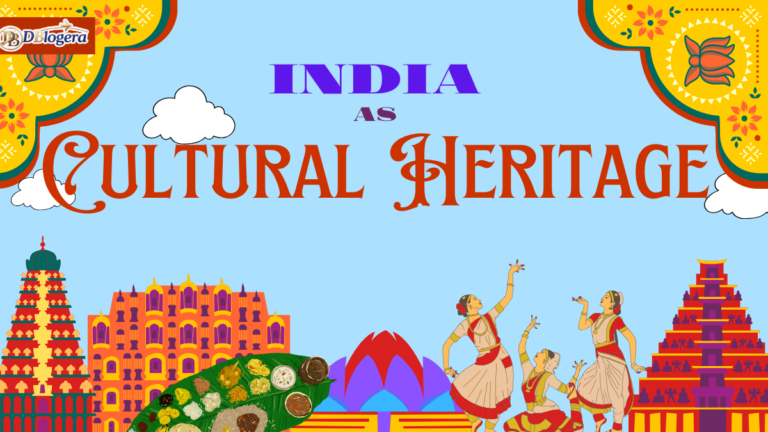
India is widely regarded as one of the world’s richest civilizations, with a cultural history spanning thousands of years. From ancient temples and royal palaces to vibrant festivals and traditional arts, India as cultural heritage represents a living mosaic of traditions, beliefs, and artistic expressions that have evolved across generations. The country’s heritage reflects the influences of numerous dynasties, religions, and communities that have contributed to shaping its identity.
India is home to dozens of globally recognized heritage sites and cultural traditions that reflect its historical significance and diversity. The nation currently has over 40 UNESCO World Heritage Sites, including cultural monuments, natural landscapes, and mixed heritage properties that showcase its long-standing civilization.
Beyond monuments, India’s cultural heritage also includes languages, crafts, cuisines, festivals, and performing arts that continue to thrive in everyday life. This article examines the cultural heritage of India, highlighting its historical landmarks, traditions, and global influence.
Understanding the Concept of Cultural Heritage in India
Cultural heritage refers to the traditions, monuments, artifacts, and values that societies inherit from past generations and preserve for the future. In India, cultural heritage goes beyond historical structures; it includes intangible traditions such as music, rituals, crafts, language, and community practices.
India’s cultural heritage reflects the country’s philosophy of “Unity in Diversity.” The Constitution of India recognizes the importance of protecting linguistic, cultural, and religious traditions across regions.
Because of its ancient history and social diversity, India’s heritage represents a combination of multiple civilizations, including the Indus Valley civilization, Mauryan Empire, Gupta period, Mughal era, and colonial influences. These cultural layers continue to shape modern Indian society.
Key Elements of Cultural Heritage in India
- Historical monuments and architecture
- Traditional arts and crafts
- Festivals and religious traditions
- Languages and literature
- Folk music and dance
- Culinary traditions
- Indigenous knowledge systems
Together, these elements create a cultural identity that connects India’s past with its present and future.
Historical Foundations of India’s Cultural Heritage
India’s cultural heritage is deeply rooted in its long and complex history. From prehistoric settlements to ancient kingdoms and medieval empires, each era has contributed unique traditions, art forms, and architectural styles.
One of the earliest examples of India’s cultural heritage can be seen in the prehistoric rock paintings of Bhimbetka, which date back thousands of years and illustrate early human life, rituals, and wildlife.
Over centuries, powerful dynasties such as the Mauryas, Guptas, Cholas, Mughals, and Rajputs shaped India’s architecture, literature, and cultural practices. Temples, forts, palaces, and cities built during these periods continue to stand as symbols of India’s historical and cultural achievements.
Major Historical Periods Influencing Indian Cultural Heritage
1. Ancient Civilization
- Indus Valley civilization urban planning
- Early Vedic culture and traditions
- Development of Sanskrit literature and philosophy
2. Classical Period
- Gupta period advancements in science and art
- Development of temple architecture
- Rise of classical dance and music forms
3. Medieval Era
- Mughal architecture, such as domes and gardens
- Development of miniature paintings
- Growth of Sufi and Bhakti traditions
4. Colonial Period
- Introduction of Indo-European architecture
- Modern educational and literary institutions
- Cultural reform movements
These historical layers form the foundation of India as cultural heritage.
UNESCO World Heritage Sites in India
India’s cultural significance is globally recognized through numerous UNESCO World Heritage Sites. These sites represent outstanding examples of architecture, art, and historical importance that belong to humanity’s shared heritage.
India currently has 42 UNESCO World Heritage Sites, including cultural, natural, and mixed categories.
These sites illustrate India’s artistic brilliance, spiritual traditions, and engineering achievements throughout history.
Important UNESCO Cultural Heritage Sites
Ellora Caves
The Ellora Caves in Maharashtra are among the largest rock-cut temple complexes in the world, built between the 6th and 10th centuries. The caves include Hindu, Buddhist, and Jain monuments carved from basalt cliffs, demonstrating remarkable craftsmanship and religious harmony.
Hill Forts of Rajasthan
The Hill Forts of Rajasthan represent a network of six Rajput forts built between the 5th and 18th centuries. These forts were designed for defense and royal residence and reflect the military and architectural ingenuity of Rajput rulers.
Champaner-Pavagadh Archaeological Park
Located in Gujarat, this heritage park includes forts, temples, mosques, and stepwells that illustrate the transition between Hindu and Islamic architecture in medieval India.
Sacred Ensembles of the Hoysalas
The Hoysala temples in Karnataka are renowned for their intricate stone carvings and unique star-shaped architecture developed during the 12th and 13th centuries.
Maratha Military Landscapes
A group of historic forts developed between the 17th and 19th centuries showcases the military and administrative systems of the Maratha Empire.
These heritage sites represent the architectural diversity and historical legacy that define India as cultural heritage.
Intangible Cultural Heritage of India
While monuments represent tangible heritage, India is equally famous for its intangible cultural heritage, which includes traditions, rituals, and performing arts passed from one generation to another.
These living traditions shape everyday life in India and strengthen cultural identity. They are often celebrated through festivals, performances, and community gatherings.
Examples of India’s Intangible Cultural Heritage
Performing Arts
- Classical dances such as Bharatanatyam, Kathak, Odissi, and Kathakali
- Traditional theatre forms like Ramlila
- Folk music traditions across regions
Festivals and Rituals
- Diwali – Festival of Lights
- Holi – Festival of colors
- Durga Puja celebrations
- Kumbh Mela spiritual gathering
Traditional Crafts
- Handloom weaving
- Terracotta pottery
- Metal craft and jewelry making
- Block printing and textile arts
Yoga and Spiritual Practices
India is also the birthplace of Yoga, which has become a global wellness practice and reflects the spiritual dimension of Indian heritage.
These traditions represent the living aspect of India as cultural heritage, making culture part of everyday life.
H2: Diversity of Languages and Literature
India’s linguistic diversity is one of the most remarkable aspects of its cultural heritage. The country has hundreds of languages and dialects, each representing unique literary traditions and cultural identities.
Indian literature dates back thousands of years and includes sacred texts, philosophical works, poetry, and modern novels. Ancient Sanskrit epics such as the Ramayana and Mahabharata remain influential in Indian culture and storytelling.
Major Literary Traditions in India
Classical Literature
- Vedas and Upanishads
- Ramayana and Mahabharata
- Sanskrit drama and poetry
Regional Literature
- Bengali literature and Tagore’s works
- Tamil Sangam poetry
- Hindi and Urdu poetry
Modern Literature
- Post-independence novels and essays
- Contemporary Indian English literature
- Regional storytelling traditions
Language and literature preserve India’s values, philosophy, and cultural memory across generations.
H2: Traditional Arts and Crafts of India
India’s artistic heritage is reflected in its diverse crafts and handmade traditions. Many of these art forms have been practiced for centuries and continue to support rural economies and cultural identity.
Traditional crafts are often associated with particular regions and communities, making them an essential part of India’s cultural landscape.
Famous Indian Art and Craft Traditions
Textile Arts
- Banarasi silk weaving
- Kanchipuram silk sarees
- Bandhani tie-dye textiles
Painting Traditions
- Madhubani painting from Bihar
- Warli tribal art from Maharashtra
- Pattachitra paintings from Odisha
Sculpture and Handicrafts
- Stone carvings
- Wood carving
- Brass and metal crafts
These art forms reflect India’s creativity and craftsmanship, making them a vital component of India as cultural heritage.
Festivals and Cultural Celebrations
Festivals are among the most vibrant expressions of Indian cultural heritage. Each region celebrates unique festivals that reflect religious beliefs, seasonal cycles, and local traditions.
India’s festivals bring communities together and showcase traditional music, dance, food, and rituals.
Major Festivals Celebrated Across India
Religious Festivals
- Diwali – Celebrating the victory of light over darkness
- Eid – Celebrated by Muslim communities
- Christmas – Celebrated by Christians
Cultural Festivals
- Durga Puja in West Bengal
- Navratri and Garba in Gujarat
- Onam in Kerala
Seasonal Festivals
- Baisakhi harvest festival
- Pongal in Tamil Nadu
- Lohri in Punjab
These celebrations strengthen social bonds and highlight the diversity of Indian culture.
H2: Indian Cuisine as Cultural Heritage
Indian cuisine is another important dimension of the country’s cultural heritage. Each region has distinct flavors, cooking methods, and ingredients that reflect local traditions and geography.
Food in India is deeply connected to festivals, religious customs, and community traditions.
Regional Culinary Traditions
North India
- Rich gravies and tandoori dishes
- Wheat-based breads like naan and roti
South India
- Rice-based meals
- Coconut and spice-rich curries
East India
- Seafood dishes
- Rice and mustard-based cuisine
West India
- Gujarati vegetarian dishes
- Maharashtrian coastal cuisine
Indian cuisine represents centuries of cultural exchange and culinary innovation.
H2: Cultural Heritage Tourism in India
Cultural tourism is one of the most important means by which travelers experience India’s heritage. Historical monuments, pilgrimage centers, and cultural festivals attract millions of visitors every year.
Many famous heritage sites receive large numbers of domestic and international tourists due to their architectural beauty and historical significance.
Popular Cultural Heritage Destinations in India
- Agra – Taj Mahal and Mughal heritage
- Jaipur – Royal palaces and forts
- Varanasi – Spiritual traditions on the Ganges
- Hampi – Ancient Vijayanagara ruins
- Mahabalipuram – Temple architecture
Cultural tourism not only preserves heritage but also contributes to local economies.
H2: Preservation and Conservation of Cultural Heritage
Protecting cultural heritage is essential for maintaining historical identity and passing traditions to future generations. Governments, organizations, and communities play a crucial role in preserving heritage sites and traditions.
Conservation efforts include restoring monuments, documenting traditions, and promoting cultural education.
Major Heritage Preservation Efforts
- Archaeological Survey of India conservation programs
- UNESCO World Heritage recognition
- Community-based preservation initiatives
- Cultural festivals and museums
Technology and digital archives are also helping document and protect India’s cultural heritage.
H2: Why India is Known as a Global Cultural Heritage Hub
India’s cultural richness, diversity, and historical continuity make it one of the world’s most significant heritage destinations.
The country’s heritage reflects centuries of artistic innovation, spiritual traditions, and social diversity that continue to influence global culture.
Reasons India is Recognized as a Cultural Heritage
- One of the world’s oldest civilizations
- Diverse traditions across regions
- Large number of heritage monuments
- Vibrant festivals and living traditions
- Global influence of yoga, cuisine, and philosophy
India’s cultural heritage represents a timeless connection between history, tradition, and modern life.
H2: Conclusion
India’s cultural heritage is a remarkable blend of history, traditions, and living practices that have evolved over thousands of years. From ancient cave paintings and magnificent temples to vibrant festivals and culinary traditions, every aspect of Indian life reflects its deep cultural roots.
The concept of India as cultural heritage highlights how the country preserves its past while continuing to innovate and adapt to modern times. Its monuments, languages, art forms, and spiritual traditions together create a cultural landscape unlike any other in the world.
As globalization continues to reshape societies, protecting and celebrating India’s heritage remains essential. By preserving these traditions and monuments, India ensures that future generations can continue to experience the richness of its cultural legacy.
FAQs (SEO Optimized)
1. Why is India considered a cultural heritage country?
India is considered a cultural heritage country because of its ancient civilizations, diverse traditions, historic monuments, and vibrant cultural practices that span thousands of years.
2. How many UNESCO World Heritage Sites are there in India?
India has 42 UNESCO World Heritage Sites, including cultural, natural, and mixed heritage locations.
3. What are examples of cultural heritage in India?
Examples include the Taj Mahal, Ellora Caves, traditional dances, festivals like Diwali, and crafts such as Madhubani painting.
4. What is intangible cultural heritage in India?
Intangible heritage includes traditions such as classical music, dance, festivals, rituals, and crafts that are passed down through generations.
5. How does India preserve its cultural heritage?
India preserves its heritage through conservation programs, UNESCO recognition, museums, cultural festivals, and educational initiatives.
6. Why is cultural heritage important for tourism in India?
Cultural heritage attracts millions of visitors who come to experience historical monuments, festivals, and traditions, contributing significantly to tourism and local economies.
Also, give a read:
15 Best Mountain Destinations in India
The Budget Fashion Tips for 2026 Brides
Top Indian Devotional Destinations to Visit in 2026