
Tag

DBlogéra

Browsing

The arrival of the monsoon transforms India into a breathtaking paradise. Mountains wear a fresh green blanket, waterfalls come alive, rivers flow at their fullest, and mist-covered valleys create postcard-perfect landscapes. Whether you’re planning a romantic honeymoon, a family vacation, a solo escape, or an adventurous road trip, the rainy season opens up a completely different side of the country.

In this comprehensive guide, you’ll discover the 25 Best Places to Visit in Monsoon in India, complete with budgets, itineraries, travel tips, and destination highlights. From the lush backwaters of Kerala and the misty hills of Mussoorie to the vibrant beaches of Goa and the spiritual charm of Rishikesh, this guide covers everything you need to plan the perfect monsoon holiday.

Unlike many generic travel lists, this article is designed to help you make informed decisions based on your budget, travel style, and the best experiences each destination offers during the rainy season.

Whether you’re looking for a peaceful retreat in the hills, thrilling monsoon road trips, wildlife adventures, or picturesque waterfalls, you’ll find plenty of inspiration here.

Why Travel During the Monsoon?

Many travellers avoid the rainy season because of concerns about weather disruptions. However, experienced travellers often consider the monsoon one of the best times to explore India.

Here’s why:

  • Lush green landscapes everywhere
  • Fewer crowds compared to peak tourist seasons
  • Lower hotel and flight prices
  • Beautiful waterfalls in full flow
  • Pleasant temperatures in hill stations
  • Better opportunities for photography
  • Romantic atmosphere perfect for couples
  • Fresh local cuisine and seasonal delicacies

For budget-conscious travellers, monsoon is also one of the most affordable seasons to travel, making it easier to enjoy premium destinations without spending a fortune.

Quick Overview of the Best Monsoon Destinations in India

DestinationBest ForBudget (3 Days)
GoaBeaches & Cafes₹8,000–15,000
KeralaNature & Backwaters₹10,000–18,000
MussoorieFamilies₹7,000–14,000
RishikeshAdventure₹6,000–12,000
OotyHoneymoon₹9,000–16,000
CoorgCoffee Estates₹8,000–15,000
MunnarCouples₹9,000–17,000
MeghalayaWaterfalls₹12,000–22,000
MahabaleshwarWeekend Trips₹7,000–13,000
LonavalaRoad Trips₹6,000–11,000

25 Best Places to Visit in Monsoon in India at a Glance
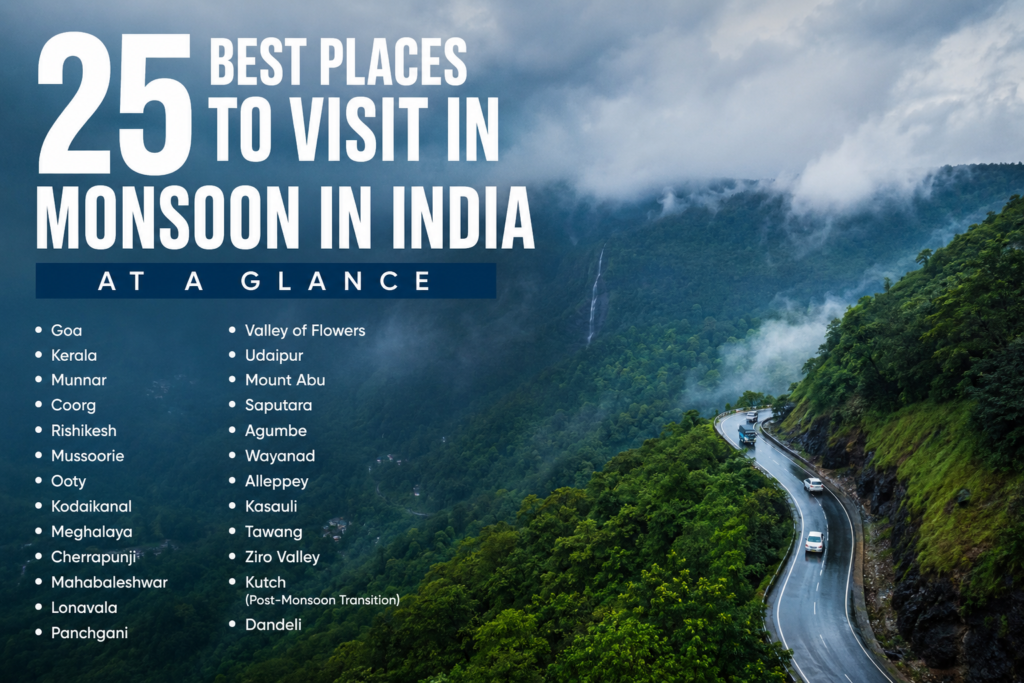
Each destination includes:

  • Best time to visit
  • Top attractions
  • Approximate budget
  • Sample itinerary
  • Travel tips
  • Ideal duration
  • Suitable for couples, families, or solo travellers

Why This Is the Best Monsoon Travel Guide for 2026

Planning a trip during the rainy season requires more than just choosing a destination. Weather conditions, road accessibility, accommodation availability, and local experiences can vary significantly.

That’s why this guide includes practical information such as:

  • Estimated travel costs
  • Suggested itineraries
  • Packing advice
  • Safety precautions
  • Best months to visit
  • Transportation options
  • Local food recommendations
  • Photography spots
  • Family-friendly and couple-friendly activities

By the end of this guide, you’ll have everything you need to plan a memorable and hassle-free monsoon vacation.

How We Selected These Monsoon Destinations

The destinations featured in this list were chosen based on several factors:

1. Scenic Beauty During Monsoon

Locations that become especially beautiful during the rainy season with lush greenery, waterfalls, and mist-covered landscapes.

2. Accessibility

Places that remain relatively accessible even during monsoon months.

3. Safety

Destinations with established tourism infrastructure and safer travel conditions.

4. Budget Friendliness

Options suitable for luxury, mid-range, and budget travellers.

5. Variety of Experiences

The list includes beaches, hill stations, forests, wildlife reserves, spiritual destinations, and adventure hubs.

Types of Monsoon Holidays You Can Plan

Romantic Monsoon Getaways

If you’re travelling as a couple, consider destinations known for their serene atmosphere, luxury stays, and scenic beauty.

Some of the best romantic destinations include:

  • Munnar
  • Ooty
  • Goa
  • Kerala Backwaters
  • Coorg
  • Mussoorie

Family Trips in Monsoon

Families often prefer destinations with comfortable accommodations, sightseeing opportunities, and activities suitable for all age groups.

Top family-friendly destinations include:

  • Mussoorie
  • Ooty
  • Mahabaleshwar
  • Kerala
  • Goa
  • Panchgani

Adventure Trips

For thrill-seekers, monsoon offers exciting opportunities such as:

  • River rafting
  • Trekking
  • Waterfall hikes
  • Jungle safaris
  • Camping
  • Kayaking

Best destinations include:

  • Rishikesh
  • Dandeli
  • Meghalaya
  • Wayanad
  • Coorg

Weekend Getaways

If you’re planning a short escape, these destinations are ideal:

  • Lonavala
  • Mahabaleshwar
  • Mussoorie
  • Goa
  • Coorg

These locations are perfect for quick 2–3 day trips and are well connected by road and rail depending upon your departure city.

Monsoon Travel Planning Checklist

Before you begin your journey, keep the following essentials in mind:

✔ Waterproof backpack

✔ Rain jacket or poncho

✔ Quick-dry clothes

✔ Waterproof footwear

✔ Power bank

✔ Small medical kit

✔ Extra phone cover

✔ Umbrella

✔ Waterproof pouch for documents

✔ Mosquito repellent

Don’t Miss: Monsoon Packing Checklist (Internal Link)

Monsoon Travel Budget: What to Expect?

One of the biggest advantages of travelling during the rainy season is affordability.

Here’s a rough estimate for a 3-day trip per person:

Budget TypeApproximate Cost
Budget₹6,000–9,000
Mid-range₹10,000–18,000
Luxury₹20,000–40,000+

These estimates typically include accommodation, local transport, meals, and sightseeing, but exclude flights or long-distance train travel.

Top 25 Best Places to Visit in Monsoon in India (2026)

The rainy season transforms these destinations into lush green escapes, making them some of the best places to visit in monsoon in India. Whether you’re planning a romantic honeymoon, a family vacation, an adventure trip, or a peaceful weekend getaway, these destinations offer unforgettable experiences.

1. Goa in Monsoon
Why Visit Goa During Monsoon?

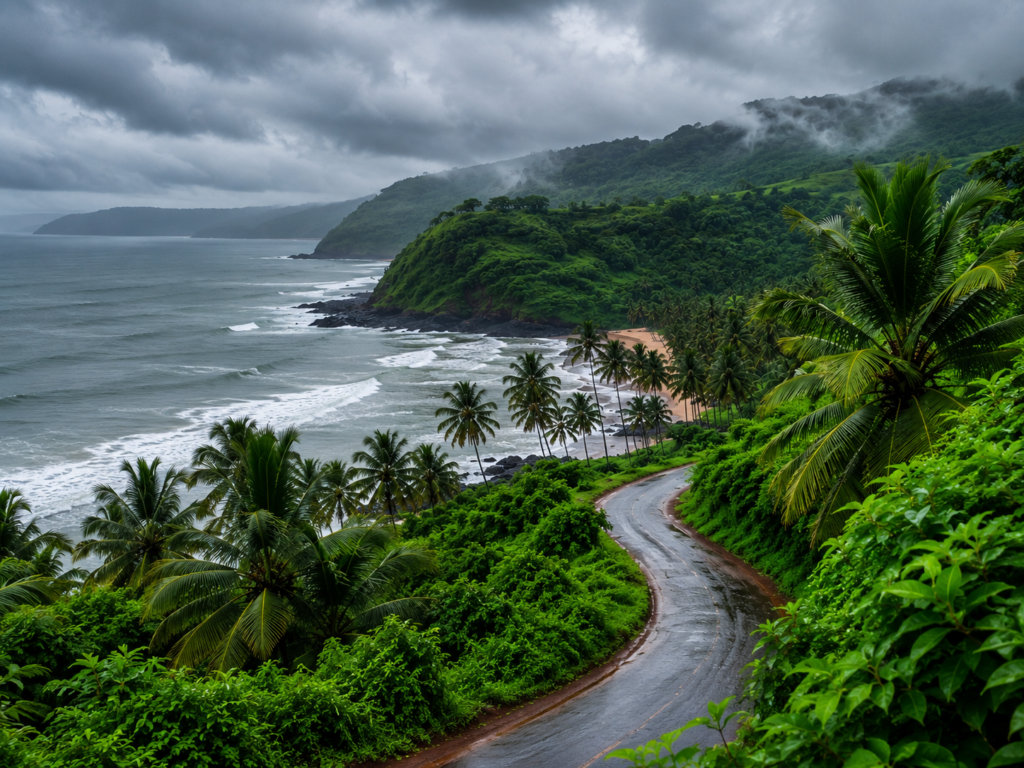
Most people associate Goa with winter holidays, but monsoon reveals an entirely different side of the state. The beaches become peaceful, waterfalls gush with full force, spice plantations turn emerald green, and cafés are far less crowded.

If you’re looking for a budget-friendly vacation with fewer tourists, Goa during the rainy season is an excellent choice.

Related Guide: Goa in Monsoon

Best Time to Visit

July to September

Ideal Trip Duration

4 Days / 3 Nights

Best For

  • Couples
  • Friends
  • Photographers
  • Digital Nomads

Top Attractions

  • Dudhsagar Falls
  • Fontainhas Heritage Walk
  • Spice Plantations
  • Divar Island
  • Old Goa Churches
  • South Goa Beaches
  • Chapora Fort
  • Butterfly Beach

Things to Do

  • Visit Dudhsagar Waterfalls
  • River Cruise on Mandovi
  • Explore Portuguese Streets
  • Café Hopping
  • Kayaking
  • Monsoon Photography

Rough Budget (Per Person)

Budget TypeCost
Budget₹8,000
Mid-range₹14,000
Luxury₹28,000+

Suggested 4-Day Itinerary

Day 1

  • Arrive in Goa
  • Explore Panjim
  • Fontainhas Walk
  • Evening Cruise

Day 2

  • Dudhsagar Waterfalls
  • Spice Plantation Tour

Day 3

  • South Goa Beaches
  • Cabo de Rama
  • Café Tour

Day 4

  • Local Shopping
  • Departure

Travel Tips

  • Avoid swimming during rough sea conditions.
  • Carry waterproof footwear.
  • Rent a scooter only if you are comfortable riding in the rain.
  • Book waterfall tours in advance.

Also Read: Goa Monsoon Travel Guide

2. Kerala in Monsoon

Why Kerala is Magical During Rainy Season

Known as “God’s Own Country,” Kerala becomes even more beautiful during monsoon. Tea plantations, backwaters, waterfalls, and Ayurvedic wellness retreats make it one of the best monsoon travel destinations in India.

The rainy season is also considered the ideal time for authentic Ayurvedic therapies.

Best Time

June to September

Ideal Duration

5 Days

Best For

  • Honeymoon
  • Family
  • Luxury Travel
  • Wellness Tourism

Must-Visit Places

  • Munnar
  • Alleppey
  • Thekkady
  • Wayanad
  • Athirapally Falls
  • Kochi

Experiences

  • Houseboat Stay
  • Tea Estate Tour
  • Ayurveda Spa
  • Kathakali Show
  • Bamboo Rafting

Estimated Budget

BudgetCost
Budget₹11,000
Mid-range₹18,000
Luxury₹35,000+

5-Day Itinerary

Day 1
Kochi City Tour

Day 2
Munnar

Day 3
Tea Gardens & Waterfalls

Day 4
Alleppey Houseboat

Day 5
Departure

Travel Tips

  • Carry anti-leech socks if trekking.
  • Book houseboats early.
  • Keep electronics waterproof.

3. Munnar (Kerala)

Why Munnar is India’s Most Romantic Monsoon Destination

The endless tea gardens, shrouded in mist, make Munnar a dream destination for honeymoon couples and photographers.

Monsoon enhances the beauty of waterfalls, valleys, and mountain roads.

Best Time

July–September

Budget

₹9,000–17,000

Attractions

  • Tea Museum
  • Eravikulam National Park
  • Mattupetty Dam
  • Echo Point
  • Top Station

Top Experiences

  • Tea Plantation Walk
  • Jeep Safari
  • Sunrise View
  • Waterfall Photography

3-Day Itinerary

Day 1
Arrival + Tea Museum

Day 2
Top Station + Dam

Day 3
National Park + Shopping

Travel Tip

Carry light jackets as evenings can become chilly.

4. Coorg (Karnataka)

India’s Coffee Paradise During Monsoon

Known as the Scotland of India, Coorg becomes incredibly green after rainfall.

Coffee plantations, waterfalls, and mountain drives make it perfect for couples and road trips.

Best Time

July to September

Budget

₹8,000–15,000

Must Visit

  • Abbey Falls
  • Raja’s Seat
  • Dubare Elephant Camp
  • Talacauvery
  • Coffee Estates

Activities

  • Plantation Stay
  • Coffee Tasting
  • Jeep Ride
  • Waterfall Visits

Sample Itinerary

Day 1
Coffee Estate + Raja’s Seat

Day 2
Abbey Falls + Dubare

Day 3
Talacauvery + Return

5. Rishikesh (Uttarakhand)

Best Adventure Destination in Monsoon

Although river rafting may be restricted during peak rains, Rishikesh offers yoga retreats, cafés, waterfalls, and peaceful Himalayan views.

It remains one of the best places to visit in the rainy season for spiritual travellers.

Best Time

Late July–September

Budget

₹6,000–12,000

Highlights

  • Triveni Ghat
  • Beatles Ashram
  • Lakshman Jhula Area
  • Neer Garh Waterfall
  • Parmarth Niketan

Things to Do

  • Ganga Aarti
  • Café Hopping
  • Yoga Session
  • Temple Visits
  • Waterfall Trek

Sample Itinerary

Day 1
Ashrams

Day 2
Waterfalls

Day 3
Cafés + Shopping

Important Tip

Check rafting schedules before planning.

6. Mussoorie (Uttarakhand)

Queen of Hills in Monsoon

Misty mountains, waterfalls, colonial charm, and pleasant weather make Mussoorie one of India’s favourite hill stations.

Families and couples especially love visiting during the rainy season.

Best Time

July–September

Budget

₹7,000–14,000

Attractions

  • Kempty Falls
  • Mall Road
  • Lal Tibba
  • George Everest Peak
  • Company Garden

Things to Do

  • Ropeway Ride
  • Café Hopping
  • Nature Walks
  • Shopping

Suggested Itinerary

Day 1
Mall Road

Day 2
Kempty Falls

Day 3
George Everest

Travel Tip

Roads can become slippery—wear good trekking shoes.

7. Ooty (Tamil Nadu)

A Classic Monsoon Hill Station

Ooty’s rolling hills, tea plantations, lakes, and cool weather make it one of the best hill stations in monsoon.

It’s perfect for honeymooners and family holidays.

Best Time

June–September

Budget

₹9,000–16,000

Top Attractions

  • Botanical Garden
  • Ooty Lake
  • Doddabetta Peak
  • Tea Factory
  • Nilgiri Mountain Railway

Experiences

  • Toy Train Ride
  • Boating
  • Tea Tasting
  • Photography

Sample Itinerary

Day 1
Botanical Garden

Day 2
Peak + Tea Factory

Day 3
Toy Train

8. Kodaikanal (Tamil Nadu)

Princess of Hill Stations

Kodaikanal is one of the best places to visit in monsoon in India, offering misty forests, lakes, pine trees, and waterfalls during the monsoon.

It’s quieter than Ooty, making it perfect for couples seeking peace.

Best Time

July–September

Budget

₹8,500–15,000

Attractions

  • Kodai Lake
  • Pillar Rocks
  • Pine Forest
  • Bryant Park
  • Silver Cascade Falls

Activities

  • Cycling
  • Boating
  • Nature Walks
  • Photography

Suggested Itinerary

Day 1
Lake

Day 2
Pillar Rocks

Day 3
Pine Forest

Travel Tip

Morning hours provide the clearest views before afternoon mist sets in.

From the world’s wettest place to royal lakes, flower-filled valleys, and scenic hill stations, these destinations are ideal for couples, families, solo travellers, and road trip enthusiasts.

9. Meghalaya – The Abode of Clouds

Why Visit Meghalaya During Monsoon?

If there’s one destination that defines monsoon beauty in India, it’s Meghalaya. The state receives abundant rainfall, creating spectacular waterfalls, misty hills, living root bridges, lush forests, and crystal-clear rivers.

Whether you’re an adventure lover or a nature enthusiast, Meghalaya deserves a top spot on your monsoon bucket list.

Best Time to Visit

July to September

Ideal Duration

6 Days / 5 Nights

Best For

  • Nature Lovers
  • Couples
  • Adventure Travellers
  • Photographers
  • Backpackers

Top Attractions

  • Shillong
  • Dawki
  • Mawlynnong
  • Living Root Bridges
  • Umiam Lake
  • Elephant Falls
  • Laitlum Canyon
  • Krang Suri Falls

Things to Do

  • Trek to Double Decker Living Root Bridge
  • Kayaking in Dawki
  • Waterfall Chasing
  • Camping
  • Cave Exploration
  • Local Khasi Cuisine

Rough Budget

BudgetCost
Budget₹12,000
Mid-range₹20,000
Luxury₹38,000+

6-Day Itinerary

Day 1
Shillong City Tour

Day 2
Elephant Falls & Laitlum Canyon

Day 3
Dawki & Umngot River

Day 4
Living Root Bridge Trek

Day 5
Mawlynnong Village

Day 6
Departure

Travel Tips

  • Carry waterproof trekking shoes.
  • Mobile connectivity may be weak in remote areas.
  • Hire a local guide for trekking routes.

Here’s the Ultimate Meghalaya Travel Guide in 2026

10. Cherrapunji (Sohra), Meghalaya

The Rain Capital of India

Cherrapunji is famous for its dramatic cliffs, dense forests, and some of the most spectacular waterfalls in Asia. During monsoon, every corner of this destination comes alive with greenery and flowing streams.

Best Time

July–September

Budget

₹11,000–18,000

Top Attractions

  • Nohkalikai Falls
  • Seven Sisters Falls
  • Mawsmai Cave
  • Eco Park
  • Wei Sawdong Falls
  • Arwah Cave

Things to Do

  • Explore limestone caves
  • Visit waterfalls
  • Nature photography
  • Village walks

Suggested Itinerary

Day 1
Nohkalikai Falls & Eco Park

Day 2
Wei Sawdong Falls & Mawsmai Cave

Day 3
Village exploration & departure

Travel Tip

Expect heavy rain—carry dry bags and waterproof covers for electronics.

11. Mahabaleshwar (Maharashtra)

Strawberry Capital Wrapped in Mist

Mahabaleshwar is one of Maharashtra’s most popular weekend getaways in monsoon. Rolling hills, viewpoints, waterfalls, and cool weather make it a favorite among families and couples.

Best Time

July–September

Ideal Duration

3 Days

Best For

  • Families
  • Couples
  • Weekend Trips

Top Attractions

  • Arthur’s Seat
  • Elephant’s Head Point
  • Venna Lake
  • Lingmala Waterfall
  • Mapro Garden
  • Wilson Point

Things to Do

  • Boating
  • Horse Riding
  • Strawberry Products Shopping
  • Waterfall Visits

Rough Budget

₹7,000–13,000

Suggested Itinerary

Day 1
Venna Lake & Market

Day 2
Arthur’s Seat & Waterfalls

Day 3
Mapro Garden & Departure

Travel Tip

Start sightseeing early to avoid fog affecting viewpoints.

12. Lonavala (Maharashtra)

One of India’s Most Popular Monsoon Road Trips

Located between Mumbai and Pune, Lonavala transforms into a lush paradise every monsoon with waterfalls, lakes, forts, and winding roads.

Best Time

June–September

Budget

₹6,000–11,000

Top Attractions

  • Tiger Point
  • Bhushi Dam
  • Karla Caves
  • Rajmachi Fort
  • Pawna Lake

Activities

  • Road Trip
  • Trekking
  • Camping
  • Photography

Suggested Itinerary

Day 1
Bhushi Dam

Day 2
Tiger Point & Pawna Lake

Day 3
Karla Caves

Travel Tip

Avoid visiting Bhushi Dam during peak weekends due to heavy crowds.

13. Panchgani (Maharashtra)

A Peaceful Hill Station Near Mahabaleshwar

Panchgani is known for its scenic valleys, strawberry farms, and colonial charm. It is perfect for travellers seeking a quieter alternative to Mahabaleshwar.

Best Time

July–September

Budget

₹7,000–12,000

Top Attractions

  • Table Land
  • Sydney Point
  • Parsi Point
  • Devil’s Kitchen
  • Mapro Garden

Things to Do

  • Horse Riding
  • Valley Views
  • Local Shopping
  • Nature Walks

Sample Itinerary

Day 1
Table Land

Day 2
Sydney Point & Mapro Garden

Day 3
Shopping & Departure

14. Valley of Flowers (Uttarakhand)

India’s Most Beautiful Monsoon Trek

Declared a UNESCO World Heritage Site, the Valley of Flowers blooms spectacularly during the monsoon. Thousands of alpine flowers create one of India’s most magical landscapes.

Best Time

Mid-July to August

Ideal Duration

5 Days

Best For

  • Trekkers
  • Nature Lovers
  • Wildlife Enthusiasts
  • Photographers

Highlights

  • Valley of Flowers Trek
  • Hemkund Sahib
  • Govindghat
  • Ghangaria

Activities

  • Trekking
  • Photography
  • Bird Watching
  • Spiritual Visit

Rough Budget

₹12,000–18,000

Suggested Itinerary

Day 1
Reach Govindghat

Day 2
Trek to Ghangaria

Day 3
Valley of Flowers

Day 4
Hemkund Sahib

Day 5
Return

Travel Tip

Book accommodation well in advance as visitor numbers are regulated.

15. Udaipur (Rajasthan)

The City of Lakes Looks Even More Beautiful in Rain

While Rajasthan isn’t usually associated with monsoon travel, Udaipur becomes incredibly charming during the rainy season. The lakes fill up, the Aravalli Hills turn green, and palace views become even more picturesque.

Best Time

July–September

Budget

₹8,000–16,000

Attractions

  • City Palace
  • Lake Pichola
  • Fateh Sagar Lake
  • Sajjangarh Palace
  • Bagore Ki Haveli

Things to Do

  • Boat Ride
  • Heritage Walk
  • Sunset Photography
  • Cultural Shows

Suggested Itinerary

Day 1
City Palace

Day 2
Lake Tour

Day 3
Sajjangarh Palace

Travel Tip

Evening boat rides offer stunning views after light rainfall.

16. Mount Abu (Rajasthan)

Rajasthan’s Only Hill Station

Mount Abu offers cool weather, scenic lakes, lush forests, and historic temples. During monsoon, the hills become greener, making it a refreshing escape from Rajasthan’s heat.

Best Time

July–September

Budget

₹7,500–14,000

Top Attractions

  • Nakki Lake
  • Guru Shikhar
  • Dilwara Temples
  • Sunset Point
  • Honeymoon Point

Things to Do

  • Boating
  • Hiking
  • Temple Visits
  • Shopping

Suggested Itinerary

Day 1
Nakki Lake

Day 2
Guru Shikhar & Sunset Point

Day 3
Dilwara Temples

Travel Tip

Carry a light jacket as evenings can become cool during the monsoon.

17. Saputara (Gujarat)

Gujarat’s Only Hill Station

Nestled in the Sahyadri Hills, Saputara is one of Gujarat’s most underrated best monsoon destinations in India. During the rainy season, the hills are covered with lush greenery, waterfalls spring to life, and the cool climate provides a refreshing escape.

Best Time to Visit

July to September

Ideal Duration

2–3 Days

Best For

  • Families
  • Couples
  • Weekend Getaways
  • Nature Lovers

Top Attractions

  • Saputara Lake
  • Sunset Point
  • Artist Village
  • Gira Waterfalls
  • Step Garden
  • Governor Hill

Things to Do

  • Boating
  • Ropeway Ride
  • Tribal Museum Visit
  • Nature Walks
  • Photography

Rough Budget

Budget TypeCost
Budget₹6,500
Mid-range₹11,000
Luxury₹22,000+

Suggested Itinerary

Day 1
Arrival • Saputara Lake • Sunset Point

Day 2
Gira Waterfalls • Artist Village • Ropeway

Day 3
Local Market • Departure

Travel Tips

  • Visit Gira Falls early in the morning.
  • Carry a light raincoat as showers are frequent.

18. Agumbe (Karnataka)

The Cherrapunji of South India

Agumbe is famous for its dense rainforests, biodiversity, spectacular sunsets, and numerous waterfalls. It’s also known for king cobras and rich wildlife, making it a paradise for nature lovers.

Best Time

July–September

Budget

₹8,000–15,000

Top Attractions

  • Sunset Point
  • Barkana Falls
  • Jogigundi Falls
  • Onake Abbi Falls
  • Agumbe Rainforest

Activities

  • Jungle Walks
  • Bird Watching
  • Photography
  • Waterfall Trekking

Sample Itinerary

Day 1
Arrival • Sunset Point

Day 2
Waterfall Exploration

Day 3
Rainforest Walk • Departure

Travel Tip

Hire a certified local guide if trekking through rainforest trails.

19. Wayanad (Kerala)

Kerala’s Hidden Monsoon Gem

Wayanad is a perfect blend of forests, waterfalls, wildlife, caves, and tea plantations. Monsoon transforms the district into a lush green paradise.

Best Time

June–September

Ideal Duration

4 Days

Best For

  • Couples
  • Families
  • Adventure Lovers
  • Nature Enthusiasts

Top Attractions

  • Edakkal Caves
  • Soochipara Falls
  • Banasura Sagar Dam
  • Pookode Lake
  • Wayanad Wildlife Sanctuary

Things to Do

  • Trekking
  • Wildlife Safari
  • Bamboo Rafting
  • Plantation Tours

Rough Budget

₹9,000–17,000

Suggested Itinerary

Day 1
Pookode Lake

Day 2
Soochipara Falls

Day 3
Wildlife Sanctuary

Day 4
Edakkal Caves • Departure

Travel Tip

Book eco-resorts or homestays for a more immersive local experience.

20. Alleppey (Kerala)
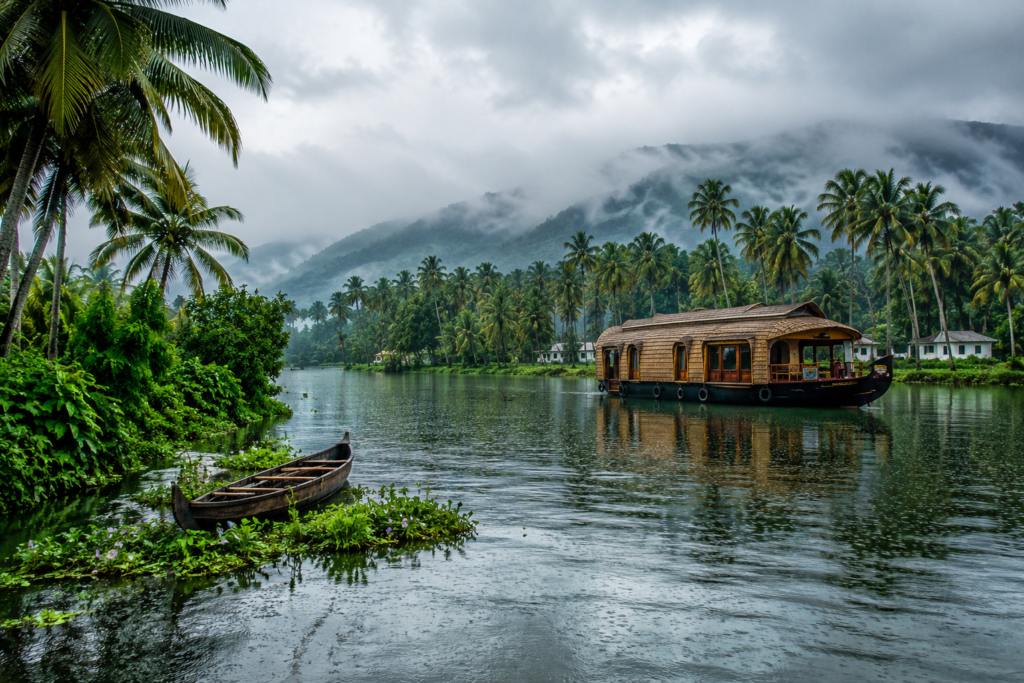
Experience the Magic of Monsoon Backwaters

Alleppey, also known as Alappuzha, offers one of India’s most relaxing monsoon experiences. The rain enhances the beauty of coconut-lined canals, paddy fields, and traditional houseboats.

Best Time

July–September

Budget

₹10,000–18,000

Attractions

  • Houseboat Cruise
  • Alappuzha Beach
  • Vembanad Lake
  • Kumarakom
  • Marari Beach

Things to Do

  • Houseboat Stay
  • Canoe Ride
  • Local Seafood
  • Village Tour

Suggested Itinerary

Day 1
Houseboat Check-in

Day 2
Village Tour

Day 3
Beach Visit & Departure

Travel Tip

Choose a government-approved houseboat operator for better safety and service.

21. Kasauli (Himachal Pradesh)

A Quiet Hill Station Perfect for Monsoon Escapes

Unlike Shimla and Manali, Kasauli remains peaceful even during the tourist season. Its pine forests, colonial architecture, and pleasant climate make it ideal for a relaxing holiday.

Best Time

July–September

Budget

₹8,000–14,000

Attractions

  • Monkey Point
  • Gilbert Trail
  • Sunset Point
  • Christ Church
  • Mall Road

Activities

  • Nature Walks
  • Café Visits
  • Photography
  • Heritage Exploration

Suggested Itinerary

Day 1
Mall Road

Day 2
Monkey Point

Day 3
Gilbert Trail

Travel Tip

Carry a light sweater as evenings can be cool even during the rainy season.

22. Tawang (Arunachal Pradesh)

A Monsoon Escape in the Eastern Himalayas

Tawang offers monasteries, mountain lakes, and breathtaking Himalayan scenery. While rainfall can affect road conditions, travellers who plan carefully are rewarded with fewer crowds and incredible landscapes.

Best Time

Late August–September

Budget

₹16,000–28,000

Top Attractions

  • Tawang Monastery
  • Madhuri Lake
  • Sela Pass
  • Bum La (subject to permits)
  • War Memorial

Things to Do

  • Monastery Visits
  • Scenic Drives
  • Local Cuisine
  • Cultural Experiences

Suggested Itinerary

Day 1
Arrival

Day 2
Monastery & War Memorial

Day 3
Madhuri Lake

Day 4
Departure

Travel Tip

Check road and weather conditions before travelling, as landslides can occasionally disrupt routes.

23. Ziro Valley (Arunachal Pradesh)

A Paradise for Nature Lovers

Surrounded by green paddy fields and pine-covered hills, Ziro Valley offers a peaceful retreat away from busy tourist destinations.

Best Time

July–September

Budget

₹12,000–22,000

Attractions

  • Apatani Villages
  • Talley Valley Wildlife Sanctuary
  • Pine Forests
  • Local Markets

Activities

  • Village Walks
  • Cycling
  • Nature Photography
  • Cultural Tours

Suggested Itinerary

Day 1
Explore Ziro Town

Day 2
Village Tour

Day 3
Talley Valley

Day 4
Departure

Travel Tip

Respect local traditions while visiting indigenous villages.

24. Kutch (Gujarat) – Post-Monsoon Transition

A Unique Seasonal Experience

While the famous Rann of Kutch is best known for winter, the landscape begins transforming after the monsoon. If you’re travelling in late September, you’ll witness changing salt flats and greener surroundings.

Best Time

Late September

Budget

₹9,000–18,000

Attractions

  • White Rann
  • Kala Dungar
  • Bhuj
  • Handicraft Villages

Activities

  • Village Tours
  • Local Shopping
  • Photography
  • Cultural Experiences

Suggested Itinerary

Day 1
Bhuj

Day 2
Kala Dungar

Day 3
Rann Region

Travel Tip

This destination is best suited for travellers visiting toward the end of the monsoon season.

25. Dandeli (Karnataka)

India’s Adventure Capital During Monsoon

If you’re looking for thrilling outdoor activities, Dandeli is one of the best choices. Forests, rivers, caves, and wildlife create an unforgettable adventure destination.

Best Time

July–September

Budget

₹8,000–16,000

Attractions

  • Kali River
  • Syntheri Rocks
  • Kavala Caves
  • Dandeli Wildlife Sanctuary

Things to Do

  • River Rafting (subject to river conditions)
  • Kayaking
  • Ziplining
  • Jungle Safari
  • Camping

Suggested Itinerary

Day 1
Arrival & Nature Walk

Day 2
Adventure Activities

Day 3
Wildlife Safari & Departure

Travel Tip

Adventure activities depend on weather and river flow—confirm availability with local operators before booking.

Which Destination Should You Choose?

Best for Couples

  • Munnar
  • Ooty
  • Wayanad
  • Alleppey
  • Goa

Best for Families

  • Mussoorie
  • Mahabaleshwar
  • Kerala
  • Saputara
  • Ooty

Best for Adventure

  • Dandeli
  • Meghalaya
  • Valley of Flowers
  • Rishikesh
  • Agumbe

Best Road Trips

  • Mumbai → Lonavala
  • Bengaluru → Coorg
  • Kochi → Munnar
  • Dehradun → Mussoorie
  • Guwahati → Shillong

Monsoon Travel Essentials

Before leaving for your trip, make sure you carry:

  • Waterproof backpack
  • Rain jacket or poncho
  • Quick-dry clothing
  • Waterproof phone pouch
  • Power bank
  • Personal medicines
  • Reusable water bottle
  • Anti-slip shoes
  • Umbrella
  • Travel insurance documents

How to Plan the Perfect Monsoon Trip

Planning a monsoon vacation requires a little extra preparation compared to travelling in winter or summer. Rain can occasionally disrupt transport schedules, but with smart planning, you can enjoy a smooth and memorable trip.

1. Choose the Right Destination

Select your destination based on your travel style.

Travel StyleRecommended Destinations
HoneymoonMunnar, Ooty, Alleppey, Goa
AdventureRishikesh, Dandeli, Meghalaya
FamilyMussoorie, Kerala, Mahabaleshwar
WeekendLonavala, Saputara, Kasauli
BudgetRishikesh, Mussoorie, Panchgani

2. Check the Weather Before You Leave

Weather in the monsoon can change quickly. Check the forecast a few days before departure and again on the day you travel. Be flexible with outdoor activities if heavy rain is expected.

3. Book Accommodation in Advance

Although monsoon is considered an off-season in many destinations, popular places such as Munnar, Goa, Mussoorie, and Kerala still receive a large number of visitors.

Booking early helps you:

  • Get better prices
  • Choose properties with scenic views
  • Secure free cancellation options

4. Keep a Flexible Itinerary

Avoid overpacking your schedule. Leave some buffer time in case of weather-related delays or temporary road closures.

Complete Monsoon Packing Checklist

Packing wisely can make your trip far more comfortable.

Clothing

  • Quick-dry T-shirts
  • Waterproof jacket
  • Lightweight hoodie
  • Comfortable jeans or trekking pants
  • Extra socks
  • Comfortable nightwear

Footwear

  • Waterproof sandals
  • Trekking shoes with good grip
  • Flip-flops

Electronics

  • Power bank
  • Mobile charger
  • Camera batteries
  • Waterproof pouch
  • Memory cards

Health Essentials

  • Personal medicines
  • Motion sickness tablets
  • Pain relievers
  • ORS sachets
  • Band-aids
  • Hand sanitizer
  • Mosquito repellent

Travel Essentials

  • Government ID
  • Printed hotel bookings
  • Cash (for remote areas)
  • Debit/Credit cards
  • Reusable water bottle
  • Umbrella
  • Small backpack

Monsoon Road Trip Tips

Road trips during the rainy season are incredibly scenic but require extra caution.

Before You Leave

  • Check tyre condition
  • Test windshield wipers
  • Ensure headlights and fog lamps work properly
  • Fill fuel before entering remote areas
  • Download offline maps

While Driving

  • Drive slowly on mountain roads
  • Maintain a safe distance from other vehicles
  • Avoid driving through flooded roads
  • Use low beams during heavy rain
  • Take breaks to avoid fatigue

Cheapest Monsoon Destinations in India

Travelling during monsoon can be surprisingly affordable.

DestinationApproximate Budget (3 Days)
Rishikesh₹6,000–9,000
Lonavala₹6,000–10,000
Saputara₹6,500–11,000
Panchgani₹7,000–12,000
Mussoorie₹7,000–13,000
Mahabaleshwar₹7,000–13,000
Coorg₹8,000–15,000

Budget Travel Tips

  • Travel by train whenever possible.
  • Book hotels 30–45 days in advance.
  • Choose homestays for better value.
  • Eat at local restaurants.
  • Use public transport where practical.

Romantic Monsoon Getaways in India

The rainy season creates the perfect setting for couples looking to relax and reconnect.

Top Romantic Destinations

  • Munnar
  • Ooty
  • Alleppey
  • Goa
  • Coorg
  • Udaipur
  • Wayanad

Romantic Experiences

  • Houseboat stay in Kerala
  • Tea plantation walks in Munnar
  • Sunset cruise in Goa
  • Lake boating in Ooty
  • Cozy café hopping in Mussoorie

Internal Link: Romantic Monsoon Getaways

Family Trip Planning Guide

Travelling with children or senior citizens? Choose destinations with good connectivity, comfortable accommodations, and family-friendly attractions.

Recommended Family Destinations

  • Kerala
  • Mussoorie
  • Mahabaleshwar
  • Ooty
  • Saputara

Family Travel Tips

  • Carry extra snacks and water.
  • Pack medicines and first-aid supplies.
  • Choose hotels with indoor activities for rainy days.
  • Avoid risky treks during heavy rainfall.

Monsoon Travel Safety Tips

Safety should always be your priority.

Do’s

  • Check local weather advisories.
  • Wear anti-slip shoes.
  • Keep emergency contact numbers handy.
  • Carry waterproof bags.
  • Stay hydrated.

Don’ts

  • Avoid entering fast-flowing rivers.
  • Don’t trek without a guide.
  • Don’t ignore local warnings about landslides.
  • Avoid driving at night on unfamiliar mountain roads.
  • Never leave valuables unattended.

Frequently Asked Questions (FAQs)

1. Which is the best place to visit in monsoon in India?

Popular choices include Munnar, Kerala, Goa, Meghalaya, Mussoorie, Rishikesh, Ooty, and Coorg, depending on your travel preferences.

2. Is it safe to travel during the monsoon?

Yes, provided you monitor weather updates, avoid restricted areas, and follow local advisories.

3. Which hill stations are best during the rainy season?

  • Ooty
  • Mussoorie
  • Coorg
  • Kodaikanal
  • Munnar
  • Saputara

4. Which destination is best for couples?

Munnar, Alleppey, Goa, Wayanad, and Ooty are among the most romantic monsoon destinations.

5. Which destination is ideal for families?

Mussoorie, Kerala, Mahabaleshwar, Ooty, and Saputara offer family-friendly attractions and comfortable stays.

6. Which places are best for adventure lovers?

Rishikesh, Dandeli, Meghalaya, Valley of Flowers, and Agumbe provide trekking, rafting (season permitting), wildlife, and outdoor adventures.

7. Are monsoon trips cheaper than winter vacations?

In many destinations, accommodation and flights are more affordable during the monsoon, making it a great season for budget travellers.

8. What clothes should I pack?

Pack quick-dry clothing, a rain jacket, waterproof footwear, and an extra set of clothes for outdoor activities.

9. Can I visit Goa during the monsoon?

Absolutely. Goa is quieter, greener, and ideal for sightseeing, café hopping, and waterfall visits. Swimming may be restricted depending on sea conditions.

10. Which state is the greenest during monsoon?

Kerala and Meghalaya are among the greenest and most scenic states during the rainy season.

Final Thoughts

Monsoon isn’t just another travel season—it’s a chance to experience India in its most vibrant and refreshing form. Waterfalls roar to life, forests become lush, lakes overflow, and mist-covered mountains create unforgettable landscapes.

Whether you’re sipping tea in the hills of Munnar, cruising through the backwaters of Alleppey, exploring the waterfalls of Meghalaya, or enjoying a peaceful walk along Goa’s rain-kissed beaches, every destination offers something unique during this magical time of year.

With careful planning, the right packing, and a flexible itinerary, your monsoon holiday can be both memorable and budget-friendly.

Conclusion

The Best Places to Visit in Monsoon in India (2026) offer something for every traveller—whether you’re seeking adventure, relaxation, romance, or a family vacation. By choosing the right destination, planning your itinerary carefully, and travelling responsibly, you can experience some of the country’s most beautiful landscapes at their greenest.

Save this guide for your next trip, share it with fellow travellers, and let the monsoon reveal a side of India that’s full of life, colour, and unforgettable memories.

Adding these structured data types can improve eligibility for rich results in search engines and enhance click-through rates.


Follow us on:
Youtube
Facebook
Instagram
Pinterest

Goa Monsoon Travel Guide: Experience the Magical Side of Goa

When people think of Goa, they usually picture golden beaches, vibrant nightlife, beach shacks, and crowded parties. While Goa is undoubtedly India’s beach capital, there is another side of this tropical paradise that remains hidden from many travelers—the enchanting monsoon season.

From June to September, Goa transforms into a lush green wonderland. Heavy rains wash over the coconut groves, waterfalls roar back to life, rivers swell gracefully, and the entire landscape becomes a vibrant canvas of emerald green. The crowds disappear, hotel prices drop significantly, and the peaceful atmosphere allows travelers to experience the authentic soul of Goa.

If you’re planning a Goa trip in 2026 and wondering whether the rainy season is the right time to visit, this comprehensive Goa Monsoon Travel Guide has everything you need. From weather updates and sightseeing recommendations to hidden gems, waterfalls, local food, travel tips, and budget planning, this guide will help you make the most of your monsoon vacation.

Whether you’re a solo traveler, a couple seeking a romantic escape, a nature enthusiast, or someone looking for a peaceful getaway, Goa during the monsoon promises an unforgettable experience unlike any other.

Why Visit Goa During Monsoon?

Many travelers avoid Goa during the rainy season, assuming that the beaches lose their charm and outdoor activities come to a halt. However, this perception couldn’t be further from the truth.

The monsoon unveils a completely different side of Goa—one that’s greener, quieter, more affordable, and deeply connected to nature.

Here are some compelling reasons why visiting Goa during the monsoon is worth considering:

1. Breathtaking Green Landscapes

The first rains breathe life into Goa’s forests, hills, paddy fields, and countryside. Every road is lined with lush vegetation, making even a simple drive feel like a scenic adventure.

Photography enthusiasts will find endless opportunities to capture mist-covered hills, rain-kissed palm trees, vibrant wildflowers, and dramatic cloud formations.

2. Spectacular Waterfalls

One of the biggest attractions during the monsoon is Goa’s magnificent waterfalls.

Many waterfalls remain dry for most of the year but become thunderous natural spectacles after the rains.

Popular waterfalls include:

  • Dudhsagar Falls
  • Tambdi Surla Falls
  • Kuskem Waterfall
  • Hivre Waterfall
  • Netravali Waterfalls

Each offers breathtaking scenery and unforgettable trekking opportunities.

3. Fewer Tourists

Unlike the peak tourist season between November and February, the monsoon months witness significantly fewer visitors.

This means:

  • Peaceful beaches
  • Empty roads
  • No long queues
  • Better hotel service
  • More authentic local experiences

Travelers can enjoy Goa without the hustle and bustle often associated with the winter months.

4. Budget-Friendly Travel

Monsoon is considered the off-season in Goa, making it an excellent time for budget-conscious travelers.

You can expect substantial discounts on:

  • Luxury resorts
  • Boutique hotels
  • Villas
  • Rental cars
  • Scooters
  • Guided tours

Many five-star properties offer rooms at nearly half the price compared to peak season.

5. Romantic Atmosphere

The cool breeze, gentle rainfall, misty landscapes, and cozy cafés create an incredibly romantic ambiance.

Couples can enjoy:

  • Scenic drives
  • Riverside dinners
  • Rain-soaked beaches
  • Sunset viewpoints
  • Heritage walks

Goa during the monsoon feels intimate and serene, making it ideal for honeymooners and romantic getaways.

Is Goa Worth Visiting During Monsoons?

Absolutely! While some water sports are temporarily suspended due to rough seas, Goa still offers countless other experiences that become even more enjoyable during the rainy season. Here’s the complete Goa Monsoon Travel Guide with pros and cons.

Pros

  • Affordable accommodation
  • Less crowded attractions
  • Incredible waterfalls
  • Scenic road trips
  • Green landscapes
  • Pleasant temperatures
  • Rich cultural festivals
  • Authentic local cuisine

Cons

  • Heavy rainfall on certain days
  • Limited beach activities
  • Sea swimming is generally discouraged
  • Some beach shacks remain closed

If your goal is relaxation, sightseeing, photography, food exploration, or nature, monsoon is arguably one of the best times to visit Goa.

Goa Weather in Monsoon

Understanding Goa’s weather helps you plan your itinerary effectively.

June

  • Temperature: 25°C–31°C
  • Beginning of monsoon
  • Heavy showers
  • Green landscapes emerge
  • Waterfalls start flowing

Perfect for:

  • Nature lovers
  • Budget travelers

July

The wettest month.

Expect:

  • Continuous rainfall
  • Mist-covered hills
  • Dramatic clouds
  • Full-flowing waterfalls
  • Dense forests

Ideal for:

  • Photography
  • Waterfall exploration
  • Heritage sightseeing

August

One of the most beautiful months.

Highlights:

  • Festivals
  • Green countryside
  • Pleasant temperatures
  • Less tourist traffic

This is considered one of the best months to experience authentic Goa.

September

Rainfall gradually reduces.

Benefits:

  • Clear skies
  • Lush greenery
  • Better road conditions
  • Beaches become accessible again

Many travelers consider September the perfect balance between rainy beauty and pleasant weather.

Best Time to Visit Goa During Rainy Season

If your priority is:

Waterfalls

Visit in July or August

Photography

Visit in Late July through September

Budget Travel

Visit in June

Festivals

Visit in August

Romantic Vacation

Visit in September

Best Places to Visit in Goa During Rainy Season

The beauty of Goa extends far beyond its beaches. During the monsoon, inland attractions become even more captivating.

1. Dudhsagar Falls

Among India’s tallest waterfalls, Dudhsagar Falls is undoubtedly Goa’s crown jewel during the monsoon.

Standing over 300 meters tall, the waterfall resembles a massive stream of milk cascading down rocky cliffs—hence its name, which translates to “Sea of Milk.”

Highlights

  • Dense forests
  • Jeep safari
  • Railway bridge views
  • Wildlife sightings
  • Trekking trails

Photography here is simply spectacular.

2. Chorla Ghats

Located on the Goa-Karnataka border, Chorla Ghats become a paradise during the monsoon.

Expect:

  • Fog-covered roads
  • Endless greenery
  • Numerous waterfalls
  • Exotic birds
  • Butterfly species

It’s one of the most scenic road trips in western India.

3. Divar Island

Accessible via ferry, Divar Island offers a peaceful escape from Goa’s commercial areas.

During the rainy season, you’ll discover:

  • Portuguese homes
  • Paddy fields
  • Quiet roads
  • Local churches
  • Riverside landscapes

It’s perfect for cycling enthusiasts and photographers.

4. Fontainhas

The Latin Quarter of Panaji looks magical in the rain.

Narrow streets, colorful Portuguese houses, tiled roofs, and charming cafés create an atmosphere reminiscent of Europe.

Don’t miss:

  • Heritage walks
  • Local bakeries
  • Boutique art galleries
  • Traditional Goan homes

5. Bhagwan Mahavir Wildlife Sanctuary

Nature lovers shouldn’t miss Goa’s largest protected forest.

Highlights include:

  • Trekking
  • Bird watching
  • Rare wildlife
  • Dense rainforest
  • Scenic viewpoints

Monsoon transforms the sanctuary into a vibrant ecosystem teeming with life.

6. Spice Plantations

The rain enhances the fragrance of Goa’s famous spice gardens.

Visitors can explore plantations growing:

  • Pepper
  • Cardamom
  • Cinnamon
  • Nutmeg
  • Vanilla
  • Cloves

Many plantations also serve authentic Goan lunches as part of guided tours.

Also Read: Best Travel Guide to Goa

Hidden Gems of Goa During Monsoon

Beyond the popular attractions, Goa hides countless secret spots waiting to be explored.

Netravali Wildlife Sanctuary

Known for:

  • Bubbling Lake
  • Dense forests
  • Waterfalls
  • Rare wildlife

One of Goa’s least crowded destinations.

Tambdi Surla Temple

Dating back to the 12th century, this ancient Shiva temple sits amidst dense rainforest.

During the monsoon, the surrounding landscape becomes incredibly picturesque.

Nearby lies the beautiful Tambdi Surla Waterfall.

Rivona Caves

A lesser-known historical site offering fascinating Buddhist heritage amidst lush greenery.

Perfect for history enthusiasts.

Cotigao Wildlife Sanctuary

Located in South Goa, Cotigao is home to:

  • Tall trees
  • Deer
  • Monkeys
  • Exotic birds

The elevated watchtower provides panoramic forest views.

Cabo de Rama Fort

Unlike crowded forts elsewhere, Cabo de Rama offers:

  • Dramatic sea views
  • Peaceful surroundings
  • Historical ruins
  • Incredible monsoon clouds

One of the most photogenic locations in Goa.

Travel Tips for Visiting Goa During Monsoon

To make your Goa trip smooth and enjoyable during the rainy season:

  • Carry a lightweight raincoat instead of an umbrella for easier movement.
  • Wear waterproof footwear with good grip to avoid slipping on wet surfaces.
  • Protect your phone, camera, and important documents using waterproof pouches.
  • Check weather forecasts before planning treks or waterfall visits, as heavy rains can affect accessibility.
  • Avoid swimming in the sea during rough weather, and always follow local safety advisories.
  • Rent a scooter only if you’re confident riding on wet roads; otherwise, taxis or self-drive cars may be safer.
  • Start sightseeing early in the day, as afternoon showers can become heavier.
  • Keep some cash handy, especially when visiting remote villages and local markets where digital payments may not always be available.

Top Things to Do in Goa During Monsoon

Many travelers assume that Goa becomes inactive once the rains arrive. While some beach shacks and water sports pause operations due to rough seas, the monsoon unlocks a completely different side of Goa. The landscape becomes greener, the air fresher, and the experience more immersive. If you’re wondering what to do during your Goa trip in the rainy season, you’ll be pleasantly surprised by the variety of activities available.

Whether you’re traveling solo, with friends, or planning a romantic escape, here are the best experiences that make Goa one of India’s most underrated monsoon destinations.

1. Chase the Magnificent Waterfalls

The monsoon is undoubtedly the best time to witness Goa’s waterfalls in full glory. The rain-fed cascades create breathtaking scenery, making waterfall hopping one of the top activities during the season.

Dudhsagar Falls

One of India’s tallest waterfalls, Dudhsagar, transforms into a spectacular sight during heavy rains. Although trekking routes may close during periods of intense rainfall, jeep safaris and designated viewpoints often remain available depending on weather conditions.

Tambdi Surla Waterfall

Hidden inside Bhagwan Mahavir Wildlife Sanctuary, this waterfall requires a short trek through dense forests, adding adventure to the experience.

Kuskem Waterfall

Located in South Goa, Kuskem is ideal for travelers seeking a peaceful location away from tourist crowds.

Hivre Waterfall

Still relatively unexplored, Hivre offers pristine surroundings and excellent photography opportunities.

Travel Tip: Always check local advisories before visiting waterfalls, as access may be restricted during extremely heavy rainfall.

2. Explore Goa’s Historic Churches

Monsoon clouds create a dramatic backdrop for Goa’s centuries-old Portuguese churches.

Basilica of Bom Jesus

A UNESCO World Heritage Site, this church houses the mortal remains of St. Francis Xavier and is one of Goa’s most visited landmarks.

Sé Cathedral

Known for its grand Portuguese architecture, this cathedral is among the largest churches in Asia.

Church of Our Lady of the Immaculate Conception

Located in Panaji, its iconic zigzag staircase becomes especially photogenic during the rainy season.

St. Cajetan Church

Often compared to St. Peter’s Basilica in Rome, this lesser-known church is perfect for architecture enthusiasts.

3. Take a Heritage Walk Through Fontainhas

If you’re interested in culture and history, spend a morning wandering through Fontainhas, Goa’s charming Latin Quarter.

Highlights include:

  • Colorful Portuguese villas
  • Narrow cobbled streets
  • Traditional bakeries
  • Local art galleries
  • Boutique cafés
  • Hidden courtyards

The rain adds a nostalgic charm, making every corner feel like a postcard.

4. Experience Goa’s Scenic Ferry Rides

Goa’s ferry network connects several islands and riverside villages. During monsoon, ferry rides become even more scenic as rivers brim with fresh rainwater.

Popular ferry routes include:

  • Ribandar to Divar Island
  • Old Goa to Chorao Island
  • Cavelossim Ferry

These short rides offer peaceful views of mangroves, fishing boats, and lush riverbanks.

5. Visit Goa’s Spice Plantations

The aroma of spices intensifies during the rainy season, making plantation tours one of the most enjoyable indoor-outdoor experiences.

You’ll learn about:

  • Black pepper cultivation
  • Cardamom
  • Nutmeg
  • Cinnamon
  • Vanilla
  • Areca nut
  • Cashew processing

Most plantations also include traditional Goan lunches prepared with locally grown ingredients.\

6. Discover Goa’s Wildlife Sanctuaries

The forests of Goa become incredibly vibrant after rainfall.

Popular wildlife destinations include:

Bhagwan Mahavir Wildlife Sanctuary

The largest protected forest in Goa, home to deer, leopards, giant squirrels, and over 200 bird species.

Cotigao Wildlife Sanctuary

Known for its towering trees and elevated watchtower that overlooks dense rainforest.

Netravali Wildlife Sanctuary

A paradise for nature lovers featuring waterfalls, bubbling lakes, and excellent trekking opportunities.

Birdwatchers may spot hornbills, kingfishers, paradise flycatchers, and numerous migratory species during this season.

7. Enjoy Rainy Day Photography

Monsoon is arguably Goa’s most photogenic season.

Capture:

  • Fog-covered hills
  • Portuguese houses
  • Coconut-lined roads
  • Rain reflections
  • Waterfalls
  • Local markets
  • Historic churches
  • Green paddy fields
  • Dramatic sunsets after rainfall

Photographers often prefer July and August because the landscape appears at its freshest.

Best Beaches to Visit During Monsoon

Although swimming is generally discouraged due to rough seas, Goa’s beaches remain beautiful for long walks, photography, and café hopping.

Palolem Beach

Located in South Goa, Palolem is one of the calmest and cleanest beaches.

Why visit?

  • Peaceful atmosphere
  • Scenic palm trees
  • Cozy cafés
  • Beautiful sunsets after rain
  • Great for couples

Colva Beach

A favorite among locals, Colva offers long stretches of sand perfect for leisurely walks.

Nearby seafood restaurants remain open throughout much of the monsoon season.

Miramar Beach

Close to Panaji, Miramar is convenient for travelers staying in the city.

Perfect for:

  • Evening strolls
  • Rain photography
  • Street food
  • Family outings

Ashwem Beach

Known for luxury resorts and fewer crowds. The beach becomes particularly beautiful during cloudy weather.

Morjim Beach

A peaceful destination famous for its relaxed vibe and birdlife. The surrounding greenery adds to its monsoon charm.

Agonda Beach

Ideal for travelers seeking solitude.

Expect:

  • Empty shoreline
  • Gentle rain
  • Peaceful cafés
  • Yoga retreats

Scenic Monsoon Road Trips in Goa

One of the biggest highlights of a Goa monsoon trip is driving through rain-soaked countryside.

Panaji to Chorla Ghats

Distance: Approximately 60 km

Highlights:

  • Misty mountains
  • Waterfalls
  • Dense forests
  • Scenic viewpoints
  • Wildlife

Perfect for nature lovers.

Panaji to Cabo de Rama Fort

This coastal drive offers dramatic ocean views, lush landscapes, and quiet villages.

Stop along the way at local cafés and viewpoints.

Margao to Netravali

An unforgettable drive through forests, spice plantations, and winding roads.

Ideal for photographers.

Goa Local Food You Must Try

A Goa Monsoon travel guide is incomplete without a discussion of its incredible cuisine.

The monsoon season makes hearty curries, spicy seafood, and traditional snacks even more enjoyable.

1. Goan Fish Curry Rice

The state’s signature meal.

Prepared using:

  • Fresh fish
  • Coconut
  • Tamarind
  • Local spices

Served with steamed rice.

2. Prawn Balchão

A spicy pickle-like prawn preparation packed with flavor.

Perfect with bread or rice.

3. Chicken Xacuti

A rich curry prepared with roasted coconut and aromatic spices.

One of Goa’s most famous dishes.

4. Prawn Vindaloo

Despite its Portuguese origins, Vindaloo has become a Goan classic.

Tangy, spicy, and deeply flavorful.

5. Sorpotel

Traditionally prepared during festivals.

Made using pork, vinegar, and a complex spice blend.

6. Bebinca

Goa’s iconic layered dessert.

Best enjoyed with vanilla ice cream or warm coffee during rainy evenings.

7. Patoleo

A seasonal delicacy made during the monsoon.

Ingredients include:

  • Rice paste
  • Coconut
  • Jaggery
  • Turmeric leaves

Steamed to perfection.

8. Goan Chorizo

Spicy sausages influenced by Portuguese cuisine.

Often paired with pav bread.

9. Feni

Goa’s famous cashew-based spirit.

Many distilleries offer tasting experiences.

Drink responsibly and avoid driving afterward.

Best Cafés to Visit During Rain

Rainy afternoons call for warm coffee and delicious desserts.

Here are some cafés worth adding to your Goa itinerary.

1. Café Bodega

Located inside an art gallery.

Known for:

  • Coffee
  • Cakes
  • Quiet ambiance
  • Creative interiors

2. Baba Au Rhum

A favorite among travelers.

Famous for:

  • Fresh bread
  • Cinnamon rolls
  • Croissants
  • Coffee

3. Blue Planet Café

Perfect for healthy breakfasts and vegetarian meals.

4. Caravela Café

Located in Panaji.

Excellent for:

  • Goan pastries
  • Coffee
  • Local snacks

5. Bean Me Up

Popular among vegan travelers.

Offers fresh smoothies, salads, and international cuisine.

Experience Goa’s Monsoon Festivals

The rainy season is also a time of vibrant celebrations.

1. São João Festival

Celebrated in June, this unique festival sees locals jumping into wells and ponds to celebrate the feast of St. John the Baptist.

Expect:

  • Traditional music
  • Colorful flower crowns
  • Community feasts
  • Cultural performances

2. Bonderam Festival

Held on Divar Island in August, Bonderam commemorates Goa’s Portuguese heritage with parades, music, and cultural events.

It’s one of the best opportunities to experience authentic Goan traditions.

Wellness and Relaxation

Monsoon is the perfect season to slow down.

Many resorts offer:

  • Ayurvedic massages
  • Spa therapies
  • Yoga retreats
  • Meditation sessions
  • Detox programs

The cool weather enhances the overall wellness experience.

Being a travel-paglu GenZ, I am a photoholic person; therefore, capturing moments excites me a lot, so here are a few Photography tips for you in case you are crazy like me.

Photography Tips for Goa During Monsoon

If you’re carrying a camera, keep these tips in mind:

  • Carry a waterproof camera bag.
  • Use lens wipes to remove rain droplets.
  • Capture reflections on wet streets for creative compositions.
  • Shoot during the golden hour after rain for soft lighting.
  • Protect electronic equipment with silica gel packs to reduce moisture.


Follow us on:
Facebook
Instagram
Pinterest

Not every trip needs weeks of planning, expensive bookings, or long leaves from work. Sometimes, the best memories come from sudden decisions—and this sudden weekend Trip to Haridwar from Delhi via Meerut is a perfect example.

This is a real-life travel experience of a quick weekend getaway from Ghaziabad to Haridwar via Meerut, completed in less than 24 hours. It was budget-friendly, family-oriented, and surprisingly refreshing.

If you’re living in Delhi NCR, Ghaziabad, or Meerut, and looking for a short escape that blends spirituality, road trip vibes, and local exploration—this guide is exactly what you need.

Trip Overview – Quick Snapshot

  • Start Location: Ghaziabad
  • Pickup Point: MIET Meerut
  • Destination: Haridwar, Uttarakhand
  • Total Duration: ~24 hours
  • Mode of Travel: Car (Road Trip)
  • Best For: Family trip, spiritual getaway, quick weekend break
  • Budget Range: ₹2000–₹3500 per person

Journey Begins – Ghaziabad to Meerut to Haridwar

The journey kicked off around 3:30 PM, when my family left Ghaziabad for Haridwar. Since I was at my workplace—MIET Meerut, they picked me up at around 4:10 PM, making it a perfectly aligned route without any unnecessary detours.

This route is ideal for road trips because of its decent highway conditions and connectivity. The timing worked in our favor as well—starting in the late afternoon meant avoiding peak traffic while enjoying a pleasant evening drive.

We took just one short break during the journey, mainly to stretch and refresh. The rest of the drive was smooth, filled with casual conversations, music, and those simple road trip moments that make journeys memorable.

Reaching Haridwar – Smooth Arrival Experience

By 7:40 PM, we reached Haridwar without any major delays. The entry into the city felt lively yet spiritual—something Haridwar is known for.

Since it was already evening, we directly headed to our pre-decided budget stay to freshen up before exploring the area.

Go Trough: Ghaziabad to haridwar Road Trip

Budget Stay in Haridwar – Shri Shyam Sundar Bhawan Review

Shri Shyam Sundar Bhawan Haridwar

We stayed at Shyam Sundar Bhawan, which turned out to be a practical and budget-friendly option.

✅ Key Highlights:

  • Affordable pricing (ideal for short trips)
  • Clean and decent rooms
  • Suitable for families
  • Basic amenities available
  • Good enough for an overnight stay

For a trip where you’re mostly out exploring, spending heavily on luxury hotels doesn’t make much sense. This stay offered exactly what we needed—comfort at a reasonable price.

Night Walk at Ganga Ghat – A Peaceful Experience

After checking in and having dinner, we stepped out for a walk near the Ganga Ghat—and this turned out to be the most calming part of the entire trip.

The atmosphere was completely different from city chaos:

  • Cool breeze flowing from the river
  • Soft sounds of water
  • Peaceful surroundings with spiritual vibes

This is something you don’t get in metro cities. That quiet moment by the Ganga instantly refreshed us after the journey.

If you’re visiting Haridwar, don’t miss a night walk near the ghat—it’s simple yet deeply relaxing.

Day 2 – Visit to Hari Ki Pauri (Ground Reality)

Hari Ke Pauri

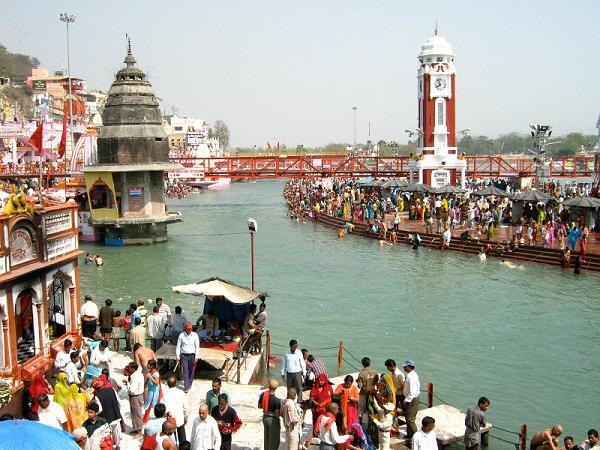
The next morning, we planned to visit the famous Hari Ki Pauri, one of the most iconic spots in Haridwar.

However, as soon as we reached the area, we were met with extremely high crowd levels. Being a weekend, the place was packed to the point where moving comfortably or enjoying the experience became difficult.

⚠️ Reality Check:

  • Weekends = Heavy rush
  • Limited space near the main ghat
  • Hard to spend a peaceful time

Instead of forcing the visit, we made a smart call to skip the ghat and explore other aspects of the city.

Exploring Street Food & Local Markets in Haridwar

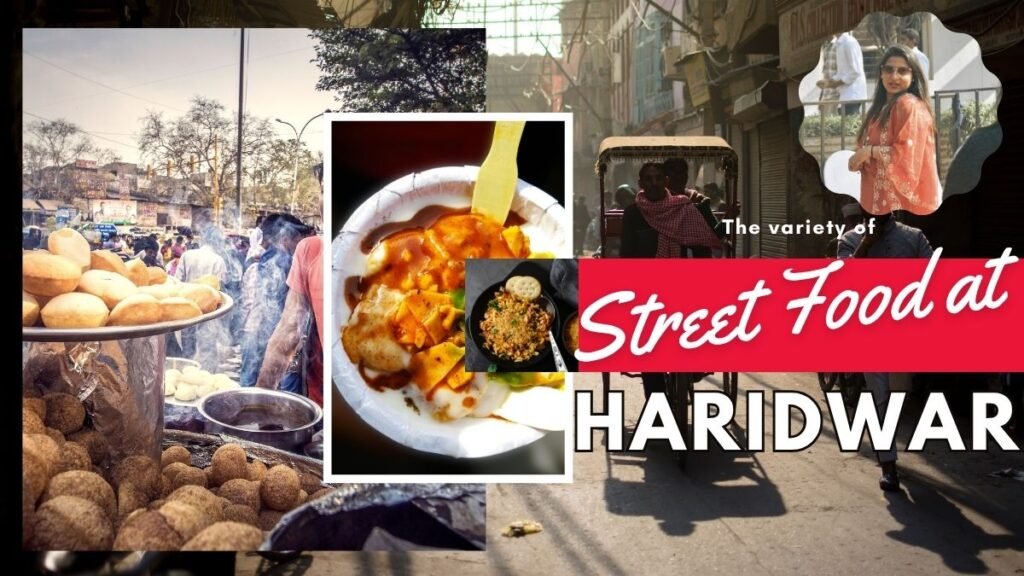
Haridwar street food

Skipping the ghat didn’t ruin the experience—in fact, it opened up another side of Haridwar.

We spent time exploring:

  • Local street food stalls 🤤
  • Small market lanes
  • Shops selling religious items & souvenirs

Must-Try Experiences:

  • Local chaat and snacks
  • Traditional sweets
  • Budget shopping for souvenirs

The streets of Haridwar have a raw, authentic charm. Even without visiting the main ghat, you can still feel the cultural and spiritual energy of the place.

Breakfast & Departure – Ending on a Full Note

After exploring the local market, we had a proper heavy breakfast, which gave us the energy to begin our return journey.

We decided to leave early to avoid traffic and make the most of the day.

  • Departure Time: 10:30 AM

Return Journey & Lunch Stop at Shiva Dhaba

The return drive was smooth and well-paced. On the way, we stopped for lunch at Shiva Dhaba, a typical highway dhaba experience.

Why this stop stood out:

  • Freshly prepared food
  • Authentic dhaba taste
  • Relaxed highway vibe

These small stops often become the most memorable parts of road trips.

Trip Ends – Back to Ghaziabad

We returned to Ghaziabad around 3:30 PM, completing the entire trip in less than 24 hours.

Despite being short, the trip felt complete—it had travel, food, exploration, and relaxation.

Detailed Budget Breakdown

Here’s an approximate cost for a similar trip:

🚗 Travel (Fuel)

₹1500–₹2500 (depending on car and fuel type)

🏨 Stay

₹800–₹1500 per night

🍜 Food

₹500–₹1000 per person

🛍️ Miscellaneous

₹300–₹500

👉 Total Estimated Cost: ₹2000–₹3500 per person

Practical Travel Tips for Haridwar Trip

  • Start early or travel in off-peak hours
  • Visit Hari Ki Pauri early morning for less crowd
  • Choose budget accommodations for short stays
  • Carry cash for local vendors
  • Keep your itinerary flexible
  • Avoid overplanning—let the trip flow naturally

Why Haridwar is Perfect for Last-Minute Travel Plans

One of the biggest advantages of choosing Haridwar for a quick getaway is its accessibility. Unlike hill stations that require detailed planning, hotel bookings, and weather checks, Haridwar is a destination that welcomes spontaneous travelers. Whether you decide in the morning or leave by afternoon, the city is always ready to offer a fulfilling experience. Therefore, your sudden budget-friendly weekend trip to Haridwar from Delhi via Meerut is a great driving experience and offers a perfect short, relaxing trip as well.

Its well-connected highways, frequent transport options, and availability of budget accommodations make it ideal for last-minute trips. You don’t need a rigid itinerary—just a rough plan is enough. This flexibility makes Haridwar stand out among other weekend destinations near Delhi NCR.

Also Read: Varanasi Trip Guide

What Makes Haridwar Different from Other Weekend Destinations

While there are many weekend destinations near Delhi NCR like Rishikesh, Mussoorie, or Nainital, Haridwar offers something unique—simplicity.

There’s no pressure to “cover” multiple tourist spots. The city doesn’t demand a packed itinerary. Instead, it allows you to slow down, observe, and absorb the surroundings.

Even a simple walk by the Ganga, a short market visit, or a peaceful moment sitting quietly can feel fulfilling. This minimalistic travel experience is what makes Haridwar stand out.

How Short Trips Improve Mental Well-Being

Even a short break from daily routine can have a significant impact on mental health. A change of environment, fresh air, and a different pace of life help reset your mind.

Trips like these provide a quick escape from work pressure, digital overload, and city chaos. The combination of travel, nature, and spirituality in Haridwar makes it even more effective for mental relaxation.

You return not just refreshed, but with a clearer mindset.

Emotional Value of Short Family Trips

In today’s fast-paced routine, long vacations are not always practical. However, short trips like this play a crucial role in maintaining strong family bonds. A 24-hour journey may seem small in duration, but the shared experiences—car conversations, food stops, and unplanned moments—create lasting memories.

What makes such trips special is the absence of pressure. There’s no checklist to complete, no strict timelines—just quality time spent together. These small escapes often turn out to be more meaningful than long, heavily planned vacations.

Weekend Trip to Haridwar from DelhiImportance of Flexible Travel Planning

One of the key learnings from this trip was the importance of staying flexible. Not everything goes as planned—crowds, weather, or time constraints can change your itinerary.

Instead of forcing plans, adapting to the situation often leads to better experiences. Skipping a crowded place and exploring something else can sometimes become the highlight of the trip.

Flexible travel not only reduces stress but also opens doors to unexpected discoveries.

Local Experiences Matter More Than Tourist Checklists

Modern travel is slowly shifting from “covering places” to “experiencing places.” This trip reinforced that idea.

Even without completing every major attraction, the experience felt complete because of small moments—walking by the river, trying local food, and exploring streets.

These local experiences often leave a deeper impact than visiting crowded tourist spots. It’s not about how many places you visit, but how well you experience them.

Final Thoughts – Why This Trip Works

This trip proves that you don’t need a long vacation to feel refreshed. A simple, well-timed road trip to Haridwar can give you a perfect mix of:

  • Spiritual calm
  • Family bonding
  • Local exploration
  • Budget travel satisfaction

Even though we couldn’t fully explore Hari Ki Pauri due to the crowd, the overall experience was still fulfilling.

Sometimes, it’s not about covering everything—it’s about enjoying whatever comes your way.

FAQs – Haridwar Weekend Trip

1. Is Haridwar suitable for a one-day or 24-hour trip?

Yes, Haridwar is perfect for a short 1-day or overnight trip, especially from Delhi NCR, Ghaziabad, and Meerut.

2. What is the best time to visit Haridwar to avoid crowds?

Early mornings on weekdays are the best. Avoid weekends and festival days if you want a peaceful experience.

3. How much does a Haridwar trip cost?

A budget trip can be completed within ₹2000–₹3500 per person, depending on travel and stay choices.

4. Is Hari Ki Pauri always crowded?

Yes, especially during weekends and evenings. For a calmer experience, visit early morning.

5. Can I travel to Haridwar by car from Ghaziabad?

Absolutely. It’s one of the best road trips near Delhi NCR, with good highway connectivity.

6. Are budget hotels easily available in Haridwar?

Yes, there are plenty of budget accommodations suitable for families and short stays.

Also Read: Top Indian Devotional Destinations to Visit in 2026

Follow us on :
Facebook
Instagram
Pinterest

The Andaman Islands are often perceived as a luxury honeymoon destination filled with high-end resorts and expensive experiences. However, with the right planning and travel strategies, it is entirely possible to explore this tropical paradise on a reasonable budget. This ultimate budget travel guide to Andaman is designed to help travelers discover the breathtaking islands without overspending while still enjoying the best attractions, beaches, and local experiences.

Located in the Bay of Bengal, the Andaman and Nicobar Islands are known for their turquoise waters, white-sand beaches, coral reefs, and dense tropical forests. These islands offer a perfect combination of adventure, relaxation, and natural beauty. From snorkeling in crystal-clear water to watching sunsets on some of Asia’s most beautiful beaches, Andaman provides unforgettable experiences for travelers of all kinds.

Budget travel in Andaman requires smart decisions regarding flights, accommodation, transportation, and activities. By choosing affordable stays, booking tickets early, and exploring local options instead of luxury packages, travelers can significantly reduce costs while still enjoying everything the islands have to offer.

In this detailed guide, you will learn about the best time to visit, cheapest ways to reach the islands, affordable accommodation options, transportation tips, food recommendations, must-visit attractions, and a practical budget itinerary. Whether you are a solo traveler, student, or backpacker, this guide will help you plan a memorable Andaman trip within a budget.

Why Andaman is Perfect for Budget Travelers

Although Andaman is known for luxury resorts and honeymoon packages, the islands also offer numerous affordable travel options that make them ideal for budget-conscious travelers. Many visitors assume that traveling to Andaman is expensive, but in reality, careful planning can make the trip surprisingly economical.

One of the major reasons why Andaman can be budget-friendly is the availability of affordable accommodation such as hostels, guesthouses, and homestays. These options allow travelers to stay comfortably while spending far less than what luxury resorts charge. Many homestays also offer local hospitality and home-cooked meals, adding authenticity to the experience.

Transportation within the islands is another factor that helps reduce costs. Government ferries connecting Port Blair, Havelock Island, and Neil Island are much cheaper than private ferry services. Travelers can also rent scooters or bicycles to explore the islands independently rather than relying on taxis.

Additionally, many of the best attractions in Andaman are natural and free to visit. Beautiful beaches, scenic viewpoints, and walking trails allow travelers to enjoy the destination without spending much money.

Reasons Andaman works well for budget travelers:

  • Affordable homestays and hostels
  • Government ferry services between islands
  • Many free beaches and attractions
  • Budget local restaurants serving fresh seafood
  • Scooter rentals for cheap local transport

With the right choices, travelers can explore the Andaman comfortably without exceeding their travel budget.
So, lets start with the ultimate budget travel guide to Andaman with the best time to visit.

Best Time to Visit Andaman on a Budget

Timing plays a crucial role when planning an affordable trip to the islands. While Andaman has pleasant weather for most of the year, certain months offer better opportunities for saving money on flights, accommodation, and activities.

The best time to visit Andaman is between October and May, when the weather remains sunny, the sea is calm, and water activities such as snorkeling and scuba diving operate smoothly. However, this period also attracts the largest number of tourists, especially during December and January.

Budget travelers should consider visiting during the shoulder months such as October, November, February, or early March. During these months, the islands experience fewer tourists compared to peak season, which often results in lower hotel prices and better flight deals.

The monsoon season between June and September brings heavy rainfall and rough seas. Many water activities shut down, and ferry schedules may get disrupted. Although hotels may offer cheaper rates during this period, travel experiences can be limited due to weather conditions.

Ideal travel seasons for budget travelers:

  • October to November – pleasant weather and moderate prices
  • February to March – fewer crowds and cheaper accommodation
  • Avoid late December and New Year’s peak pricing

Choosing the right travel season can significantly reduce overall travel expenses while ensuring a comfortable experience.

How to Reach Andaman on a Budget

Reaching the Andaman Islands requires either air or sea travel since the islands are located far from mainland India. And as we are talking about the ultimate budget travel guide to Andaman, therefore Flights are the most convenient option, but pocket-friendly only if booked early, and it depends on where you travel from, while passenger ships provide a slower but cheaper alternative.

Budget Flights to Port Blair

Veer Savarkar International Airport in Port Blair serves as the main gateway to the islands. Several airlines operate regular flights connecting the islands with major Indian cities such as Delhi, Kolkata, Chennai, and Bangalore.

Booking flight tickets early is one of the best ways to save money on your trip. Prices tend to rise significantly closer to travel dates, especially during the holiday season.

Budget flight tips:

  • Book tickets at least 2–3 months in advance
  • Use flight comparison platforms like Skyscanner
  • Consider flights from Chennai or Kolkata for lower fares
  • Travel mid-week for lower prices

Typical budget flight cost:

₹4,000 – ₹8,000 one way if booked early.

Passenger Ships to Andaman

Passenger ships operate from Chennai, Kolkata, and Visakhapatnam to Port Blair. Although they are cheaper than flights, the journey takes approximately three to four days.

Ship travel may appeal to travelers who have flexible schedules and want to experience a long sea journey.

Ship travel details:

  • Duration: 60–70 hours
  • Ticket price: ₹2,000 – ₹6,000
  • Limited monthly sailings

Most travelers prefer flights due to convenience and shorter travel time.

Budget Accommodation in Andaman

Accommodation can be one of the biggest expenses during travel, but Andaman offers plenty of budget-friendly options. Travelers can easily find affordable stays without compromising on comfort.

Budget accommodation options include hostels, homestays, guesthouses, and small hotels. These places often provide basic amenities such as clean rooms, Wi-Fi, and proximity to popular attractions.

Budget Stays in Port Blair

Port Blair is the capital city and the first stop for most visitors. Staying near the city center allows easy access to markets, restaurants, and ferry terminals.

Recommended budget areas:

  • Aberdeen Bazaar
  • Phoenix Bay
  • Junglighat

Typical price range:

  • Hostels: ₹400 – ₹700
  • Budget hotels: ₹900 – ₹1500
  • Homestays: ₹1000 – ₹2000

Budget Accommodation in Havelock Island

Havelock Island (officially Swaraj Dweep) is famous for its stunning beaches and water activities. Budget travelers can find affordable guesthouses close to Govind Nagar Beach.

Popular budget areas:

  • Govind Nagar
  • Beach No. 3 area

Average prices:

  • Budget hotels: ₹1000 – ₹2000
  • Backpacker hostels: ₹500 – ₹800

Booking accommodations in advance during tourist season is recommended.

Transportation in Andaman for Budget Travelers

Getting around the islands can be economical if travelers choose the right transport options. Public ferries and rented scooters help minimize travel costs.

Government Ferries Between Islands

Government ferries connect Port Blair, Havelock Island, and Neil Island at significantly lower prices than private ferries.

Typical ferry ticket prices:

  • Port Blair → Havelock: ₹500 – ₹900
  • Havelock → Neil Island: ₹400 – ₹800
  • Neil Island → Port Blair: ₹500 – ₹1000

Tickets can be booked through the Directorate of Shipping Services website or at ferry counters.

Local Transport Options

Once on the islands, travelers can explore using budget-friendly local transportation.

Common transport options:

  • Scooter rental: ₹400 – ₹600 per day
  • Bicycles for short distances
  • Shared auto rickshaws
  • Local buses in Port Blair

Scooters are the most popular choice among travelers as they provide flexibility and affordability.

Best Budget Things to Do in Andaman

Andaman is full of natural attractions and activities that do not require large spending. Many of the islands’ highlights can be experienced at little or no cost.

Radhanagar Beach

Radhanagar Beach on Havelock Island is widely considered one of the most beautiful beaches in Asia. The beach features soft white sand, turquoise water, and breathtaking sunsets.

Entry fee: Free

Best activities:

  • Swimming
  • Beach walks
  • Sunset photography

Elephant Beach Snorkeling

Elephant Beach is a popular location for snorkeling due to its vibrant coral reefs and marine life.

Activity highlights:

  • Beginner-friendly snorkeling
  • Colorful coral reefs
  • Clear water visibility

Average price: ₹500 – ₹1000

Cellular Jail Light and Sound Show

The Cellular Jail in Port Blair is an important historical monument connected to India’s freedom struggle. The evening light and sound show narrates the stories of freedom fighters imprisoned there.

Ticket price: around ₹300

Budget Food Guide in Andaman

When talking about the ultimate budget travel guide to the Andaman, how can we miss the flavours and cuisines that should be must-haves on your to-do list and probably what could be the budget per day?
I must say that the food expenses can remain reasonable if travelers choose local restaurants rather than high-end beach cafés. Andaman offers delicious seafood and South Indian cuisine at affordable prices.

Local eateries in Port Blair and smaller island restaurants provide freshly cooked meals using locally sourced ingredients.

Average meal prices:

  • Local meal: ₹120 – ₹250
  • Seafood dish: ₹300 – ₹500
  • Snacks and street food: ₹50 – ₹150

Popular budget food areas include:

  • Aberdeen Bazaar in Port Blair
  • Small eateries in Govind Nagar, Havelock
  • Local restaurants near Bharatpur Beach in Neil Island

Must-try dishes:

  • Fish curry and rice
  • Prawn masala
  • Coconut-based seafood curries
  • Banana chips and local snacks

Eating at local establishments helps travelers save money while enjoying authentic flavors.

Day Budget Andaman Itinerary

A well-planned itinerary helps travelers maximize experiences while minimizing unnecessary expenses.

Day 1 – Arrival in Port Blair

  • Check into a budget hotel
  • Visit Cellular Jail
  • Attend Light and Sound Show

Day 2 – Travel to Havelock Island

  • Ferry from Port Blair to Havelock
  • Visit Radhanagar Beach

Day 3 – Water Activities

  • Snorkeling at Elephant Beach
  • Explore Govind Nagar cafés

Day 4 – Neil Island Exploration

  • Ferry to Neil Island
  • Visit Bharatpur Beach and Natural Bridge

Day 5 – Return to Port Blair

  • Explore local markets
  • Souvenir shopping
  • Departure

This itinerary balances sightseeing and relaxation while maintaining an affordable travel budget.

Estimated Budget for a 5 Day Trip

Planning finances ahead helps travelers avoid unexpected expenses during the trip.

Approximate cost breakdown:

Flights: ₹7000 – ₹12000

Accommodation: ₹3000 – ₹5000

Food: ₹2000 – ₹3000

Ferry transport: ₹2000

Activities: ₹1500 – ₹3000

Total estimated cost:

₹15,000 – ₹25,000 per person.

Traveling with friends and sharing rooms can further reduce expenses.

Essential Budget Travel Tips for Andaman

Budget travel to the Andaman becomes much easier when travelers follow a few practical tips.

Important travel tips:

  • Book flights early to secure lower fares
  • Carry sufficient cash as ATMs may be limited on smaller islands
  • Use government ferries instead of private operators
  • Rent scooters instead of taxis for local travel
  • Avoid peak holiday season pricing

Planning allows travelers to enjoy Andaman’s beauty without overspending.

Conclusion

The Andaman Islands offer a rare combination of tropical beauty, rich history, and exciting water activities. While many people assume that visiting these islands requires a luxury budget, the reality is quite different. With proper planning, affordable accommodation, and smart travel choices, exploring this island paradise can be surprisingly budget-friendly.

This ultimate budget travel guide to Andaman demonstrates that travelers can enjoy crystal-clear beaches, vibrant marine life, and unforgettable sunsets without spending excessively. By booking flights early, choosing budget stays, using government ferries, and exploring local restaurants, visitors can experience the best of Andaman while keeping expenses under control.

Whether you are planning your first island adventure, a solo backpacking trip, or a memorable getaway with friends, Andaman provides a perfect destination filled with natural wonders and unique experiences. With the tips and itinerary provided in this guide, you can confidently plan a budget-friendly Andaman trip that delivers incredible value and unforgettable memories.

Below are a few Frequently Asked Questions for the ultimate budget travel guide to Andaman.

Frequently Asked Questions

1 What is the minimum budget required for an Andaman trip?

A budget trip to Andaman can cost anywhere between ₹15,000 to ₹25,000 per person for 4–5 days, depending on how early you book flights and the type of accommodation you choose. Flights usually make up the largest portion of the budget, ranging from ₹7,000 to ₹12,000 if booked in advance. Budget hotels or hostels cost around ₹500 to ₹1500 per night, while food expenses can remain under ₹500 per day if you eat at local restaurants. Transportation between islands using government ferries costs significantly less than private ferries. By choosing homestays, renting scooters instead of taxis, and avoiding peak season travel, you can easily experience Andaman on a limited budget.

2 Which is the cheapest month to visit Andaman?

The cheapest months to visit Andaman are usually October, early November, February, and early March. These months fall in the shoulder travel season when tourist crowds are relatively lower compared to the peak winter holiday period. During these times, airlines often offer lower ticket prices and hotels provide discounted room rates. Travelers who avoid peak travel periods such as Christmas, New Year, and long weekends can significantly reduce their overall trip cost. Additionally, the weather during these months remains pleasant with calm seas, making it ideal for water activities like snorkeling and island hopping without paying peak season prices.

3 Is Andaman cheaper than Maldives?

Yes, Andaman is significantly cheaper than the Maldives while offering similar tropical island experiences. Both destinations feature white sandy beaches, crystal-clear waters, and excellent marine life. However, the Maldives is primarily known for luxury resorts and private islands, which can make travel extremely expensive. In contrast, Andaman offers a wide range of budget accommodations, affordable local restaurants, and government ferry transportation between islands. Travelers can enjoy activities such as snorkeling, beach hopping, and exploring coral reefs at much lower prices. This makes Andaman an ideal destination for travelers who want a tropical island vacation without the high costs associated with the Maldives.

4 How many days are enough to explore Andaman?

A trip of 5 to 6 days is generally enough to explore the major attractions of Andaman comfortably. During this time, travelers can visit Port Blair, Havelock Island, and Neil Island, which are among the most popular destinations in the archipelago. A typical itinerary includes exploring historical landmarks like Cellular Jail in Port Blair, relaxing at Radhanagar Beach in Havelock, enjoying snorkeling at Elephant Beach, and visiting the Natural Bridge in Neil Island. While shorter trips of three days are possible, they may feel rushed. Spending five to six days allows travelers to enjoy the beaches, water activities, and scenic beauty at a relaxed pace.

5 Is Andaman safe for solo travelers?

Yes, Andaman is considered one of the safest travel destinations in India, including for solo travelers. The islands have a peaceful environment, friendly locals, and relatively low crime rates compared to many mainland tourist destinations. Tourist areas such as Port Blair, Havelock Island, and Neil Island are well-developed and frequently visited by domestic and international travelers. Basic safety precautions, such as avoiding isolated areas late at night, keeping valuables secure, and following local guidelines for water activities, should still be followed. Solo travelers often find Andaman a welcoming destination with beautiful landscapes and a relaxed island culture.


Also, give a read:
15 Best Mountain Destinations in India
Top Indian Devotional Destinations to Visit in 2026

Do Follow us on:
Facebook
Instagram
Pinterest

The Budget Fashion Tips for 2026 Brides – Look Stunning Without Overspending

Weddings in India are grand celebrations filled with rituals, vibrant colors, and multiple ceremonies. However, with rising wedding costs, brides today are becoming smarter about how they spend on fashion. The modern bride in 2026 is focused on style, sustainability, and budget-conscious choices rather than splurging on designer outfits that might be worn only once.

Fortunately, looking stunning on your big day doesn’t necessarily mean spending lakhs on bridal wear. With smart planning, thoughtful styling, and creative shopping strategies, brides can curate a gorgeous wedding wardrobe while staying within a budget.

This guide on Budget Fashion Tips for 2026 Brides will walk you through everything you need to know — from choosing outfits for different wedding functions to selecting dresses based on wedding season, venue, cultural traditions, and time of day. You will also discover practical tips like renting bridal outfits, mixing designer pieces with affordable fashion, and reusing heirloom garments.

Whether you are planning a traditional Indian wedding, a modern minimal ceremony, or a destination celebration, these budget-friendly fashion strategies will help you achieve a dreamy bridal look without financial stress.

Why Budget Bridal Fashion is Trending in 2026

Bridal fashion trends are evolving rapidly, and 2026 brides are embracing a smarter and more conscious approach to wedding fashion. Instead of spending excessively on designer labels, many brides are focusing on value, versatility, and sustainability. Social media, fashion influencers, and sustainable fashion movements have also encouraged brides to rethink how they invest in their wedding wardrobe.

Budget bridal fashion doesn’t mean compromising on elegance. In fact, many affordable brands today offer stunning bridal collections inspired by luxury couture. Brides are also exploring options like outfit rentals, custom tailoring, and mix-and-match styling to achieve a premium look at a fraction of the cost.

Another major shift is the emphasis on reusable bridal outfits. Brides now prefer ensembles that can be styled differently and worn again at festivals or family events.

Key Reasons Budget Bridal Fashion is Popular

  • Rising wedding expenses across venues, catering, and décor
  • Increased availability of affordable designer-inspired bridal wear
  • The sustainable fashion movement encourages outfit reuse
  • Popularity of bridal outfit rentals
  • Influence of minimal and intimate wedding trends
  • Greater awareness of smart shopping strategies
  • Brides prioritizing experiences over excessive spending

Planning Your Wedding Outfit Budget Wisely

Before buying any bridal outfits, it’s important to set a clear fashion budget. Many brides unknowingly overspend because they purchase outfits impulsively without a proper plan. A well-structured fashion budget allows you to distribute expenses across different ceremonies while ensuring you still achieve your dream bridal look.

Start by identifying how many wedding events you will have. Traditional Indian weddings usually include ceremonies like Haldi, Mehendi, Sangeet, Wedding, and Reception. Each event requires a different outfit, but that doesn’t mean each outfit needs to be expensive.

You can allocate a larger portion of your budget to the main wedding attire while keeping other outfits simpler yet stylish.

Smart Budget Allocation Tips

  • Allocate 40–50% of the budget to the main bridal outfit
  • Keep Mehendi and Haldi outfits affordable and lightweight
  • Consider renting heavy outfits for Sangeet or Reception
  • Set aside funds for accessories and footwear
  • Plan makeup and hairstyling costs separately
  • Look for festive sales and bridal discounts
  • Avoid last-minute purchases that inflate costs

Budget Bridal Outfit Ideas for Different Wedding Functions

Indian weddings are multi-day celebrations, and each ceremony has its own dress code. Instead of purchasing expensive outfits for every event, brides can creatively plan stylish yet affordable looks for each function.

Choosing outfits that align with the mood and rituals of each ceremony will help maintain authenticity while allowing you to control costs effectively.

Mehendi Ceremony Outfit Ideas

The Mehendi ceremony is lively, colorful, and filled with music and laughter. Since this function involves sitting for long hours while henna is applied, brides should prioritize comfort and light fabrics over heavy embroidery.

Rather than investing in a heavy designer lehenga, you can opt for bright Indo-western outfits or flowy skirts paired with stylish blouses.

Budget Mehendi Outfit Ideas

  • Floral lehengas with lightweight embroidery
  • Mirror work skirts with crop tops
  • Anarkali suits in vibrant colors
  • Indo-western co-ord sets
  • Sharara sets with minimal embroidery
  • Sustainable outfits made from organic fabrics

Haldi Ceremony Outfit Ideas

Haldi ceremonies are playful and messy, which means spending heavily on this outfit isn’t necessary. Many brides choose simple yellow or pastel outfits that can easily be cleaned or reused later.

Natural fabrics like cotton, linen, or chiffon work best for Haldi ceremonies.

Budget Haldi Outfit Ideas

  • Yellow cotton lehenga with dupatta
  • Floral printed saree
  • Simple sharara set
  • Short kurti with skirt
  • Lightweight anarkali suit
  • DIY floral jewelry to enhance the look

Sangeet Ceremony Outfit Ideas

The Sangeet ceremony is all about dance, music, and celebration. Brides often choose glamorous outfits for this event, but you don’t necessarily need a high-end designer ensemble to shine.

Instead, focus on trendy silhouettes and statement styling.

Budget Sangeet Outfit Ideas

  • Sequin lehenga from affordable brands
  • Indo-western gown
  • Fusion saree with belt
  • Cape lehenga sets
  • Pre-draped sarees
  • Renting designer outfits for the event

Wedding Day Bridal Outfit Ideas

The wedding outfit is the most significant attire for any bride. Traditionally, brides opt for elaborate lehengas or sarees featuring rich embroidery and luxurious fabrics.

However, brides on a budget can still achieve a royal look by exploring smart alternatives.

Budget Wedding Outfit Tips

  • Choose minimal embroidery lehengas with rich fabrics
  • Shop from local bridal markets instead of luxury boutiques
  • Rent designer bridal lehengas
  • Buy pre-loved bridal outfits
  • Mix heirloom jewelry with modern attire
  • Consider lightweight silk sarees as bridal wear

Reception Outfit Ideas

Reception outfits are typically glamorous and modern, making them a great opportunity to experiment with different styles.

Instead of another expensive lehenga, brides can opt for elegant gowns or contemporary fusion outfits.

Budget Reception Outfit Options

  • Floor-length evening gowns
  • Satin or velvet sarees
  • Indo-western lehengas
  • Tailored pant-suit sets
  • Designer rental gowns

Choosing Bridal Outfits Based on Wedding Season

India experiences diverse climates, so selecting bridal outfits according to the wedding season is crucial. The right fabrics, colors, and silhouettes will not only enhance your comfort but also elevate your overall bridal look.

Seasonal outfit planning also helps avoid unnecessary spending on heavy fabrics that might feel uncomfortable in certain weather conditions.

Summer Wedding Outfit Tips

Summer weddings require breathable fabrics and lightweight embroidery to keep brides comfortable throughout the ceremony.

Best Budget Fabrics for Summer Weddings

  • Chiffon
  • Organza
  • Cotton silk
  • Georgette
  • Linen blends

Summer Bridal Fashion Tips

  • Choose pastel color palettes
  • Avoid heavy velvet or brocade fabrics
  • Opt for lightweight jewelry
  • Select minimal embroidery

Winter Wedding Outfit Tips

Winter weddings allow brides to experiment with luxurious fabrics and deeper color palettes.

Best Fabrics for Winter Weddings

  • Velvet
  • Silk
  • Brocade
  • Raw silk

Winter Bridal Fashion Tips

  • Layer outfits with stylish shawls
  • Choose darker jewel tones
  • Wear statement jewelry
  • Consider long-sleeve blouses

Monsoon Wedding Outfit Tips

Monsoon weddings require practical styling choices to avoid discomfort due to humidity or unexpected rain.

Monsoon Bridal Fashion Tips

  • Choose lightweight fabrics
  • Avoid long trailing lehengas
  • Opt for waterproof makeup
  • Wear comfortable footwear

Selecting Outfits Based on Wedding Time

The time of day when your wedding takes place can greatly influence your bridal outfit choices. Lighting conditions, venue ambiance, and photography aesthetics all play a role in determining the most suitable colors and fabrics.

Day weddings often feature soft natural lighting, making pastel shades and minimal embroidery look elegant. In contrast, evening weddings allow brides to wear darker hues, metallic accents, and glamorous embellishments that stand out under artificial lighting.

By aligning your outfit choices with the wedding schedule, you can achieve a balanced look while avoiding unnecessary expenses on heavy designs that might not suit the event’s atmosphere.

Day Wedding Fashion Tips

  • Choose pastel shades like peach, mint, or powder blue
  • Prefer lightweight embroidery
  • Select floral or minimal jewelry
  • Opt for breathable fabrics like organza or chiffon

Evening Wedding Fashion Tips

  • Choose deep colors like maroon, emerald, navy, or wine
  • Wear statement jewelry pieces
  • Opt for richer fabrics such as velvet or silk
  • Consider dramatic dupatta draping styles

Budget-Friendly Bridal Shopping Destinations in India

India is home to numerous wedding shopping destinations where brides can find stunning outfits at affordable prices. From bustling street markets to wholesale bridal hubs, there are endless options for brides who want designer-inspired outfits without spending excessively.

These markets offer a wide variety of lehengas, sarees, gowns, and accessories at competitive prices. Many boutiques also provide customization services, allowing brides to tailor their outfits according to personal preferences and budgets.

Popular Budget Bridal Shopping Markets

  • Chandni Chowk (Delhi)
  • Lajpat Nagar Market (Delhi)
  • Commercial Street (Bangalore)
  • Johari Bazaar (Jaipur)
  • Crawford Market (Mumbai)
  • Charminar Market (Hyderabad)

Smart Styling Tricks to Make Budget Outfits Look Expensive

A bridal outfit doesn’t have to be extremely expensive to look luxurious. With the right styling techniques, even a modestly priced ensemble can appear elegant and designer-inspired.

Accessories, makeup, hairstyle, and dupatta draping all play a major role in elevating the final bridal look. Brides who invest wisely in styling elements often achieve a premium appearance without overspending on clothing.

Budget Styling Hacks

  • Invest in statement jewelry pieces
  • Experiment with creative dupatta draping styles
  • Choose professional bridal makeup
  • Use embellished belts for sarees or lehengas
  • Style hair with floral accessories
  • Pair outfits with elegant footwear

Sustainable and Reusable Bridal Fashion Ideas

Sustainability has become a major focus in the fashion industry, and bridal fashion is no exception. Many brides are now choosing eco-friendly wedding outfits that can be reused or repurposed after the ceremony.

Sustainable bridal fashion focuses on minimizing waste while maximizing versatility. Instead of purchasing multiple heavy outfits, brides can invest in timeless designs that can be restyled for future occasions.

Sustainable Bridal Fashion Tips

  • Rent bridal outfits instead of purchasing
  • Repurpose family heirloom sarees
  • Choose versatile lehengas that can be restyled
  • Support sustainable fashion brands
  • Donate or resell wedding outfits

Common Budget Bridal Fashion Mistakes to Avoid

Even with careful planning, brides sometimes make mistakes that lead to unnecessary expenses. Understanding these common pitfalls can help brides manage their fashion budgets effectively while still achieving their dream wedding look.

Impulse buying, over-customization, and ignoring comfort are some of the most frequent mistakes brides make while shopping for wedding outfits.

Mistakes to Avoid

  • Buying outfits without a clear wedding plan
  • Overspending on designer labels
  • Ignoring comfort and practicality
  • Purchasing too many outfits unnecessarily
  • Forgetting to budget for accessories and alterations

Final Thoughts

Planning bridal fashion on a budget doesn’t mean compromising on style or elegance. With the right approach, brides can create stunning wedding looks that reflect their personality, culture, and wedding theme while staying within financial limits.

The key is to prioritize smart shopping, versatile outfits, and thoughtful styling. By considering factors such as wedding season, ceremony type, venue, and time of day, brides can make informed fashion decisions that enhance both comfort and aesthetics.

In 2026, the modern bride is confident, conscious, and creative. She understands that true bridal beauty lies not in the price of the outfit but in how gracefully it is styled and worn.

By following these Budget Fashion Tips for 2026 Brides, you can walk down the aisle looking radiant, stylish, and completely stress-free about your wedding wardrobe.

FAQs 

1. How can brides plan wedding outfits on a budget?

Brides can plan wedding outfits on a budget by allocating their fashion budget wisely across all ceremonies, prioritizing the main wedding outfit, and choosing affordable alternatives for other events like Mehendi and Haldi. Renting designer outfits, shopping during festive sales, exploring local bridal markets, and reusing family heirloom garments are effective ways to reduce costs without compromising style.

2. What is the average budget for bridal outfits in India?

The average budget for bridal outfits in India typically ranges between ₹40,000 and ₹2,00,000 depending on the wedding scale. Budget-conscious brides often spend around ₹50,000–₹80,000 by purchasing a primary bridal outfit and choosing affordable options for other wedding ceremonies.

3. Where can brides buy affordable bridal lehengas in India?

Brides looking for affordable bridal lehengas can explore popular markets such as Chandni Chowk in Delhi, Johari Bazaar in Jaipur, Lajpat Nagar Market in Delhi, Crawford Market in Mumbai, and Commercial Street in Bangalore. These markets offer designer-inspired bridal outfits at much lower prices.

4. Is renting bridal outfits a good option?

Yes, renting bridal outfits is an excellent option for brides who want to wear designer ensembles without spending a large amount of money. Rental platforms allow brides to wear premium designer outfits for a fraction of the purchase cost, making it a budget-friendly and sustainable choice.

5. How can brides make affordable wedding outfits look expensive?

Affordable wedding outfits can look luxurious with the right styling. Brides can elevate their look by investing in statement jewelry, experimenting with elegant dupatta draping styles, choosing professional makeup and hairstyling, and selecting high-quality fabrics even if the embroidery is minimal.

6. Which fabrics are best for budget bridal outfits?

Some of the best fabrics for budget bridal outfits include georgette, chiffon, organza, cotton silk, and raw silk. These fabrics provide an elegant appearance while being more affordable than heavily embroidered designer fabrics.

7. What are the biggest bridal fashion trends for 2026?

The biggest bridal fashion trends for 2026 include sustainable bridal wear, pastel bridal lehengas, lightweight embroidery, rental bridal outfits, mix-and-match bridal styling, and minimalistic bridal fashion inspired by modern elegance.

Also, give a read:
15 Best Mountain Destinations in India
Top Indian Devotional Destinations to Visit in 2026

Follow us on:
Facebook
Instagram
Pinterest