Category

Lifestyle

Category

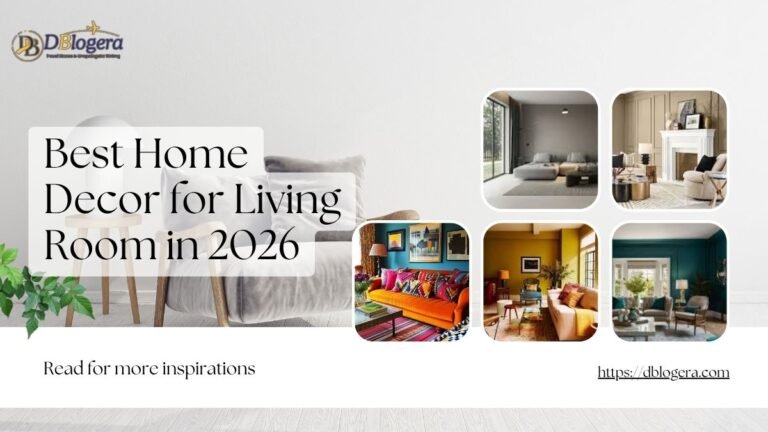
In 2026, home decor for living room focuses on creating a balance between comfort, functionality, and modern aesthetics ✨ Soft neutral shades such as beige, warm grey, sage green, and earthy tones are highly preferred because they create a calm and welcoming atmosphere. Furniture trends highlight curved sofas, modular seating, natural wood finishes, and textured fabrics that add warmth to the space. Decorative elements like statement wall art, layered lighting, indoor plants, and minimalist shelves help personalize the room while keeping it elegant and uncluttered. Smart lighting and multifunctional furniture are also becoming essential, allowing living rooms to adapt easily to daily living, entertainment, and relaxation.

Why Home Decor for the Living Room in 2026 Is Becoming More Important Than Ever

The living room has evolved far beyond its traditional role as a simple sitting area. In 2026, it represents the emotional center of the home, the most visible expression of personal taste, and one of the most multifunctional spaces in modern interior design. Families use the living room for relaxation, social interaction, entertainment, hybrid work, reading, digital engagement, and even wellness routines. Because of this expanded role, home decor for living room in 2026 is no longer just about visual beauty; it is about creating a balanced environment where comfort, utility, aesthetics, and technology work together.

A well-designed living room today must respond to changing lifestyles. People now want interiors that feel calm but expressive, minimal but warm, modern but timeless. Rather than copying a single design style, homeowners are blending multiple inspirations to create personalized spaces. Scandinavian softness, Japanese minimalism, earthy natural tones, sustainable materials, subtle luxury, and smart integration all influence living room decor choices in 2026.

One major shift this year is the move away from excessive decoration. Instead of filling a room with many small decorative items, homeowners are choosing fewer but more intentional pieces. Large statement furniture, textured fabrics, sculptural lighting, natural materials, and layered neutrals are defining contemporary living spaces.

Another important trend is emotional functionality. Every object in the living room is expected to serve either a visual purpose, comfort, or storage. Decorative decisions are now more thoughtful because people want interiors that remain relevant for years rather than following temporary trends.

A successful living room in 2026 should achieve:

  • Visual comfort
  • Practical furniture flow
  • Sustainable choices
  • Soft and layered lighting
  • Natural textures
  • Smart technology integration
  • Flexible design for changing needs

This complete guide explains every important aspect of home decor for living room in 2026 in detail so that you can build a space that feels modern, elegant, and deeply livable ✨🏡

Living Room Color Trends in 2026: Warm Tones, Earthy Elegance, and Layered Neutrals

Color remains the strongest foundation of living room styling because it influences mood, visual depth, and the emotional energy of a space. In 2026, color trends are moving strongly toward soft warmth, natural earth tones, and layered neutrals that create calm interiors without looking plain.

The sharp white-and-grey palette that dominated many interiors in previous years is now being softened. Instead of cool whites and harsh monochromes, homeowners are choosing warmer backgrounds such as creamy ivory, sand beige, muted taupe, mushroom grey, and clay-inspired tones. These colors help a room feel welcoming while remaining timeless.

Nature continues to inspire the strongest palettes. Green shades are particularly important because biophilic design has become central to interior planning. Soft sage, olive green, eucalyptus, moss, and muted forest tones are now common in walls, upholstery, cushions, and decorative accents.

Deep accents are also being introduced carefully. Instead of overwhelming a room, darker colors now appear in small controlled layers through accessories, side chairs, artwork, or curtains.

Most Popular Living Room Colors in 2026

The strongest colors dominating living room interiors include:

  • Warm beige
  • Soft taupe
  • Mushroom grey
  • Sage green
  • Dusty olive
  • Terracotta
  • Muted rust
  • Cream ivory
  • Soft clay
  • Warm charcoal

These colors work especially well because they complement natural materials like wood, linen, stone, cotton, and ceramic finishes.

Best Color Combinations for Modern Living Rooms

Some combinations are especially successful because they create harmony naturally:

  • Beige + olive green + walnut wood
  • Ivory + clay + matte black
  • Warm grey + cream + brass
  • Sand + terracotta + oak wood
  • Soft green + linen white + dark brown

How to Use Accent Colors Correctly

Accent colors should never dominate the room completely. Instead, use them in carefully repeated layers:

  • Cushions
  • Throws
  • Rugs
  • Lampshades
  • Art frames
  • Decorative ceramics

Repeating one accent tone at least three times helps create visual consistency.

Sofa Trends in 2026: Comfort-Led Design with Soft Modern Forms
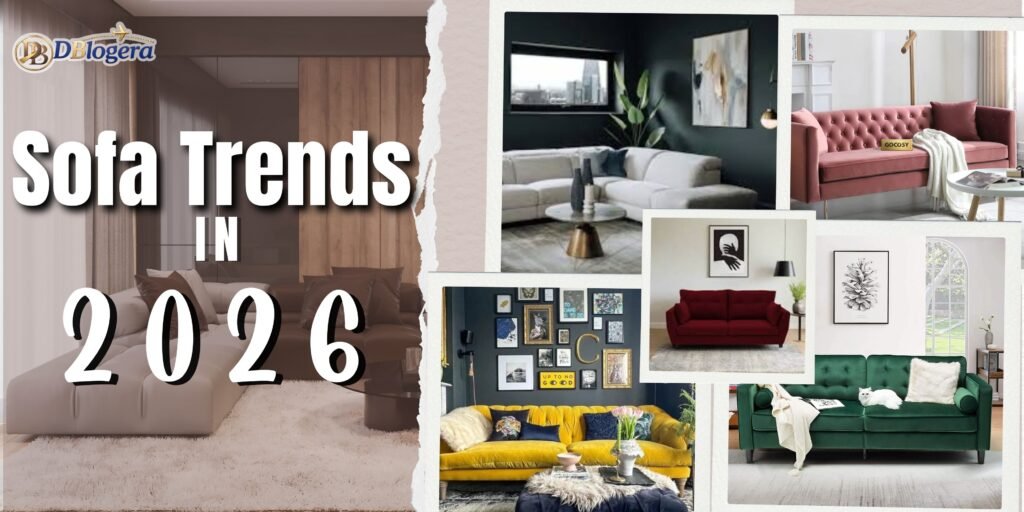
Trending Sofa -Home Decor For Living Room in 2026

The sofa remains the visual anchor of the living room, and in 2026, sofa trends are strongly driven by comfort, softness, and sculptural simplicity. Instead of stiff formal designs, modern sofas now prioritize deeper seating, softer silhouettes, rounded edges, and modular flexibility.

Large formal sofas with sharp edges are being replaced by curved sofas and modular seating systems that adapt easily to modern lifestyles. Homeowners want furniture that supports daily comfort, family gatherings, reading, streaming, and relaxed conversation.

The biggest shift this year is softness in form. Rounded arms, low profiles, deep cushions, and smooth corners create a calm atmosphere.

Trending Sofa Shapes in 2026

The most popular sofa designs include:

  • Curved sofas
  • L-shaped modular sofas
  • Rounded corner sectionals
  • Deep-seated lounge sofas
  • Low-profile Scandinavian sofas

Curved sofas are particularly popular because they visually soften rectangular rooms and create a more inviting seating environment.

Best Sofa Fabrics for 2026

Texture matters as much as shape.

Top sofa fabrics include:

  • Bouclé
  • Linen blends
  • Sustainable woven cotton
  • Soft velvet
  • Recycled upholstery fabrics

Textured fabric adds visual richness even when colors remain neutral.

Most Popular Sofa Colors

Neutral tones dominate because they offer longevity:

  • Cream
  • Beige
  • Warm grey
  • Soft olive
  • Light taupe
  • Dusty clay

Sofa Styling Essentials

To style a sofa properly:

  • Use 3 to 5 cushions in mixed textures
  • Add one soft throw blanket
  • Balance both sides visually
  • Avoid too many contrasting prints

A sofa should feel inviting rather than overloaded.

Coffee Table Styling Ideas for Living Room in 2026

Coffee tables have become decorative focal points rather than purely functional furniture. In 2026, coffee table styling emphasizes sculptural simplicity, natural materials, and curated accessories.

Rather than traditional heavy rectangular tables, homeowners are increasingly choosing softer forms.

Trending Coffee Table Materials

Most popular materials:

  • Marble finish
  • Travertine
  • Light oak wood
  • Smoked glass
  • Matte black metal
  • Sustainable natural wood

Popular Shapes in 2026

Coffee table forms include:

  • Round tables
  • Oval tables
  • Organic irregular shapes
  • Nested table combinations

Round tables improve movement in smaller living rooms and soften furniture layouts.

Ideal Coffee Table Styling Formula

A balanced coffee table should include:

  • One decorative tray
  • Two stacked books
  • One ceramic vase
  • One sculptural object
  • Candle or diffuser

Avoid clutter because empty space creates luxury.

Wall Decor Trends in 2026: Statement Simplicity with Personal Character

Home Decor for Living Room in 2026 focuses on wall decor as it is becoming more intentional. Rather than filling every wall with multiple frames, homeowners now prefer fewer but larger visual statements.

Large-scale wall styling creates sophistication and reduces visual noise.

Best Wall Decor Choices in 2026

Popular options include:

  • Large abstract artwork
  • Textured canvas
  • Sculptural mirrors
  • Floating wood shelves
  • Wall molding
  • Fabric wall panels

Oversized Art Trend

One oversized artwork often performs better than multiple small frames.

Best art styles:

  • Neutral abstract forms
  • Nature-inspired textures
  • Minimal line drawings
  • Monochrome canvas art

Mirror Styling for Living Rooms

The home decor for Living Room in 2026 also focuses on Mirrors remaining one of the most powerful because they:

  • Reflect light
  • Expand visual space
  • Add elegance

Trending mirror styles:

  • Organic irregular mirrors
  • Arched mirrors
  • Thin metal-framed mirrors

Floating Shelf Styling

Shelves should contain:

  • Books
  • Small plants
  • Ceramic objects
  • Framed memories
  • Minimal sculptures

Balance is essential.

Lighting Design for Living Room in 2026: Layered Warmth and Mood Control

Lighting defines the emotional atmosphere of a living room more than any other element. In 2026, lighting design focuses on layering instead of depending on a single ceiling fixture. Therefore, Lighting is one of the major factors of home decor for Living Room in 2026. here below are a few modern living rooms that need three levels of lighting:

Ambient Lighting

This is the main base lighting.

Best options:

  • Soft ceiling fixtures
  • Hidden LED strips
  • Modern chandeliers

Task Lighting

Task lighting supports reading or focused activities.

Use:

  • Floor lamps
  • Reading lamps
  • Table lamps

Accent Lighting

Accent lighting creates depth.

Examples:

  • Shelf lighting
  • Wall washers
  • Decorative lamp corners

Best Light Temperature for Living Rooms

Warm light dominates because it feels comfortable.

Ideal temperature:

  • 2700K to 3000K

Warm light improves softness in fabrics and colors.

Rugs in Living Room Decor 2026: Texture First, Pattern Second

Rugs now function as layout anchors rather than decorative afterthoughts.

Best Rug Materials

Popular rug materials:

  • Wool blends
  • Cotton weave
  • Jute combinations
  • Sustainable fibers

Trending Rug Colors

Preferred shades:

  • Sand
  • Beige
  • Stone grey
  • Warm ivory
  • Muted terracotta

Correct Rug Size Rule

A rug should:

  • Extend beneath the front sofa legs
  • Cover seating zone
  • Anchor coffee table fully

Too-small rugs weaken the room visually.

Curtains and Window Styling for 2026 Living Rooms

Curtains define softness and vertical elegance. Therefore, when planning the home decor for Living Room in 2026, curtains should not be ignored at all.

Best Curtain Fabrics

Trending fabrics:

  • Linen
  • Cotton blends
  • Sheer layered panels

Curtain Color Trends

Most preferred colors:

  • Ivory
  • Beige
  • Soft grey
  • Light olive

Curtain Length Rule

Curtains should:

  • Reach the floor fully
  • Slightly pool for a premium look

Long curtains visually increase room height.

Plants and Natural Elements in Living Room Decor 2026

Natural decor continues dominating interior design because it adds life and calmness.

Best Indoor Plants for Living Rooms

Popular indoor plants include:

  • Monstera deliciosa
  • Fiddle-leaf fig
  • Snake plant
  • Areca palm

Styling Plants Effectively

Use plants in:

  • Floor corners
  • Side tables
  • Shelf arrangements
  • Window zones

Mix heights for depth.

Smart Living Room Decor in 2026

Technology is now integrated invisibly into decor. Therefore, planning your home decor for Living Room in 2026 doesnt ask to pay more, but definitely planning smartly.

Smart Features for Modern Living Rooms

Useful smart additions:

  • Smart lighting systems
  • Voice control speakers
  • Hidden charging stations
  • Smart curtains

Smart Decor Rule

Technology should remain visually subtle.

Small Living Room Decor Ideas for 2026

Small living rooms need visual expansion.

Best Strategies

Use:

  • Light tones
  • Raised-leg furniture
  • Mirrors
  • Vertical storage

Small Room Furniture Choices

Best options:

  • Nested tables
  • Storage ottomans
  • Floating shelves

Luxury Living Room Decor Trends in 2026

Luxury now means refinement rather than excess. Follow the tips below when planning your home decor for Living Room in 2026.

Luxury Materials

Use:

  • Marble
  • Walnut wood
  • Brass accents
  • Bouclé upholstery

Luxury Styling Rule

Fewer premium pieces create a stronger impact.

Budget-Friendly Living Room Decor Upgrades in 2026

Even affordable changes create a major transformation.

Best Budget Upgrades

Most effective:

  • New cushions
  • Better curtains
  • Wall repaint
  • New lamp
  • One statement mirror

Highest Visual Impact on Low Budget

Prioritize:

  • Lighting
  • Rug
  • Wall art
  • Plant styling

Final Living Room Checklist for 2026

So, in my opinion, if you are planning your home decor for Living Room in 2026, ask a few questions to yourself:

  • Is the furniture balanced?
  • Is lighting layered?
  • Are colors consistent?
  • Is clutter reduced?
  • Is comfort prioritized?

A successful home decor for Living Room in 2026 should feel calm, modern, warm, and personal ✨🛋️🌿

FAQs: Home Decor for Living Room in 2026

What is the biggest living room decor trend in 2026?

The biggest trend is warm minimalism with natural textures.

Which colors are best for living room decor in 2026?

Warm beige, sage green, taupe, clay, and cream dominate.

Are curved sofas trending in 2026?

Yes, curved sofas are among the strongest global furniture trends.

How do I make my living room look luxurious on a budget?

Use layered lighting, larger curtains, fewer premium-looking accessories, and one statement decor piece.

Also Read Related Blogs:

The Art of Home Decor

Follow us on:
Facebook
Instagram
Pinterest

Summer fashion in 2026 is all about balancing comfort, breathability, and statement styling. Rising temperatures influence fabric choices, silhouettes, and layering methods, while fashion trends continue to blend practicality with personality. Both men’s and women’s wardrobes are evolving toward easy-to-style outfits that feel light yet visually polished. The focus this year is not only on looking stylish but also on choosing pieces that support mobility, provide heat control, and offer versatility for daily wear, vacations, office attire, and casual outings.

The growing popularity of minimalist fashion has made capsule wardrobes even more relevant for summer dressing. People are investing in fewer but smarter pieces that can be mixed and matched across multiple occasions. Lightweight shirts, cotton dresses, linen trousers, oversized tees, coordinated sets, and breathable footwear are dominating seasonal shopping lists.

Another defining element of 2026 summer outfits are a blend of global trends with everyday practicality. Street style now influences office wear, resort wear is entering city fashion, and functional details such as pockets, loose cuts, and wrinkle-resistant fabrics are becoming highly desirable.

Why summer outfits matter in 2026

  • Climate-responsive dressing is now a major fashion priority
  • Breathable fabrics improve comfort during long days
  • Neutral tones and pastel palettes dominate seasonal trends
  • Multi-purpose outfits reduce wardrobe clutter
  • Sustainable fabrics are becoming mainstream

Women’s Summer Fashion Trends 2026

Women’s summer fashion in 2026 focuses on softness, movement, breathable silhouettes, and effortless elegance. Fashion designers are prioritizing relaxed tailoring over restrictive fits, making summer wardrobes more practical without compromising visual appeal. Dresses remain central to summer styling, but coordinated separates, loose-fit trousers, cropped shirts, and lightweight layering pieces are equally important.

Modern summer outfits for women are built around adaptable pieces. A single cotton midi dress can work for brunch, office wear, or evening gatherings depending on accessories. Matching co-ord sets are becoming highly popular because they create a complete look with minimal effort. Lightweight oversized shirts paired with shorts or wide-leg trousers offer a polished but relaxed summer appearance.

2026 also introduces more textured fabrics into women’s summer wardrobes. Crinkled cotton, soft linen blends, ribbed jersey, and breathable modal fabrics are appearing in both premium and affordable fashion collections.

Popular fabrics for women this summer

  • Linen blends
  • Pure cotton
  • Rayon
  • Modal
  • Lightweight muslin

Trending colors for women in summer 2026

  • Powder blue
  • Butter yellow
  • Soft peach
  • Off-white
  • Mint green
  • Lavender

Summer Dresses for Women in 2026

Summer dresses remain one of the strongest fashion essentials for women because they combine simplicity with comfort. In 2026, dresses are becoming more versatile through thoughtful cuts, adjustable waistlines, and lightweight construction. Midi dresses dominate because they work across multiple age groups and occasions.

The most preferred styles include sleeveless cotton dresses, tiered silhouettes, shirt dresses, wrap dresses, and slip dresses layered with lightweight overshirts. Many women are now choosing dresses that can transition from daytime casual wear to evening-ready looks with minimal changes.

Textured surfaces such as pleats, subtle embroidery, and structured hems are adding sophistication to otherwise minimal summer dresses. Floral prints continue to remain relevant, but abstract prints and monochrome tones are gaining more popularity in urban fashion.

Best summer dress styles

  • Midi cotton dresses
  • Shirt dresses
  • Sleeveless A-line dresses
  • Slip dresses
  • Wrap dresses

Styling ideas

  • Pair with flat sandals
  • Add woven handbags
  • Use light jewelry
  • Choose oversized sunglasses

2026 Summer Outfits for Women’s Casual Wear

Casual summer outfits are becoming smarter in 2026 because people want clothes that feel effortless yet polished enough for social settings. Oversized cotton shirts paired with shorts are highly preferred because they allow air circulation while maintaining a modern silhouette.

Loose-fit trousers paired with cropped tops also continue to dominate because they offer both comfort and trend appeal. Wide-leg pants have become especially popular because they suit multiple body types and create a breathable outfit structure.

Denim still remains relevant, but lighter denim washes and softer constructions are replacing heavy jeans during hotter months.

Casual essentials

  • Oversized shirts
  • Cotton shorts
  • Wide-leg pants
  • Crop tops
  • Relaxed tanks

Footwear for casual outfits

  • Flat sandals
  • White sneakers
  • Slip-on flats

Women’s Office Summer Outfits

Office wear in summer requires balancing professionalism and heat comfort. In 2026, office dressing has shifted toward lighter fabrics and softer tailoring. Structured blazers are replaced by sleeveless layers or linen jackets.

Trousers with breathable fabric blends help maintain comfort during long work hours. Neutral tones such as beige, ivory, soft grey, and pale blue dominate office wardrobes because they look fresh and elegant.

Shirt dresses are becoming highly practical office choices because they provide a complete look without requiring complex styling.

Office wardrobe essentials

  • Linen trousers
  • Cotton blouses
  • Shirt dresses
  • Lightweight blazers
  • Block heels

Men’s Summer Fashion Trends 2026

Men’s summer fashion in 2026 is centered around breathable tailoring, oversized silhouettes, and fabric intelligence. Men are increasingly choosing comfort-first pieces that still look structured and refined.

Relaxed-fit shirts are replacing slim cuts because they improve air flow and movement. Linen shirts have become essential because they naturally regulate heat and offer visual sophistication.

Neutral shades dominate men’s fashion this year, but soft earth colors and muted pastels are also gaining popularity.

Trending men’s summer colors

  • Beige
  • Olive
  • Sky blue
  • Stone grey
  • White
  • Sand

Men’s Casual Summer Outfits

Casual dressing for men in summer now includes elevated basics rather than plain essentials. Oversized cotton t-shirts paired with structured shorts are extremely popular because they feel relaxed while looking intentional.

Linen shirts worn open over basic tees are another major trend. This layering method creates depth without overheating.

Cargo shorts are returning with cleaner tailoring and softer materials.

Casual essentials for men

  • Oversized t-shirts
  • Linen shirts
  • Cotton shorts
  • Lightweight joggers
  • Polo t-shirts

Easy styling combinations

  • White tee + beige shorts
  • Linen shirt + denim shorts
  • Polo tee + chinos

Men’s Smart Summer Outfits

Smart summer dressing is increasingly important for events, dinners, and semi-formal occasions. Men now prefer lightweight trousers and half-sleeve shirts rather than traditional heavy formalwear.

Linen trousers paired with fitted polos create a refined summer appearance. Cuban collar shirts are highly fashionable because they offer relaxed elegance.

Smart outfit combinations

  • Cuban shirt + tailored trousers
  • Polo shirt + loafers
  • Linen blazer + chinos

Men’s Office Summer Outfits

Workwear in hot weather requires breathable fabrics and smart layering choices. Cotton formal shirts remain essential, but wrinkle-resistant linen blends are becoming preferred.

Tapered trousers help maintain a formal structure without excessive heaviness.

Office essentials for men

  • Linen formal shirts
  • Cotton chinos
  • Lightweight belts
  • Loafers

Best Summer Fabrics for 2026

Fabric selection defines comfort more than design during summer. In 2026, natural and semi-natural fibers dominate because they support temperature control and reduce sweat retention.

Cotton remains the most reliable choice because it absorbs moisture well. Linen offers superior airflow and natural elegance.

Rayon and modal are increasingly chosen because they drape well and feel soft on skin.

Recommended fabrics

  • Cotton
  • Linen
  • Rayon
  • Modal
  • Bamboo blends

Fabrics to avoid in peak heat

  • Heavy polyester
  • Thick denim
  • Synthetic blends without ventilation

Trending Summer Colors in 2026

Color psychology strongly influences summer fashion trends. Lighter shades reflect heat better and visually feel fresh.

Women are leaning toward soft pastel tones, while men prefer muted neutrals.

Women’s trending palette

  • Lavender
  • Butter yellow
  • Soft coral
  • White

Men’s trending palette

  • Olive
  • Sand
  • Light blue
  • Beige

Summer Footwear Trends for Men and Women

Footwear in 2026 emphasizes comfort, breathable design, and everyday practicality.

Women are choosing flat sandals, woven slippers, and platform slides. Men are choosing loafers, open sandals, and minimalist sneakers.

Women’s footwear

  • Flat sandals
  • Platform slides
  • Open-toe flats

Men’s footwear

  • Loafers
  • White sneakers
  • Leather sandals

Vacation Summer Outfits 2026

Vacation wardrobes are now built around lightweight packing and repeat styling. Multi-functional pieces dominate travel fashion.

Women prefer co-ord sets and flowy dresses. Men prefer linen shirts and relaxed shorts.

Vacation essentials for women

  • Maxi dresses
  • Co-ord sets
  • Oversized shirts

Vacation essentials for men

  • Linen shirts
  • Shorts
  • Lightweight trousers

Affordable Summer Fashion Tips for 2026

Building a summer wardrobe does not require expensive shopping. Smart buying focuses on basics, versatility, and fabric quality.

Budget shopping tips

  • Buy neutral basics first
  • Prioritize breathable fabrics
  • Choose mix-and-match items
  • Avoid trend-only purchases

Sustainable Summer Fashion in 2026

Sustainability is becoming central to fashion decisions. Consumers increasingly prefer long-lasting pieces over fast-fashion excess.

Sustainable wardrobe ideas

  • Organic cotton
  • Linen pieces
  • Timeless neutral basics
  • Reusable accessories

Final Summer Styling Tips for 2026 🌿✨

The strongest summer wardrobes in 2026 are built around simplicity, breathability, and thoughtful styling. Instead of chasing every trend, focus on choosing clothes that suit your climate, daily routine, and comfort preferences.

Quick final tips

  • Wear breathable layers
  • Choose lighter colors
  • Keep accessories minimal
  • Invest in quality basics
  • Prioritize comfort

FAQs on 2026 Summer Outfits

What is the best fabric for summer in 2026?

Cotton and linen remain the best fabrics because they allow airflow and absorb moisture effectively.

Are oversized clothes trending in summer 2026?

Yes, oversized silhouettes are highly popular for both men and women because they improve comfort.

Which colors are trending most?

Pastels, whites, beige tones, and muted earth shades dominate.

Are co-ord sets still fashionable?

Yes, co-ord sets remain one of the strongest summer trends.

What should men wear in extreme heat?

Lightweight cotton tees, linen shirts, and breathable shorts work best.

Also, visit our other blogs: Budget Fashion Tips for 2026 Brides

Follow us on Facebook, Instagram, and Pinterest

A healthy life is rarely built through sudden transformations. It grows from daily habits that support physical energy, mental clarity, emotional balance, and long-term resilience. Daily Wellness Guide: Health Tips with DBlogera is designed to help readers create a practical lifestyle framework that can fit into modern schedules without becoming overwhelming.

Modern wellness is no longer limited to diet and exercise. It now includes sleep quality, stress management, digital discipline, hydration, gut health, posture, movement frequency, and preventive self-care. Experts consistently recommend moderate exercise, regular hydration, quality sleep, and balanced meals as the pillars of everyday health. Adults are generally advised to complete at least 150 minutes of moderate physical activity weekly, maintain 7–9 hours of sleep, and follow nutrient-rich eating patterns for better long-term health outcomes.

This guide explains how to structure your day for sustainable wellness without unrealistic routines.


Why Daily Wellness Matters More Than Occasional Health Efforts

Health is cumulative. The body responds better to consistency than intensity. One balanced meal every day has a greater impact than occasional dieting. Ten minutes of walking daily often creates stronger long-term benefits than sporadic extreme workouts.

When daily wellness becomes routine:

  • Energy levels become more stable
  • Digestion improves naturally
  • Mental focus increases
  • Stress becomes easier to manage
  • Immunity becomes stronger
  • Sleep quality improves gradually
  • Mood fluctuations reduce

Many people search for complex wellness systems but often overlook simple repeatable habits such as water intake, movement breaks, and regular meal timing.


Morning Wellness Routine: Starting the Day Correctly

Morning habits influence metabolism, hormones, mental alertness, and productivity for the entire day. Experts frequently recommend beginning the morning with hydration before caffeine because the body loses fluids overnight. Drinking water soon after waking supports circulation, digestion, and alertness.

1. Hydrate Before Tea or Coffee

After waking up:

  • Drink 300–500 ml water
  • Use lukewarm water if preferred
  • Add lemon occasionally for taste
  • Avoid sugary drinks early morning

2. Get Natural Sunlight Exposure

Morning sunlight helps regulate circadian rhythm.

Benefits include:

  • Better sleep at night
  • Improved vitamin D support
  • Enhanced mood
  • Better hormonal balance

3. Avoid Immediate Screen Exposure

Checking notifications immediately raises mental stress.

Instead:

  • Sit quietly for 5 minutes
  • Stretch lightly
  • Practice slow breathing

4. Gentle Morning Mobility

Simple movement improves circulation:

  • Neck rolls
  • Shoulder rotation
  • Back stretch
  • Leg extension

Nutrition Fundamentals in Daily Wellness Guide: Health Tips with DBlogera

Food directly affects immunity, metabolism, hormones, concentration, and mood. Wellness nutrition is not about restriction; it is about nutrient balance.

Balanced Plate Formula

A practical meal plate should include:

  • 50% vegetables
  • 25% protein
  • 25% complex carbohydrates

Essential Daily Food Groups

Protein Sources

Protein supports muscle repair and satiety.

Examples:

  • Eggs
  • Lentils
  • Paneer
  • Yogurt
  • Fish
  • Chicken
  • Tofu

Fiber Sources

Fiber supports digestion.

Examples:

  • Oats
  • Fruits
  • Vegetables
  • Seeds
  • Whole grains

Healthy Fats

Healthy fats support hormones and brain function.

Examples:

  • Nuts
  • Seeds
  • Olive oil
  • Ghee in moderation

Foods to Limit

  • Excess refined sugar
  • Deep fried foods
  • Processed snacks
  • Excess sodium

Consistent healthy eating remains one of the strongest predictors of long-term wellness.


Hydration Strategy for Full-Day Wellness

Hydration affects energy, skin, digestion, and concentration. Even mild dehydration reduces cognitive performance.

Ideal Hydration Habits

  • Start morning with water
  • Sip throughout the day
  • Do not wait for strong thirst
  • Increase intake in hot weather
  • Consume water-rich fruits

Hydration-Friendly Foods

  • Cucumber
  • Watermelon
  • Orange
  • Coconut water
  • Muskmelon

Signs of Poor Hydration

  • Headache
  • Dry mouth
  • Fatigue
  • Dark urine
  • Poor focus

General guidance often suggests 8–10 glasses daily, though individual needs vary.


Exercise as a Daily Wellness Essential

Movement is one of the strongest wellness tools available without medication.

Minimum Weekly Target

Adults should aim for:

  • 150 minutes moderate exercise weekly
    or
  • 75 minutes vigorous exercise weekly

Easy Daily Exercise Options

Walking

  • 30 minutes brisk walk
  • Split into 10-minute sessions if needed

Strength Training

2–3 times weekly:

  • Squats
  • Push-ups
  • Resistance bands

Stretching

Especially important for desk workers:

  • Spine mobility
  • Hip opening
  • Hamstring stretch

Yoga

Helps both body and mind.


Midday Wellness Habits for Energy Stability

Afternoon fatigue usually results from poor meal balance, dehydration, prolonged sitting, or screen overload.

Midday Reset Techniques

  • Stand every 45 minutes
  • Stretch for 2 minutes
  • Drink water
  • Walk briefly

Lunch Wellness Principles

Lunch should avoid excessive heaviness.

Best approach:

  • Include vegetables
  • Moderate rice or roti
  • Adequate protein
  • Avoid overeating

Avoid Post-Lunch Energy Crash

  • Reduce sugary desserts
  • Walk 5–10 minutes after lunch
  • Avoid lying down immediately

Mental Wellness in Daily Wellness Guide: Health Tips with DBlogera

Mental wellness is now equally important as physical wellness.

Daily Stress Reduction Tools

Deep Breathing

Try:

  • Inhale 4 seconds
  • Hold 4 seconds
  • Exhale 4 seconds

Journaling

Write:

  • Three priorities
  • Three gratitudes
  • One reflection

Digital Pause

Take short no-screen breaks.

Emotional Wellness Habits

  • Avoid constant negative news
  • Maintain realistic expectations
  • Practice self-awareness

Mindfulness practices consistently improve emotional resilience.


Sleep: The Foundation of Wellness

Sleep regulates recovery, immunity, metabolism, and brain function.

Ideal Sleep Duration

Adults generally require:

  • 7–9 hours nightly

Sleep Hygiene Rules

  • Fixed sleep schedule
  • Low light before bed
  • Avoid heavy late meals
  • Reduce screen use 1 hour before sleep

Bedroom Wellness Setup

  • Cool temperature
  • Quiet room
  • Low light
  • Comfortable mattress

Common Sleep Disruptors

  • Excess caffeine late evening
  • Stress
  • Irregular timing

Gut Health and Digestive Wellness

Digestive health influences immunity and mood.

Daily Gut-Friendly Foods

  • Yogurt
  • Curd
  • Fiber-rich vegetables
  • Fruits
  • Fermented foods

Digestive Habits

  • Eat slowly
  • Chew thoroughly
  • Avoid overeating

Avoid Common Gut Stressors

  • Excess oily foods
  • Irregular meal timing
  • High processed sugar

Immunity-Supporting Wellness Habits

Strong immunity depends on routine, not supplements alone.

Immunity Boosting Daily Habits

  • Quality sleep
  • Balanced meals
  • Hydration
  • Exercise
  • Stress reduction

Helpful Foods

  • Citrus fruits
  • Ginger
  • Garlic
  • Turmeric
  • Nuts

Digital Wellness for Modern Lifestyle

Technology affects sleep, posture, eyes, and mental calm.

Healthy Screen Practices

20-20-20 Rule

Every 20 minutes:

  • Look 20 feet away
  • For 20 seconds

Screen-Free Zones

Create:

  • No phone during meals
  • No phone before sleep

Posture Correction

  • Keep screen at eye level
  • Relax shoulders
  • Feet flat on floor

Evening Wellness Routine

Evening habits determine sleep quality and recovery.

Healthy Evening Practices

  • Light dinner
  • Slow walk
  • Low stimulation

Best Dinner Timing

Eat:

  • 2–3 hours before sleep

Evening Mental Unwind

  • Reading
  • Light music
  • Gentle stretching

Weekend Wellness Reset

Wellness should continue beyond weekdays.

Weekend Healthy Activities

  • Outdoor walk
  • Meal planning
  • Sleep recovery
  • Family interaction

Avoid Weekend Overcompensation

Do not:

  • Oversleep excessively
  • Eat heavily all day
  • Skip movement entirely

Long-Term Habit Building with DBlogera Wellness Method

Wellness works when habits become sustainable.

Start Small

Choose only 3 habits first:

  • Morning water
  • 20-minute walk
  • Fixed bedtime

Track Weekly Progress

Use simple habit checks.

Focus on Consistency

Missing one day is normal.


Common Mistakes People Make in Daily Wellness

Mistake 1: Extreme Dieting

Unsustainable restrictions often fail.

Mistake 2: Ignoring Sleep

Sleep loss damages recovery.

Mistake 3: Depending Only on Supplements

Food quality matters more.

Mistake 4: No Stress Control

Mental overload harms physical health.


Sample Daily Wellness Schedule with DBlogera

Morning

  • Water
  • Stretching
  • Protein breakfast

Afternoon

  • Balanced lunch
  • Hydration
  • Walk break

Evening

  • Light movement
  • Light dinner
  • Relaxation

Night

  • No screens
  • Reading
  • Sleep routine

FAQs: Daily Wellness Guide: Health Tips with DBlogera

1. What is the best daily wellness routine?

The best routine includes hydration, balanced meals, exercise, stress control, and quality sleep.

2. How much water should be consumed daily?

Most adults benefit from 8–10 glasses, depending on climate and activity.

3. Is walking enough for daily wellness?

Yes, brisk walking daily strongly supports heart health and energy.

4. How important is sleep in wellness?

Sleep is essential because it regulates hormones, immunity, and recovery.

5. Which food improves daily energy naturally?

Protein, whole grains, fruits, nuts, and vegetables support stable energy.

6. How can stress be reduced daily?

Breathing exercises, journaling, walking, and screen control help significantly.

7. What is the easiest wellness habit to start today?

Morning hydration is often the easiest and most effective first step.

8. Can wellness improve without gym workouts?

Yes, walking, stretching, yoga, and home exercise are highly effective.

Also, give a read:
15 Best Mountain Destinations in India
Top Indian Devotional Destinations to Visit in 2026
Follow us on:
Facebook
Instagram
Pinterest

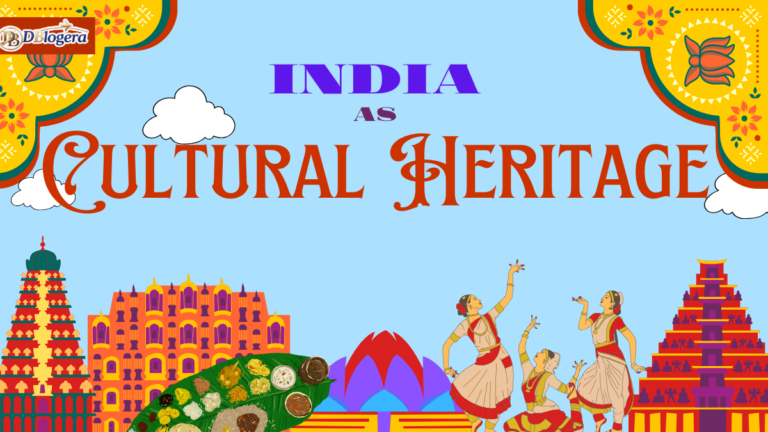
India is widely regarded as one of the world’s richest civilizations, with a cultural history spanning thousands of years. From ancient temples and royal palaces to vibrant festivals and traditional arts, India as cultural heritage represents a living mosaic of traditions, beliefs, and artistic expressions that have evolved across generations. The country’s heritage reflects the influences of numerous dynasties, religions, and communities that have contributed to shaping its identity.

India is home to dozens of globally recognized heritage sites and cultural traditions that reflect its historical significance and diversity. The nation currently has over 40 UNESCO World Heritage Sites, including cultural monuments, natural landscapes, and mixed heritage properties that showcase its long-standing civilization.

Beyond monuments, India’s cultural heritage also includes languages, crafts, cuisines, festivals, and performing arts that continue to thrive in everyday life. This article examines the cultural heritage of India, highlighting its historical landmarks, traditions, and global influence.

Understanding the Concept of Cultural Heritage in India

Cultural heritage refers to the traditions, monuments, artifacts, and values that societies inherit from past generations and preserve for the future. In India, cultural heritage goes beyond historical structures; it includes intangible traditions such as music, rituals, crafts, language, and community practices.

India’s cultural heritage reflects the country’s philosophy of “Unity in Diversity.” The Constitution of India recognizes the importance of protecting linguistic, cultural, and religious traditions across regions.

Because of its ancient history and social diversity, India’s heritage represents a combination of multiple civilizations, including the Indus Valley civilization, Mauryan Empire, Gupta period, Mughal era, and colonial influences. These cultural layers continue to shape modern Indian society.

Key Elements of Cultural Heritage in India

  • Historical monuments and architecture
  • Traditional arts and crafts
  • Festivals and religious traditions
  • Languages and literature
  • Folk music and dance
  • Culinary traditions
  • Indigenous knowledge systems

Together, these elements create a cultural identity that connects India’s past with its present and future.

Historical Foundations of India’s Cultural Heritage

India’s cultural heritage is deeply rooted in its long and complex history. From prehistoric settlements to ancient kingdoms and medieval empires, each era has contributed unique traditions, art forms, and architectural styles.

One of the earliest examples of India’s cultural heritage can be seen in the prehistoric rock paintings of Bhimbetka, which date back thousands of years and illustrate early human life, rituals, and wildlife.

Over centuries, powerful dynasties such as the Mauryas, Guptas, Cholas, Mughals, and Rajputs shaped India’s architecture, literature, and cultural practices. Temples, forts, palaces, and cities built during these periods continue to stand as symbols of India’s historical and cultural achievements.

Major Historical Periods Influencing Indian Cultural Heritage

1. Ancient Civilization

  • Indus Valley civilization urban planning
  • Early Vedic culture and traditions
  • Development of Sanskrit literature and philosophy

2. Classical Period

  • Gupta period advancements in science and art
  • Development of temple architecture
  • Rise of classical dance and music forms

3. Medieval Era

  • Mughal architecture, such as domes and gardens
  • Development of miniature paintings
  • Growth of Sufi and Bhakti traditions

4. Colonial Period

  • Introduction of Indo-European architecture
  • Modern educational and literary institutions
  • Cultural reform movements

These historical layers form the foundation of India as cultural heritage.

UNESCO World Heritage Sites in India

India’s cultural significance is globally recognized through numerous UNESCO World Heritage Sites. These sites represent outstanding examples of architecture, art, and historical importance that belong to humanity’s shared heritage.

India currently has 42 UNESCO World Heritage Sites, including cultural, natural, and mixed categories.

These sites illustrate India’s artistic brilliance, spiritual traditions, and engineering achievements throughout history.

Important UNESCO Cultural Heritage Sites

Ellora Caves

The Ellora Caves in Maharashtra are among the largest rock-cut temple complexes in the world, built between the 6th and 10th centuries. The caves include Hindu, Buddhist, and Jain monuments carved from basalt cliffs, demonstrating remarkable craftsmanship and religious harmony.

Hill Forts of Rajasthan

The Hill Forts of Rajasthan represent a network of six Rajput forts built between the 5th and 18th centuries. These forts were designed for defense and royal residence and reflect the military and architectural ingenuity of Rajput rulers.

Champaner-Pavagadh Archaeological Park

Located in Gujarat, this heritage park includes forts, temples, mosques, and stepwells that illustrate the transition between Hindu and Islamic architecture in medieval India.

Sacred Ensembles of the Hoysalas

The Hoysala temples in Karnataka are renowned for their intricate stone carvings and unique star-shaped architecture developed during the 12th and 13th centuries.

Maratha Military Landscapes

A group of historic forts developed between the 17th and 19th centuries showcases the military and administrative systems of the Maratha Empire.

These heritage sites represent the architectural diversity and historical legacy that define India as cultural heritage.

Intangible Cultural Heritage of India

While monuments represent tangible heritage, India is equally famous for its intangible cultural heritage, which includes traditions, rituals, and performing arts passed from one generation to another.

These living traditions shape everyday life in India and strengthen cultural identity. They are often celebrated through festivals, performances, and community gatherings.

Examples of India’s Intangible Cultural Heritage

Performing Arts

  • Classical dances such as Bharatanatyam, Kathak, Odissi, and Kathakali
  • Traditional theatre forms like Ramlila
  • Folk music traditions across regions

Festivals and Rituals

  • Diwali – Festival of Lights
  • Holi – Festival of colors
  • Durga Puja celebrations
  • Kumbh Mela spiritual gathering

Traditional Crafts

  • Handloom weaving
  • Terracotta pottery
  • Metal craft and jewelry making
  • Block printing and textile arts

Yoga and Spiritual Practices

India is also the birthplace of Yoga, which has become a global wellness practice and reflects the spiritual dimension of Indian heritage.

These traditions represent the living aspect of India as cultural heritage, making culture part of everyday life.

H2: Diversity of Languages and Literature

India’s linguistic diversity is one of the most remarkable aspects of its cultural heritage. The country has hundreds of languages and dialects, each representing unique literary traditions and cultural identities.

Indian literature dates back thousands of years and includes sacred texts, philosophical works, poetry, and modern novels. Ancient Sanskrit epics such as the Ramayana and Mahabharata remain influential in Indian culture and storytelling.

Major Literary Traditions in India

Classical Literature

  • Vedas and Upanishads
  • Ramayana and Mahabharata
  • Sanskrit drama and poetry

Regional Literature

  • Bengali literature and Tagore’s works
  • Tamil Sangam poetry
  • Hindi and Urdu poetry

Modern Literature

  • Post-independence novels and essays
  • Contemporary Indian English literature
  • Regional storytelling traditions

Language and literature preserve India’s values, philosophy, and cultural memory across generations.

H2: Traditional Arts and Crafts of India

India’s artistic heritage is reflected in its diverse crafts and handmade traditions. Many of these art forms have been practiced for centuries and continue to support rural economies and cultural identity.

Traditional crafts are often associated with particular regions and communities, making them an essential part of India’s cultural landscape.

Famous Indian Art and Craft Traditions

Textile Arts

  • Banarasi silk weaving
  • Kanchipuram silk sarees
  • Bandhani tie-dye textiles

Painting Traditions

  • Madhubani painting from Bihar
  • Warli tribal art from Maharashtra
  • Pattachitra paintings from Odisha

Sculpture and Handicrafts

  • Stone carvings
  • Wood carving
  • Brass and metal crafts

These art forms reflect India’s creativity and craftsmanship, making them a vital component of India as cultural heritage.

Festivals and Cultural Celebrations

Festivals are among the most vibrant expressions of Indian cultural heritage. Each region celebrates unique festivals that reflect religious beliefs, seasonal cycles, and local traditions.

India’s festivals bring communities together and showcase traditional music, dance, food, and rituals.

Major Festivals Celebrated Across India

Religious Festivals

  • Diwali – Celebrating the victory of light over darkness
  • Eid – Celebrated by Muslim communities
  • Christmas – Celebrated by Christians

Cultural Festivals

  • Durga Puja in West Bengal
  • Navratri and Garba in Gujarat
  • Onam in Kerala

Seasonal Festivals

  • Baisakhi harvest festival
  • Pongal in Tamil Nadu
  • Lohri in Punjab

These celebrations strengthen social bonds and highlight the diversity of Indian culture.


H2: Indian Cuisine as Cultural Heritage

Indian cuisine is another important dimension of the country’s cultural heritage. Each region has distinct flavors, cooking methods, and ingredients that reflect local traditions and geography.

Food in India is deeply connected to festivals, religious customs, and community traditions.

Regional Culinary Traditions

North India

  • Rich gravies and tandoori dishes
  • Wheat-based breads like naan and roti

South India

  • Rice-based meals
  • Coconut and spice-rich curries

East India

  • Seafood dishes
  • Rice and mustard-based cuisine

West India

  • Gujarati vegetarian dishes
  • Maharashtrian coastal cuisine

Indian cuisine represents centuries of cultural exchange and culinary innovation.

H2: Cultural Heritage Tourism in India

Cultural tourism is one of the most important means by which travelers experience India’s heritage. Historical monuments, pilgrimage centers, and cultural festivals attract millions of visitors every year.

Many famous heritage sites receive large numbers of domestic and international tourists due to their architectural beauty and historical significance.

Popular Cultural Heritage Destinations in India

  • Agra – Taj Mahal and Mughal heritage
  • Jaipur – Royal palaces and forts
  • Varanasi – Spiritual traditions on the Ganges
  • Hampi – Ancient Vijayanagara ruins
  • Mahabalipuram – Temple architecture

Cultural tourism not only preserves heritage but also contributes to local economies.

H2: Preservation and Conservation of Cultural Heritage

Protecting cultural heritage is essential for maintaining historical identity and passing traditions to future generations. Governments, organizations, and communities play a crucial role in preserving heritage sites and traditions.

Conservation efforts include restoring monuments, documenting traditions, and promoting cultural education.

Major Heritage Preservation Efforts

  • Archaeological Survey of India conservation programs
  • UNESCO World Heritage recognition
  • Community-based preservation initiatives
  • Cultural festivals and museums

Technology and digital archives are also helping document and protect India’s cultural heritage.

H2: Why India is Known as a Global Cultural Heritage Hub

India’s cultural richness, diversity, and historical continuity make it one of the world’s most significant heritage destinations.

The country’s heritage reflects centuries of artistic innovation, spiritual traditions, and social diversity that continue to influence global culture.

Reasons India is Recognized as a Cultural Heritage

  • One of the world’s oldest civilizations
  • Diverse traditions across regions
  • Large number of heritage monuments
  • Vibrant festivals and living traditions
  • Global influence of yoga, cuisine, and philosophy

India’s cultural heritage represents a timeless connection between history, tradition, and modern life.

H2: Conclusion

India’s cultural heritage is a remarkable blend of history, traditions, and living practices that have evolved over thousands of years. From ancient cave paintings and magnificent temples to vibrant festivals and culinary traditions, every aspect of Indian life reflects its deep cultural roots.

The concept of India as cultural heritage highlights how the country preserves its past while continuing to innovate and adapt to modern times. Its monuments, languages, art forms, and spiritual traditions together create a cultural landscape unlike any other in the world.

As globalization continues to reshape societies, protecting and celebrating India’s heritage remains essential. By preserving these traditions and monuments, India ensures that future generations can continue to experience the richness of its cultural legacy.

FAQs (SEO Optimized)

1. Why is India considered a cultural heritage country?

India is considered a cultural heritage country because of its ancient civilizations, diverse traditions, historic monuments, and vibrant cultural practices that span thousands of years.

2. How many UNESCO World Heritage Sites are there in India?

India has 42 UNESCO World Heritage Sites, including cultural, natural, and mixed heritage locations.

3. What are examples of cultural heritage in India?

Examples include the Taj Mahal, Ellora Caves, traditional dances, festivals like Diwali, and crafts such as Madhubani painting.

4. What is intangible cultural heritage in India?

Intangible heritage includes traditions such as classical music, dance, festivals, rituals, and crafts that are passed down through generations.

5. How does India preserve its cultural heritage?

India preserves its heritage through conservation programs, UNESCO recognition, museums, cultural festivals, and educational initiatives.

6. Why is cultural heritage important for tourism in India?

Cultural heritage attracts millions of visitors who come to experience historical monuments, festivals, and traditions, contributing significantly to tourism and local economies.

Also, give a read:
15 Best Mountain Destinations in India
The Budget Fashion Tips for 2026 Brides
Top Indian Devotional Destinations to Visit in 2026

Follow us on:
Facebook
Instagram
Pinterest

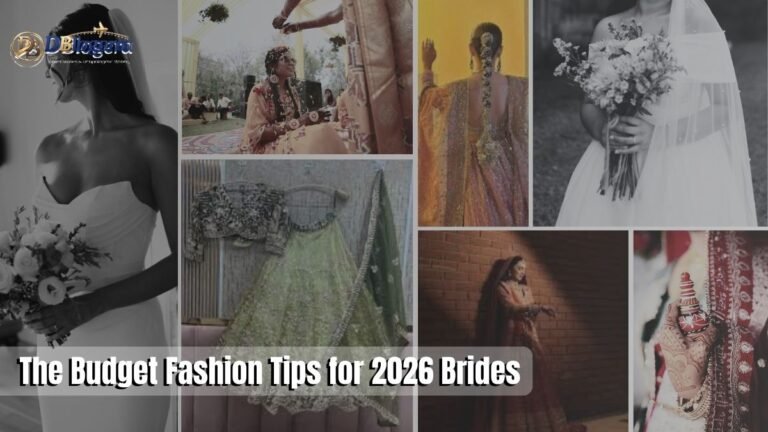
The Budget Fashion Tips for 2026 Brides – Look Stunning Without Overspending

Weddings in India are grand celebrations filled with rituals, vibrant colors, and multiple ceremonies. However, with rising wedding costs, brides today are becoming smarter about how they spend on fashion. The modern bride in 2026 is focused on style, sustainability, and budget-conscious choices rather than splurging on designer outfits that might be worn only once.

Fortunately, looking stunning on your big day doesn’t necessarily mean spending lakhs on bridal wear. With smart planning, thoughtful styling, and creative shopping strategies, brides can curate a gorgeous wedding wardrobe while staying within a budget.

This guide on Budget Fashion Tips for 2026 Brides will walk you through everything you need to know — from choosing outfits for different wedding functions to selecting dresses based on wedding season, venue, cultural traditions, and time of day. You will also discover practical tips like renting bridal outfits, mixing designer pieces with affordable fashion, and reusing heirloom garments.

Whether you are planning a traditional Indian wedding, a modern minimal ceremony, or a destination celebration, these budget-friendly fashion strategies will help you achieve a dreamy bridal look without financial stress.

Why Budget Bridal Fashion is Trending in 2026

Bridal fashion trends are evolving rapidly, and 2026 brides are embracing a smarter and more conscious approach to wedding fashion. Instead of spending excessively on designer labels, many brides are focusing on value, versatility, and sustainability. Social media, fashion influencers, and sustainable fashion movements have also encouraged brides to rethink how they invest in their wedding wardrobe.

Budget bridal fashion doesn’t mean compromising on elegance. In fact, many affordable brands today offer stunning bridal collections inspired by luxury couture. Brides are also exploring options like outfit rentals, custom tailoring, and mix-and-match styling to achieve a premium look at a fraction of the cost.

Another major shift is the emphasis on reusable bridal outfits. Brides now prefer ensembles that can be styled differently and worn again at festivals or family events.

Key Reasons Budget Bridal Fashion is Popular

  • Rising wedding expenses across venues, catering, and décor
  • Increased availability of affordable designer-inspired bridal wear
  • The sustainable fashion movement encourages outfit reuse
  • Popularity of bridal outfit rentals
  • Influence of minimal and intimate wedding trends
  • Greater awareness of smart shopping strategies
  • Brides prioritizing experiences over excessive spending

Planning Your Wedding Outfit Budget Wisely

Before buying any bridal outfits, it’s important to set a clear fashion budget. Many brides unknowingly overspend because they purchase outfits impulsively without a proper plan. A well-structured fashion budget allows you to distribute expenses across different ceremonies while ensuring you still achieve your dream bridal look.

Start by identifying how many wedding events you will have. Traditional Indian weddings usually include ceremonies like Haldi, Mehendi, Sangeet, Wedding, and Reception. Each event requires a different outfit, but that doesn’t mean each outfit needs to be expensive.

You can allocate a larger portion of your budget to the main wedding attire while keeping other outfits simpler yet stylish.

Smart Budget Allocation Tips

  • Allocate 40–50% of the budget to the main bridal outfit
  • Keep Mehendi and Haldi outfits affordable and lightweight
  • Consider renting heavy outfits for Sangeet or Reception
  • Set aside funds for accessories and footwear
  • Plan makeup and hairstyling costs separately
  • Look for festive sales and bridal discounts
  • Avoid last-minute purchases that inflate costs

Budget Bridal Outfit Ideas for Different Wedding Functions

Indian weddings are multi-day celebrations, and each ceremony has its own dress code. Instead of purchasing expensive outfits for every event, brides can creatively plan stylish yet affordable looks for each function.

Choosing outfits that align with the mood and rituals of each ceremony will help maintain authenticity while allowing you to control costs effectively.

Mehendi Ceremony Outfit Ideas

The Mehendi ceremony is lively, colorful, and filled with music and laughter. Since this function involves sitting for long hours while henna is applied, brides should prioritize comfort and light fabrics over heavy embroidery.

Rather than investing in a heavy designer lehenga, you can opt for bright Indo-western outfits or flowy skirts paired with stylish blouses.

Budget Mehendi Outfit Ideas

  • Floral lehengas with lightweight embroidery
  • Mirror work skirts with crop tops
  • Anarkali suits in vibrant colors
  • Indo-western co-ord sets
  • Sharara sets with minimal embroidery
  • Sustainable outfits made from organic fabrics

Haldi Ceremony Outfit Ideas

Haldi ceremonies are playful and messy, which means spending heavily on this outfit isn’t necessary. Many brides choose simple yellow or pastel outfits that can easily be cleaned or reused later.

Natural fabrics like cotton, linen, or chiffon work best for Haldi ceremonies.

Budget Haldi Outfit Ideas

  • Yellow cotton lehenga with dupatta
  • Floral printed saree
  • Simple sharara set
  • Short kurti with skirt
  • Lightweight anarkali suit
  • DIY floral jewelry to enhance the look

Sangeet Ceremony Outfit Ideas

The Sangeet ceremony is all about dance, music, and celebration. Brides often choose glamorous outfits for this event, but you don’t necessarily need a high-end designer ensemble to shine.

Instead, focus on trendy silhouettes and statement styling.

Budget Sangeet Outfit Ideas

  • Sequin lehenga from affordable brands
  • Indo-western gown
  • Fusion saree with belt
  • Cape lehenga sets
  • Pre-draped sarees
  • Renting designer outfits for the event

Wedding Day Bridal Outfit Ideas

The wedding outfit is the most significant attire for any bride. Traditionally, brides opt for elaborate lehengas or sarees featuring rich embroidery and luxurious fabrics.

However, brides on a budget can still achieve a royal look by exploring smart alternatives.

Budget Wedding Outfit Tips

  • Choose minimal embroidery lehengas with rich fabrics
  • Shop from local bridal markets instead of luxury boutiques
  • Rent designer bridal lehengas
  • Buy pre-loved bridal outfits
  • Mix heirloom jewelry with modern attire
  • Consider lightweight silk sarees as bridal wear

Reception Outfit Ideas

Reception outfits are typically glamorous and modern, making them a great opportunity to experiment with different styles.

Instead of another expensive lehenga, brides can opt for elegant gowns or contemporary fusion outfits.

Budget Reception Outfit Options

  • Floor-length evening gowns
  • Satin or velvet sarees
  • Indo-western lehengas
  • Tailored pant-suit sets
  • Designer rental gowns

Choosing Bridal Outfits Based on Wedding Season

India experiences diverse climates, so selecting bridal outfits according to the wedding season is crucial. The right fabrics, colors, and silhouettes will not only enhance your comfort but also elevate your overall bridal look.

Seasonal outfit planning also helps avoid unnecessary spending on heavy fabrics that might feel uncomfortable in certain weather conditions.

Summer Wedding Outfit Tips

Summer weddings require breathable fabrics and lightweight embroidery to keep brides comfortable throughout the ceremony.

Best Budget Fabrics for Summer Weddings

  • Chiffon
  • Organza
  • Cotton silk
  • Georgette
  • Linen blends

Summer Bridal Fashion Tips

  • Choose pastel color palettes
  • Avoid heavy velvet or brocade fabrics
  • Opt for lightweight jewelry
  • Select minimal embroidery

Winter Wedding Outfit Tips

Winter weddings allow brides to experiment with luxurious fabrics and deeper color palettes.

Best Fabrics for Winter Weddings

  • Velvet
  • Silk
  • Brocade
  • Raw silk

Winter Bridal Fashion Tips

  • Layer outfits with stylish shawls
  • Choose darker jewel tones
  • Wear statement jewelry
  • Consider long-sleeve blouses

Monsoon Wedding Outfit Tips

Monsoon weddings require practical styling choices to avoid discomfort due to humidity or unexpected rain.

Monsoon Bridal Fashion Tips

  • Choose lightweight fabrics
  • Avoid long trailing lehengas
  • Opt for waterproof makeup
  • Wear comfortable footwear

Selecting Outfits Based on Wedding Time

The time of day when your wedding takes place can greatly influence your bridal outfit choices. Lighting conditions, venue ambiance, and photography aesthetics all play a role in determining the most suitable colors and fabrics.

Day weddings often feature soft natural lighting, making pastel shades and minimal embroidery look elegant. In contrast, evening weddings allow brides to wear darker hues, metallic accents, and glamorous embellishments that stand out under artificial lighting.

By aligning your outfit choices with the wedding schedule, you can achieve a balanced look while avoiding unnecessary expenses on heavy designs that might not suit the event’s atmosphere.

Day Wedding Fashion Tips

  • Choose pastel shades like peach, mint, or powder blue
  • Prefer lightweight embroidery
  • Select floral or minimal jewelry
  • Opt for breathable fabrics like organza or chiffon

Evening Wedding Fashion Tips

  • Choose deep colors like maroon, emerald, navy, or wine
  • Wear statement jewelry pieces
  • Opt for richer fabrics such as velvet or silk
  • Consider dramatic dupatta draping styles

Budget-Friendly Bridal Shopping Destinations in India

India is home to numerous wedding shopping destinations where brides can find stunning outfits at affordable prices. From bustling street markets to wholesale bridal hubs, there are endless options for brides who want designer-inspired outfits without spending excessively.

These markets offer a wide variety of lehengas, sarees, gowns, and accessories at competitive prices. Many boutiques also provide customization services, allowing brides to tailor their outfits according to personal preferences and budgets.

Popular Budget Bridal Shopping Markets

  • Chandni Chowk (Delhi)
  • Lajpat Nagar Market (Delhi)
  • Commercial Street (Bangalore)
  • Johari Bazaar (Jaipur)
  • Crawford Market (Mumbai)
  • Charminar Market (Hyderabad)

Smart Styling Tricks to Make Budget Outfits Look Expensive

A bridal outfit doesn’t have to be extremely expensive to look luxurious. With the right styling techniques, even a modestly priced ensemble can appear elegant and designer-inspired.

Accessories, makeup, hairstyle, and dupatta draping all play a major role in elevating the final bridal look. Brides who invest wisely in styling elements often achieve a premium appearance without overspending on clothing.

Budget Styling Hacks

  • Invest in statement jewelry pieces
  • Experiment with creative dupatta draping styles
  • Choose professional bridal makeup
  • Use embellished belts for sarees or lehengas
  • Style hair with floral accessories
  • Pair outfits with elegant footwear

Sustainable and Reusable Bridal Fashion Ideas

Sustainability has become a major focus in the fashion industry, and bridal fashion is no exception. Many brides are now choosing eco-friendly wedding outfits that can be reused or repurposed after the ceremony.

Sustainable bridal fashion focuses on minimizing waste while maximizing versatility. Instead of purchasing multiple heavy outfits, brides can invest in timeless designs that can be restyled for future occasions.

Sustainable Bridal Fashion Tips

  • Rent bridal outfits instead of purchasing
  • Repurpose family heirloom sarees
  • Choose versatile lehengas that can be restyled
  • Support sustainable fashion brands
  • Donate or resell wedding outfits

Common Budget Bridal Fashion Mistakes to Avoid

Even with careful planning, brides sometimes make mistakes that lead to unnecessary expenses. Understanding these common pitfalls can help brides manage their fashion budgets effectively while still achieving their dream wedding look.

Impulse buying, over-customization, and ignoring comfort are some of the most frequent mistakes brides make while shopping for wedding outfits.

Mistakes to Avoid

  • Buying outfits without a clear wedding plan
  • Overspending on designer labels
  • Ignoring comfort and practicality
  • Purchasing too many outfits unnecessarily
  • Forgetting to budget for accessories and alterations

Final Thoughts

Planning bridal fashion on a budget doesn’t mean compromising on style or elegance. With the right approach, brides can create stunning wedding looks that reflect their personality, culture, and wedding theme while staying within financial limits.

The key is to prioritize smart shopping, versatile outfits, and thoughtful styling. By considering factors such as wedding season, ceremony type, venue, and time of day, brides can make informed fashion decisions that enhance both comfort and aesthetics.

In 2026, the modern bride is confident, conscious, and creative. She understands that true bridal beauty lies not in the price of the outfit but in how gracefully it is styled and worn.

By following these Budget Fashion Tips for 2026 Brides, you can walk down the aisle looking radiant, stylish, and completely stress-free about your wedding wardrobe.

FAQs 

1. How can brides plan wedding outfits on a budget?

Brides can plan wedding outfits on a budget by allocating their fashion budget wisely across all ceremonies, prioritizing the main wedding outfit, and choosing affordable alternatives for other events like Mehendi and Haldi. Renting designer outfits, shopping during festive sales, exploring local bridal markets, and reusing family heirloom garments are effective ways to reduce costs without compromising style.

2. What is the average budget for bridal outfits in India?

The average budget for bridal outfits in India typically ranges between ₹40,000 and ₹2,00,000 depending on the wedding scale. Budget-conscious brides often spend around ₹50,000–₹80,000 by purchasing a primary bridal outfit and choosing affordable options for other wedding ceremonies.

3. Where can brides buy affordable bridal lehengas in India?

Brides looking for affordable bridal lehengas can explore popular markets such as Chandni Chowk in Delhi, Johari Bazaar in Jaipur, Lajpat Nagar Market in Delhi, Crawford Market in Mumbai, and Commercial Street in Bangalore. These markets offer designer-inspired bridal outfits at much lower prices.

4. Is renting bridal outfits a good option?

Yes, renting bridal outfits is an excellent option for brides who want to wear designer ensembles without spending a large amount of money. Rental platforms allow brides to wear premium designer outfits for a fraction of the purchase cost, making it a budget-friendly and sustainable choice.

5. How can brides make affordable wedding outfits look expensive?

Affordable wedding outfits can look luxurious with the right styling. Brides can elevate their look by investing in statement jewelry, experimenting with elegant dupatta draping styles, choosing professional makeup and hairstyling, and selecting high-quality fabrics even if the embroidery is minimal.

6. Which fabrics are best for budget bridal outfits?

Some of the best fabrics for budget bridal outfits include georgette, chiffon, organza, cotton silk, and raw silk. These fabrics provide an elegant appearance while being more affordable than heavily embroidered designer fabrics.

7. What are the biggest bridal fashion trends for 2026?

The biggest bridal fashion trends for 2026 include sustainable bridal wear, pastel bridal lehengas, lightweight embroidery, rental bridal outfits, mix-and-match bridal styling, and minimalistic bridal fashion inspired by modern elegance.

Also, give a read:
15 Best Mountain Destinations in India
Top Indian Devotional Destinations to Visit in 2026

Follow us on:
Facebook
Instagram
Pinterest

Introduction: Your Home, Your Energy

Home is more than four walls—it is your sanctuary, your creative studio, and your emotional refuge. The way you design your space directly affects your mood, productivity, and overall lifestyle.

At DBlogéra, we believe that home decor is not just styling—it’s storytelling. It reflects your personality, your journey, and your aspirations.

Whether you love minimal elegance, modern luxury, monochrome sophistication, or vibrant color play, your decor choices define your everyday experience.

Why Home Decor Is Important in Modern Lifestyle

1. Enhances Emotional Well-being

A well-decorated home promotes peace, positivity, and comfort. Imagine entering a space that instantly relaxes you after a hectic day—that’s the power of intentional design.

2. Improves Productivity & Creativity

Your surroundings influence your thought process and inspiration. A clutter-free and aesthetic space encourages creativity and clarity.

3. Reflects Personal Identity

Your decor choices showcase your taste, culture, and lifestyle. From travel souvenirs to statement furniture, everything tells a story.

4. Creates Functional Living

Good decor isn’t only about beauty—it’s about smart organization and functionality that enhances everyday living.

The Connection Between Home Decor & Vastu Shastra

In Indian households, Vastu Shastra plays a vital role in home design. It’s believed that proper alignment of spaces promotes good fortune, prosperity, and harmony.

Key Vastu Tips for Home Decor

Entrance

  • Keep the entrance clean, well-lit, and welcoming
  • Use nameplates, plants, or torans for positivity

Living Room

  • Place heavy furniture in the southwest direction
  • Use calming colors like beige, pastel green, or off-white

Bedroom

  • The bed should be placed in the southwest corner
  • Avoid mirrors directly facing the bed

Kitchen

  • Ideally located in the southeast direction
  • Use warm tones like orange, red, or yellow

Decor Elements for Good Fortune

  • Indoor plants like the money plant or lucky bamboo
  • Water elements for prosperity
  • Crystals and lamps for energy balance

When decor aligns with Vastu, it creates a home filled with positive vibrations and balanced energy.

Home Decor & Creativity: Your Space as an Inspiration Hub

Your environment is a reflection of your mind. A thoughtfully designed space can:

  • Spark new ideas
  • Improve focus
  • Encourage artistic expression

Ways to Boost Creativity Through Decor

  • Create a dedicated creative corner
  • Use vision boards or wall art
  • Add textures like wood, fabric, or ceramics
  • Include natural elements like plants and sunlight

Your home becomes your creative studio, inspiring you every day.

Playing With Colors in Home Decor

Color is the soul of interior design. It influences mood, perception, and energy.

1. Neutral & Minimal Color Palette

Perfect for those who love calm and elegant spaces.

Popular tones:

  • White
  • Beige
  • Ivory
  • Soft grey

Creates a clean, airy, and timeless look with Dblogera.

2. Bold & Vibrant Colors

For expressive personalities who love energy and drama.

Examples:

  • Royal blue
  • Emerald green
  • Mustard yellow
  • Terracotta

Use these colors as accent walls, cushions, or decor pieces this will elevate the look and feel of your space.

3. Monochrome Styling

One of the most trending home decor styles. Monochrome home decor is a timeless interior design trend that blends simplicity, sophistication, and visual harmony into one cohesive aesthetic. By focusing on a single color palette—most commonly whites, greys, beiges, or classic black—monochromatic interiors create a clean and clutter-free environment that feels both modern and luxurious. Inspired by minimalist movements and Scandinavian influences seen in cities like Copenhagen and Stockholm, monochrome design emphasizes texture, contrast, and layering rather than bold color variation.

A successful monochrome home decor style relies on mixing materials such as matte walls, glossy tiles, velvet cushions, linen curtains, marble countertops, and wooden accents to add depth without overwhelming the space. This approach works beautifully in living rooms, bedrooms, kitchens, and even home offices, offering a calm and cohesive atmosphere. Black-and-white home decor, in particular, remains a popular choice for contemporary apartments and urban homes because of its sharp contrast and elegant appeal.

Beyond aesthetics, monochromatic interior design enhances natural light, makes smaller rooms appear larger, and provides a versatile foundation for statement pieces like artwork, lighting fixtures, or metallic decor accents. Whether you prefer soft neutral tones or dramatic dark interiors, monochrome home decor delivers a refined, clutter-free look that aligns perfectly with modern lifestyle trends. For homeowners seeking a balanced blend of minimalism and luxury, monochromatic interiors remain one of the most stylish and SEO-worthy design choices in today’s home decor landscape.

How to create a monochrome look:

  • Use different shades of one color
  • Play with textures and patterns
  • Add metallic accents for contrast

A monochrome theme creates sophisticated and cohesive interiors.

Minimalist Home Decor: Less Is More

Minimalist home decor is built on the timeless principle that less is more, a philosophy popularized by architect Ludwig Mies van der Rohe. This interior design style focuses on simplicity, clean lines, neutral color palettes, and clutter-free spaces to create a calm and functional living environment. Instead of filling a room with excessive furniture or decor, minimalist interiors highlight quality over quantity, ensuring that every piece serves a purpose.

Natural light, subtle textures, and materials like wood, linen, and stone play a key role in adding warmth without overwhelming the space. Minimalist home decor not only enhances visual appeal but also promotes mindful living, improved organization, and stress-free surroundings. Ideal for modern apartments and contemporary homes, this design approach makes rooms appear more spacious, elegant, and balanced—proving that when it comes to interior design, simplicity truly creates lasting impact.

Principles of Minimalist Decor

  • Declutter regularly
  • Choose quality over quantity
  • Stick to neutral tones
  • Use multifunctional furniture

Benefits:

✔ Creates mental clarity

✔ Makes space look larger

✔ Easy maintenance

✔ Timeless appeal

Minimal decor is perfect for urban homes and modern lifestyles.

Modern Luxury Home Decor: Elegant Yet Effortless

Luxury today is subtle, refined, and functional—not loud or overwhelming.

Key Elements of Modern Luxury Decor

1. Statement Lighting

Chandeliers, pendant lights, or floor lamps add drama and sophistication.

2. Premium Materials

  • Marble
  • Velvet
  • Glass
  • Brass accents

3. Art & Sculptures

Art and sculpture in home decor add personality, elegance, and visual depth to any space. From classic inspirations like Michelangelo to modern styles influenced by Pablo Picasso, artistic elements transform ordinary interiors into expressive living environments. Sculptures in marble, metal, or wood create striking focal points, while wall art enhances color balance and complements furniture design. Incorporating art into interior design not only elevates aesthetic appeal but also reflects personal style, making your home feel sophisticated, curated, and uniquely meaningful. Large wall art or curated sculptures create visual interest.

4. Layered Textures

Layered texture home decor is a rising interior design trend that adds depth, warmth, and visual interest to any space without relying on bold colors. By combining materials like linen, velvet, wool, rattan, marble, wood, and metal, textured interiors create a rich, multi-dimensional look that feels both cozy and luxurious. This design approach works beautifully in living rooms and bedrooms, where layered rugs, throw blankets, cushions, and statement furniture enhance comfort and style. Layered texture home decor is especially popular in modern and Scandinavian-inspired homes, offering a balanced blend of minimalism and sophistication while elevating overall aesthetic appeal and functionality. Therefore you may Combine:

  • Soft rugs
  • Silk cushions
  • Wooden finishes

Luxury decor is about creating a premium experience without clutter.

Room-by-Room Home Decor Guide

A room-by-room home decor guide helps you design your space with clarity, purpose, and style. Instead of decorating randomly, this approach focuses on the unique function and mood of each area—whether it’s a cozy living room, a relaxing bedroom, a functional kitchen, or an inviting entryway. By tailoring colors, furniture, lighting, and textures to each room, you can create a cohesive yet personalized home that feels balanced, practical, and beautifully designed.

Living Room

A living room home decor guide helps you create a comfortable, stylish space that reflects your personality while maintaining functionality. Since the living room is often the most used and most visible area of the home, thoughtful decor ensures it feels welcoming, organized, and balanced. A well-planned layout, functional seating, layered lighting, and textured accents enhance both comfort and visual appeal. Following a decor guide is necessary to avoid clutter, improve space utilization, and create a cohesive look that makes your living room inviting for both family and guests.

  • Choose a statement sofa
  • Add layered lighting
  • Use rugs and art for depth

Bedroom

A bedroom home decor guide focuses on creating a calm, comfortable, and relaxing retreat within your home. Since the bedroom is your personal sanctuary, thoughtful decor is essential for promoting better sleep and reducing stress. Choose soothing color palettes, soft lighting, and cozy textiles like layered bedding and curtains to enhance warmth and comfort. Keep furniture minimal yet functional to avoid clutter and maintain a peaceful atmosphere. By balancing style with serenity, a well-decorated bedroom becomes a restful space that supports both relaxation and overall well-being.

  • Soft lighting for relaxation
  • Neutral bedding with accent cushions
  • Minimal wall decor for calm vibes

Kitchen

  • Use modular storage
  • Add plants or small decor accents
  • Keep it clean and functional

Bathroom

  • Add candles or diffusers
  • Use neutral tiles
  • Keep minimal accessories

Budget-Friendly Home Decor Ideas

Budget-friendly home decor ideas prove that you don’t need a huge budget to create a beautiful, stylish home. With smart styling choices like DIY wall art, upcycled furniture, thrifted finds, indoor plants, and affordable lighting, you can transform any space without overspending. Simple upgrades such as rearranging furniture, adding textured cushions, layering rugs, or incorporating mirrors to enhance natural light can instantly refresh a room. Budget home decor focuses on creativity, resourcefulness, and personal expression—helping you design a cozy, modern, and inviting living space while staying financially smart.

Try these ideas:

  • DIY wall art
  • Upcycle old furniture
  • Use fairy lights
  • Add indoor plants
  • Change cushion covers seasonally

Small changes can make a big visual impact.

Sustainable Home Decor: The Future of Living

Modern homeowners are moving towards eco-friendly decor.

Sustainable Ideas

  • Use bamboo or wooden decor
  • Choose handmade products
  • Avoid plastic-based materials
  • Use energy-efficient lighting

Sustainable decor is stylish, responsible, and future-ready.

Common Home Decor Mistakes to Avoid

❌ Overcrowding the space

❌ Ignoring lighting

❌ Mismatched color palettes

❌ Buying decor without planning

❌ Ignoring functionality

Good decor is always a balance of beauty and practicality.

How to Create Your Signature Home Style

Your home should feel uniquely yours.

Steps to define your style:

  1. Create a Pinterest or mood board
  2. Identify colors and textures you love
  3. Mix personal elements (travel souvenirs, photos)
  4. Keep it cohesive

Your decor should tell your story.

Why DBlogéra Believes Home Decor is a Lifestyle

At DBlogéra, home decor is not just about interiors—it’s about living beautifully.

We believe:

  • A beautiful space improves quality of life
  • Decor influences mindset and emotions
  • Your home should feel like a luxury retreat

From travel-inspired aesthetics to modern minimal living, DBlogéra promotes a lifestyle where design meets emotion.

Conclusion: Design a Home That Feels Like You

Your home is your personal universe—a place where your lifestyle, energy, and creativity come together.

Whether you choose:

  • Minimal elegance
  • Monochrome sophistication
  • Modern luxury
  • Or vibrant, expressive decor

The goal is simple:

✨ Create a space that feels like you

Because when your home is aligned with your soul, every day feels more beautiful.

Lifestyle is more than a routine or a set of habits—it is a reflection of who we are, where we come from, and how we choose to navigate the world. In its truest sense, lifestyle represents the intersection of culture, personal values, traditions, aesthetics, and modern influence. From the way we dress and decorate our homes to how we celebrate festivals, travel, and express ourselves, lifestyle quietly shapes everyday life while telling powerful personal and collective stories.

In today’s evolving world, the way we live is no longer defined by rigid rules or social expectations. It has become fluid, adaptable, and deeply personal. People now curate their lifestyle consciously—balancing tradition with trend, comfort with expression, and heritage with modern living. This evolution makes lifestyle a dynamic concept, constantly shaped by cultural exchange, digital exposure, and shifting perspectives.

The Role of Culture

Culture forms the foundation of lifestyle. It influences food habits, social behaviour, art, rituals, and even the rhythm of daily life. Every culture offers its own interpretation of living well, adding richness and diversity to lifestyle choices. As global exposure grows, modern living increasingly reflects a fusion of local roots and global inspiration.

This balance allows individuals to stay connected to their origins while embracing change. Whether through traditional festivals, regional cuisines, or inherited values, culture remains a guiding force in shaping how lifestyle is experienced and expressed.

Fashion as a Lifestyle Expression

Fashion is one of the most visible expressions of our choices. It goes beyond clothing—it represents identity, confidence, mood, and cultural storytelling. What we choose to wear often mirrors our environment, beliefs, and aspirations.

Modern living fashion focuses on individuality and practicality, blending timeless traditions with contemporary silhouettes. Sustainable choices, comfort-led styling, and mindful consumption have become integral to lifestyle-driven fashion. Through fashion, lifestyle becomes an outward reflection of inner values.

Home Décor, Living Spaces, and Choices

Home décor plays a significant role in defining this, as the living spaces today are not just functional areas but also the emotional extensions of personality and comfort. From minimal interiors to culturally inspired designs, décor reflects how people experience creativity, belonging, and peace.

A lifestyle-oriented approach to décor prioritises well-being, sustainability, and meaningful design. It focuses on creating spaces that feel lived-in, personal, and intentional rather than merely aesthetic.

Traditions, Rituals, and Modern Living

Traditions form the soul of living, offering continuity in an ever-changing world. Festivals, rituals, and customs connect generations and preserve cultural identity. A balanced living respects these traditions while allowing space for reinterpretation, making them relevant to contemporary life.

This harmony between heritage and modernity ensures that traditions evolve without losing their essence, enriching everyday living.

Conscious and Modern Living

In recent years, the way of living has become increasingly conscious. People are paying closer attention to mental well-being, slow living, sustainable practices, and intentional choices. Travel, food, fashion, and daily routines are now viewed through the lens of purpose rather than excess.

This shift reflects a deeper understanding of lifestyle as a holistic experience—one that values balance, awareness, and mindful living over surface-level trends.

Lifestyle as an Ongoing Personal Journey

Ultimately, it is about alignment—between values and actions, individuality and community, heritage and progress. It is shaped by everyday choices, both conscious and subconscious. Exploring different living style allows us to understand ourselves better, appreciate diverse cultures, and find meaning in both ordinary and extraordinary moments.

This lifestyle section serves as a gateway to deeper conversations around culture, fashion, traditions, décor, travel, and modern living—each interconnected yet uniquely expressed.

Also Read:
The Ultimate Travel Guide to India
The Ultimate International Travel Guide for Indians (2026)

For more, follow us on
Facebook
Instagram