If you are searching for the 15 best mountain destinations in India, you’re in the right place. India’s diverse geography offers everything — snow-covered Himalayan peaks, lush Western Ghats, peaceful monasteries, thrilling trekking routes, and charming colonial hill stations.
This detailed 2026 guide to the 15 best mountain destinations in India will help you choose the perfect mountain getaway — whether you’re planning a honeymoon, solo backpacking trip, family vacation, or adventure holiday.
Let’s explore the most breathtaking mountain escapes across the country.
Before diving into the 15 best mountain destinations in India, let’s understand why mountain tourism continues to dominate Indian travel trends:
Escape from city heat
Snowfall experience
Adventure sports like trekking & skiing
Budget-friendly hill stations
Instagram-worthy landscapes
Spiritual & peaceful retreats
From North India’s Himalayas to South India’s misty ranges, the 15 best mountain destinations in India offer something for every type of traveler.
List of Top Mountain Destinations in India
1. Manali, Himachal Pradesh
Manali consistently ranks among the 15 best mountain destinations in India because of its year-round appeal.
Top Attractions
Solang Valley
Rohtang Pass
Hidimba Temple
Old Manali cafes
Best Time to Visit
Snowfall: December–February
Pleasant weather: March–June
Ideal For
Couples, adventure lovers, snow seekers.
2. Leh-Ladakh, Jammu & Kashmir
When discussing the 15 best mountain destinations in India, Leh-Ladakh is impossible to ignore.
Why Visit?
Pangong Lake
Nubra Valley
Khardung La Pass
Magnetic Hill
Best Time
May–September
This destination is ideal for bikers and high-altitude explorers.
3. Shimla, Himachal Pradesh
Shimla, the Queen of Hills, remains one of the most visited entries on the list of top mountain destinations in India.
Highlights
Mall Road
Kufri snowfall
Toy Train ride
Christ Church
Perfect for families and short weekend trips.
4. Darjeeling, West Bengal
Darjeeling offers panoramic Kanchenjunga views and colonial charm, earning its place among top mountain destinations in India.
Must Experience
Tiger Hill sunrise
Tea estates
Batasia Loop
Himalayan Railway
Best time: April–June, October–December.
5. Auli, Uttarakhand
If skiing is on your bucket list, Auli is one of the most visited mountain destinations in India for winter sports.
Best For
Skiing
Snowboarding
Cable car rides
Visit between December and February for peak snowfall.
6. Munnar, Kerala
Among South Indian mountain destinations in India, Munnar stands out as the most visited destination.
Attractions
Tea gardens
Eravikulam National Park
Mattupetty Dam
Best time: September–March.
7. Gangtok, Sikkim
Gangtok blends Himalayan beauty with culture, making it one of the 15 best mountain destinations in India.
Top Spots
Tsomgo Lake
Nathula Pass
Rumtek Monastery
Ideal for couples and spiritual travelers.
8. Mussoorie, Uttarakhand
Mussoorie’s charm secures its position in the 15 best mountain destinations in India.
Popular Attractions
Kempty Falls
Gun Hill
Camel’s Back Road
Perfect for relaxed vacations.
9. Spiti Valley, Himachal Pradesh
For offbeat travelers exploring the 15 best mountain destinations in India, Spiti Valley is a paradise.
Why Go?
Chandratal Lake
Key Monastery
Desert mountain landscapes
Best time: June–September.
10. Nainital, Uttarakhand
Nainital remains one of the easiest accessible options in the 15 best mountain destinations in India.
Activities
Boating in Naini Lake
Ropeway rides
Shopping at Mall Road
11. Tawang, Arunachal Pradesh
Tawang offers untouched beauty and deserves its place in the 15 best mountain destinations in India.
Major Highlights
Tawang Monastery
Sela Pass
Snowy landscapes
12. Ooty, Tamil Nadu
Ooty represents the Nilgiri mountains in the 15 best mountain destinations in India list.
Best Experiences
Botanical Gardens
Toy Train
Ooty Lake
13. Coorg, Karnataka
Coorg’s coffee estates and greenery secure its spot in the 15 best mountain destinations in India.
Ideal For
Nature lovers
Weekend getaways
Plantation stays
14. Mount Abu, Rajasthan
Mount Abu is the only desert-state hill station included in the 15 best mountain destinations in India.
Attractions
Nakki Lake
Dilwara Temples
Sunset Point
15. Gulmarg, Jammu & Kashmir
Gulmarg beautifully completes the 15 best mountain destinations in India.
Why It’s Famous
Gondola ride
Skiing slopes
Snow-covered meadows
Best time: December–March.
Best Time to Visit the 15 Best Mountain Destinations in India
If you are planning to explore the 15 best mountain destinations in India, timing matters:
Purpose
Best Months
Snowfall
Dec–Feb
Trekking
May–Sept
Honeymoon
Oct–March
Family Trip
March–June
Budget Guide for Mountain Travel in India
Exploring the 15 best mountain destinations in India can fit different budgets:
Budget Trip: ₹8,000–₹15,000
Mid-Range: ₹20,000–₹40,000
Luxury: ₹50,000+
Costs vary by season and destination.
Travel Tips Before Visiting Mountain Destinations
When visiting the 15 best mountain destinations in India, remember:
Carry warm clothes year-round.
Book hotels early in peak season.
Stay hydrated at high altitudes.
Respect local traditions.
Avoid plastic waste.
Frequently Asked Questions
1. Which is the most beautiful among the 15 best mountain destinations in India?
Leh-Ladakh and Gulmarg are considered the most scenic.
2. Which destination is best for snowfall?
Auli, Manali, and Gulmarg.
3. Which mountain place is budget-friendly?
Darjeeling, Mussoorie, and Nainital.
Final Thoughts
India’s mountain landscapes are incredibly diverse. Whether you prefer snowy adventures, peaceful monasteries, tea gardens, or high-altitude road trips, the 15 best mountain destinations in India offer unforgettable experiences.
From the rugged terrains of Ladakh to the green slopes of Munnar, each destination has its own personality and charm.
If you’re planning your 2026 vacation, start with this guide to the 15 best mountain destinations in India and choose the one that matches your travel style.
Introduction: Why Goa Is More Than Just a Beach Destination
Goa isn’t just a place you visit—it’s a mood you carry back with you. From sun-kissed beaches and Portuguese-era architecture to buzzing nightlife, soulful cafés, and slow village mornings, this place balances chaos and calm like nowhere else in India.
Whether you’re a first-time traveler, solo explorer, honeymooner, digital nomad, or budget backpacker, it offers a version of itself just for you. This DBlogéra Goa travel guide is crafted to help you plan a seamless trip—covering everything from when to visit Goa to what to eat, where to stay, and what to pack.
Best Time to Visit
Choosing the right season can completely change your experience.
1. Peak Season (November to February) – Best Time to Visit
Direct flights are available from Delhi, Mumbai, Bangalore, Kolkata, Chennai, and Hyderabad.
By Train
Major stations:
Madgaon (South)
Thivim (North)
Vasco da Gama
Konkan Railway offers one of India’s most scenic train routes.
By Road
From Mumbai: ~12–14 hours
From Bangalore: ~10–12 hours
Best for road-trip enthusiasts.
Where to Stay: Area-Wise Guide
North – Nightlife, Cafés & Action
Best for: First-timers, friends, party lovers
Baga
Calangute
Anjuna
Vagator
Stay Options:
Hostels: Zostel, The Funky Monkey
Hotels: Fairfield by Marriott, Hard Rock Hotel
South– Peace, Luxury & Clean Beaches
Best for: Couples, honeymooners, families
Colva
Benaulim
Palolem
Agonda
Stay Options:
Resorts: The Leela, Taj Exotica
Boutique stays and beach huts
Central Goa / Panaji – Culture & Cafés
Best for: Culture lovers, slow travel
Fontainhas
Miramar
Dona Paula
Top Places to Visit
Best Beaches
Baga & Calangute – Water sports & crowd
Anjuna – Bohemian vibe
Vagator – Cliff views
Palolem – Crescent-shaped beauty
Agonda – Quiet & clean
Historical & Cultural Attractions
Basilica of Bom Jesus
Se Cathedral
Fort Aguada
Chapora Fort
Fontainhas (Latin Quarter)
Nature & Offbeat Spots
Dudhsagar Waterfalls
Divar Island
Butterfly Beach
Netravali Wildlife Sanctuary
Best Food Outlets & Cafés
Must-Try Dishes
Goan Fish Curry
Prawn Balchão
Chicken Cafreal
Bebinca
Poi bread
Best Cafés & Restaurants in North
Britto’s (Baga)
Thalassa (Vagator)
Purple Martini
Burger Factory
Best Cafés & Restaurants in South
Martin’s Corner
Fisherman’s Wharf
Artjuna Café
Café Inn
Things to Carry
Essentials
Light cotton clothes
Flip-flops & walking shoes
Sunscreen (SPF 50+)
Sunglasses & hats
Travel Must-Haves
Power bank
Waterproof phone pouch
Reusable water bottle
Monsoon Extras
Raincoat
Anti-slip footwear
Mosquito repellent
Important Travel Tips
Rent a scooter or bike for flexibility
Avoid beach swimming during red flag warnings
Respect local culture and churches
Carry cash for small shacks
Book New Year stays well in advance
North Goa vs South: Which Is Better?
Factor
North
South
Nightlife
⭐⭐⭐⭐⭐
⭐⭐
Crowd
High
Low
Beaches
Lively
Clean & Calm
Budget
Budget-friendly
Premium
Vibe
Party
Relaxed
👉 Choose based on your travel style—or do both!
Here’s a 5-Day Itinerary
Day 1: Arrival + Baga/Calangute
Day 2: Anjuna, Vagator, Chapora Fort
Day 3: Old Goa + Panaji
Day 4: Beaches in the South
Day 5: Shopping + café hopping
FAQs: Ultimate Travel Guide for your Goa Trip
1. What is the best time to visit Goa?
The best time to visit here is from November to February when the weather is pleasant, cool, and perfect for beaches, sightseeing, and water sports. This is also the peak tourist season with lively nightlife and festivals.
2. How many days are enough for a Goa trip?
A 4-5 day trip is ideal for exploring both North and South areas comfortably. You can cover beaches, churches, forts, and markets, and enjoy water activities during this duration.
3. Which is better: North Goa or South Goa?
The northern area is famous for nightlife, crowded beaches, clubs, and markets.
The southern area is known for peaceful beaches, luxury stays, and relaxation. Choose based on whether you want adventure or tranquility.
4. What are the must-visit beaches in Goa?
Popular beaches include:
Baga Beach
Calangute Beach
Anjuna Beach
Palolem Beach
Colva Beach
5. Is Goa expensive for tourists?
It can suit every budget. Budget travelers can find affordable hostels, local food, and scooter rentals, while luxury travelers can enjoy premium resorts and fine dining.
6. What is the best way to travel around Goa?
Renting a scooter or bike is the most convenient and affordable way to explore this place. Taxis are available but can be expensive for long distances.
7. What are the famous foods to try in Goa?
Must-try Goan dishes include:
Goan fish curry
Prawn balchão
Vindaloo
Bebinca
8. Are water sports available in Goa?
Yes, it is a famous destination for water sports, such as:
Parasailing
Jet skiing
Banana boat rides
Scuba diving
Snorkeling
9. Which are the top sightseeing places in Goa?
Top attractions include:
Fort Aguada
Basilica of Bom Jesus
Dudhsagar Falls
Chapora Fort
10. Is Goa good for family trips?
Yes, it offers an excellent option for family vacations because it offers beaches, heritage sites, cruises, wildlife sanctuaries, and family-friendly resorts.
11. What should I pack for a Goa trip?
Carry:
Light cotton clothes
Sunglasses
Sunscreen
Flip-flops
Swimwear
ID proof
12. Is Goa safe for solo travelers?
Yes, it is considered safe for solo travelers, including women, especially in tourist zones. However, basic precautions are always recommended.
13. What is the ideal budget for a Goa trip?
A budget trip can cost ₹8,000–₹15,000 per person for 3–4 days, while luxury trips can cost much more, depending on the stay and activities.
14. Which month is the cheapest to visit Goa?
The monsoon months (June to September) are cheaper due to off-season hotel discounts and lower flight prices.
15. Can Goa be covered without a car?
Yes, scooters, bikes, rental taxis, and local transport make it easy to explore without owning a car.
Home is more than four walls—it is your sanctuary, your creative studio, and your emotional refuge. The way you design your space directly affects your mood, productivity, and overall lifestyle.
At DBlogéra, we believe that home decor is not just styling—it’s storytelling. It reflects your personality, your journey, and your aspirations.
Whether you love minimal elegance, modern luxury, monochrome sophistication, or vibrant color play, your decor choices define your everyday experience.
Why Home Decor Is Important in Modern Lifestyle
1. Enhances Emotional Well-being
A well-decorated home promotes peace, positivity, and comfort. Imagine entering a space that instantly relaxes you after a hectic day—that’s the power of intentional design.
2. Improves Productivity & Creativity
Your surroundings influence your thought process and inspiration. A clutter-free and aesthetic space encourages creativity and clarity.
3. Reflects Personal Identity
Your decor choices showcase your taste, culture, and lifestyle. From travel souvenirs to statement furniture, everything tells a story.
4. Creates Functional Living
Good decor isn’t only about beauty—it’s about smart organization and functionality that enhances everyday living.
The Connection Between Home Decor & Vastu Shastra
In Indian households, Vastu Shastra plays a vital role in home design. It’s believed that proper alignment of spaces promotes good fortune, prosperity, and harmony.
Use calming colors like beige, pastel green, or off-white
Bedroom
The bed should be placed in the southwest corner
Avoid mirrors directly facing the bed
Kitchen
Ideally located in the southeast direction
Use warm tones like orange, red, or yellow
Decor Elements for Good Fortune
Indoor plants like the money plant or lucky bamboo
Water elements for prosperity
Crystals and lamps for energy balance
When decor aligns with Vastu, it creates a home filled with positive vibrations and balanced energy.
Home Decor & Creativity: Your Space as an Inspiration Hub
Your environment is a reflection of your mind. A thoughtfully designed space can:
Spark new ideas
Improve focus
Encourage artistic expression
Ways to Boost Creativity Through Decor
Create a dedicated creative corner
Use vision boards or wall art
Add textures like wood, fabric, or ceramics
Include natural elements like plants and sunlight
Your home becomes your creative studio, inspiring you every day.
Playing With Colors in Home Decor
Color is the soul of interior design. It influences mood, perception, and energy.
1. Neutral & Minimal Color Palette
Perfect for those who love calm and elegant spaces.
Popular tones:
White
Beige
Ivory
Soft grey
Creates a clean, airy, and timeless look with Dblogera.
2. Bold & Vibrant Colors
For expressive personalities who love energy and drama.
Examples:
Royal blue
Emerald green
Mustard yellow
Terracotta
Use these colors as accent walls, cushions, or decor pieces this will elevate the look and feel of your space.
3. Monochrome Styling
One of the most trending home decor styles. Monochrome home decor is a timeless interior design trend that blends simplicity, sophistication, and visual harmony into one cohesive aesthetic. By focusing on a single color palette—most commonly whites, greys, beiges, or classic black—monochromatic interiors create a clean and clutter-free environment that feels both modern and luxurious. Inspired by minimalist movements and Scandinavian influences seen in cities like Copenhagen and Stockholm, monochrome design emphasizes texture, contrast, and layering rather than bold color variation.
A successful monochrome home decor style relies on mixing materials such as matte walls, glossy tiles, velvet cushions, linen curtains, marble countertops, and wooden accents to add depth without overwhelming the space. This approach works beautifully in living rooms, bedrooms, kitchens, and even home offices, offering a calm and cohesive atmosphere. Black-and-white home decor, in particular, remains a popular choice for contemporary apartments and urban homes because of its sharp contrast and elegant appeal.
Beyond aesthetics, monochromatic interior design enhances natural light, makes smaller rooms appear larger, and provides a versatile foundation for statement pieces like artwork, lighting fixtures, or metallic decor accents. Whether you prefer soft neutral tones or dramatic dark interiors, monochrome home decor delivers a refined, clutter-free look that aligns perfectly with modern lifestyle trends. For homeowners seeking a balanced blend of minimalism and luxury, monochromatic interiors remain one of the most stylish and SEO-worthy design choices in today’s home decor landscape.
How to create a monochrome look:
Use different shades of one color
Play with textures and patterns
Add metallic accents for contrast
A monochrome theme creates sophisticated and cohesive interiors.
Minimalist Home Decor: Less Is More
Minimalist home decor is built on the timeless principle that less is more, a philosophy popularized by architect Ludwig Mies van der Rohe. This interior design style focuses on simplicity, clean lines, neutral color palettes, and clutter-free spaces to create a calm and functional living environment. Instead of filling a room with excessive furniture or decor, minimalist interiors highlight quality over quantity, ensuring that every piece serves a purpose.
Natural light, subtle textures, and materials like wood, linen, and stone play a key role in adding warmth without overwhelming the space. Minimalist home decor not only enhances visual appeal but also promotes mindful living, improved organization, and stress-free surroundings. Ideal for modern apartments and contemporary homes, this design approach makes rooms appear more spacious, elegant, and balanced—proving that when it comes to interior design, simplicity truly creates lasting impact.
Principles of Minimalist Decor
Declutter regularly
Choose quality over quantity
Stick to neutral tones
Use multifunctional furniture
Benefits:
✔ Creates mental clarity
✔ Makes space look larger
✔ Easy maintenance
✔ Timeless appeal
Minimal decor is perfect for urban homes and modern lifestyles.
Modern Luxury Home Decor: Elegant Yet Effortless
Luxury today is subtle, refined, and functional—not loud or overwhelming.
Key Elements of Modern Luxury Decor
1. Statement Lighting
Chandeliers, pendant lights, or floor lamps add drama and sophistication.
2. Premium Materials
Marble
Velvet
Glass
Brass accents
3. Art & Sculptures
Art and sculpture in home decor add personality, elegance, and visual depth to any space. From classic inspirations like Michelangelo to modern styles influenced by Pablo Picasso, artistic elements transform ordinary interiors into expressive living environments. Sculptures in marble, metal, or wood create striking focal points, while wall art enhances color balance and complements furniture design. Incorporating art into interior design not only elevates aesthetic appeal but also reflects personal style, making your home feel sophisticated, curated, and uniquely meaningful. Large wall art or curated sculptures create visual interest.
4. Layered Textures
Layered texture home decor is a rising interior design trend that adds depth, warmth, and visual interest to any space without relying on bold colors. By combining materials like linen, velvet, wool, rattan, marble, wood, and metal, textured interiors create a rich, multi-dimensional look that feels both cozy and luxurious. This design approach works beautifully in living rooms and bedrooms, where layered rugs, throw blankets, cushions, and statement furniture enhance comfort and style. Layered texture home decor is especially popular in modern and Scandinavian-inspired homes, offering a balanced blend of minimalism and sophistication while elevating overall aesthetic appeal and functionality. Therefore you may Combine:
Soft rugs
Silk cushions
Wooden finishes
Luxury decor is about creating a premium experience without clutter.
Room-by-Room Home Decor Guide
A room-by-room home decor guide helps you design your space with clarity, purpose, and style. Instead of decorating randomly, this approach focuses on the unique function and mood of each area—whether it’s a cozy living room, a relaxing bedroom, a functional kitchen, or an inviting entryway. By tailoring colors, furniture, lighting, and textures to each room, you can create a cohesive yet personalized home that feels balanced, practical, and beautifully designed.
Living Room
A living room home decor guide helps you create a comfortable, stylish space that reflects your personality while maintaining functionality. Since the living room is often the most used and most visible area of the home, thoughtful decor ensures it feels welcoming, organized, and balanced. A well-planned layout, functional seating, layered lighting, and textured accents enhance both comfort and visual appeal. Following a decor guide is necessary to avoid clutter, improve space utilization, and create a cohesive look that makes your living room inviting for both family and guests.
Choose a statement sofa
Add layered lighting
Use rugs and art for depth
Bedroom
A bedroom home decor guide focuses on creating a calm, comfortable, and relaxing retreat within your home. Since the bedroom is your personal sanctuary, thoughtful decor is essential for promoting better sleep and reducing stress. Choose soothing color palettes, soft lighting, and cozy textiles like layered bedding and curtains to enhance warmth and comfort. Keep furniture minimal yet functional to avoid clutter and maintain a peaceful atmosphere. By balancing style with serenity, a well-decorated bedroom becomes a restful space that supports both relaxation and overall well-being.
Soft lighting for relaxation
Neutral bedding with accent cushions
Minimal wall decor for calm vibes
Kitchen
Use modular storage
Add plants or small decor accents
Keep it clean and functional
Bathroom
Add candles or diffusers
Use neutral tiles
Keep minimal accessories
Budget-Friendly Home Decor Ideas
Budget-friendly home decor ideas prove that you don’t need a huge budget to create a beautiful, stylish home. With smart styling choices like DIY wall art, upcycled furniture, thrifted finds, indoor plants, and affordable lighting, you can transform any space without overspending. Simple upgrades such as rearranging furniture, adding textured cushions, layering rugs, or incorporating mirrors to enhance natural light can instantly refresh a room. Budget home decor focuses on creativity, resourcefulness, and personal expression—helping you design a cozy, modern, and inviting living space while staying financially smart.
Try these ideas:
DIY wall art
Upcycle old furniture
Use fairy lights
Add indoor plants
Change cushion covers seasonally
Small changes can make a big visual impact.
Sustainable Home Decor: The Future of Living
Modern homeowners are moving towards eco-friendly decor.
Sustainable Ideas
Use bamboo or wooden decor
Choose handmade products
Avoid plastic-based materials
Use energy-efficient lighting
Sustainable decor is stylish, responsible, and future-ready.
Common Home Decor Mistakes to Avoid
❌ Overcrowding the space
❌ Ignoring lighting
❌ Mismatched color palettes
❌ Buying decor without planning
❌ Ignoring functionality
Good decor is always a balance of beauty and practicality.
How to Create Your Signature Home Style
Your home should feel uniquely yours.
Steps to define your style:
Create a Pinterest or mood board
Identify colors and textures you love
Mix personal elements (travel souvenirs, photos)
Keep it cohesive
Your decor should tell your story.
Why DBlogéra Believes Home Decor is a Lifestyle
At DBlogéra, home decor is not just about interiors—it’s about living beautifully.
We believe:
A beautiful space improves quality of life
Decor influences mindset and emotions
Your home should feel like a luxury retreat
From travel-inspired aesthetics to modern minimal living, DBlogéra promotes a lifestyle where design meets emotion.
Conclusion: Design a Home That Feels Like You
Your home is your personal universe—a place where your lifestyle, energy, and creativity come together.
Whether you choose:
Minimal elegance
Monochrome sophistication
Modern luxury
Or vibrant, expressive decor
The goal is simple:
✨ Create a space that feels like you
Because when your home is aligned with your soul, every day feels more beautiful.
International travel is no longer a dream for Indians—it’s a rapidly growing reality. With affordable flights, simplified visa processes, and increasing global connectivity, more Indians are exploring destinations across Asia, Europe, the Middle East, Australia, and the Americas.
Whether you’re planning your first international trip from India or looking to upgrade your travel game, this ultimate international travel guide for Indians will walk you through everything you need to know—from passports and visas to budgeting, packing, safety, and smart travel tips.
Why International Travel Is Growing Among Indians
Indian outbound tourism has seen massive growth over the past decade. Rising disposable incomes, better flight connectivity from Indian cities, and exposure through social media have encouraged Indians to explore the world.
Key Reasons Indians Are Traveling Abroad More
Affordable international flight options
Visa-on-arrival and eVisa facilities
Increase in student, business, and remote work travel
Growth of honeymoon and leisure tourism
Easy access to travel information online
Popular international destinations for Indians include Dubai, Thailand, Singapore, Maldives, Europe, USA, Australia, Japan, and Vietnam.
Passport Requirements for Indians Traveling Internationally
Before planning any international trip, your passport must meet certain requirements.
Indian Passport Validity Rules
Minimum 6 months validity beyond your return date
At least 2 blank pages for immigration stamps
Failure to meet these requirements can result in denied boarding or entry.
Applying or Renewing an Indian Passport
Apply through Passport Seva Kendra (PSK)
Tatkal passport service is available for urgent travel
Renew your passport at least 6 months before expiry
Visa Guide for Indian Travelers
Understanding visa requirements is one of the most important steps in international travel planning.
Types of Visas for Indians
Visa-Free Countries
Countries that allow Indians to enter without a visa:
Nepal
Bhutan
Maldives
Mauritius
Visa on Arrival for Indians
Visa issued after landing:
Thailand
Indonesia
Jordan
Sri Lanka (for limited periods)
eVisa for Indians
Applied online before travel:
Vietnam
Turkey
Malaysia
Singapore
Embassy Visa
Requires application at an embassy:
USA
UK
Schengen countries
Canada
Australia
Tips to Increase Visa Approval Chances
Maintain sufficient bank balance (₹1–3 lakh or more)
Submit a clear travel itinerary
Provide hotel and flight bookings
Attach income proof (ITR, salary slips)
Best Time to Travel Internationally from India
Choosing the right season can save money and improve your travel experience.
Best Months for International Travel
March to May: Spring in Europe, Japan cherry blossoms
June to August: Off-season travel with lower prices
September to November: Best weather in Europe and Southeast Asia
December to February: Winter destinations and festivals
Avoid Peak Indian Travel Seasons
Summer school holidays (May–June)
Diwali and New Year (unless booked well in advance)
Flight Booking Tips for Indians Traveling Abroad
Flights are often the biggest expense of international travel.
How to Book Cheap International Flights
Book flights 6–8 weeks in advance
Search in incognito mode
Be flexible with travel dates
Choose mid-week departures
Consider connecting flights for lower fares
Major Indian Airports for International Travel
Delhi (DEL)
Mumbai (BOM)
Bengaluru (BLR)
Hyderabad (HYD)
Chennai (MAA)
Travel Insurance for International Trips
Travel insurance is essential and sometimes mandatory.
Why Travel Insurance Is Important
Covers medical emergencies abroad
Hospitalization and evacuation costs
Lost baggage and passport coverage
Trip cancellation and delays
Important Note for Indians
Schengen countries require mandatory travel insurance with minimum coverage.
International Travel Guide: Packing Checklist for Indians
Packing smart can make your trip stress-free.
Essential Travel Documents
Passport and visa
Travel insurance policy
Flight tickets and hotel bookings
Forex card and international debit card
Printed and digital document copies
Clothing and Accessories
Weather-appropriate clothing
Modest outfits for conservative countries
Comfortable walking shoes
Layered clothing for Europe
Electronics and Gadgets
Universal power adapter
Power bank
Smartphone with offline maps
Camera (optional)
Managing Money Abroad: Forex, Cards, and Cash
Handling money correctly is crucial while traveling internationally.
Best Ways to Carry Money Abroad
Forex cards (safe and widely accepted)
International debit and credit cards
Small amount of local currency cash
Money Mistakes to Avoid
Currency exchange at airports
Carrying large amounts of cash
Accepting dynamic currency conversion
Budget Tip for Indian Travelers
Plan a daily expense budget including meals, transport, and attractions.
Internet and Connectivity While Traveling Abroad
Staying connected makes travel easier and safer.
Internet Options for Indians
International roaming (expensive)
Local SIM cards
eSIMs (cheapest and most convenient)
Must-Have Travel Apps
Google Maps (offline mode)
Google Translate
Uber, Grab, Bolt
Currency converter apps
Accommodation Options for Indian Travelers
Choosing the right stay can improve your experience significantly.
Types of Accommodation
Hotels for comfort and safety
Airbnb for space and flexibility
Hostels for budget travelers
Serviced apartments for families
Booking Tips
Prioritize location over luxury
Read recent guest reviews
Ensure proximity to public transport
Food Tips for Indians Traveling Abroad
Food is a major concern for Indian travelers.
Finding Indian and Vegetarian Food Abroad
Search for Indian restaurants on Google Maps
Use apps like HappyCow for vegetarian food
Learn basic food labels and ingredients
Street Food Safety Tips
Eat freshly cooked food
Avoid tap water in certain countries
Use bottled water when unsure
Health and Safety Tips for Indians Abroad
Your safety should always come first.
Health Precautions
Carry basic medicines from India
Keep prescriptions for controlled drugs
Check vaccination requirements
Safety Tips While Traveling Internationally
Be alert in crowded tourist areas
Avoid isolated areas at night
Use hotel safes for valuables
Keep emergency contacts accessible
Cultural Etiquette and Local Laws
Understanding local customs enhances your travel experience.
General Cultural Etiquette
Respect dress codes
Avoid loud behavior in public
Learn basic greetings
Laws Indian Travelers Must Be Careful About
Alcohol and smoking regulations
Public behavior and dress laws
Strict drug policies
Photography restrictions
Transportation Options Abroad
Getting Around in Foreign Countries
Public transport (metro, buses, trams)
Rideshare apps
Walking for city exploration
Renting Vehicles Abroad
An International Driving Permit (IDP) might be required.
Understand local traffic laws before driving
Smart International Travel Tips for Indians
Keep buffer days in your itinerary
Avoid over-planning attractions
Save emergency cash separately
Screenshot important documents
Note Indian embassy contact details
Conclusion: Travel Smart, Travel Global
International travel is one of the most rewarding experiences for Indians today. With proper planning, awareness, and smart decisions, traveling abroad can be safe, affordable, and unforgettable.
This ultimate international travel guide for Indians is designed to help you avoid common mistakes, save money, and explore the world with confidence. Travel prepared. Travel curious. Travel global.
Travel is no longer a luxury reserved for a select few. In today’s world, budget travel destinations in India and international budget travel destinations are redefining how young explorers experience the world—authentically, affordably, and beautifully.
At DBlogéra, travel isn’t about ticking destinations off a list. It’s about stories whispered by mountain winds, street food shared with strangers, sunsets watched from cheap hostel balconies, and memories that cost less but stay longer. This guide is curated for travellers who want cinematic experiences without cinematic budgets.
Why Budget Travel Is the New Luxury
Luxury today isn’t five-star hotels—it’s freedom, flexibility, and meaningful experiences. Budget travel allows you to stay longer, explore deeper, and connect better with destinations. From India’s soulful towns to affordable international gems, travelling on a budget opens doors to cultures often missed by luxury travellers.
Budget Travel Destinations in India
India is a paradise for budget travellers. With diverse landscapes, affordable transport, and pocket-friendly food, you can travel extensively without burning your savings.
Rishikesh, Uttarakhand – Where Budget Meets Spiritual Calm
Nestled along the Ganges and surrounded by the Himalayas, Rishikesh is one of the most popular budget travel destinations in India.
Why Visit
Free riverbank sunsets and morning aartis
Budget hostels with yoga views
Affordable adventure activities
Budget Highlights
Stay: ₹500–₹1,200 per night
Food: ₹150–₹300 per meal
Experiences: Free temple visits, budget rafting
Best Time to Visit
October to March
Jaipur, Rajasthan – Royalty on a Budget
Jaipur proves that history and heritage don’t have to be expensive. With affordable public transport and low-cost heritage stays, the Pink City is perfect for budget explorers.
Must-Visit Spots
Amber Fort
City Palace
Hawa Mahal
Budget Travel Tips
Use local buses and shared autos
Eat at local thali joints
Explore markets like Bapu Bazaar
Hampi, Karnataka – Ruins, Rivers & Raw Beauty
A UNESCO World Heritage Site, Hampi feels cinematic at every turn—especially when explored slowly and affordably.
Why It’s Budget-Friendly
Cheap guesthouses
Walkable ruins
Affordable bicycle rentals
Best Experiences
Sunrise at Matanga Hill
Coracle rides on Tungabhadra River
Sunset from Hemakuta Hill
McLeod Ganj & Dharamshala – Mountains on a Shoestring
For those seeking peace, monasteries, and misty cafés, McLeod Ganj is a budget dream.
Ideal For
Solo travellers
Budget backpackers
Slow travel lovers
Estimated Daily Budget
₹1,000–₹1,500
Varanasi, Uttar Pradesh – Soulful & Affordable
One of the world’s oldest cities, Varanasi offers profound experiences at minimal cost.
Budget Experiences
Free Ganga Aarti
Affordable boat rides
Budget stays near ghats
Varanasi proves that emotional richness doesn’t demand financial richness.
International Budget Travel Destinations
Travelling abroad doesn’t have to be expensive—especially if you choose destinations that welcome budget travellers.
Vietnam – The Ultimate Budget Paradise
Vietnam tops the list of international budget travel destinations for Indians.
Why Vietnam Is Affordable
Cheap street food
Budget-friendly transport
Affordable hostels
Must-Visit Places
Hanoi
Ho Chi Minh City
Hoi An
Ha Long Bay
Daily Budget
₹2,000–₹3,000 (approximately)
Nepal – International Travel Without a Visa Hassle
Nepal feels international yet familiar, making it perfect for first-time budget international travellers.
Highlights
Pokhara’s lakes
Kathmandu’s heritage
Budget trekking options
Why It’s Ideal
No visa for Indians
Similar food costs to India
Affordable stays
Sri Lanka – Beaches, Trains & Tea Gardens
Sri Lanka offers cinematic landscapes—from turquoise beaches to lush hills—at surprisingly low costs.
Budget Must-Dos
Scenic train ride from Kandy to Ella
Local bus travel
Street food and bakeries
Indonesia (Bali beyond luxury) – Budget Island Living
Bali isn’t just luxury villas. Areas like Ubud, Canggu, and Amed cater perfectly to budget travellers.
How to Travel Bali on a Budget
Stay in homestays
Rent scooters
Eat at local warungs
Georgia – Europe on a Budget
A rising star among cheap international travel destinations, Georgia offers European charm without European prices.
Why Georgia Is Budget-Friendly
Free visa for Indians
Cheap wine and food
Affordable transport
Budget Travel Tips for Indian Travellers
Travel Off-Season– Avoid peak months to save on flights and stays.
Choose Hostels & Homestays-They offer comfort, safety, and local experiences.
Eat Local– Street food is not only cheaper—it’s authentic.
Use Public Transport– It’s economical and immersive.
Plan, but Stay Flexible– Budget travel thrives on adaptability.
Why Budget Travel Aligns with DBlogéra’s Philosophy
At DBlogéra, travel is about stories over status. Budget travel allows deeper cultural immersion, sustainable tourism, and conscious exploration. It celebrates curiosity, not currency.
FAQs: Budget Travel Destinations
Q1. Which are the best budget travel destinations in India?
Rishikesh, Jaipur, Hampi, McLeod Ganj, and Varanasi are among the best budget-friendly places.
Q2. Which international destinations are cheapest for Indian travellers?
Vietnam, Nepal, Sri Lanka, Indonesia, and Georgia offer affordable travel experiences.
Q3. How much money is required for budget international travel?
With smart planning, international trips can cost ₹40,000–₹70,000 for 7–10 days.
Q4. Is budget travel safe?
Yes, with basic precautions, budget travel is safe and enriching.
Q5. Can budget travel still be luxurious?
Absolutely. Luxury lies in experiences, not expenses.
Final Thoughts
Budget travel isn’t about compromise—it’s about choice. Choosing stories over show, depth over display, and experiences over expenses. Whether you’re wandering through India’s timeless cities or stepping into affordable international cultures, budget travel opens doors to the world—one mindful journey at a time.
Written for explorers. Curated for dreamers. Crafted by DBlogéra.
Lifestyle is more than a routine or a set of habits—it is a reflection of who we are, where we come from, and how we choose to navigate the world. In its truest sense, lifestyle represents the intersection of culture, personal values, traditions, aesthetics, and modern influence. From the way we dress and decorate our homes to how we celebrate festivals, travel, and express ourselves, lifestyle quietly shapes everyday life while telling powerful personal and collective stories.
In today’s evolving world, the way we live is no longer defined by rigid rules or social expectations. It has become fluid, adaptable, and deeply personal. People now curate their lifestyle consciously—balancing tradition with trend, comfort with expression, and heritage with modern living. This evolution makes lifestyle a dynamic concept, constantly shaped by cultural exchange, digital exposure, and shifting perspectives.
The Role of Culture
Culture forms the foundation of lifestyle. It influences food habits, social behaviour, art, rituals, and even the rhythm of daily life. Every culture offers its own interpretation of living well, adding richness and diversity to lifestyle choices. As global exposure grows, modern living increasingly reflects a fusion of local roots and global inspiration.
This balance allows individuals to stay connected to their origins while embracing change. Whether through traditional festivals, regional cuisines, or inherited values, culture remains a guiding force in shaping how lifestyle is experienced and expressed.
Fashion as a Lifestyle Expression
Fashion is one of the most visible expressions of our choices. It goes beyond clothing—it represents identity, confidence, mood, and cultural storytelling. What we choose to wear often mirrors our environment, beliefs, and aspirations.
Modern living fashion focuses on individuality and practicality, blending timeless traditions with contemporary silhouettes. Sustainable choices, comfort-led styling, and mindful consumption have become integral to lifestyle-driven fashion. Through fashion, lifestyle becomes an outward reflection of inner values.
Home Décor, Living Spaces, and Choices
Home décor plays a significant role in defining this, as the living spaces today are not just functional areas but also the emotional extensions of personality and comfort. From minimal interiors to culturally inspired designs, décor reflects how people experience creativity, belonging, and peace.
A lifestyle-oriented approach to décor prioritises well-being, sustainability, and meaningful design. It focuses on creating spaces that feel lived-in, personal, and intentional rather than merely aesthetic.
Traditions, Rituals, and Modern Living
Traditions form the soul of living, offering continuity in an ever-changing world. Festivals, rituals, and customs connect generations and preserve cultural identity. A balanced living respects these traditions while allowing space for reinterpretation, making them relevant to contemporary life.
This harmony between heritage and modernity ensures that traditions evolve without losing their essence, enriching everyday living.
Conscious and Modern Living
In recent years, the way of living has become increasingly conscious. People are paying closer attention to mental well-being, slow living, sustainable practices, and intentional choices. Travel, food, fashion, and daily routines are now viewed through the lens of purpose rather than excess.
This shift reflects a deeper understanding of lifestyle as a holistic experience—one that values balance, awareness, and mindful living over surface-level trends.
Lifestyle as an Ongoing Personal Journey
Ultimately, it is about alignment—between values and actions, individuality and community, heritage and progress. It is shaped by everyday choices, both conscious and subconscious. Exploring different living style allows us to understand ourselves better, appreciate diverse cultures, and find meaning in both ordinary and extraordinary moments.
This lifestyle section serves as a gateway to deeper conversations around culture, fashion, traditions, décor, travel, and modern living—each interconnected yet uniquely expressed.
India is not just a destination—it’s an experience that challenges, inspires, and transforms travelers. From snow-capped Himalayan peaks to tropical beaches, royal palaces to spiritual retreats, India offers unmatched diversity in culture, landscapes, food, and history. With improved infrastructure, easier visas, and a growing focus on sustainable tourism, 2026 is one of the best years to visit India.
This Ultimate Travel Guide to India 2026 covers everything you need to plan a smooth and unforgettable trip: visa rules, best places to visit, ideal itineraries, costs, safety tips, and essential travel advice for first-time and returning travelers.
Why Visit India in 2026?
My question is, why not? India is one of the great places to travel all over the world because it offers an extraordinary mix of diversity, depth, and value that very few countries can match.
Firstly, the cultural diversity is unmatched.
India isn’t one single experience—it’s many worlds in one country. Every state has its own language, food, festivals, architecture, and traditions. You can explore ancient temples, Mughal palaces, colonial-era cities, and modern metropolises all in one trip.
Secondly, the landscapes are incredibly varied.
In one journey, you can see the Himalayas in the north, golden deserts in Rajasthan, tropical beaches in Goa and the Andaman Islands, lush tea plantations in the south, and wildlife-rich national parks across the country. This makes India perfect for travelers who want variety without crossing borders.
India is also an exceptional value for money.
Accommodation, transport, food, and experiences are affordable for almost every budget—from backpackers to luxury travelers staying in royal palaces. You can travel comfortably for weeks at a fraction of the cost of many other destinations.
Another major draw is food.
Indian cuisine is one of the most diverse in the world, with every region offering unique flavors. Whether you love street food, fine dining, non-vegetarian, vegetarian, or vegan meals, India is a food lover’s paradise.
India is experiencing a major tourism revival. New international airports, high-speed trains like Vande Bharat, upgraded highways, and digital services have made travel faster and more comfortable than ever. So you can’t miss the experience…
India Visa Requirements (2026 Update)
Most international travelers can enter India using an e-Tourist Visa.
Tourist e-Visa Overview
Available for 30 days, 1 year, or 5 years
Single or multiple entry options
Processing time: 2–5 working days
Applied completely online
Visa on Arrival
Available for select nationalities only
Limited entry points
Pro Tip: Apply at least 1–2 weeks in advance and verify the validity of your passport (minimum 6 months).
Best Time to Visit India
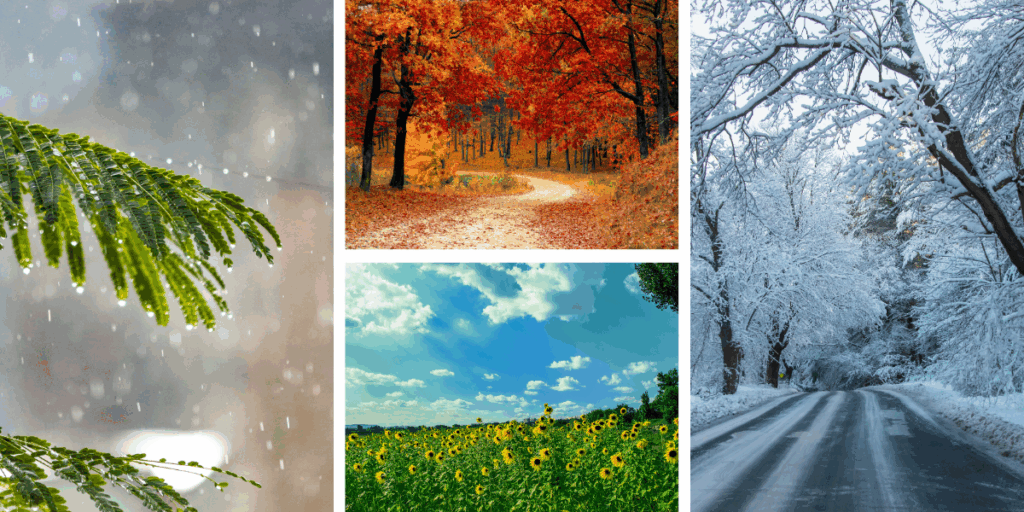
India’s climate varies widely, so timing your trip is crucial. However, what I feel is… for the travelpaglus, it’s never a concern. If the plan is set to explore, no climate change can affect that.
Seasons in India
Winter (October–March): Best time to visit most regions
For first-time visitors, the months of November to February offer the most comfortable weather.
Best Places to Visit in India (2026)
Best Hill Stations in India
Your ultimate travel guide to India is incomplete without discussing the best hill stations in India, categorized by region and travel vibe, making it easy to plan your trip.
North India
Perfect for snow, mountains, and classic hill-station charm.
1. Gulmarg, Kashmir
Skiing capital of India
Best for: Snow lovers
Best time: Dec–Feb (snow) | May–Jul
2. Manali, Himachal Pradesh
Snowfall, adventure sports, cafés
Best for: Honeymooners, backpackers
Best time: Oct–Feb (snow) | Mar–Jun (pleasant)
3. Shimla, Himachal Pradesh
Colonial charm, toy train, Mall Road
Best for: Families
Best time: Mar–Jun | Dec–Jan (snow)
4. Mussoorie, Uttarakhand
Queen of the Hills, scenic viewpoints
Best for: Weekend trips
Best time: Mar–Jun | Sep–Nov
5. Nainital, Uttarakhand
Lakes, ropeway, cozy vibe
Best for: Couples
Best time: Mar–Jun | Oct–Dec
North-East India
Offbeat, lush, and less crowded.
6. Darjeeling, West Bengal
Tea gardens, Kanchenjunga views
Best time: Mar–May | Oct–Nov
7. Shillong, Meghalaya
Scotland of the East, waterfalls
Best time: Sep–May
8. Gangtok, Sikkim
Monasteries, Himalayan views
Best time: Mar–Jun | Sep–Nov
South India
Green landscapes, misty hills, and calm retreats.
9. Ooty, Tamil Nadu
Tea estates, botanical gardens
Best time: Apr–Jun | Sep–Nov
10. Munnar, Kerala
Rolling tea plantations, cool weather
Best time: Sep–Mar
11. Coorg, Karnataka
Coffee plantations, waterfalls
Best time: Oct–Mar
12. Wayanad, Kerala
Forests, caves, wildlife
Best time: Oct–May
West India
Less explored, scenic, and serene.
13. Mount Abu, Rajasthan
Only hill station in Rajasthan
Best time: Oct–Mar
14. Lonavala & Khandala, Maharashtra
Monsoon magic, quick getaways
Best time: Jul–Sep
Top Beach Destinations in India
🌴 Goa
India’s most popular beach destination
Best beaches: Baga, Calangute, Anjuna, Palolem
Best for: Parties, nightlife, water sports
Best time: Nov–Feb
Andaman & Nicobar Islands
Crystal-clear water, white sand, coral reefs
Best beaches: Radhanagar (Havelock), Neil Island
Best for: Honeymoon, scuba diving
Best time: Oct–May
Kerala (Varkala & Kovalam)
•Cliff-side beaches, peaceful vibes
• Best for: Wellness, yoga, slow travel
• Best time: Oct–Mar
Lakshadweep
• Untouched, turquoise lagoons
• Best for: Luxury, privacy, snorkeling
• Best time: Oct–May
East Coast Beaches
Puri, Odisha
• Spiritual + beach combo
• Best for: Family trips
• Best time: Oct–Feb
Vizag (Visakhapatnam), Andhra Pradesh
• Clean beaches, hill-meets-sea views
• Best time: Oct–Mar
West Coast Hidden Gems
Gokarna, Karnataka
• Laid-back Goa alternative
• Best beaches: Om, Kudle, Half Moon
• Best time: Oct–Mar
Tarkarli, Maharashtra
• Clear waters, scuba diving
• Best time: Oct–Mar
Best Desert Destinations in India
This Ultimate Travel Guide to India also consists of desert locations to be explored by you. Here’s a list of the best desert destinations in India.
1. Jaisalmer, Rajasthan
The heart of the Thar Desert, Jaisalmer, is India’s most iconic desert destination. Known as the Golden City, it features Jaisalmer Fort, ornate havelis, camel safaris, sand dunes at Sam, and luxury desert camps.
Best for: Desert safaris, cultural shows, heritage stays
2. Sam Sand Dunes (Near Jaisalmer)
The most popular sand dunes in India, Sam offers classic desert landscapes, sunset views, camel rides, jeep safaris, and overnight stays in luxury tents.
Best for: Sand dunes, desert camping, stargazing
3. Bikaner, Rajasthan
Less crowded and more authentic, Bikaner is famous for Junagarh Fort, desert wildlife, and camel breeding farms. It’s ideal for travelers seeking a quieter desert experience.
Best for: Offbeat travel, local culture
4. Jodhpur, Rajasthan
Called the Blue City, Jodhpur sits on the edge of the Thar Desert. It offers a striking mix of desert scenery and royal architecture, dominated by the magnificent Mehrangarh Fort.
Best for: History, photography, culture
5. Khimsar, Rajasthan
A peaceful desert village known for Khimsar Fort and nearby sand dunes. It’s a great choice for luxury travelers wanting a serene desert stay.
Best for: Heritage hotels, relaxation
6. Osian, Rajasthan
Often called the Khajuraho of Rajasthan for its ancient temples, Osian combines desert landscapes with history and culture, just outside Jodhpur.
Best for: Temples, short desert escapes
7. Pushkar Desert Region
Though famous for its sacred lake, Pushkar is surrounded by semi-desert terrain and dunes. It’s especially popular during the Pushkar Camel Fair.
Best for: Festivals, cultural experiences
Best Time to Visit Indian Desert Destinations
October to March (cooler temperatures, festivals, ideal for safaris)
Best Devotional Destinations in India
India is one of the world’s most spiritually rich countries, offering sacred destinations for Hinduism, Buddhism, Jainism, Sikhism, Islam, and Christianity. Here are the best devotional destinations in India, visited by millions of pilgrims and spiritual travelers every year:
1. Varanasi, Uttar Pradesh
One of the oldest living cities in the world, Varanasi is considered the spiritual capital of India. Pilgrims come to bathe in the Ganges and attend the evening Ganga Aarti.
Best for: Moksha, Hindu rituals, spiritual immersion
2. Tirupati, Andhra Pradesh
Home to the Lord Venkateswara Temple, Tirupati is one of the richest and most visited temples in the world.
Best for: Hindu pilgrimage, devotion to Vishnu
3. Rishikesh & Haridwar, Uttarakhand
Located on the banks of the Ganges, these twin towns are major centers for yoga, meditation, and spiritual learning.
Best for: Yoga, meditation, spiritual retreats
4. Bodh Gaya, Bihar
The place where Lord Buddha attained enlightenment under the Bodhi Tree. It is one of the holiest Buddhist sites globally.
Best for: Buddhism, meditation, peace seekers
5. Vaishno Devi, Jammu & Kashmir
A revered shrine dedicated to Goddess Vaishno Devi, located in the Trikuta Mountains and reached via a scenic trek.
Best for: Shakti worship, pilgrimage trek
6. Amritsar, Punjab
Home to the Golden Temple, the holiest Sikh shrine, known for its spiritual atmosphere and community kitchen (Langar).
Best for: Sikhism, service, serenity
7. Kanchipuram, Tamil Nadu
Known as the City of Thousand Temples, it is one of Hinduism’s seven sacred cities.
Best for: Ancient temples, South Indian spirituality
8. Shirdi, Maharashtra
Associated with Sai Baba, Shirdi attracts devotees from all religions seeking blessings and healing.
Best for: Faith, devotion, miracles
9. Ajmer Sharif, Rajasthan
The dargah of Khwaja Moinuddin Chishti is one of the most important Islamic pilgrimage sites in India.
Best for: Sufi spirituality, harmony
10. Velankanni, Tamil Nadu
Known as the Lourdes of the East, Velankanni is a major Christian pilgrimage center.
Best for: Christian devotion, faith healing
Best Island Destinations in India
1. Andaman & Nicobar Islands
India’s most popular island destination is known for turquoise waters, white-sand beaches, coral reefs, and rich marine life.
Top Islands: Havelock (Swaraj Dweep), Neil (Shaheed Dweep) Best for: Beach lovers, scuba diving, honeymooners
2. Lakshadweep Islands
A pristine and less-crowded island chain in the Arabian Sea with crystal-clear lagoons and coral atolls.
Best for: Luxury escapes, snorkeling, eco-tourism Note: Permit required for most visitors
3. Majuli Island, Assam
The world’s largest river island, located on the Brahmaputra River, offering unique culture and natural beauty.
Best for: Cultural tourism, spirituality, slow travel
4. Diu Island, Gujarat
A small coastal island with Portuguese architecture, quiet beaches, and a laid-back vibe.
Best for: Heritage, budget beach travel
5. Elephanta Island, Maharashtra
Famous for ancient rock-cut caves dedicated to Lord Shiva, just a short ferry ride from Mumbai.
Best for: History, UNESCO World Heritage sites
6. Neil Island (Shaheed Dweep), Andaman
A tranquil alternative to Havelock, known for scenic beaches and coral reefs.
Best for: Peaceful stays, snorkeling, nature lovers
7. St. Mary’s Island, Karnataka
A group of volcanic islands known for unique basalt rock formations.
Best for: Day trips, geology enthusiasts
Best Time to Visit Indian Islands
October to April for Andaman & Lakshadweep
November to February for the river and coastal islands.
Best India Travel Itineraries
India is vast and diverse, so choosing the right itinerary depends on your travel time and interests. For first-time visitors, a 7-day Golden Triangle itinerary covering Delhi, Agra, and Jaipur is ideal, offering a perfect introduction to India’s history, culture, and iconic landmarks like the Taj Mahal.
If you have more time, a 10-day India itinerary adds depth by combining the Golden Triangle with Varanasi, India’s spiritual capital, or Kerala, known for its backwaters and wellness retreats. This option balances sightseeing with cultural immersion.
A 14-day India itinerary is best for travelers who want a fuller experience. Popular routes include Rajasthan + Kerala for heritage and nature, or North India + Himalayas for culture and adventure. Within two weeks, you can travel at a relaxed pace and explore multiple regions without rushing.
No matter the duration, well-planned India travel itineraries in 2026 allow you to experience the country’s rich diversity, excellent transport network, and unforgettable cultural contrasts.
7-Day India Itinerary (Golden Triangle)
Day 1–2: Delhi
Day 3: Agra
Day 4–5: Jaipur
Day 6–7: Return to Delhi / nearby experiences
Cost of Traveling India in 2026
India remains one of the best value destinations globally.
Daily Travel Costs (Per Person)
Travel Style
Daily Cost
Budget
$25–40
Mid-range
$50–90
Luxury
$150+
Average Expenses
Accommodation: $10–200+
Meals: $5–25
Transport: $3–30
Attractions: $2–15
India is extremely affordable without compromising experiences.
Transportation in India
Getting Around
Flights: Best for long distances and quick transfers
Trains: Extensive network, affordable, scenic
Metro systems: Available in major cities
Autos and Rikshaws: Best for affordable inter-city convenience
Ride apps: Rapido, Uber & Ola are widely used
Tip: Book trains early, especially during festivals.
Where to Stay in India
Accommodation Options
Budget hostels & guesthouses
Boutique hotels
Heritage palaces
Luxury resorts
Eco-lodges & homestays
Popular booking platforms offer competitive pricing and verified reviews.
Indian Food You Must Try
India is a paradise for food lovers.
Must-Try Dishes
Butter Chicken
Biryani
Masala Dosa
Chole Bhature
Street snacks like samosas & pani puri
Food Safety Tips
Eat freshly cooked food
Avoid untreated water
Choose busy street food stalls
India is also one of the most vegetarian- and vegan-friendly countries in the world.
Safety Tips for Traveling India
India is generally safe, but awareness is essential.
General Safety Tips
Dress modestly
Avoid isolated areas at night
Keep valuables secure
Use registered transport
For Solo & Female Travelers
Choose reputable accommodations
Share itineraries with family
Trust your instincts
Travel insurance is highly recommended.
Internet, SIM Cards & Digital Payments
Connectivity in India
Affordable 4G/5G coverage
Physical SIMs & eSIMs available
Excellent for digital nomads
Payments
UPI dominates digital payments
Cards are widely accepted in cities
Carry some cash for rural areas
Cultural Etiquette & Travel Tips
Do’s
Remove shoes in temples
Greet with “Namaste”
Respect local customs
Don’ts
Public displays of affection
Touching religious objects without permission
Wearing revealing clothing in rural areas
English is widely spoken, making communication easy.
Sustainable & Responsible Travel in India
Travel responsibly by:
Supporting local businesses
Avoiding plastic waste
Respecting wildlife
Choosing eco-friendly stays
India is actively promoting sustainable tourism in 2026.
Final Thoughts: Is India Worth Visiting in 2026?
Absolutely. India in 2026 is more accessible, affordable, and traveler-friendly than ever before. Whether you’re chasing culture, adventure, spirituality, food, or luxury, India promises a journey unlike any other.
If you’re planning a trip that will challenge your perspective and stays with you forever, India should be at the top of your list.
Travel, for me, is not about collecting destinations or chasing picture-perfect moments. It is about perspective, connection, and growth. Every journey you travel with Dblogera becomes a lesson about people, cultures, life, and myself.
At Dblogera, travel is a deeply personal experience. This space is where I share stories from the road, honest travel insights, and meaningful experiences that go beyond maps and itineraries.
Why Plan your Travel with Dblogera?
I travel to see the world for what it truly is—vast, diverse, layered, and endlessly fascinating.
When you step outside your familiar surroundings, you realize how small your own world is compared to the enormity of what exists beyond it. You begin to understand different struggles, joys, traditions, and ways of living. That awareness makes you more grounded, more patient, and more open-minded.
How Traveling Changed My Perspective on Life
Traveling has given me something far more valuable than photographs or checklists of places—it has given me perspective.
Every journey introduces me to new people, unfamiliar cultures, and life stories that are completely different from my own. Conversations with strangers, shared meals, local traditions, and everyday moments on the road make you realize how vast and diverse this world truly is.
Travel humbles you.
It teaches you that:
Your world is just a small part of something much bigger
Every person you meet is living a story you may never fully know.
There is so much more to learn, explore, and understand
Seeing different lifestyles, struggles, joys, and cultures makes you more grounded as a person. You begin to appreciate what you have, respect differences, and stay curious instead of judgmental.
Travel also opens doors to unexpected opportunities—new friendships, new ideas, and new ways of thinking. It pushes you out of comfort zones and reminds you that there is always more to discover, beyond borders and beliefs. For me, travel isn’t an escape from life—it changes how you think.
Traveling Gives You Perspective Like Nothing Else
One of the most beautiful things about traveling is the perspective it gives you.
Meeting people from different backgrounds and cultures allows you to see life through many lenses. You hear stories that stay with you, stories that remind you how interconnected we all are, yet how beautifully different our lives can be.
Travel with Dblogera shows you:
How big the world truly is
How many stories exist beyond your own
How much there is still to learn and discover
These experiences humble you in the best way possible. They make you appreciate what you have while staying curious about what lies ahead. For me, travel is not an escape from life—it is a way to understand life more deeply.
The Importance of Traveling in Today’s World
In today’s fast-paced, digitally driven life, travel helps us pause and reconnect—with ourselves and with the world.
🌍 It broadens your mindset
Exposure to different cultures and beliefs helps you grow emotionally and intellectually.
🧠 It refreshes your mental space
Stepping away from routine brings clarity, creativity, and balance.
🤝 It builds human connections
Travel creates opportunities to meet new people, form friendships, and learn from lived experiences.
🧭 It grounds you
The more you travel, the more you realize there’s always more beyond what you know—and that realization keeps you humble.
What You’ll Discover in the Dblogera Travel Section
When you plan your travel with Dblogera, the travel category is designed as a complete travel hub, where inspiration meets practical guidance.
✈️ Destination Travel Guides
In-depth blogs covering destinations across India (and beyond), including:
Must-visit places
Hidden gems and local experiences
Best time to visit
Things to do and travel tips
(All destination-specific blogs are linked from this page for easy exploration.)
🏔️ Indian Travel Experiences
India’s diversity is unmatched, and through Dblogera, I explore:
Hill stations and nature escapes
Cultural and historical destinations
Spiritual and devotional journeys
Offbeat and lesser-known places
🍛 Culture, Food & Local Stories
Because travel is incomplete without understanding local life, you’ll also find:
Regional cuisines and street food experiences
Cultural traditions and festivals
Stories inspired by local people and everyday moments
🧳 Travel Planning & Tips
Practical content to help you travel better:
Budget travel tips
Packing guides
Itinerary planning
Solo and slow travel insights
Travel for Every Kind of Explorer
Whether you are:
A solo traveler seeking freedom
A weekend traveler planning short escapes
A budget explorer traveling smart
A culture lover searching for authenticity
Dblogera’s travel stories are written to guide and inspire you—honestly and realistically.
My Travel Philosophy
The travel philosophy may vary from person to person. However, when you plan your travel with Dblogera, you will start believing in:
Responsible and mindful travel
Respecting local cultures and nature
Exploring beyond popular tourist spots
Collecting memories, not just photographs
Travel doesn’t have to be perfect or expensive—it only needs to be real.
Begin Your Journey with Dblogera
This travel pillar page will continue to evolve as I explore new destinations and share fresh experiences. Each destination blog you read will be connected here, making this page your starting point for meaningful travel inspiration.
👉 Scroll below to explore destination-wise travel blogs and begin your journey with Dblogera.
Explore more exploring stories and travel with DBlogera.