


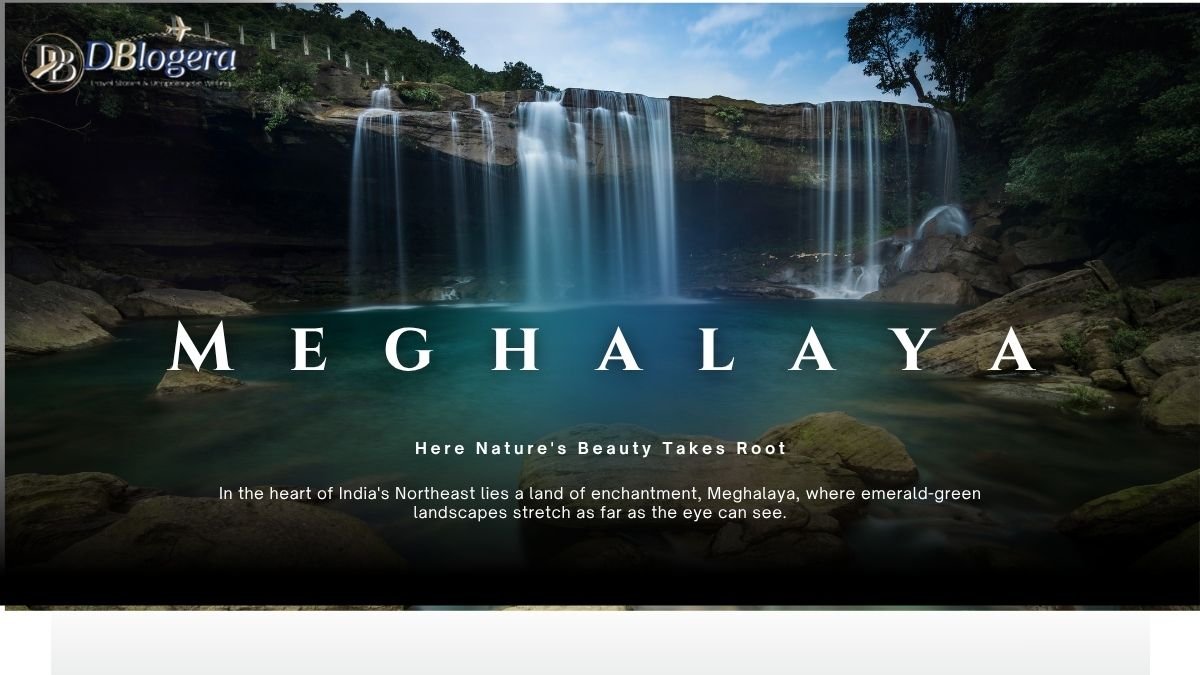
Meghalaya Travel Guide 2026 – Explore India’s Most Beautiful Cloud Kingdom
Meghalaya is one of the most extraordinary destinations in Northeast India, where clouds drift through valleys, waterfalls fall from dramatic cliffs, rivers remain crystal clear, and villages preserve traditions that have survived for generations. The word Meghalaya literally means “abode of clouds,” and once travelers enter this hill state, the meaning becomes visible everywhere—from mist-covered roads to rolling green landscapes and sudden rain showers that create magical scenery every few kilometers.
Unlike crowded mainstream hill stations, Meghalaya offers a deeply immersive travel experience where nature dominates every route. Every district presents a different character: the Khasi Hills offer root bridges and misty valleys, the Jaintia Hills reveal caves and rivers, while the Garo Hills showcase forest biodiversity and wildlife.
What makes Meghalaya especially attractive in 2026 is its growing popularity among travelers who seek slow travel, eco-tourism, offbeat exploration, and authentic local culture. Whether someone is planning a solo backpacking trip, a honeymoon, a family vacation, or a photography expedition, Meghalaya offers landscapes that constantly surprise visitors.
The state is also culturally rich because tribal life remains deeply integrated with everyday tourism. The Khasi, Jaintia, and Garo communities shape Meghalaya’s identity through language, architecture, food, festivals, and village-level environmental responsibility.
Why Meghalaya has become one of India’s most desired travel destinations
- Exceptional waterfalls in every region
- Famous living root bridges are unique to Meghalaya
- Clean villages and sustainable tourism practices
- Scenic road trips through clouds and valleys
- Transparent rivers are ideal for boating
- Natural caves and trekking routes
- Cool weather throughout most of the year
- Strong local cultural identity
- Excellent destination for photography and content creation
Traveling through Meghalaya feels less like moving from one tourist point to another and more like entering a living natural landscape where every road curve reveals a new dramatic scene 🌿✨
Best Time to Visit Meghalaya – Season-Wise Travel Planning
Choosing the right season for Meghalaya significantly changes the kind of experience travelers enjoy because the same location looks dramatically different in monsoon, winter, and summer. Meghalaya is one of the few Indian destinations where rain itself becomes part of tourism identity, but different seasons suit different travel goals.
The most preferred travel season is from October to April because roads remain more stable, skies are clearer, and long sightseeing days become easier. However, monsoon lovers often deliberately visit during rainfall because waterfalls become more powerful and forests turn intensely green.
Each season has its own advantages depending on whether travelers prioritize waterfalls, trekking, clear photography, or cultural exploration.
Winter Season in Meghalaya (October to February)
Winter is considered the most balanced season for Meghalaya travel because temperatures remain comfortable while visibility improves significantly across valleys and viewpoints.
Shillong becomes especially attractive during winter because mornings remain crisp and evenings create a cozy hill-town atmosphere.
Why winter is ideal
- Clear views at major viewpoints
- Comfortable trekking weather
- Better road conditions
- Perfect boating season in Dawki
- Ideal for photography
Temperature Range
- Day: 12°C to 18°C
- Night: 4°C to 10°C
Winter mornings often begin with thin mist that slowly lifts, revealing beautiful valleys and pine-covered slopes.
Summer Season in Meghalaya (March to May)
Summer remains mild compared to most parts of India, making Meghalaya an excellent escape from heat.
Advantages of summer travel
- Pleasant daytime climate
- Fewer weather disruptions
- Easy waterfall access
- Good for village tourism
Summer is ideal for travelers who want relaxed exploration without heavy rainfall.
Monsoon Season in Meghalaya (June to September)
Monsoon defines Meghalaya’s natural identity. During these months, waterfalls become enormous, rivers swell, and clouds dominate every mountain road.
Cherrapunji becomes especially dramatic during monsoon because rainfall intensifies every waterfall and cliff.
Monsoon highlights
- Massive waterfall flow
- Deep green landscapes
- Cloud-filled valleys
- Highly dramatic photography
Monsoon challenges
- Slippery roads
- Delayed travel timing
- Limited long-distance movement
For travelers who love dramatic landscapes, the monsoon offers Meghalaya at its most powerful 🌧️
How to Reach Meghalaya – Complete Transport Guide
Although Meghalaya itself does not have extensive railway connectivity, reaching the state is straightforward because nearby Guwahati serves as the main transport gateway.
Almost every Meghalaya itinerary begins from Guwahati because flights, trains, and road transport are easily available there.
By Air – Nearest Airport for Meghalaya
The nearest major airport is Lokpriya Gopinath Bordoloi International Airport.
This airport connects Meghalaya with major Indian cities including Delhi, Mumbai, Bengaluru, Kolkata, and Hyderabad.
Airport advantages
- Frequent flights
- Better pricing options
- Easy taxi access
Guwahati to Shillong distance
- Approx 100 km
- Travel time: 3 to 4 hours
By Train – Best Railway Option
Guwahati Railway Station is the most practical rail entry point.
Why do train travelers prefer Guwahati
- Budget friendly
- Major long-distance connectivity
- Easy onward taxi booking
By Road – Most Scenic Way to Enter Meghalaya
The road from Guwahati to Shillong is itself one of the highlights of Meghalaya travel.
Scenic road experience includes
- Rolling hills
- Cloud patches
- Tea stops
- Valley curves
Shared cabs, buses, and private taxis are easily available.
Places to Visit in Meghalaya
Shillong – Meghalaya’s Cultural Capital and Travel Gateway
Shillong is not just Meghalaya’s capital but also its most culturally vibrant destination. Often called Scotland of the East, Shillong combines natural beauty, colonial influence, local music culture, modern cafes, and hill-town charm.
Shillong serves as the ideal base for first-time travelers because most Meghalaya routes begin here. The city has enough attractions to justify at least two full days of exploration.
Unlike purely scenic destinations, Shillong also offers urban energy. Travelers can move from peaceful viewpoints to lively cafés within minutes.
Umiam Lake – Meghalaya’s Most Scenic Entry Point
Umiam Lake appears before entering Shillong and often becomes the first major stop for visitors.
This massive lake surrounded by hills creates one of the most peaceful landscapes in Northeast India.
Activities at Umiam Lake
- Boating
- Kayaking
- Photography
- Sunrise viewing
Why travelers stop here
- Easy access from highway
- Wide panoramic views
- Calm atmosphere
Shillong Peak – Highest Viewpoint Near the City
Shillong Peak provides panoramic views of the city and the surrounding hills.
Best time to visit
- Morning
- Late afternoon
Carry with you
- Light jacket
- Camera
- Water bottle
Police Bazaar – Shopping and Street Energy
Police Bazaar remains Shillong’s busiest market area.
Popular shopping items
- Tribal shawls
- Bamboo crafts
- Local snacks
- Handmade souvenirs
Shillong’s evening energy makes it one of Northeast India’s most enjoyable urban travel experiences 🌆
Cherrapunji – Land of Rain, Cliffs and Legendary Waterfalls
Cherrapunji remains Meghalaya’s most iconic destination because of its extreme rainfall history, dramatic cliffs, waterfalls, and root bridge landscapes.
Even though modern records now often mention nearby areas like Mawsynram for the highest rainfall, Cherrapunji continues to dominate tourism because of accessibility and variety.
Nohkalikai Falls – India’s Tallest Plunge Waterfall
Nohkalikai Falls is one of India’s most visually striking waterfalls.
The waterfall drops dramatically from high cliffs into a turquoise pool below.
Why is it unforgettable
- Massive vertical drop
- Beautiful color contrast
- Mist effects in the monsoon
Best season
- Monsoon
- Post monsoon
Seven Sisters Falls – Multi-Layer Waterfall Spectacle
Seven Sisters Falls becomes most powerful during rainfall season.
Highlights
- Seven visible streams
- Wide valley backdrop
- Sunset photography
Mawsmai Cave – Easy Cave Exploration
Mawsmai Cave introduces travelers to Meghalaya’s limestone cave systems.
Inside experience
- Narrow rock passages
- Limestone textures
- Natural light openings
Living Root Bridges – Meghalaya’s Most Extraordinary Natural Wonder
The living root bridges are among the rarest forms of natural architecture in the world. Khasi communities guide tree roots for decades until they become functional bridges capable of supporting human movement.
These bridges represent sustainability, patience, and local ecological intelligence.
Double Decker Root Bridge Trek
The Double Decker Living Root Bridge is Meghalaya’s most famous trek.
The descent includes thousands of steps through the forest, streams, and hanging bridges.
Trek essentials
- Good trekking shoes
- Water
- Light backpack
- Energy snacks
Trek difficulty
- Moderate
- Requires stamina
Rainbow Falls Extension Trek
Beyond Nongriat, adventurous trekkers continue toward hidden waterfalls.
Why continue further
- Less crowd
- Strong scenic reward
- Clear natural pools
The trek is physically demanding but unforgettable 🥾
Dawki – Crystal Water and Border Landscape
Dawki has become globally famous because of the transparent water of the Umngot River.
In winter, boats appear to float in the air because the water becomes exceptionally clear.
Boating in the Umngot River
The Meghalaya Travel Guide is incomplete without a boating experience as, this remains Meghalaya’s most photographed boating experience.
Why is boating special
- Extraordinary water clarity
- Reflection photography
- Calm atmosphere
Best season
- November to February
Suspension Bridge Views
Border Experience
Dawki’s bridge provides strong river visuals.
Nearby routes reveal the India-Bangladesh border landscape.
Mawlynnong – India’s Cleanest Village Experience
Mawlynnong represents community-led eco-tourism.
The village remains globally admired because cleanliness is maintained through local participation rather than tourism branding alone.
Village Walk
Walking through Mawlynnong reveals:
- Bamboo pathways
- Flower gardens
- Traditional homes
Bamboo Sky View Tower
The tower offers distant Bangladesh plains views.
Sustainable Tourism Learning
Visitors often learn:
- Waste segregation
- Local environmental discipline
- Community tourism ethics
Meghalaya Food Guide – Local Flavours Every Traveler Should Try
Meghalaya cuisine is simple, earthy, and deeply linked to tribal food traditions.
Jadoh
Jadoh is the most famous Khasi rice dish.
Dohneiiong
Dohneiiong includes pork cooked with sesame.
Tungrymbai
Tungrymbai uses fermented soybeans.
Best places to eat
- Shillong local cafes
- Traditional eateries
- Homestays
Meghalaya Travel Guide- Budget 2026
Meghalaya Budget Travel entirely depends on your choices and trip budget. Budget depends heavily on transport style, food Options, the stay you select, and activities you choose.
Budget Travel
- ₹1500–₹2500/day
Mid Range
- ₹3500–₹6000/day
Premium Travel
- ₹8000+ daily
Major expenses
- Taxi
- Stay
- Food
- Entry fees
Essential Meghalaya Travel Tips for 2026
Carry always
- Rain protection
- Cash
- Trek shoes
- Warm layer
Respect local culture
- Ask before photographing people
- Avoid littering
- Follow village rules
Connectivity notes
- Mobile signal is weak in remote zones
Why Meghalaya Should Be on Every Traveler’s 2026 Bucket List
Meghalaya offers something increasingly rare in modern tourism: genuine natural immersion without excessive commercialization. It is a destination where waterfalls are not background scenery but living forces, where villages teach environmental responsibility, and where every road reveals dramatic beauty.
Unlike destinations that rely on one or two major attractions, Meghalaya continuously rewards movement—every extra kilometer introduces a new cliff, cave, stream, or cloud formation.
For travelers seeking beauty, silence, adventure, and meaningful travel, Meghalaya remains one of India’s strongest experiences in 2026 🌿☁️✨
Hidden Places in Meghalaya Most Tourists Miss
Many travelers only cover Shillong, Cherrapunji, Dawki, and Mawlynnong, but Meghalaya has several hidden destinations that offer extraordinary beauty with fewer crowds. So, in my opinion, if you are planning to travel to Meghalaya, this Meghalaya Travel Guide suggests you cover all the hidden places too for the extra ordinary experience.
1. Mawphlang – Sacred Forest Experience
Mawphlang is one of Meghalaya’s most spiritually significant hidden places because of its sacred forest protected by Khasi traditions.
The forest contains ancient trees, medicinal plants, moss-covered stones, and ritual history.
Why visit Mawphlang
- Dense ancient forest
- Unique cultural heritage
- Guided forest walks
Best experience
- Morning guided trail
- Slow nature photography
2. Laitlum Canyons – Meghalaya’s Most Dramatic Valley View
Laitlum Canyons remains one of the most visually powerful hidden viewpoints in Meghalaya.
The word Laitlum means the end of hills, and the landscape truly feels endless.
Why Laitlum is special
- Massive valley depth
- Low tourist density
- Ideal sunrise photography
Best time
- Early morning
- Sunset
3. Mawlyngbna – Adventure Village Hidden from Mainstream Tourism
Mawlyngbna is emerging as one of Meghalaya’s most exciting hidden eco-tourism villages. It combines water adventure with geology and rural tourism.
Activities here
- Kayaking
- Cliff jumping
- Fossil spotting
- Village stay
4. Krang Suri Falls – Hidden Blue Waterfall
Krang Suri is one of Meghalaya’s most beautiful hidden waterfalls because of its vivid blue water.
Unlike larger famous waterfalls, Krang Suri offers intimate natural beauty.
Why travelers love it
- Swimming possible
- Strong turquoise water
- Less commercial feel
5. Phe Phe Falls – Secret Waterfall Trek
Phe Phe Falls remains less explored because reaching it requires effort.
Why worth visiting
- Twin waterfall effect
- Remote landscape
- Fewer tourists
6. Shnongpdeng – Better Alternative to Dawki Stay
Many travelers visit Dawki but miss Shnongpdeng, which offers more immersive river experiences.
Why stay here
- Riverside camping
- Clear water activities
- Fewer crowds
Activities
- Snorkeling
- Cliff diving
- Boating
7. Wei Sawdong Falls – Hidden Multi-Level Waterfall
Wei Sawdong is one of Meghalaya’s most photogenic hidden waterfalls.
Why it stands out
- Three-level waterfall structure
- Deep blue pools
- Dramatic staircase descent
8. Mawsynram – Beyond the Rainfall Record
Though famous for rainfall, Mawsynram is still less explored than Cherrapunji.
Hidden attractions
- Mist-covered roads
- Village landscapes
- Cave exploration
Suggested 8-Day Meghalaya Itinerary
Day 1 – Guwahati to Shillong
Day 2– Shillong local sightseeing
Day 3– Shillong to Cherrapunji
Day 4– Root bridge trek
Day 5– Waterfalls and caves
Day 6– Dawki + Mawlynnong
Day 7– Village exploration
Day 8– Return to Guwahati
Also, give a read:
15 Best Mountain Destinations in India
Top Indian Devotional Destinations to Visit in 2026
Follow us on:
Facebook
Instagram
Pinterest
Here are a few FAQs for the Meghalaya Travel Guide
1. What is the best time to visit Meghalaya?
The best time to visit Meghalaya is from October to April because the weather remains pleasant, road conditions are better, and major attractions are easier to explore. Winter offers clear skies, ideal conditions for sightseeing, trekking, and photography, especially in Shillong, Cherrapunji, and Dawki.
Best seasonal choices
- October to February for clear views
- March to April for mild weather
- June to September for waterfalls and monsoon lovers
2. How many days are enough for Meghalaya?
A 7 to 8-day trip is considered ideal for Meghalaya because it allows travelers to comfortably explore major destinations without rushing.
Recommended trip duration
- 3 days for major highlights only
- 5 days for popular destinations
- 7 to 8 days for the complete experience
Places covered in 7 days
- Shillong
- Cherrapunji
- Dawki
- Mawlynnong
- Nongriat
3. Is Meghalaya expensive for tourists?
Meghalaya can be explored on different budgets depending on accommodation and transport choices.
Budget estimate per day
- Budget trip: ₹1500–₹2500
- Mid-range trip: ₹3500–₹6000
- Premium trip: ₹8000+
Main expenses include
- Taxi fares
- Hotels
- Food
- Entry tickets
4. Is Shillong safe for solo travelers?
Shillong is considered one of the safest hill cities in Northeast India. Solo travelers, including women travelers, often choose Shillong because the city has a calm environment, active local community, and tourist-friendly atmosphere.
Safety advantages
- Friendly local culture
- Good urban connectivity
- Tourist presence throughout the year
5. Which is better: Cherrapunji or Dawki?
Both destinations offer completely different experiences.
Cherrapunji is best for
- Waterfalls
- Caves
- Root bridges
- Valley viewpoints
Dawki is best for
- Crystal clear river
- Boating
- Riverside photography
Travelers should ideally include both.
6. What food is famous in Meghalaya?
Meghalaya’s local cuisine reflects Khasi and tribal food traditions.
Must try dishes
- Jadoh
- Dohneiiong
- Tungrymbai
7. Can Meghalaya be visited in the monsoon?
Yes, Meghalaya becomes extremely beautiful during the monsoon, but travelers should expect slower road movement and slippery trekking routes.
Monsoon advantages
- Strong waterfalls
- Lush landscapes
- Dramatic cloud scenery
Monsoon caution
- Carry waterproof gear
- Start travel early
8 What is the nearest airport to Meghalaya?
The nearest major airport is Lokpriya Gopinath Bordoloi International Airport.
Most travelers reach Meghalaya through Guwahati and continue by road.












2 Comments
Pingback: Ultimate Travel with Dblogera in 2026-Best Destinations & Experiences
Pingback: The Best budget honeymoon destinations for Indians in 2026