


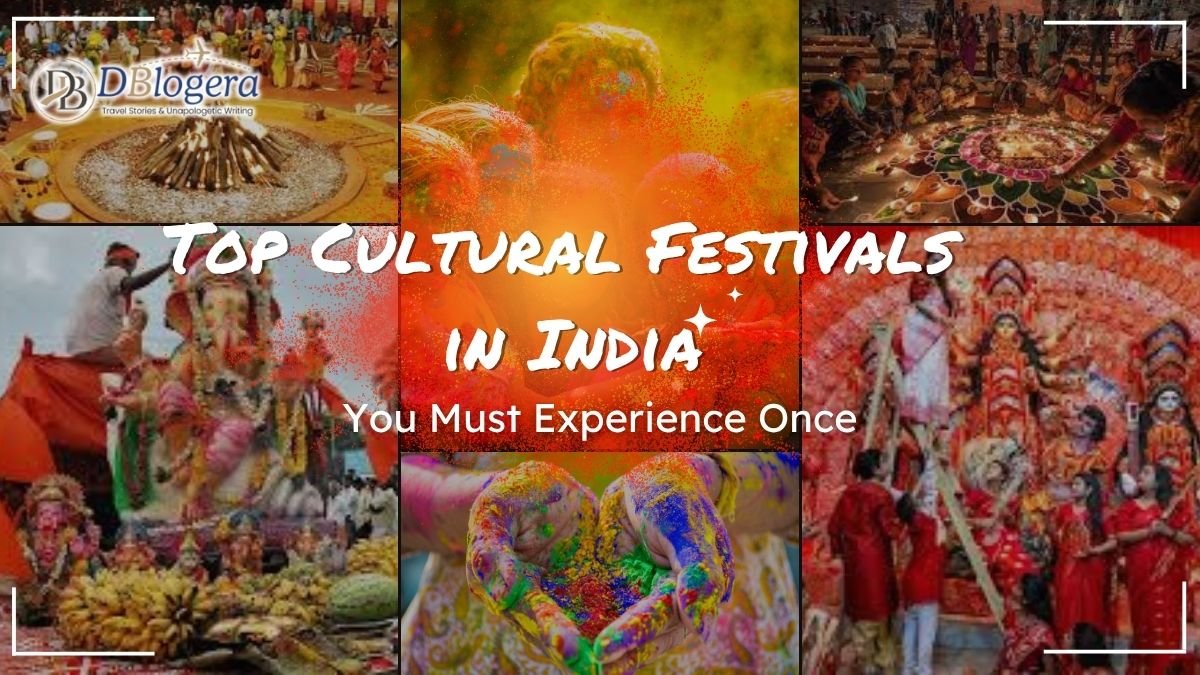
India is often described as a land where every season has a celebration, every region has a ritual, and every festival tells a story that has evolved through centuries of faith, agriculture, trade, migration, and community life. What makes Indian festivals extraordinary is not only their spiritual significance but also the way they unite food, music, textiles, dance, architecture, local economy, and family traditions into one immersive cultural experience.
People celebrate hundreds of cultural festivals in India every year, each reflecting regional traditions, spiritual beliefs, seasonal cycles, and community identity. From Diwali to Durga Puja, these festivals offer travelers an immersive way to experience Indian heritage through rituals, food, music, and local customs.
For travelers, cultural researchers, photographers, and heritage enthusiasts, festivals offer the most authentic way to understand India beyond monuments and itineraries. A city during festival season becomes a living museum: markets expand, traditional garments return to prominence, folk performances come alive, and family recipes pass from one generation to another. In many places, festivals also define annual tourism cycles, influencing hotel occupancy, local handicraft sales, and pilgrimage movement.
In 2026, cultural tourism is expected to remain one of the strongest travel motivations in India because visitors increasingly seek meaningful experiences rather than only sightseeing. Festivals create those memorable moments—watching lamps float on riverbanks, hearing drums echo through temple courtyards, witnessing giant community feasts, or seeing ancient rituals preserved in contemporary settings.
This guide for Cultural festivals in India explores the top cultural festivals in India you must experience once, not only for their visual appeal but for their deeper cultural meaning. Each section explains historical roots, regional uniqueness, travel timing, local customs, and why each festival continues to shape Indian identity in modern times.
Why Festivals Are the Soul of Indian Culture
Indian festivals are not isolated events; they are living expressions of civilizational continuity. A single festival often combines mythology, seasonal change, agricultural cycles, local beliefs, and social participation. In many households, festival preparation begins weeks before the actual date, showing that the emotional and cultural significance extends far beyond one ceremonial day.
Festivals also function as social equalizers. Neighbors exchange sweets, communities organize collective events, artisans receive seasonal income, and local performers gain renewed visibility. In villages, festivals preserve oral storytelling traditions, while in cities they strengthen cultural memory in fast-changing urban environments.
A major reason Indian festivals remain globally fascinating is their regional adaptation. The same festival can be celebrated differently across states. A harvest celebration in one region may include temple offerings, while another region may focus on folk dance and cattle rituals. This diversity means that festival tourism in India never feels repetitive.
For DBlogera readers interested in culture, understanding festivals means understanding:
- local identity
- seasonal symbolism
- food heritage
- dress traditions
- family rituals
- folk performance systems
- regional spirituality
Festivals are also powerful archives of intangible heritage. Songs sung during weddings, rangoli patterns created during harvest celebrations, and traditional recipes prepared only once a year all survive because festivals provide recurring occasions for transmission.
Diwali – The Festival of Light, Renewal, and Prosperity

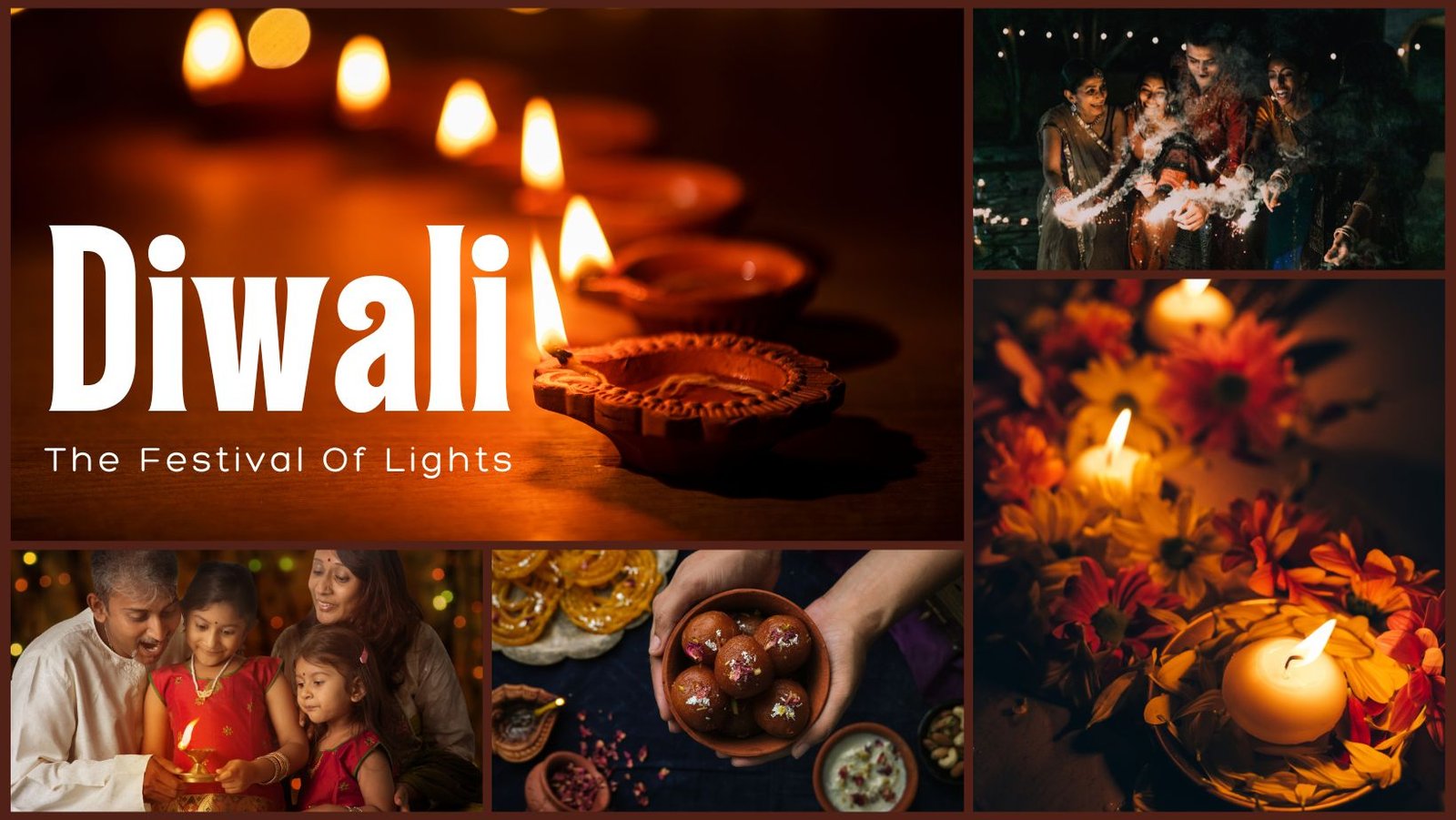
Diwali is perhaps the most internationally recognized Indian festival, yet its depth goes far beyond lights and fireworks. It symbolizes the victory of light over darkness, knowledge over ignorance, and renewal over stagnation. Celebrated across India with regional variations, Diwali transforms homes, markets, temples, and entire cities into illuminated landscapes.
Preparations begin with deep cleaning, symbolic of inviting prosperity. Homes are decorated with diyas, rangoli, flowers, and lamps. Families purchase new clothes, exchange sweets, and conduct prayers dedicated to prosperity and abundance.
In northern India, Diwali often commemorates the return of Lord Rama to Ayodhya after exile. In western India, business communities associate it with new financial beginnings and accounting rituals. In southern India, local traditions emphasize spiritual purification and early morning rituals.
Travelers during Diwali experience:
- illuminated heritage streets
- festive bazaars
- handcrafted lamps
- traditional sweets
- ceremonial prayers
- family gatherings
Cities such as Varanasi become particularly magical during Diwali because ghats glow with thousands of lamps.
The festival also strongly supports local economies. Potters, sweet makers, textile sellers, florists, and artisans all benefit from seasonal demand.
For cultural writing, Diwali is significant because it demonstrates how mythology, economy, domestic rituals, and aesthetics merge into one large national celebration.
(*NOTE: In my Opinion if you are a traveler who wants to experience Diwali, the festival of Lights, and the ultimate firework, light show, and the craze in all age groups, you should definitely visit Banaras during Dev Deepawali. Here, the crowd can be unbelievably huge, but it will definitely give you a lifetime experience.)
Holi – The Festival of Colors and Social Joy

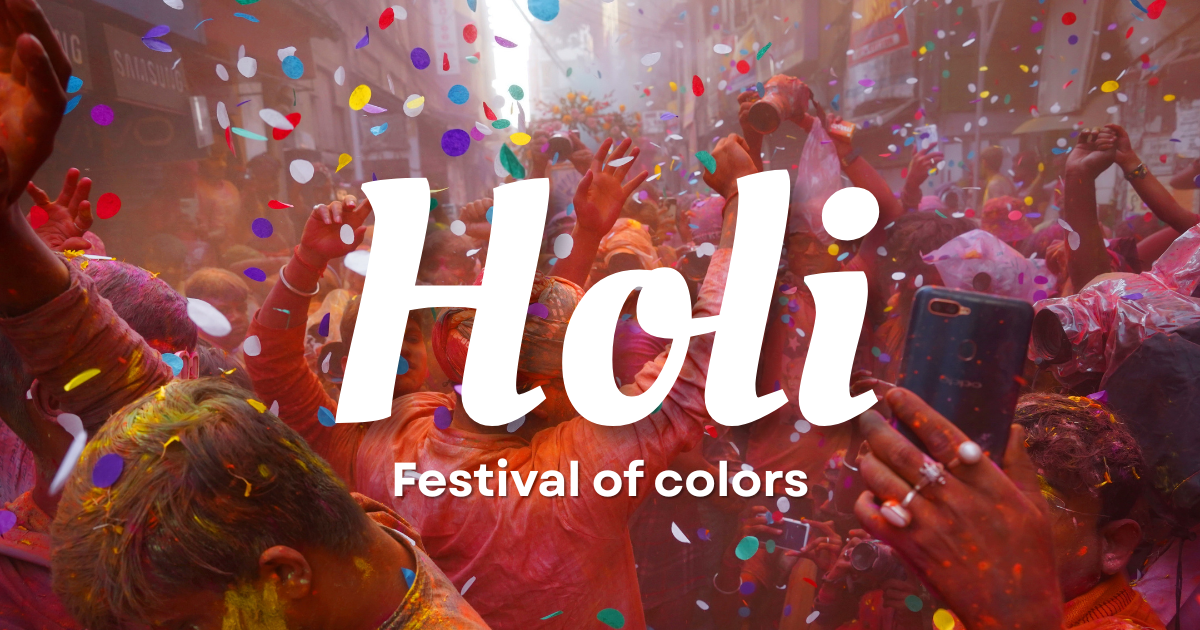
Holi marks the arrival of spring and symbolizes joy, forgiveness, and social release. It is one of India’s most energetic festivals, known for vibrant colors, music, and open celebration.
The festival begins with Holika Dahan, a ritual bonfire symbolizing victory over negativity. The following day, colored powders fill streets, public spaces, and courtyards.
What makes Holi culturally important is that it temporarily relaxes social boundaries. Communities interact more freely, age barriers soften, and public celebration becomes collective.
Regional forms make Holi especially fascinating:
- Lathmar Holi in Mathura
- Temple Holi traditions in Vrindavan
- folk music-based Holi in rural north India
Travelers often describe Holi as sensory immersion:
- drums
- colors
- sweets
- dance
- local songs
- street gatherings
Traditional foods include gujiya, malpua, and festive beverages prepared specifically for the season.
For SEO-rich cultural writing, Holi offers strong content around:
- seasonal symbolism
- Krishna traditions
- community celebration
- tourism patterns
Durga Puja – Art, Devotion, and Urban Cultural Identity

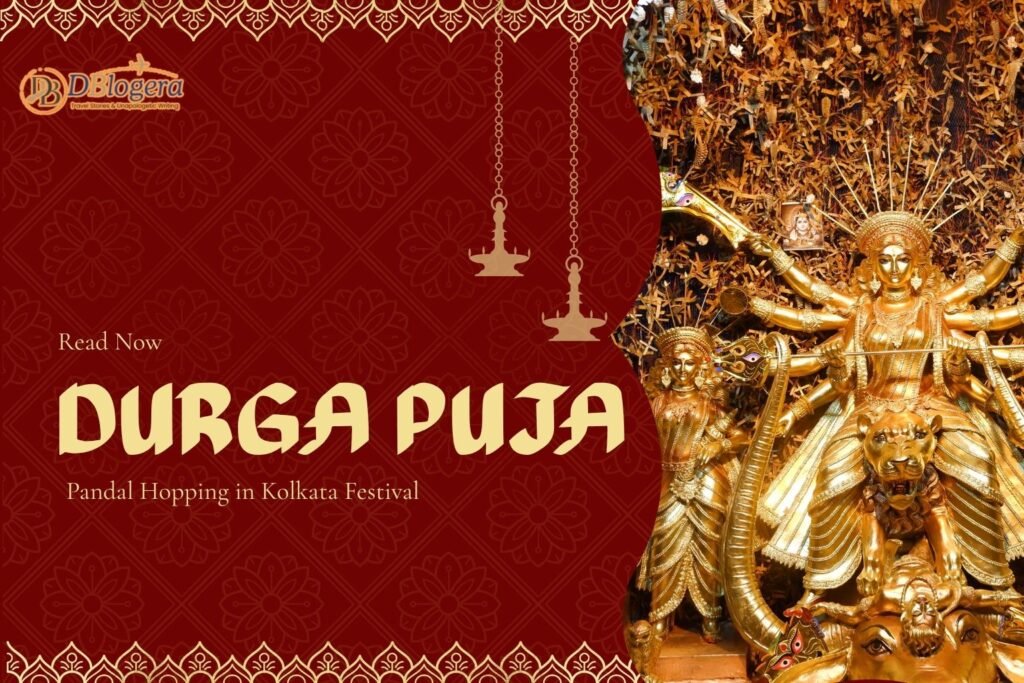
People celebrate hundreds of cultural festivals in India, but being a Bong, my favourite is Durga Puja. As it is one of the grandest cultural festivals in eastern India, especially associated with Kolkata. More than a religious event, it is a city-wide cultural phenomenon combining sculpture, architecture, design, literature, and social gathering.
Temporary structures called pandals are built with remarkable artistic creativity. Themes may reflect mythology, contemporary issues, heritage architecture, or experimental art.
Durga idols themselves are masterpieces of craftsmanship, especially from artisan districts where sculptors work for months.
Key cultural layers include:
- artistic installations
- devotional rituals
- literary gatherings
- traditional fashion
- music performances
- culinary street culture
Durga Puja nights transform Kolkata into an open cultural corridor where families move from one pandal to another.
For travelers, the experience includes:
- midnight food streets
- drumming traditions
- community rituals
- traditional attire
This festival also reveals how urban modernity can coexist with ritual heritage.
Onam – Agricultural Memory and Community Harmony
Celebrated in Kerala, Onam is one of the most visually elegant festivals in India. Rooted in harvest traditions and the legendary return of King Mahabali, Onam represents prosperity, inclusiveness, and seasonal abundance.
One of the strongest visual identities of Onam is the floral decoration known as pookalam.
Cultural highlights include:
- traditional floral patterns
- grand vegetarian feast (Onam sadya)
- boat races
- folk dances
- temple rituals
The Onam feast itself is a cultural document, presenting multiple dishes served in sequence on banana leaves.
Travelers are often drawn to:
- snake boat races
- traditional white-gold clothing
- village festivities
- classical dance performances
Onam demonstrates how food and agriculture preserve collective memory.
Pongal – Gratitude, Agriculture, and Rural Heritage
In Tamil Nadu, Pongal is deeply connected to harvest and gratitude toward nature, cattle, and sunlight.
The four-day festival includes:
- Bhogi
- Surya Pongal
- Mattu Pongal
- Kaanum Pongal
Fresh rice is cooked ceremonially until it overflows, symbolizing abundance.
Important cultural experiences include:
- kolam designs
- cattle decoration
- temple rituals
- family reunions
Pongal offers one of India’s most direct examples of agricultural heritage preserved in modern times.
Bihu – Rhythm, Youth, and Seasonal Renewal
In Assam, Bihu represents seasonal transitions and youthful celebration.
The most famous, Rongali Bihu, marks spring.
Distinctive cultural elements:
- Bihu dance
- folk instruments
- woven textiles
- rice-based food traditions
Bihu is especially important because it strongly preserves regional identity through performance.
Travelers experience open fields, community music, and traditional gatherings.
Hornbill Festival – Tribal Heritage in Contemporary Form

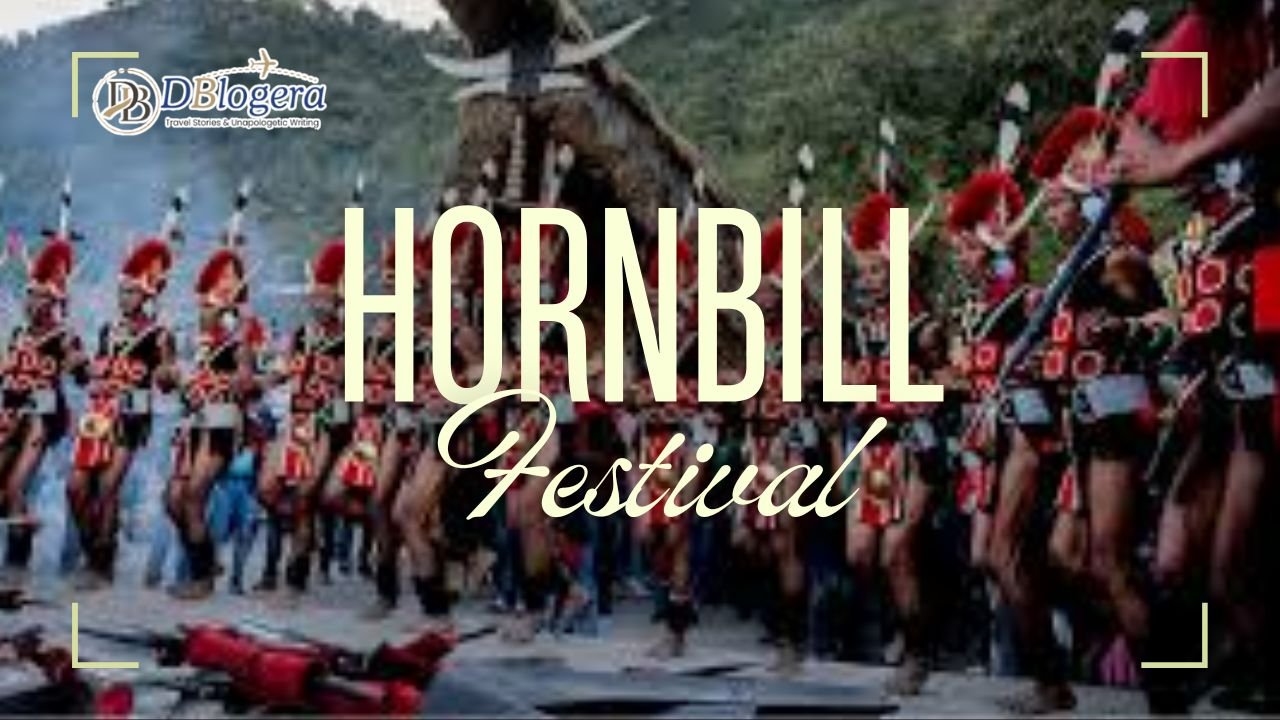
There are hundreds of cultural festivals in India however, this one held in Nagaland, the Hornbill Festival, showcases tribal traditions through organized cultural presentations.
Visitors encounter:
- indigenous dance
- warrior traditions
- tribal cuisine
- crafts
- oral heritage
This festival is one of the strongest examples of how regional identity can be presented responsibly to national and global audiences.
Pushkar Camel Fair – Trade Meets Tradition
Held in Pushkar, this festival combines livestock trade, folk culture, pilgrimage, and tourism.
Cultural highlights:
- camel decoration
- desert music
- folk dance
- rural markets
It is both economic and cultural, making it one of India’s most layered festival experiences.
Lesser-Known Cultural Festivals Worth Traveling for in 2026
Many travelers know major festivals, but lesser-known events often offer more intimate cultural immersion.
Examples include:
- village harvest rituals
- tribal dance gatherings
- river worship ceremonies
- temple music festivals
These smaller festivals often preserve older forms of participation untouched by large tourism flows.
Best Time to Plan Festival Travel in India
Indians celebrate cultural festivals in India approximately throughout the year. However, to experience specific Festivals, travel requires perfect timing because dates often follow lunar calendars.
Best planning practices:
- book early
- Check regional calendars
- Stay near the main venues
- understand local etiquette
Peak cultural months often include:
- October–November
- January
- March–April
Food Traditions That Make Festivals Unforgettable
Every culture in Indian festivals has a different culinary identity.
Examples:
- Diwali sweets
- Holi gujiya
- Onam sadya
- Pongal rice
- Bihu pitha
Festival food is often seasonal, symbolic, and linked to local agriculture.
Cultural Etiquette for Festival Travelers
Respect matters deeply. People who are traveling to explore cultural festivals in India should definitely follow a few dos and don’ts.
Travelers should:
- dress modestly where needed
- Ask before photography
- Respect ritual spaces
- Follow local timing
Good cultural behavior creates better access and deeper experiences.
Why Indian Festivals Matter More in 2026
As urban life becomes faster, festivals increasingly act as anchors of cultural continuity.
They preserve:
- language
- ritual
- craftsmanship
- family memory
- local identity
Festival tourism is also creating new economic opportunities for artisans and local communities.
Below are a few frequently asked questions related to cultural festivals in India.
FAQs
1 Which is the most famous cultural festival in India?
Diwali is widely considered the most nationally recognized festival.
2 Which Indian festival is best for foreign tourists?
Holi and Durga Puja are highly popular.
3 Which harvest festival is most unique?
Onam and Pongal.
4 Which cultural festival is best for tribal heritage?
Hornbill Festival.
Also, give a read:
15 Best Mountain Destinations in India
Top Indian Devotional Destinations to Visit in 2026
Complete Varanasi Travel Guide 2026








1 Comment
Pingback: Poila Boishakh 2026: Bengali New Year Guide