


Introduction to Jaisalmer – Why Every Traveler Should Visit the Golden City of India
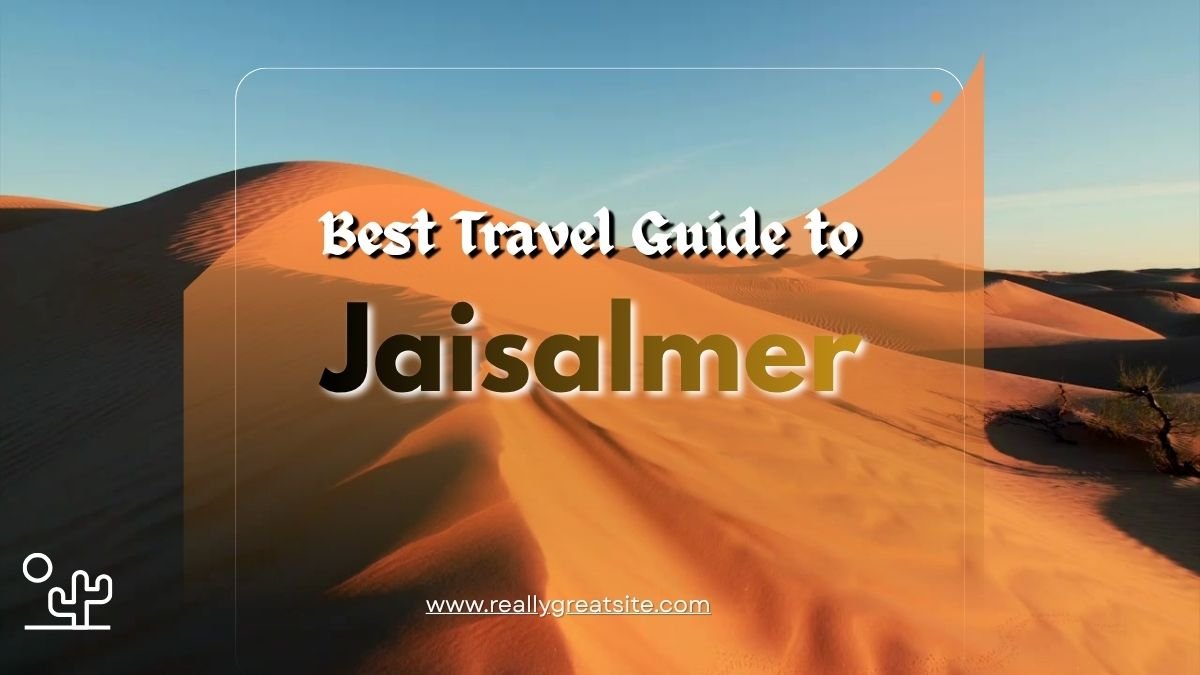
Jaisalmer is one of the most extraordinary travel destinations in Rajasthan, known globally as The Golden City of India because of its honey-colored sandstone architecture that glows brilliantly under sunlight 🌅. Located near the heart of the Thar Desert, Jaisalmer offers a travel experience that combines royal history, desert adventure, architectural heritage, cultural richness, local cuisine, spiritual landmarks, and unforgettable sunsets. Unlike many tourist cities that focus on a single attraction, Jaisalmer presents a complete travel ecosystem where forts, havelis, temples, dunes, villages, border history, and folk culture exist together in remarkable harmony.
For travelers planning a Rajasthan journey, Jaisalmer often becomes the highlight because it feels dramatically different from urban India. The city’s golden appearance changes with the sun, creating a constantly shifting landscape for photographers, historians, and explorers. By morning, the fort appears pale gold; by afternoon, it becomes bright amber; and by evening, the entire city looks dipped in molten sunlight ✨.

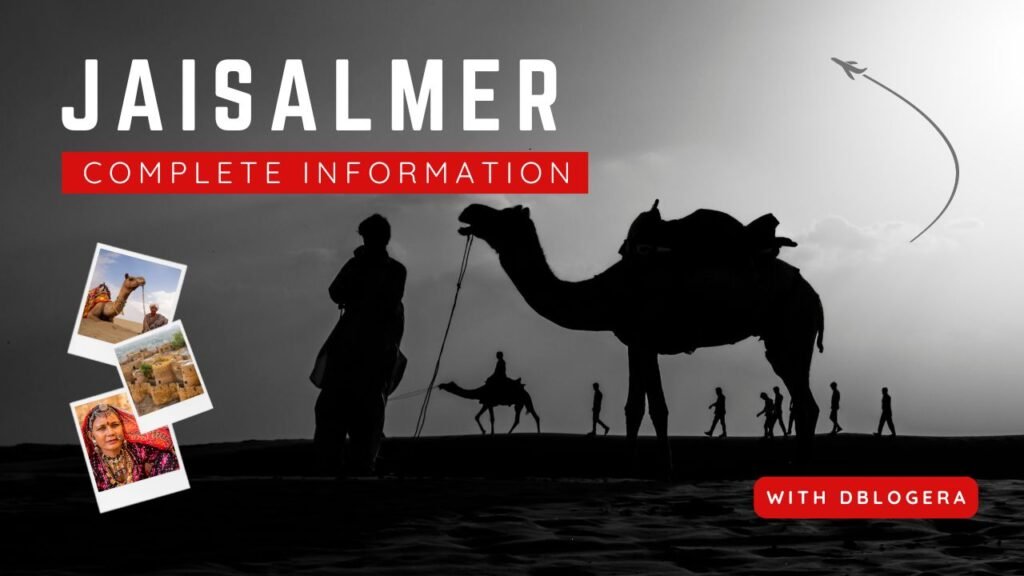
Jaisalmer is also historically important because it once served as a major trade center connecting India with Central Asia and Persia. Wealth generated through caravan trade built many of the magnificent mansions that visitors admire today. Here in the Travel Guide to Jaisalmer, we will discover all you should know before planning a trip to Jaisalmer.
Why Jaisalmer Is Called the Golden City
- Yellow sandstone dominates the city’s architecture
- Buildings glow golden under desert sunlight
- Historic fort and havelis create a unified golden skyline
- Desert surroundings enhance the city’s warm visual tone
- Sunset creates extraordinary golden reflections
Why Jaisalmer Is Ideal for Travelers
- Heritage tourism
- Desert adventure
- Luxury camping
- Photography opportunities
- Traditional cultural experiences
- Family travel and solo travel suitability

History of Jaisalmer – Understanding the Golden Legacy Before You Travel
Foundation of Jaisalmer and Its Historical Importance in Rajasthan Tourism
Before planning a trip to Jaisalmer, understanding its historical foundation makes every monument more meaningful. The city was founded in 1156 CE by Rawal Jaisal, a Rajput ruler who shifted his capital from Lodurva to Trikuta Hill for stronger defense and strategic visibility. This location allowed better protection from invasions while maintaining control over desert trade routes.
For centuries, Jaisalmer prospered because merchants carrying silk, spices, gemstones, and luxury goods crossed this region. Trade routes passing through desert territories generated enormous wealth, which later funded elaborate mansions, temples, and fort expansions.
This prosperity also created a strong merchant culture, which explains why Jaisalmer’s havelis are as famous as its royal architecture. Unlike many cities where kings alone shaped urban identity, Jaisalmer was also shaped by wealthy traders who invested heavily in architectural beauty.
Over time, maritime trade reduced desert caravan importance, causing economic decline, but the city preserved its historical identity remarkably well.
Historical Travel Insights
- Founded in 1156 CE
- Bhati Rajput kingdom center
- Desert trade route importance
- Merchant wealth shaped architecture
- Strategic military location
How History Shapes the Modern Travel Experience in Jaisalmer
Traveling through Jaisalmer today means walking through a living historical city where everyday life still continues inside centuries-old walls. Many historic settlements become museum-like after preservation, but Jaisalmer remains alive.
The narrow streets inside the fort still host homes, temples, shops, and small restaurants. Traditional occupations continue alongside tourism.
For travelers, this creates authenticity rarely found elsewhere.
What Travelers Notice Historically
- Ancient fort still inhabited
- Merchant houses still preserved
- Traditional markets remain active
- Historical street layouts survive
Visiting Jaisalmer Fort – The Living Heart of the Golden City
Why Jaisalmer Fort Is the First Essential Stop in Any Travel Guide
Jaisalmer Fort dominates the city skyline and serves as the most important destination in every travel itinerary. Built on Trikuta Hill, the fort rises dramatically above the city and remains one of the few living forts in the world.
What makes this fort exceptional is that thousands of people still live inside it. Homes, temples, cafés, guesthouses, handicraft shops, and small businesses operate within ancient defensive walls.
The fort’s golden sandstone changes appearance throughout the day, making morning and sunset visits equally rewarding 📸.
Walking through the fort reveals layers of architecture: defensive gates, carved facades, temple complexes, and hidden courtyards.
Key Travel Tips for Visiting the Fort
- Visit early morning for fewer crowds
- Wear comfortable walking shoes
- Carry water during warmer months
- Explore narrow lanes slowly
- Stay until sunset for rooftop views
Fort Gates and Their Importance for Travelers
The fort has multiple historic gates designed for layered defense.
Main Gates
- Akhai Pol
- Suraj Pol
- Ganesh Pol
- Hawa Pol
Each gate reveals military planning adapted for desert warfare.
Best Rooftop Views Inside the Fort
Rooftop cafés inside the fort offer panoramic city views.
Best Times
- Sunrise
- Sunset
- Night fort illumination
Exploring Royal Architecture Inside Jaisalmer Fort
Raj Mahal – Understanding Desert Royal Lifestyle
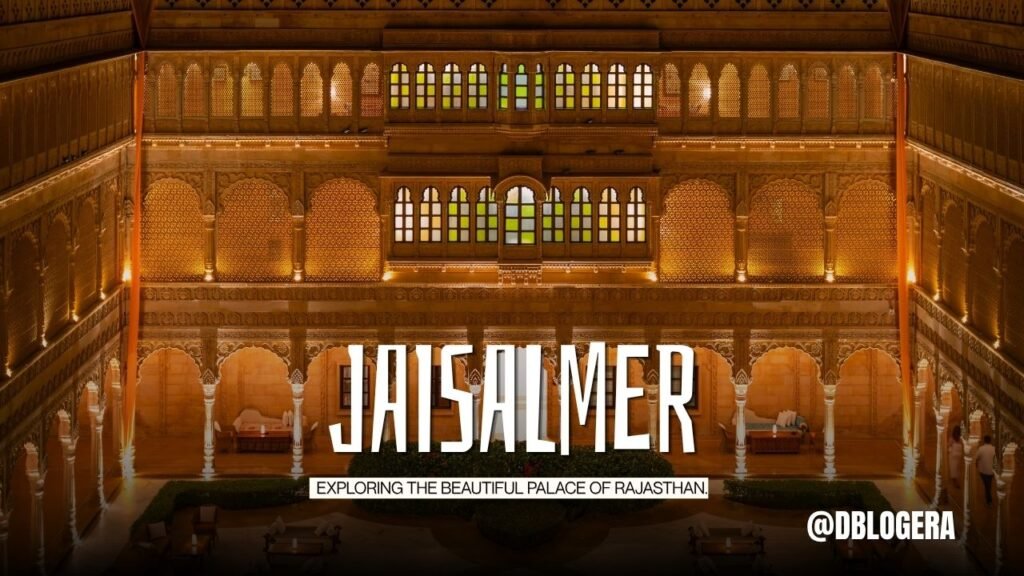
Inside the fort, the former royal palace offers insight into how rulers adapted luxury to desert conditions.
The palace emphasizes functionality: narrow chambers, airflow corridors, shaded balconies, and elevated observation spaces.
Features to Observe
- Sandstone balconies
- Historic interiors
- Royal artifacts
- Desert ventilation design
Jain Temple Complex Inside the Fort
The fort houses extraordinary Jain temples built between the 12th and 16th centuries.
Highlights
- Detailed carvings
- Marble idols
- Temple corridors
- Sacred manuscripts
Best Havelis to Visit in Jaisalmer
Patwon Ki Haveli – The Finest Merchant Mansion for Travelers
Patwon Ki Haveli is one of the most important heritage attractions in Jaisalmer and should never be skipped.
Built by wealthy Jain traders, this cluster of five havelis demonstrates extraordinary stone carving.
The façade looks almost embroidered because every surface carries detailed ornamentation.
Travel Highlights
- Museum sections
- Merchant history
- Intricate balconies
- Photography opportunities
Nathmal Ki Haveli – Architectural Symmetry Worth Exploring
Nathmal Ki Haveli shows fascinating asymmetry because two architect brothers designed opposite sides independently.
What Travelers Should Notice
- Elephant carvings
- Unique façade differences
- Interior detailing
Salim Singh Ki Haveli – Distinctive Peacock Design
This haveli stands out for its unusual roofline resembling a peacock.
Best Features
- Peacock-inspired upper structure
- Narrow lower section
- Elevated balconies
Desert Experience in Sam Sand Dunes
Why Sam Sand Dunes Are Essential in Every Jaisalmer Travel Plan
No travel guide to Jaisalmer is complete without the desert.
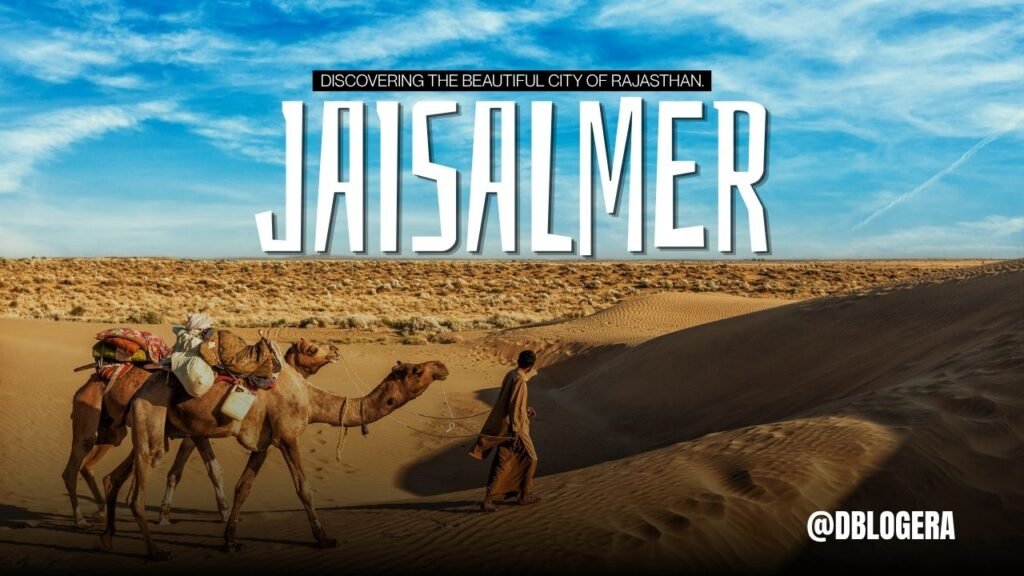
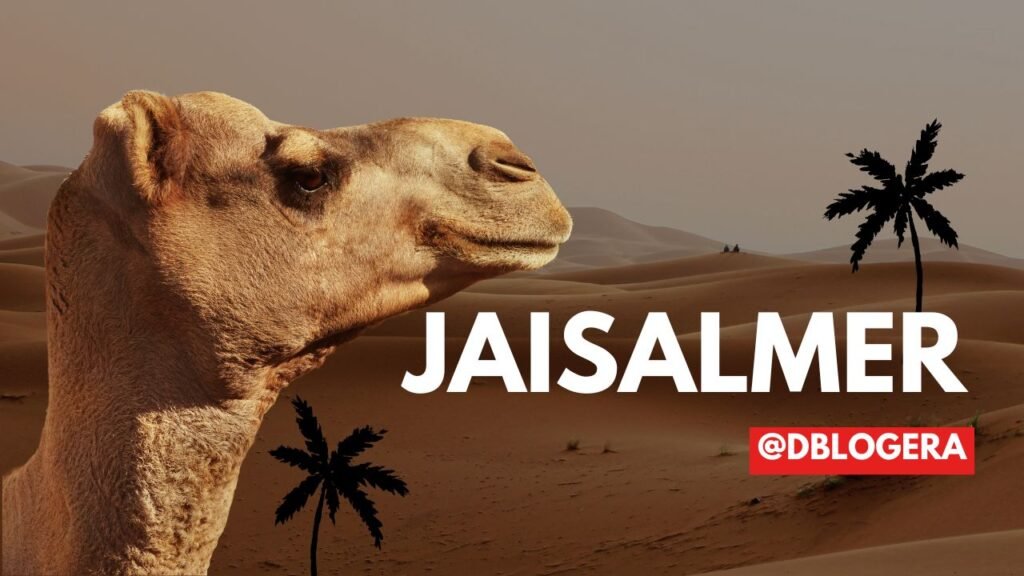
Sam Sand Dunes offer vast rolling dunes where visitors experience the classic desert landscape of Rajasthan 🐪.
Sunset transforms the dunes into moving gold.
Activities at Sam Sand Dunes
- Camel safari
- Jeep safari
- Sunset photography
- Sand walking
- Cultural evenings
Camel Safari Travel Experience
Camel rides offer slower, immersive desert travel.
Best Timing
- Late afternoon
- Sunset hour
Jeep Safari for Adventure Travelers
Jeep safaris are ideal for thrill seekers.
What to Expect
- Fast dune rides
- Desert viewpoints
- Photography stops
Luxury Desert Camping in Jaisalmer
Why Overnight Desert Camping Is Highly Recommended
A night in desert camps transforms the travel experience completely 🌌.
Luxury camps combine comfort with local culture.
Included Experiences
- Folk dance
- Traditional dinner
- Bonfire
- Stargazing
Types of Desert Camps
Options Available
- Luxury Swiss tents
- Mid-range camps
- Budget camps
Local Culture and Traditional Experiences in Jaisalmer
Folk Music and Cultural Identity
Jaisalmer’s desert culture survives through strong oral traditions.
Cultural Forms
- Manganiyar music
- Kalbeliya dance
- Puppet shows
Jaisalmer Desert Festival – Best Time for Cultural Travel
The Jaisalmer Desert Festival offers peak cultural immersion.
Festival Attractions
- Camel races
- Turban competitions
- Folk performances
Sacred Places Travelers Should Visit
Tanot Mata Temple – Spiritual and Historical Importance
Tanot Mata Temple is famous for wartime faith stories.
Travel Reasons
- Border spirituality
- Historic military relevance
Longewala War Memorial – Border Tourism Experience
Longewala War Memorial preserves memory of the Indo-Pakistani War of 1971.
Visitor Experience
- Military exhibits
- Documentary screening
- Battlefield understanding
Food Guide for Travelers in Jaisalmer
Best Traditional Foods to Try
Jaisalmer food reflects desert resilience and strong spice traditions 🌶️.
Must-Try Dishes
- Dal Baati Churma
- Ker Sangri
- Gatte Ki Sabzi
- Laal Maas
Rooftop Dining Experience
Fort-view dining creates unforgettable evenings.
Best For
- Sunset meals
- Night photography
- Traditional dinners
Shopping Guide in Jaisalmer
Best Things to Buy
Markets reflect desert craftsmanship.
Recommended Purchases
- Embroidered textiles
- Leather products
- Silver jewelry
- Mirror work décor
Best Time to Travel to Jaisalmer
Seasonal Travel Planning
Winter remains ideal.
Month Guide
- October–March: best season
- April–June: extreme heat
- July–September: moderate off-season
How to Reach Jaisalmer Easily
Transport Guide
Travel Options
- Train connections
- Road from Jodhpur
- Domestic air access
Where to Stay in Jaisalmer
Accommodation Options for Every Budget
Stay Categories
- Heritage hotels
- Fort guesthouses
- Desert camps
- Budget lodges
Photography Travel Guide for Jaisalmer
Best Photography Locations
Jaisalmer offers extraordinary visual variety 📷.
Best Spots
- Fort rooftops
- Haveli lanes
- Sam dunes
- Sunset viewpoints
Hidden Places Around Jaisalmer Travelers Often Miss
Lesser-Known Attractions
Hidden Gems
- Kuldhara
- Bada Bagh
- Amar Sagar
Final Travel Advice – Why Jaisalmer Should Be on Every India Travel List
Jaisalmer is not simply a city—it is a complete desert civilization preserved in golden stone ✨. Every traveler finds something distinct here: history lovers discover forts and temples, adventure seekers ride across dunes, photographers capture changing light, food lovers enjoy desert cuisine, and culture enthusiasts witness living traditions.
A journey through Jaisalmer feels timeless because the city still preserves the rhythm of its historical identity while welcoming modern travelers warmly.
Final Travel Checklist
- Book desert camp early
- Visit fort in morning
- Reserve sunset for dunes
- Carry sun protection
- Keep one extra day for hidden places
Best Travel Guide to Jaisalmer: The Golden City of India
Introduction to Jaisalmer – Why Every Traveler Should Visit the Golden City of India
Jaisalmer is one of the most extraordinary travel destinations in Rajasthan, known globally as The Golden City of India because of its honey-colored sandstone architecture that glows brilliantly under sunlight 🌅. Located near the heart of the Thar Desert, Jaisalmer offers a travel experience that combines royal history, desert adventure, architectural heritage, cultural richness, local cuisine, spiritual landmarks, and unforgettable sunsets. Unlike many tourist cities that focus on a single attraction, Jaisalmer presents a complete travel ecosystem where forts, havelis, temples, dunes, villages, border history, and folk culture exist together in remarkable harmony.
For travelers planning a Rajasthan journey, Jaisalmer often becomes the highlight because it feels dramatically different from urban India. The city’s golden appearance changes with the sun, creating a constantly shifting landscape for photographers, historians, and explorers. By morning, the fort appears pale gold; by afternoon, it becomes bright amber; and by evening, the entire city looks dipped in molten sunlight ✨.
Jaisalmer is also historically important because it once served as a major trade center connecting India with Central Asia and Persia. Wealth generated through caravan trade built many of the magnificent mansions that visitors admire today.
Why Jaisalmer Is Called the Golden City
- Yellow sandstone dominates the city’s architecture
- Buildings glow golden under desert sunlight
- Historic fort and havelis create a unified golden skyline
- Desert surroundings enhance the city’s warm visual tone
- Sunset creates extraordinary golden reflections
Why Jaisalmer Is Ideal for Travelers
- Heritage tourism
- Desert adventure
- Luxury camping
- Photography opportunities
- Traditional cultural experiences
- Family travel and solo travel suitability
History of Jaisalmer – Understanding the Golden Legacy Before You Travel
Foundation of Jaisalmer and Its Historical Importance in Rajasthan Tourism
Before planning a trip to Jaisalmer, understanding its historical foundation makes every monument more meaningful. The city was founded in 1156 CE by Rawal Jaisal, a Rajput ruler who shifted his capital from Lodurva to Trikuta Hill for stronger defense and strategic visibility. This location allowed better protection from invasions while maintaining control over desert trade routes.
For centuries, Jaisalmer prospered because merchants carrying silk, spices, gemstones, and luxury goods crossed this region. Trade routes passing through desert territories generated enormous wealth, which later funded elaborate mansions, temples, and fort expansions.
This prosperity also created a strong merchant culture, which explains why Jaisalmer’s havelis are as famous as its royal architecture. Unlike many cities where kings alone shaped urban identity, Jaisalmer was also shaped by wealthy traders who invested heavily in architectural beauty.
Over time, maritime trade reduced desert caravan importance, causing economic decline, but the city preserved its historical identity remarkably well.
Historical Travel Insights
- Founded in 1156 CE
- Bhati Rajput kingdom center
- Desert trade route importance
- Merchant wealth shaped architecture
- Strategic military location
How History Shapes the Modern Travel Experience in Jaisalmer
Traveling through Jaisalmer today means walking through a living historical city where everyday life still continues inside centuries-old walls. Many historic settlements become museum-like after preservation, but Jaisalmer remains alive.
The narrow streets inside the fort still host homes, temples, shops, and small restaurants. Traditional occupations continue alongside tourism.
For travelers, this creates authenticity rarely found elsewhere.
What Travelers Notice Historically
- Ancient fort still inhabited
- Merchant houses still preserved
- Traditional markets remain active
- Historical street layouts survive
Visiting Jaisalmer Fort – The Living Heart of the Golden City
Why Jaisalmer Fort Is the First Essential Stop in Any Travel Guide
Jaisalmer Fort dominates the city skyline and serves as the most important destination in every travel itinerary. Built on Trikuta Hill, the fort rises dramatically above the city and remains one of the few living forts in the world.
What makes this fort exceptional is that thousands of people still live inside it. Homes, temples, cafés, guesthouses, handicraft shops, and small businesses operate within ancient defensive walls.
The fort’s golden sandstone changes appearance throughout the day, making morning and sunset visits equally rewarding 📸.
Walking through the fort reveals layers of architecture: defensive gates, carved facades, temple complexes, and hidden courtyards.
Key Travel Tips for Visiting the Fort
- Visit early morning for fewer crowds
- Wear comfortable walking shoes
- Carry water during warmer months
- Explore narrow lanes slowly
- Stay until sunset for rooftop views
Fort Gates and Their Importance for Travelers
The fort has multiple historic gates designed for layered defense.
Main Gates
- Akhai Pol
- Suraj Pol
- Ganesh Pol
- Hawa Pol
Each gate reveals military planning adapted for desert warfare.
Best Rooftop Views Inside the Fort
Rooftop cafés inside the fort offer panoramic city views.
Best Times
- Sunrise
- Sunset
- Night fort illumination
Exploring Royal Architecture Inside Jaisalmer Fort
Raj Mahal – Understanding Desert Royal Lifestyle
Inside the fort, the former royal palace offers insight into how rulers adapted luxury to desert conditions.
The palace emphasizes functionality: narrow chambers, airflow corridors, shaded balconies, and elevated observation spaces.
Features to Observe
- Sandstone balconies
- Historic interiors
- Royal artifacts
- Desert ventilation design
Jain Temple Complex Inside the Fort
The fort houses extraordinary Jain temples built between the 12th and 16th centuries.
Highlights
- Detailed carvings
- Marble idols
- Temple corridors
- Sacred manuscripts
Best Havelis to Visit in Jaisalmer
Patwon Ki Haveli – The Finest Merchant Mansion for Travelers
Patwon Ki Haveli is one of the most important heritage attractions in Jaisalmer and should never be skipped.
Built by wealthy Jain traders, this cluster of five havelis demonstrates extraordinary stone carving.
The façade looks almost embroidered because every surface carries detailed ornamentation.
Travel Highlights
- Museum sections
- Merchant history
- Intricate balconies
- Photography opportunities
Nathmal Ki Haveli – Architectural Symmetry Worth Exploring
Nathmal Ki Haveli shows fascinating asymmetry because two architect brothers designed opposite sides independently.
What Travelers Should Notice
- Elephant carvings
- Unique façade differences
- Interior detailing
Salim Singh Ki Haveli – Distinctive Peacock Design
This haveli stands out for its unusual roofline resembling a peacock.
Best Features
- Peacock-inspired upper structure
- Narrow lower section
- Elevated balconies
Desert Experience in Sam Sand Dunes
Why Sam Sand Dunes Are Essential in Every Jaisalmer Travel Plan
No travel guide to Jaisalmer is complete without the desert.
Sam Sand Dunes offer vast rolling dunes where visitors experience the classic desert landscape of Rajasthan 🐪.
Sunset transforms the dunes into moving gold.
Activities at Sam Sand Dunes
- Camel safari
- Jeep safari
- Sunset photography
- Sand walking
- Cultural evenings
Camel Safari Travel Experience
Camel rides offer slower, immersive desert travel.
Best Timing
- Late afternoon
- Sunset hour
Jeep Safari for Adventure Travelers
Jeep safaris are ideal for thrill seekers.
What to Expect
- Fast dune rides
- Desert viewpoints
- Photography stops
Luxury Desert Camping in Jaisalmer
Why Overnight Desert Camping Is Highly Recommended
A night in desert camps transforms the travel experience completely 🌌.
Luxury camps combine comfort with local culture.
Included Experiences
- Folk dance
- Traditional dinner
- Bonfire
- Stargazing
Types of Desert Camps
Options Available
- Luxury Swiss tents
- Mid-range camps
- Budget camps
Local Culture and Traditional Experiences in Jaisalmer
Folk Music and Cultural Identity
Jaisalmer’s desert culture survives through strong oral traditions.
Cultural Forms
- Manganiyar music
- Kalbeliya dance
- Puppet shows
Jaisalmer Desert Festival – Best Time for Cultural Travel
The Jaisalmer Desert Festival offers peak cultural immersion.
Festival Attractions
- Camel races
- Turban competitions
- Folk performances
Sacred Places Travelers Should Visit
Tanot Mata Temple – Spiritual and Historical Importance
Tanot Mata Temple is famous for wartime faith stories.
Travel Reasons
- Border spirituality
- Historic military relevance
Longewala War Memorial – Border Tourism Experience
Longewala War Memorial preserves memory of the Indo-Pakistani War of 1971.
Visitor Experience
- Military exhibits
- Documentary screening
- Battlefield understanding
Food Guide for Travelers in Jaisalmer
Best Traditional Foods to Try
Jaisalmer food reflects desert resilience and strong spice traditions 🌶️.
Must-Try Dishes
- Dal Baati Churma
- Ker Sangri
- Gatte Ki Sabzi
- Laal Maas
Rooftop Dining Experience
Fort-view dining creates unforgettable evenings.
Best For
- Sunset meals
- Night photography
- Traditional dinners
Shopping Guide in Jaisalmer
Best Things to Buy
Markets reflect desert craftsmanship.
Recommended Purchases
- Embroidered textiles
- Leather products
- Silver jewelry
- Mirror work décor
Best Time to Travel to Jaisalmer
Seasonal Travel Planning
Winter remains ideal.
Month Guide
- October–March: best season
- April–June: extreme heat
- July–September: moderate off-season
How to Reach Jaisalmer Easily
Transport Guide
Travel Options
- Train connections
- Road from Jodhpur
- Domestic air access
Where to Stay in Jaisalmer
Accommodation Options for Every Budget
Stay Categories
- Heritage hotels
- Fort guesthouses
- Desert camps
- Budget lodges
Photography Travel Guide for Jaisalmer
Best Photography Locations
Jaisalmer offers extraordinary visual variety 📷.
Best Spots
- Fort rooftops
- Haveli lanes
- Sam dunes
- Sunset viewpoints
Hidden Places Around Jaisalmer Travelers Often Miss
Lesser-Known Attractions
Hidden Gems
- Kuldhara
- Bada Bagh
- Amar Sagar
Final Travel Advice – Why Jaisalmer Should Be on Every India Travel List
Jaisalmer is not simply a city—it is a complete desert civilization preserved in golden stone ✨. Every traveler finds something distinct here: history lovers discover forts and temples, adventure seekers ride across dunes, photographers capture changing light, food lovers enjoy desert cuisine, and culture enthusiasts witness living traditions.
A journey through Jaisalmer feels timeless because the city still preserves the rhythm of its historical identity while welcoming modern travelers warmly.
Final Travel Checklist
- Book desert camp early
- Visit fort in morning
- Reserve sunset for dunes
- Carry sun protection
- Keep one extra day for hidden places
Also Read
Best Indian Desert Destinations












1 Comment
Pingback: Best Travel with Dblogera in 2026-Best Destinations & Experiences